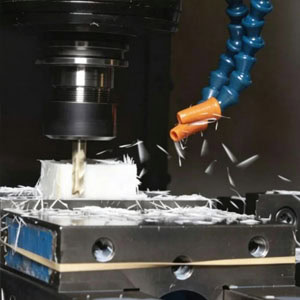
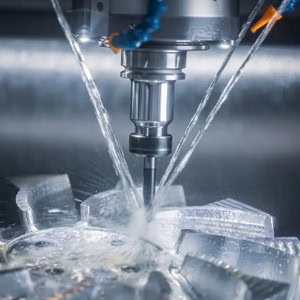
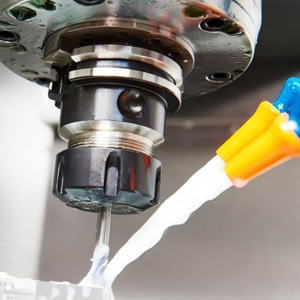
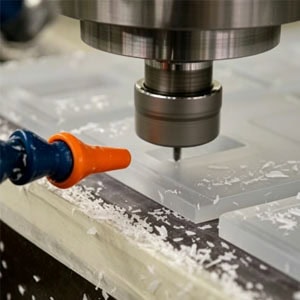
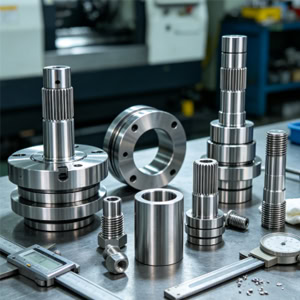
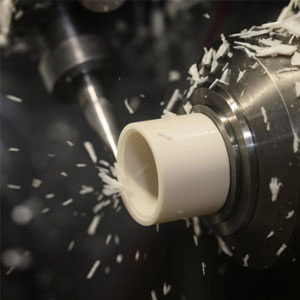
POM (polyoxymethylene) is a common engineering plastic with good hardness, wear resistance, dimensional stability, and machinability. It is commonly used to machine gears, bushings, sliders, guide components, washers, positioning parts,
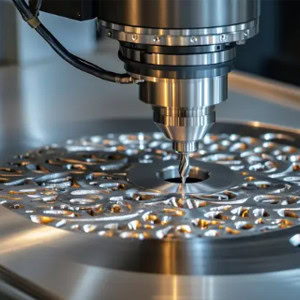
A part’s long-term performance depends not only on dimensional accuracy but also on surface quality. In many high-end manufacturing fields, such as automation equipment, medical devices, semiconductor equipment, and aerospace
Thin-walled parts have always been one of the most challenging workpieces in precision manufacturing. Due to their small wall thickness and limited overall rigidity, cutting forces generated during CNC milling,
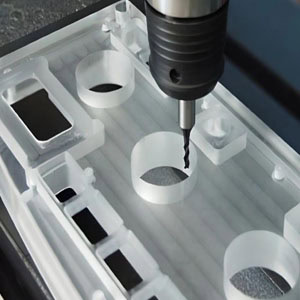
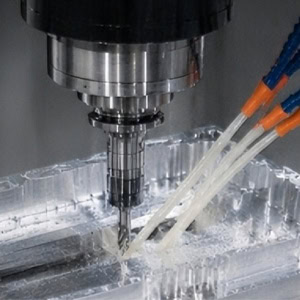
In plastic CNC machining, chip evacuation is an important factor that affects machining quality. Compared with metal materials, most engineering plastics have relatively low thermal conductivity, relatively low hardness, and
Material costs have a direct impact on the manufacturing cost of CNC-turned components. This is particularly important when machining stainless steel, copper alloys, titanium alloys, aluminum alloys, and high-strength alloy
In precision manufacturing, companies usually focus on machine tool accuracy, cutting tool performance, and machining parameters, while easily overlooking a hidden factor—thermal deformation. During CNC milling, continuous contact between the
During precision machining, tool breakage is one of the most common issues faced by manufacturing companies. A broken tool may seem like a small loss, but the actual impact can
In CNC milling, tool coatings may seem like just a thin surface layer, but they directly affect wear resistance, cutting temperature, edge condition, and tool life. PVD and CVD are
When machining plastic parts with CNC, “springback” is a relatively common dimensional abnormality, especially in thin-walled parts, long strip-shaped parts, deep-groove parts, narrow-edge structures, and engineering plastic components with high
Whether a part can operate reliably often does not depend on its size, but on how accurately it is manufactured. In industries such as automation equipment, medical devices, aerospace components,
In the manufacturing of precision parts, aluminum alloys are widely used in aerospace components, automotive structural parts, electronic device housings, and industrial products due to their lightweight nature, good thermal
CNC plastic machining has certain requirements for material condition, machining environment, tool condition, and dimensional inspection. Many production sites pay more attention to cutting speed, feed rate, tool selection, and
Scroll to Top
Your 24 hour quote
Send us a message if you have any questions or request a quote. We will be back to you within 1-2 hours!