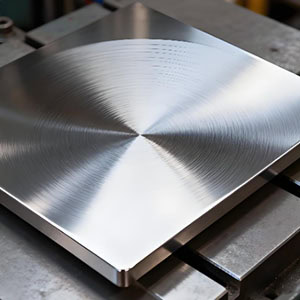
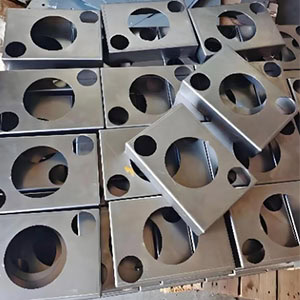
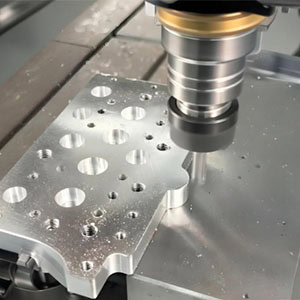
Metal machining does not always mark the end of the manufacturing process. After CNC machining, turning, milling, stamping, or other manufacturing operations, metal parts may still have machining marks, burrs,
304 and 316 stainless steel are two of the most widely used stainless steel grades in industrial manufacturing, CNC precision machining, mechanical components, and equipment production. Although they look similar,
6061 aluminum is one of the most widely used aluminum alloys in precision CNC machining. It offers a balanced combination of strength, lightweight properties, corrosion resistance, machinability, and cost-effectiveness. These
7075 aluminum alloy is a high-strength aluminum material known for its excellent strength-to-weight ratio, good fatigue performance, and relatively good machinability. It is widely used in aerospace, automotive, robotics, industrial
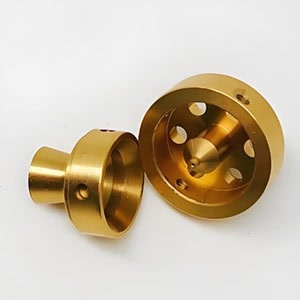
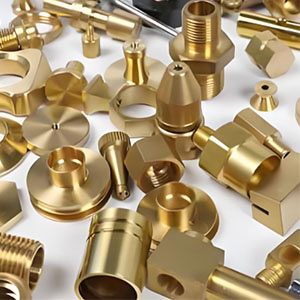
Brass is a widely used copper-zinc alloy known for its excellent machinability, corrosion resistance, electrical conductivity, thermal conductivity, and mechanical properties. As precision manufacturing continues to develop, CNC brass machining
Copper has excellent electrical conductivity, thermal conductivity, ductility, and corrosion resistance, making it widely used for electrical connectors, terminals, busbars, heat dissipation components, electronic components, and industrial equipment. As the
Temperature is one of the important factors affecting precision in CNC metal machining. Cutting speed, feed rate, friction between the tool and workpiece, and continuous machine operation all generate heat.
Large metal parts are widely used in aerospace, energy equipment, construction machinery, rail transportation, and industrial equipment. Compared with standard-sized components, large metal parts are more susceptible to thermal deformation,
Small precision metal parts are widely used in medical devices, aerospace, electronics, automotive components, robotics, optical equipment, and precision machinery. Although these components are small in size, they often require
Deep-hole metal machining is an important process in precision manufacturing and is widely used for automotive components, hydraulic equipment, molds, aerospace parts, medical devices, and industrial machinery. Compared with conventional
Thin-wall metal parts are widely used in aerospace, automotive, medical equipment, electronics, robotics, and precision machinery. Their lightweight design helps reduce material usage and overall component weight. However, compared with
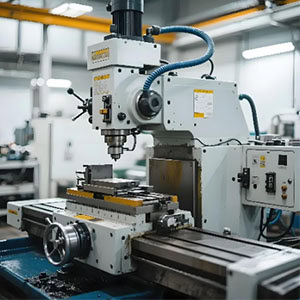
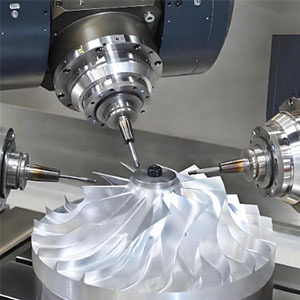
As industries such as aerospace, automotive, medical equipment, robotics, and precision machinery continue to develop, metal parts are becoming increasingly complex. Traditional 3-axis CNC machining can meet the requirements of
Scroll to Top
Your 24 hour quote
Send us a message if you have any questions or request a quote. We will be back to you within 1-2 hours!