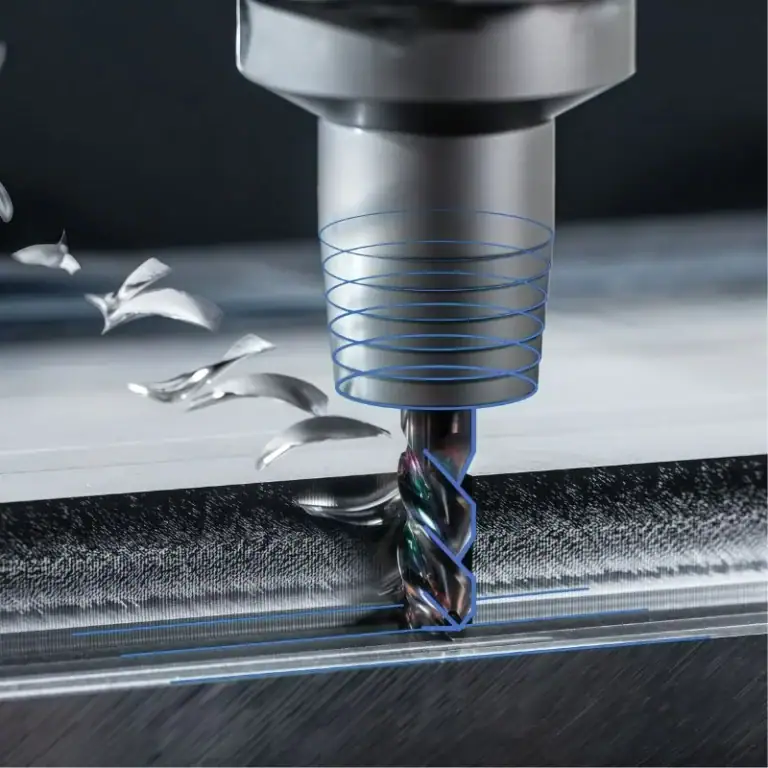
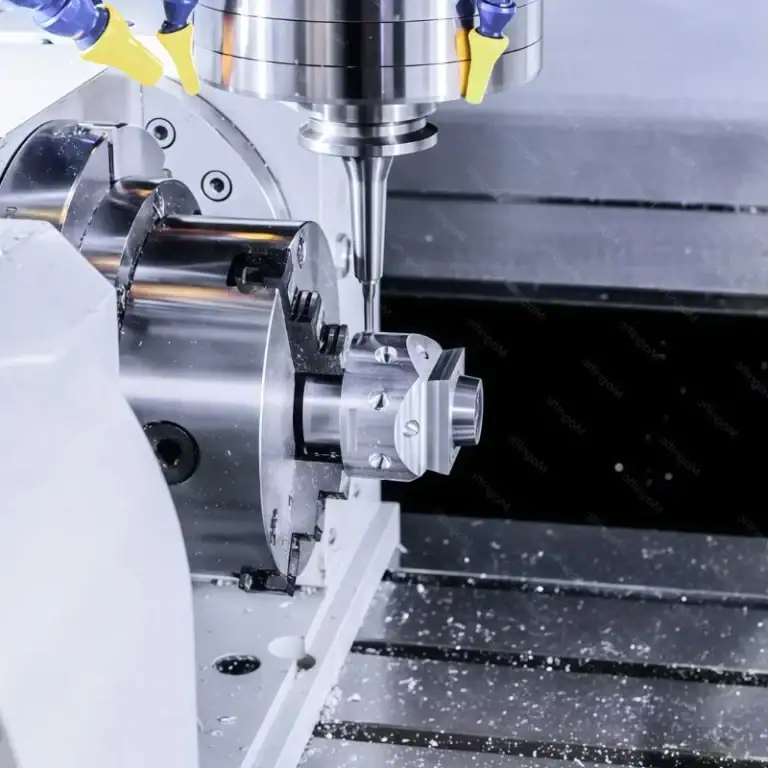
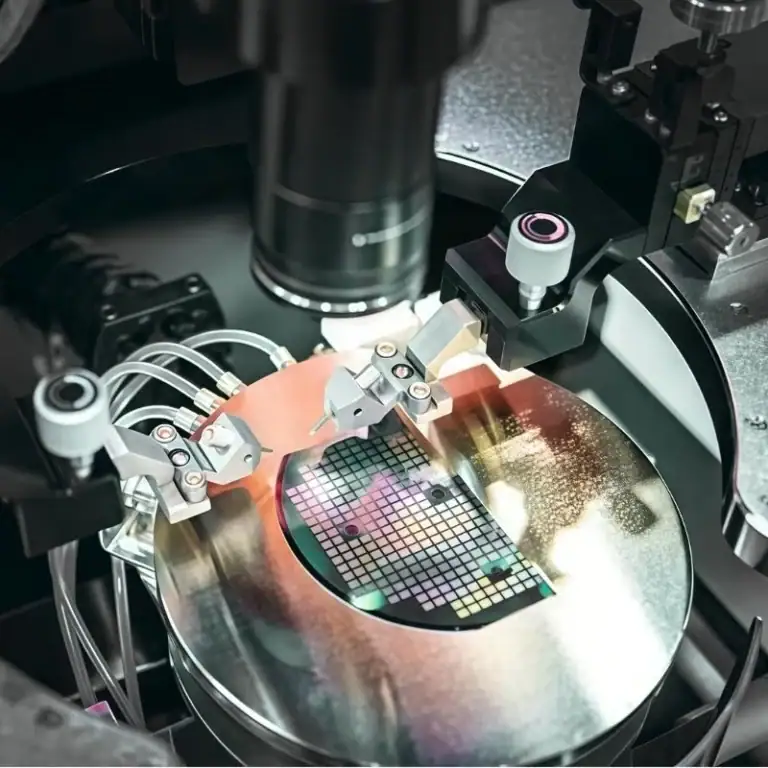
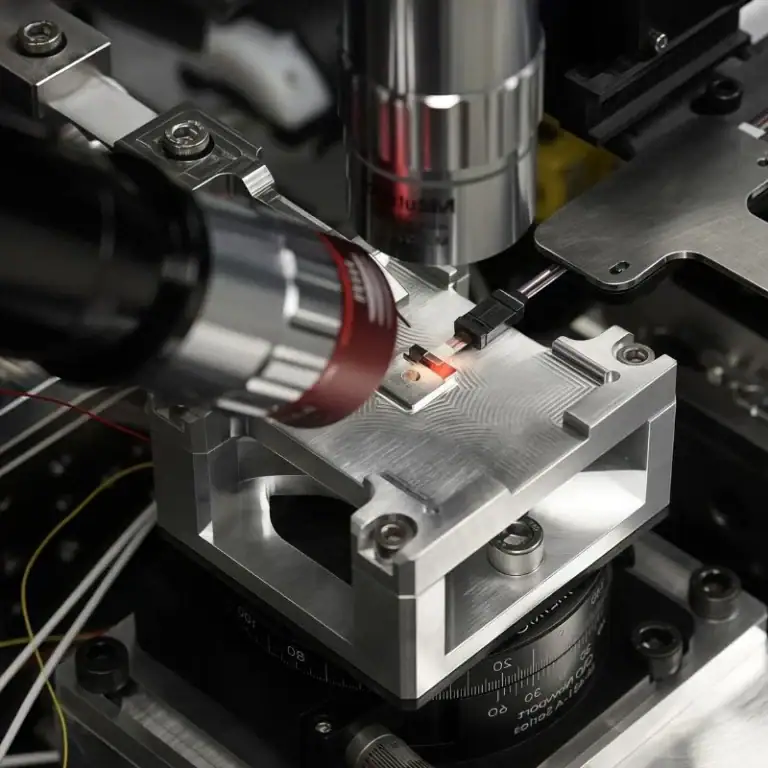
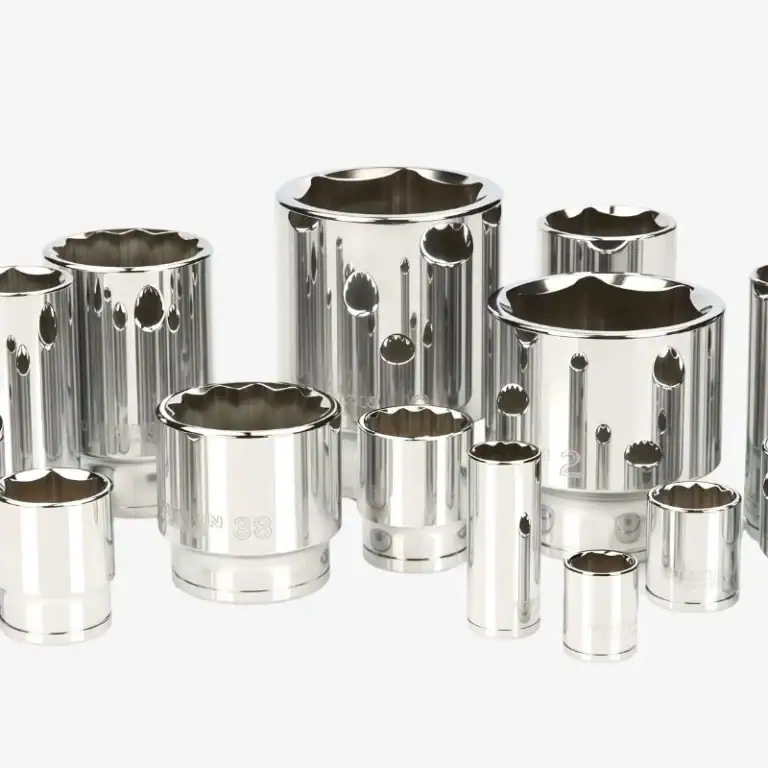
Optical parts may look like small and simple components, such as lenses, reflectors, or precision structural elements, but manufacturing them is far more challenging than machining ordinary mechanical parts. Even a tiny dimensional deviation can affect light transmission performance and reduce the overall performance of the equipment. Optical components are widely used in medical devices, semiconductor inspection equipment, aerospace optical systems, and advanced instruments, where strict requirements are placed on accuracy, surface quality, and stability. Producing optical parts that meet demanding standards requires not only advanced equipment but also extensive precision machining experience. Every stage, from material selection and machining parameters to final inspection, needs careful control.
Why Are Optical Parts More Difficult to Machine Than Ordinary Components?
The challenges of optical part machining are not limited to dimensional accuracy. Multiple factors work together to determine the final quality. Ordinary mechanical parts mainly focus on strength and assembly, while optical components must also meet strict requirements for surface condition, finish quality, and optical performance. During machining, even small changes in processing conditions can affect the final application results.
Extremely High Dimensional Accuracy Requirements
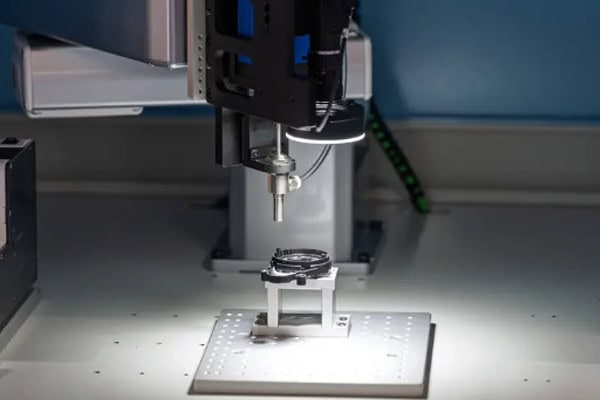
Optical systems require very precise component matching, especially in high-magnification equipment and precision instruments. Even very small errors can cause optical path deviations.
- Strict machining tolerances are required, ensuring stable dimensions and preventing problems during assembly.
- Complex curved surfaces are difficult to control, as lenses and reflective structures require highly accurate machining processes.
- High consistency is needed for mass production, ensuring multiple components follow the same manufacturing standards.
Precision machining plays a critical role in optical component manufacturing. Through high-accuracy equipment and optimized processes, manufacturers can reduce dimensional errors and produce parts that meet complex optical system requirements.
Surface Quality Directly Affects Optical Performance
One of the biggest differences between optical components and ordinary mechanical parts is the extremely high requirement for surface quality. Even small scratches, burrs, or abnormal surface roughness can affect light reflection and transmission.
- Surface roughness must be carefully controlled to reduce the impact on optical performance.
- Microscopic defects must be avoided, preventing scratches or cracks from affecting final use.
- Machining stability must be maintained to reduce vibration and processing impact.
Surface treatment is a critical stage in optical part manufacturing. Meeting dimensional requirements does not always mean the part is finished; surface quality must also be verified to ensure it meets application standards.
Material Characteristics Increase Machining Difficulty
Optical components are made from various materials, including optical glass, quartz, ceramics, and special crystal materials. Although these materials provide excellent performance, they can be difficult to process.
- Some materials have high hardness, increasing tool wear during machining.
- Certain materials are brittle, making them vulnerable to edge chipping.
- Different thermal characteristics may affect dimensions, as temperature changes can influence machining stability.
Different materials require different machining strategies. Only by understanding material properties can manufacturers select suitable tools, parameters, and processes to improve machining reliability.
What Are the Common Challenges in Precision Machining of Optical Parts?
In actual production, optical machining is not simply about shaping a material into a specific form. Manufacturers must achieve accuracy, efficiency, and stability at the same time. Many customers underestimate the complexity at the beginning and only discover the importance of process planning after encountering issues such as dimensional deviations or surface defects.
Vibration Control During Machining
Optical components are often small in size but require extremely high machining accuracy. Even slight equipment vibration can affect the final surface quality.
- Reducing vibration impact keeps the machining process more stable.
- Optimizing clamping methods prevents part movement during processing.
- Adjusting machining parameters reduces cutting impact.
- Improving equipment stability ensures consistency during long machining cycles.
Vibration control is a key factor in optical component manufacturing. With proper equipment selection and process planning, manufacturers can reduce surface defects and improve final part quality.
Difficulty in Micro-Structure Machining
As optical technology continues to advance, many components now include more complex small-scale structures, such as micro holes, fine grooves, and special curved surfaces. These features require higher machining capabilities.
- Tool size and accuracy must be carefully controlled.
- Machining paths need detailed planning.
- Inspection methods must become more precise.
Micro-structure machining requires not only advanced equipment but also strong process knowledge. Proper machining strategies can improve the success rate of manufacturing complex optical components.
Strict Inspection Requirements After Machining
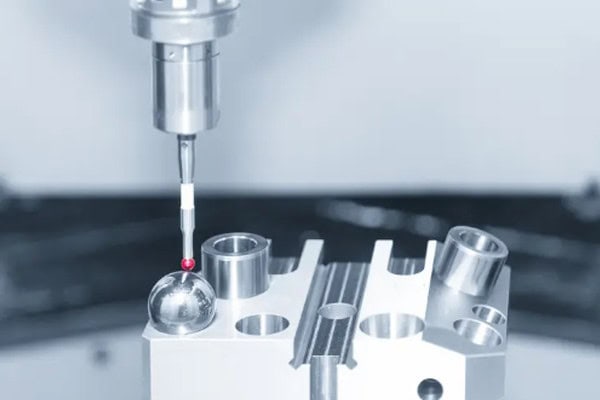
After optical parts are manufactured, detailed inspection is required to confirm whether they meet design specifications. Compared with ordinary components, optical inspection focuses more heavily on fine details.
- Dimensional accuracy inspection ensures compliance with technical drawings.
- Surface quality inspection prevents issues affecting optical performance.
- Overall performance verification ensures reliable operation.
A complete inspection process helps identify machining issues early and plays an important role in ensuring optical component reliability.
How Does Precision Machining Solve Optical Component Manufacturing Challenges?
As optical technology continues to develop, customers are demanding higher performance from components. Traditional machining methods may struggle with complex surfaces, strict accuracy requirements, and special materials. Modern precision machining technology uses advanced equipment, digital control, and strict process management to help manufacturers produce high-quality optical components more consistently.
CNC Machining Improves Manufacturing Flexibility
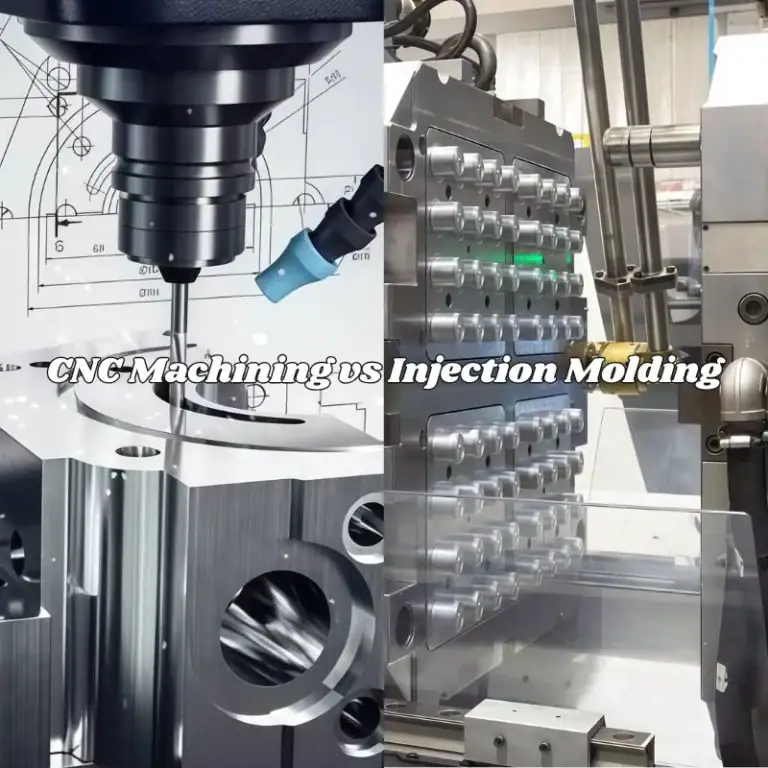
CNC precision machining has become an important manufacturing method for high-accuracy components, especially for complex structures and customized products.
- Supports complex shape machining to meet different optical component designs.
- Improves machining repeatability for stable batch production.
- Reduces manual operation errors and improves overall consistency.
CNC machining allows digital designs to be quickly transformed into real components, providing flexible manufacturing solutions for optical product development and production.
Optimizing Processes Improves Product Quality
Optical machining relies not only on equipment but also on proper process design. Different component structures require different machining approaches.
- Arranging machining sequences properly reduces deformation risks.
- Selecting suitable tools and parameters improves machining results.
- Adjusting processes based on inspection feedback continuously improves production.
A mature machining process helps reduce trial and error, improve production efficiency, and maintain stable optical component quality.
Improving Manufacturing Capability for Advanced Optical Equipment
Modern optical equipment is becoming increasingly complex, creating higher demands for component manufacturing.
- Supports high-precision customized component production.
- Meets requirements across different industries.
- Helps shorten product development cycles.
The development of precision machining technology enables more high-performance optical equipment to be manufactured reliably.
Future Development Trends in Optical Part Machining
With the continued growth of industries such as semiconductors, healthcare, aerospace, and precision instruments, optical components are being used in more applications. Future customers will not only care whether parts can be manufactured, but also whether production can achieve efficiency, consistency, and long-term reliability. Precision machining technology will continue to play an important role in optical manufacturing.
Continuous Improvement in Machining Accuracy
High-end equipment will require increasingly strict optical component standards in the future.
- More advanced precision equipment will be adopted.
- Machining control technologies will continue improving.
- Inspection capabilities will become more advanced.
Higher manufacturing capabilities will help companies meet increasingly complex optical application requirements.
Increasing Adoption of Automated Machining
As market demand grows, automation will become an important direction for improving efficiency.
- Reducing the impact of manual operations.
- Improving batch production stability.
- Lowering long-term manufacturing costs.
The combination of automation and precision machining will drive optical component manufacturing toward higher efficiency.
Expanding Application Fields
Optical components will continue to play important roles in more industries.
- Growing demand in semiconductor equipment.
- Increasing applications in medical inspection devices.
- Continued development of advanced industrial instruments.
As application scenarios expand, optical machining technologies will continue to evolve.
The main challenges in optical part precision machining include dimensional control, surface quality, material processing, and complex structure manufacturing. By combining advanced equipment, optimized processes, and strict inspection, manufacturers can produce optical components that meet high-precision requirements. Tirapid specializes in precision machining services, providing optical component and high-precision part machining solutions to help companies achieve reliable customized manufacturing.