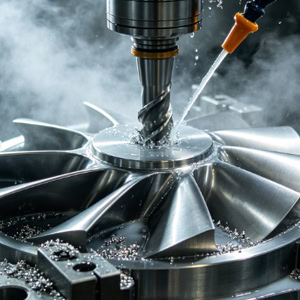
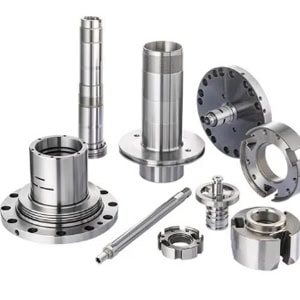
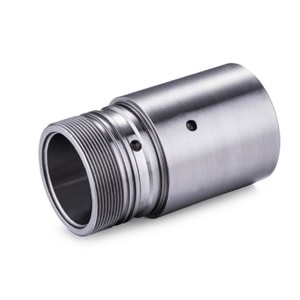
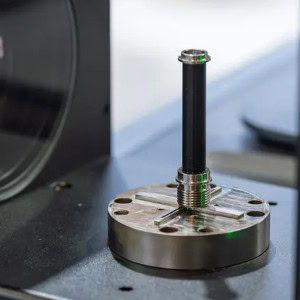
High-temperature alloys, with their excellent heat resistance, corrosion resistance, and high strength, are widely used in high-end manufacturing fields such as aerospace, energy equipment, and gas turbines. However, these advantages
PVC is a relatively common plastic material in both industrial production and daily life, found in products such as water pipes, window frames, electrical conduit, and decorative panels. Compared to
After industrial equipment has been used for several years, many companies face a similar situation: the equipment can still operate, but its production efficiency and processing capabilities can no longer
Copper and aluminum are both commonly used non-ferrous metals in manufacturing, but they exhibit significantly different machining characteristics. Copper has excellent electrical conductivity and ductility, which makes it prone to
Mechanical equipment is an essential part of modern industrial production. From automated production lines, construction machinery, and packaging equipment to conveying systems, machine tools, and industrial pump units, a wide
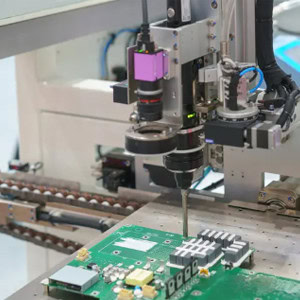
Why are semiconductor equipment systems so valuable? In addition to complex control systems and advanced technologies, countless precision components inside the equipment also play a critical role. Many of these
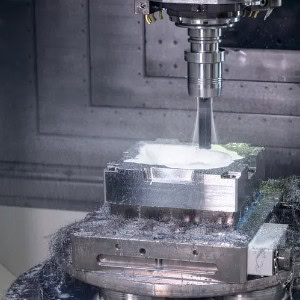
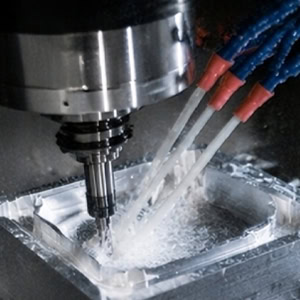
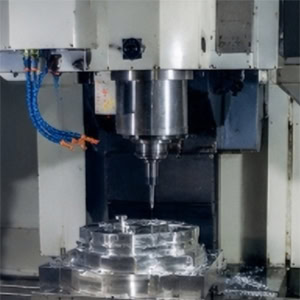
In high-precision part machining, surface quality, dimensional accuracy, and process stability are key indicators that customers focus on. Chatter in CNC milling is one of the most common issues, which
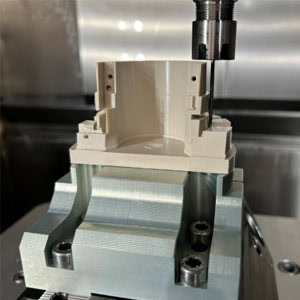
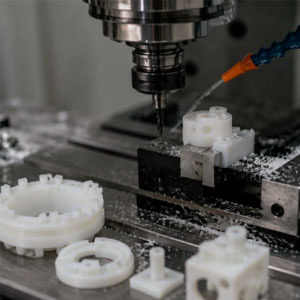
CNC machining of plastic parts has become increasingly common in industrial production today. Many businesses consider this processing method when manufacturing components, prototypes, or small-batch products. Compared to traditional manual
Hydraulic systems are widely used in construction machinery, industrial equipment, automotive manufacturing, agricultural machinery, aerospace, marine equipment, and automated production lines. Since hydraulic systems rely on hydraulic fluid to transfer
Optical parts may look like small and simple components, such as lenses, reflectors, or precision structural elements, but manufacturing them is far more challenging than machining ordinary mechanical parts. Even
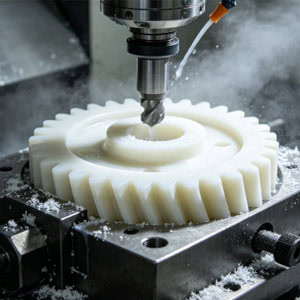
Printers, copiers, automotive door-lock actuators, small gear reducers—POM gears show up in nearly every power-transmission application that is noise-sensitive and does not need to carry heavy loads. POM has one
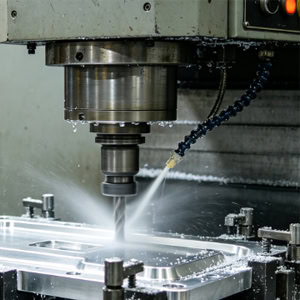
In CNC milling, many companies tend to focus on machine accuracy, tool performance, and machining quality, while often overlooking a key factor that directly affects productivity and cost—cycle time. Even
Scroll to Top
Your 24 hour quote
Send us a message if you have any questions or request a quote. We will be back to you within 1-2 hours!