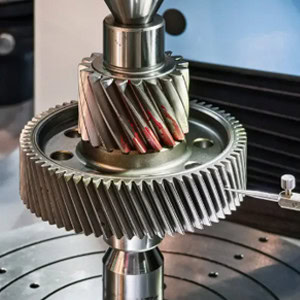
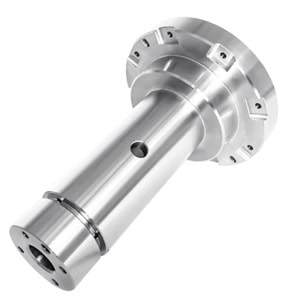
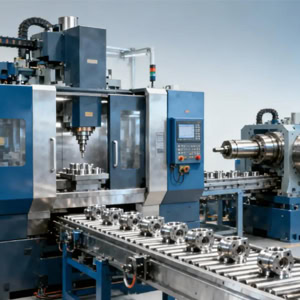
A metal part that looks simple on the outside often goes through several machining and inspection stages before it becomes a finished product that meets engineering requirements. In CNC metal
Burrs are a common problem in CNC metal machining. After milling, turning, drilling, or cutting, small protrusions, rough edges, or excess metal may remain around the edges of a machined
CNC metal machining cost is one of the most important factors customers consider when choosing a manufacturing solution. The same part can have significantly different prices depending on the material,
Material selection is one of the most important decisions in a metal machining project. It can directly affect the strength, weight, corrosion resistance, machinability, and overall cost of the finished
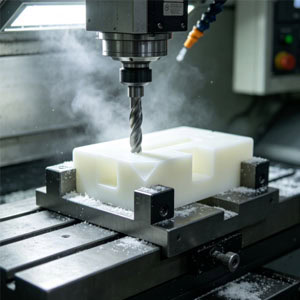
When machining plastic parts with CNC, chamfering is a common finishing process mainly used to remove sharp edges from parts, improve the overall appearance of products, and reduce the risk
In CNC milling, constant-speed cutting is widely used, but when the tool enters corners, deep cavities, narrow slots, or areas with significant variations in material allowance, the actual load on
CNC turning machining costs are influenced by several production conditions, including component structure, raw material prices, machining time, machine type, tool consumption, machining accuracy, order quantity, and post-processing requirements. Even
Thin-walled parts are becoming increasingly common in modern manufacturing industries. From aerospace structural components to precision parts used in automation equipment, these components offer advantages such as lightweight design and
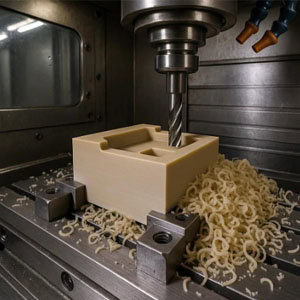
During CNC plastic machining, the feed rate is one of the key parameters affecting machining quality, production efficiency, and dimensional stability of parts. The feed rate refers to the speed
In mechanical part manufacturing, some components may meet dimensional requirements but still experience issues such as increased friction, poor sealing, or unstable operation after being installed into equipment. In many
As the semiconductor industry continues to develop toward higher precision, miniaturization, automation, and advanced manufacturing processes, semiconductor production equipment has increasingly demanding requirements for dimensional accuracy, surface quality, material performance,
CNC turning batch production is a widely used manufacturing method in modern precision machining, particularly suitable for shafts, sleeves, pins, flanges, threaded components, connectors, and other rotational parts. When customer
Scroll to Top
Your 24 hour quote
Send us a message if you have any questions or request a quote. We will be back to you within 1-2 hours!