The new energy industry is experiencing rapid growth, with electric vehicles, energy storage systems, wind power, photovoltaic equipment, and hydrogen energy technologies expanding their production capacity worldwide. These industries place increasingly demanding requirements on the machining quality of precision components. Many critical parts must maintain tight dimensional tolerances while providing excellent mechanical strength, corrosion resistance, fatigue resistance, and long-term operational stability. As products continue evolving toward lightweight construction, compact structures, and higher levels of integration, conventional machining methods are no longer sufficient. CNC turning has become one of the most important manufacturing technologies in the new energy industry because of its high precision, outstanding efficiency, automation capabilities, and excellent consistency in mass production.
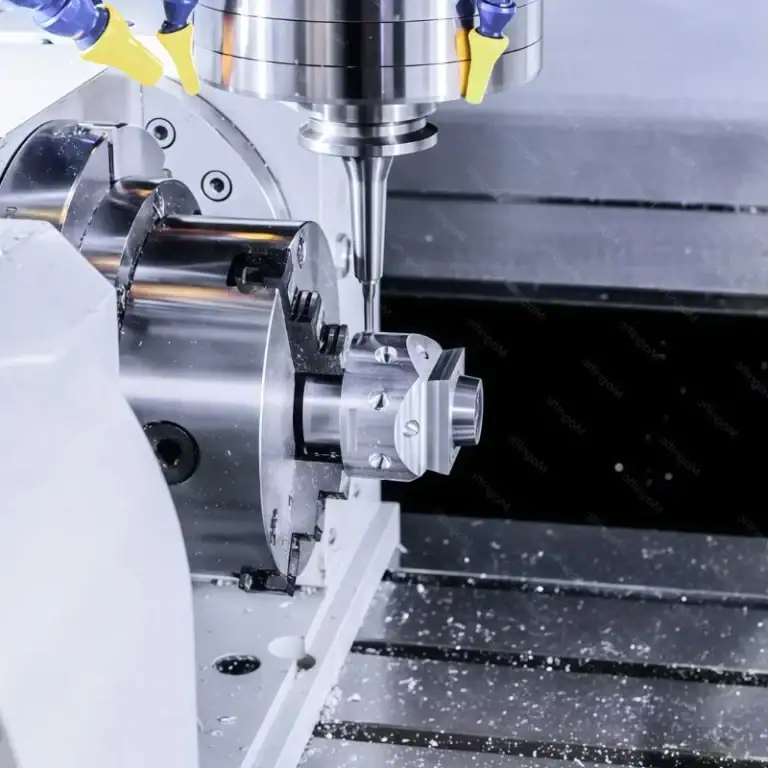
Modern CNC turning centers integrate automatic tool changers, in-process measurement systems, intelligent compensation technologies, and digital control systems to complete rough machining, semi-finishing, and finishing operations in a continuous process. This significantly reduces positioning errors caused by repeated clamping while improving production efficiency. Whether manufacturing motor shafts, battery system connectors, precision housing components, wind power shafts, or hydrogen system high-pressure fittings, CNC turning consistently delivers reliable quality and provides a solid manufacturing foundation for the rapidly expanding new energy sector.
Electric Vehicle Manufacturing Extensively Uses CNC Turning
Electric vehicles contain numerous precision mechanical components and conductive parts. These products must simultaneously satisfy strict dimensional tolerances, lightweight requirements, high-speed operating conditions, and long-term durability. As electric vehicles continue improving driving range and power output, the demand for high-precision machining continues to increase. CNC turning ensures stable machining accuracy and excellent production consistency, making it an ideal solution for large-scale EV manufacturing.
Motor Shaft and Transmission Component Machining
The drive motor is the primary power source of an electric vehicle. Motor shafts rotate continuously at high speeds and require exceptional concentricity, roundness, surface finish, and dimensional accuracy. Even slight machining deviations can increase vibration and noise while reducing transmission efficiency and bearing life. High-precision CNC turning produces consistently accurate rotating components that maximize drivetrain performance.
- Motor shaft machining
- Rotor shaft production
- Precision coupling manufacturing
- Sleeve machining
- Drive connection components
- High-speed rotating parts
Stable CNC turning processes improve drivetrain efficiency, minimize assembly errors, and enhance vehicle reliability throughout its service life.
Battery System Precision Component Manufacturing
Battery systems include numerous conductive components, structural supports, fastening elements, and sealing assemblies that require highly accurate machining to ensure reliable assembly and operational safety. Modern battery packs demand lightweight construction, excellent sealing performance, and efficient thermal management. Precision CNC turning fulfills these manufacturing requirements while maintaining outstanding product consistency.
- Battery connectors
- Conductive terminals
- Precision sleeves
- Battery housing components
- Structural mounting parts
- Sealing connectors
High-quality machining improves battery assembly efficiency while increasing long-term system stability and reliability.
Energy Storage Equipment Continues Driving Demand for Precision Components
Rapid expansion of residential, commercial, industrial, and utility-scale energy storage systems has created increasing demand for precision mechanical and conductive components. Storage systems must maintain excellent electrical conductivity, effective heat dissipation, and structural stability throughout continuous operation. CNC turning provides the accuracy required for these critical components.
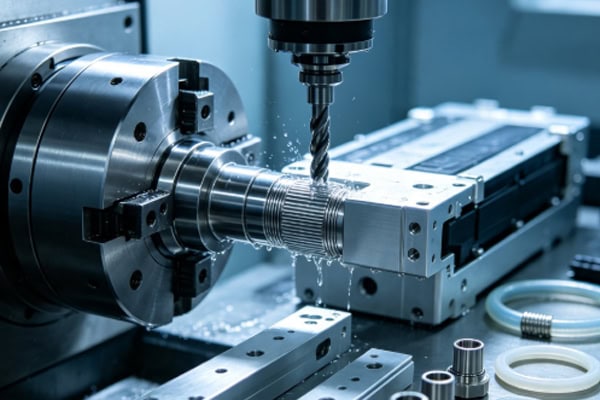
Energy Storage Connection Components
Energy storage equipment contains numerous conductive connectors, fastening components, and structural elements that require accurate dimensions and stable electrical performance.
- Conductive connectors
- Mounting sleeves
- Precision flanges
- Metal fittings
- Sealing structures
- Conductive terminals
Precision machining minimizes assembly deviations, improves operational reliability, and reduces long-term maintenance costs.
Cooling System Component Manufacturing
Energy storage systems continuously generate heat during operation, making thermal management essential for safe and reliable performance. Many cooling system components require precision CNC turning to achieve accurate dimensions and effective sealing.
- Cooling connectors
- Cooling pipe fittings
- Heat transfer components
- Metal heat dissipation structures
- Circulation system components
- Precision housings
Consistent machining quality helps energy storage equipment maintain optimal operating temperatures while improving overall efficiency.
Wind and Solar Energy Equipment Depend on CNC Turning
Wind turbines and photovoltaic equipment operate continuously under harsh outdoor conditions while exposed to wind loads, temperature fluctuations, humidity, and continuous mechanical vibration. Components require excellent corrosion resistance, fatigue strength, and dimensional stability. High-quality CNC turning satisfies these demanding manufacturing requirements.
Wind Turbine Component Manufacturing
Wind turbines contain numerous shafts, connectors, hydraulic components, and structural parts that require exceptional machining precision.
- Turbine shaft machining
- Connection flanges
- Bearing mating components
- Precision connectors
- Hydraulic components
- Structural supports
Precision machining improves turbine efficiency while reducing maintenance frequency throughout long-term operation.
Photovoltaic Equipment Precision Components
Solar power equipment contains numerous support structures and conductive assemblies requiring excellent dimensional consistency.
- Support brackets
- Precision fasteners
- Conductive components
- Installation structures
- Metal mounting components
- Specialized connectors
Reliable machining quality improves photovoltaic equipment durability while supporting long-term power generation efficiency.
Hydrogen Energy Equipment Drives Advanced CNC Turning Technology
The rapid growth of hydrogen energy has increased demand for precision components used in high-pressure hydrogen storage systems, fuel cells, and hydrogen delivery equipment. Since hydrogen operates under extremely high pressures, sealing performance and dimensional precision are essential. CNC turning has become one of the key manufacturing processes supporting hydrogen energy equipment.
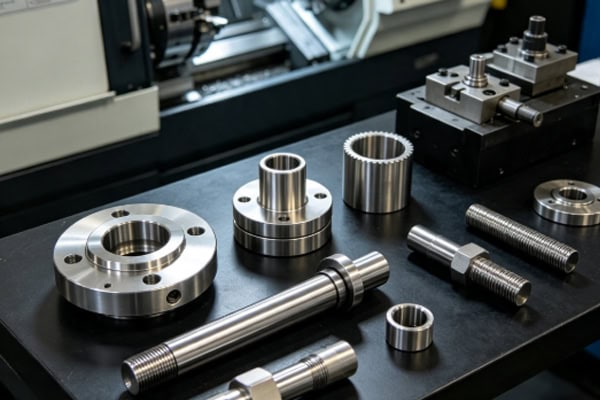
Fuel Cell Component Manufacturing
Fuel cells contain highly sophisticated internal structures requiring excellent conductivity and dimensional consistency.
- Bipolar plate connectors
- Conductive components
- Precision sealing parts
- Structural supports
- Flow channel assemblies
- High-precision connectors
Stable machining accuracy improves fuel cell performance while enhancing long-term operational reliability.
High-Pressure Hydrogen System Components
Hydrogen storage systems require durable pressure-resistant connectors and sealing components to ensure safe long-term operation.
- High-pressure valve components
- Pipeline fittings
- High-pressure connectors
- Sealing sleeves
- Precision flanges
- Control components
High-quality machining improves sealing performance while maintaining operational safety under demanding working conditions.
New Energy Materials Present Higher Requirements for CNC Turning
The new energy industry widely utilizes aluminum alloys, stainless steel, copper alloys, and high-performance engineering materials. Each material possesses unique cutting characteristics that require carefully optimized machining strategies. Proper machining methods improve production efficiency, reduce tool wear, and maintain consistent product quality.
Aluminum Alloy Component Manufacturing
Aluminum alloys are extensively used because of their lightweight characteristics, excellent thermal conductivity, and outstanding machining efficiency.
- Motor housings
- Battery enclosures
- Heat sinks
- Structural support components
- Mounting bases
- Precision connectors
Lightweight machining solutions improve energy efficiency while enhancing overall product performance.
Copper Alloy and Stainless Steel Component Manufacturing
Copper alloys provide exceptional electrical conductivity, while stainless steel offers outstanding corrosion resistance. Both materials play critical roles in modern new energy equipment.
- Conductive terminals
- High-pressure fittings
- Sealing components
- Precision sleeves
- Fluid connectors
- Functional structural parts
Optimized machining processes ensure long-term reliability while improving the performance of new energy equipment.
CNC Turning Continues Supporting the Development of the New Energy Industry
The new energy industry continues moving toward intelligent manufacturing, higher efficiency, and sustainable production. These developments require increasingly sophisticated precision machining technologies. CNC turning has become one of the industry’s most important manufacturing processes because of its excellent dimensional accuracy, superior surface finish, automated production capability, and outstanding batch consistency. It is now widely applied in electric vehicles, energy storage systems, wind power, photovoltaic equipment, and hydrogen energy technologies.
Looking ahead, continued advances in high-speed CNC machines, intelligent inspection systems, automatic loading and unloading, digital factories, and AI-assisted machining will further expand the capabilities of CNC turning. By continuously improving machining efficiency, product quality, and manufacturing intelligence, CNC turning will help manufacturers shorten production cycles, reduce manufacturing costs, and strengthen the competitiveness of new energy equipment while providing reliable precision manufacturing solutions for the global transition toward clean energy.