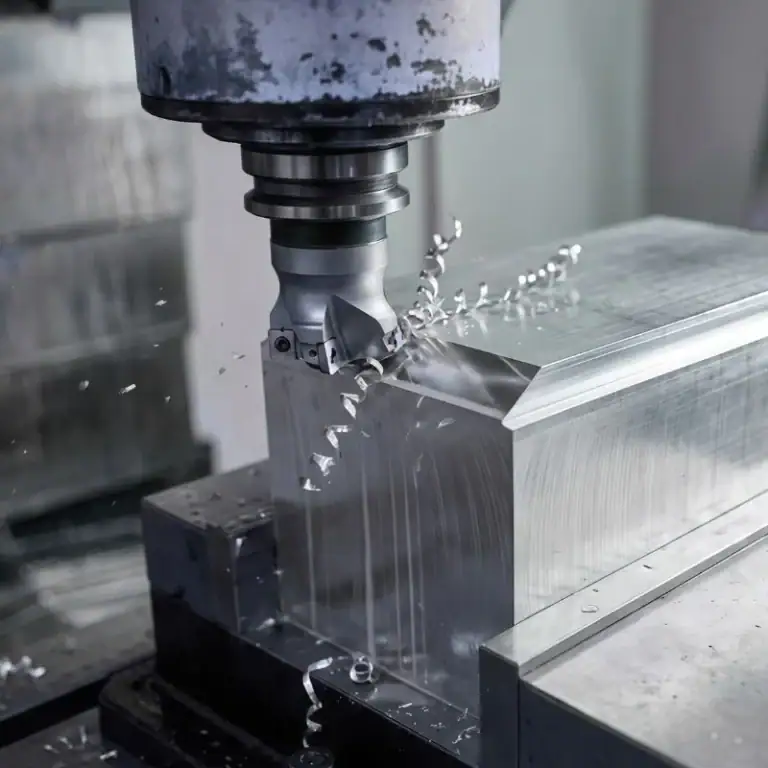
Many companies face the same question when they receive a drawing for a complex part: “Can this structure actually be manufactured?” Compared with ordinary components, complex structural parts often include irregular curved surfaces, deep cavities, small holes, thin-wall designs, and other special features. These designs not only test equipment capabilities but also require extensive machining experience. If the wrong machining method is selected, problems such as dimensional errors, low efficiency, and increased manufacturing costs can easily occur. With the continuous development of industries such as aerospace, medical equipment, automotive manufacturing, and industrial machinery, the demand for precision and stability in complex parts continues to increase. Precision machining has become an important solution for solving these manufacturing challenges.
Why Are Complex Structural Parts More Difficult to Machine?
The difficulty of machining complex structural parts does not always come from the material itself. More often, it comes from the complicated design requirements. Traditional machining may only require processing several simple surfaces, while complex parts may involve multiple machining directions, strict tolerance requirements, and special structural features. During manufacturing, equipment selection, tool paths, and process planning all directly affect the final quality.
Complex Structures Are Difficult for Conventional Equipment
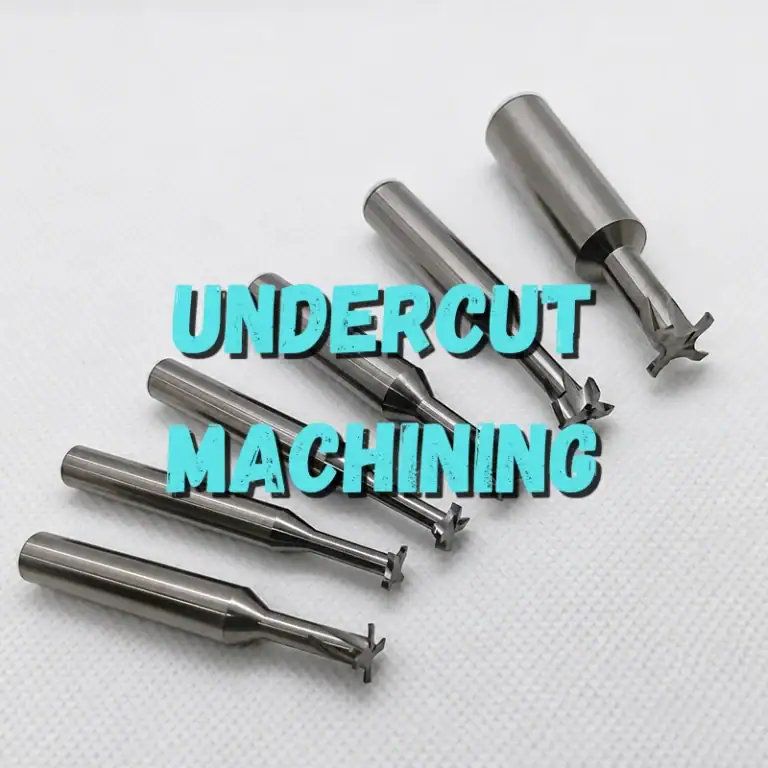
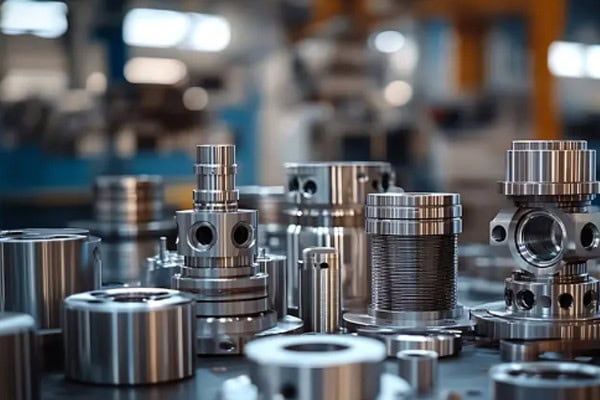
The biggest feature of complex parts is their diverse geometry. Many areas cannot be easily reached by standard cutting tools, such as deep grooves, angled surfaces, complex curves, and internal structures.
- Multi-surface structures increase machining difficulty, because the part may need to be processed from different angles to achieve the required results.
- Complex curved surfaces require stronger control capability, as tool movement must be highly accurate to avoid visible machining marks.
- Deep cavity structures create tool limitations, where tool interference or insufficient rigidity may occur during machining.
For these types of parts, relying only on traditional machining methods often results in lower efficiency. By properly planning the machining process and combining advanced equipment, manufacturers can reduce repeated operations and improve overall part quality.
High Precision Requirements Make Dimensional Control More Difficult
Complex structural parts are often used in high-demand industries, where dimensional accuracy and assembly performance are critical. A part may only have a few additional design features, but every small detail can affect the final performance.
- Small dimensional errors can affect assembly, especially for precision-fit components where even minor deviations may influence performance.
- Error accumulation can occur during machining, especially when multiple setups and repositioning operations are required.
- Material changes may affect accuracy stability, as different materials can deform during processing.
Precision machining focuses not only on achieving final dimensions but also on controlling the entire manufacturing process. Through proper process design and inspection methods, manufacturers can reduce errors and improve the stability of complex part production.
Balancing Efficiency and Manufacturing Cost
Complex part machining is not simply about making the process as fast as possible. In many cases, manufacturers need to find the right balance between accuracy, efficiency, and cost. Excessive focus on speed may reduce quality, while unnecessary pursuit of extreme precision may increase manufacturing expenses.
- Machining steps need to be properly arranged to avoid unnecessary repeated operations.
- Tool selection affects production efficiency, as suitable tools can reduce wear and improve machining stability.
- Equipment selection influences overall cost, and choosing the right process is often more important than using the most advanced machine.
For manufacturers, a good machining solution is not about using the most complicated equipment, but about selecting the right method based on part requirements to achieve stable and cost-effective production.
What Are the Common Machining Methods for Complex Structural Parts?
Different types of complex parts require different manufacturing approaches. There is no single machining method that can solve every challenge. In actual production, manufacturers usually select or combine processes based on part materials, structural characteristics, and precision requirements. Understanding common machining methods helps customers choose a more suitable manufacturing solution.
Multi-Axis CNC Machining
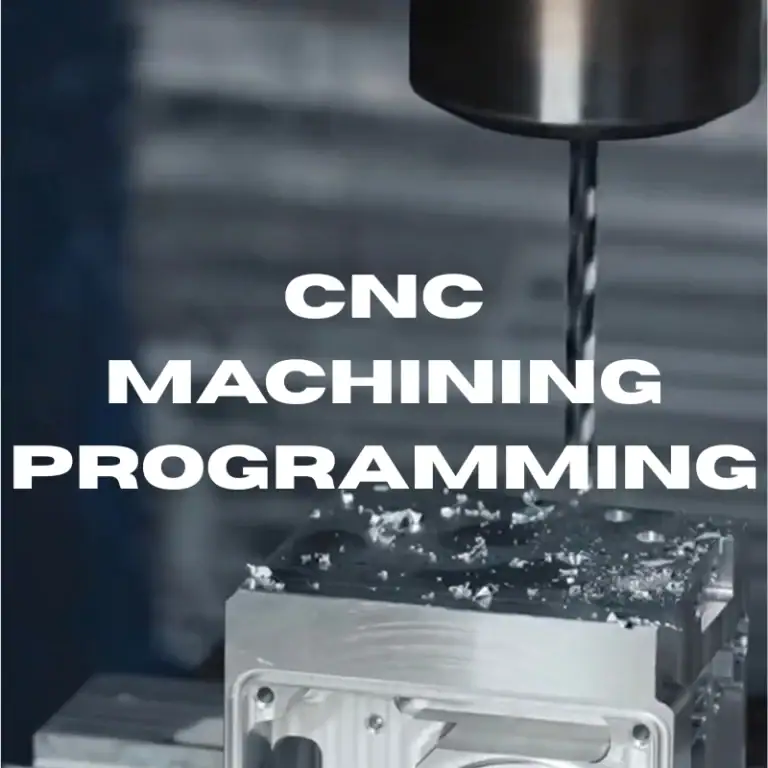
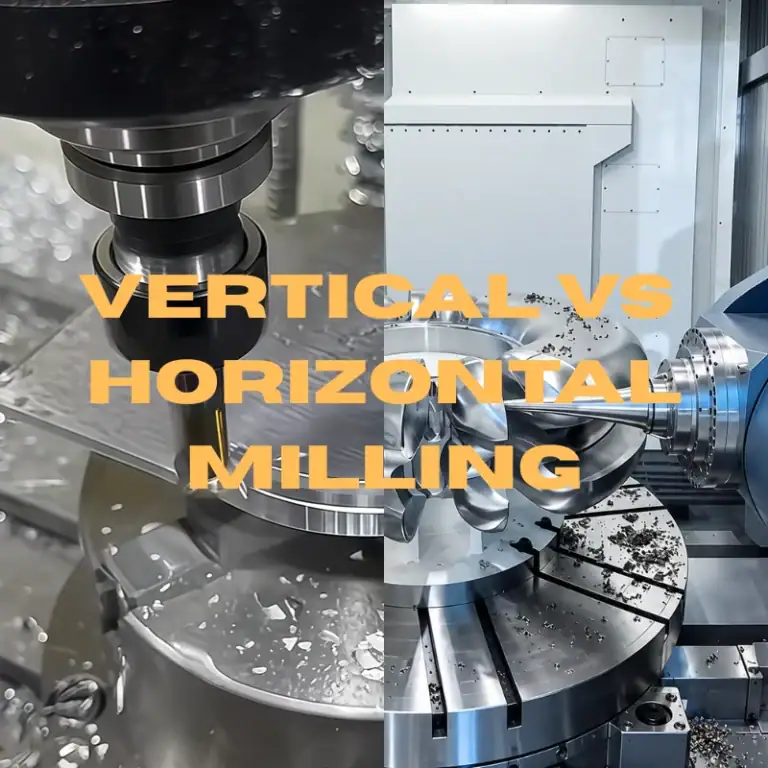
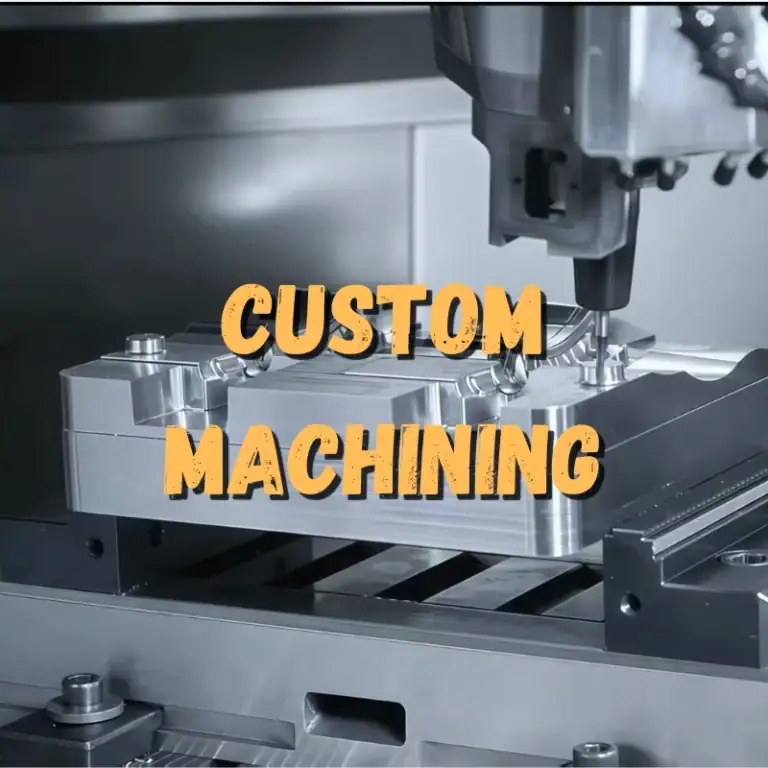
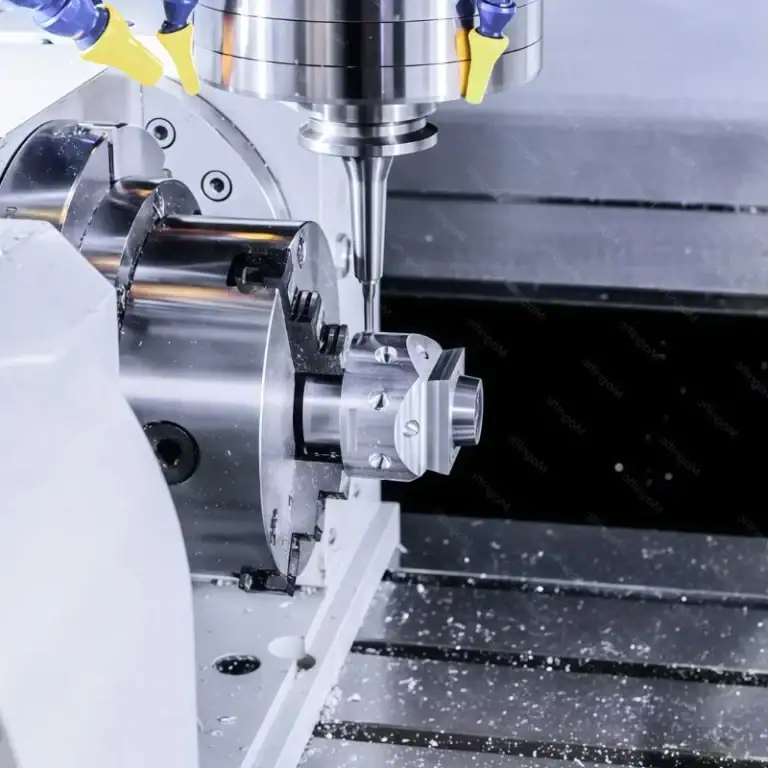
Multi-axis CNC machining is one of the most widely used methods for complex structural parts, especially components that require machining from multiple directions. Compared with traditional three-axis equipment, multi-axis machining allows tools to approach the workpiece from more angles and reduces the number of setups.
- Reduces repeated positioning errors, improving overall part consistency.
- Suitable for complex curved surface machining, meeting high-precision shape requirements.
- Improves machining efficiency, reducing process transitions between operations.
Multi-axis CNC machining significantly improves the manufacturing capability for complex parts and is widely used in aerospace, medical, and advanced industrial component production.
Electrical Discharge Machining (EDM)
For high-hardness materials or areas that are difficult for cutting tools to reach, electrical discharge machining provides an effective solution. Instead of traditional cutting forces, EDM removes material through electrical sparks, making it suitable for special structures.
- Suitable for deep grooves and fine structures.
- Can process high-hardness materials.
- Reduces deformation risks caused by mechanical cutting forces.
EDM is often combined with CNC machining. CNC machining can complete most of the material removal, while EDM handles difficult details, allowing manufacturers to achieve both efficiency and accuracy.
Precision Grinding
For complex parts requiring extremely tight tolerances, grinding is often used as a final finishing process. It helps improve dimensional accuracy and surface quality, allowing parts to meet stricter requirements.
- Improves surface finish quality.
- Enhances critical dimensional accuracy.
- Suitable for high-precision fitting components.
Although grinding removes only a small amount of material, it plays an important role in improving final part performance, especially for components requiring high precision.
What Key Factors Should Be Considered in Precision Machining of Complex Parts?
Machining complex parts depends not only on equipment but also on whether the entire manufacturing process is properly planned. From initial analysis to machining and final inspection, every stage can influence the final result. Many machining problems are not caused by the machine itself, but by insufficient process planning before production begins.
Structural Analysis Before Machining
Before machining starts, manufacturers need to fully understand the part design, including material characteristics, difficult machining areas, and critical dimensional requirements.
- Analyze difficult-to-machine areas and plan the machining sequence in advance.
- Determine proper clamping methods to reduce movement errors during processing.
- Develop suitable machining paths to improve overall production efficiency.
Good preparation helps reduce trial-and-error during manufacturing and makes complex part production smoother.
Controlling Details During Machining
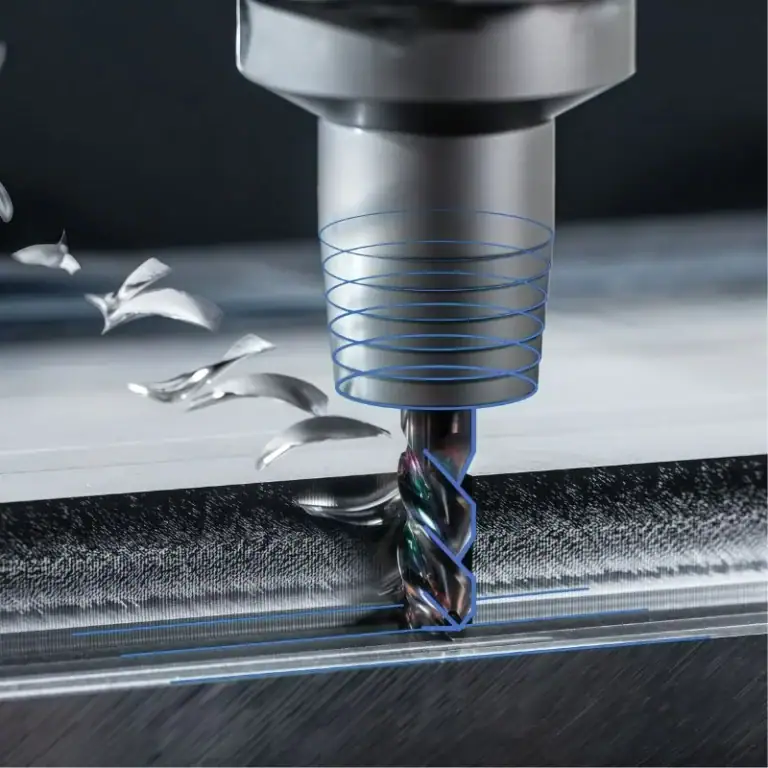
During complex machining, many small factors can affect the final result. Tool condition, machining parameters, and equipment performance all require continuous monitoring.
- Adjust machining parameters when necessary to maintain stable cutting conditions.
- Monitor tool wear regularly to prevent accuracy issues.
- Control machining conditions to reduce the impact of external factors.
The core of precision machining is controlling every detail. Only by managing each stage properly can complex parts achieve the required specifications.
Strict Inspection After Machining
Complex structural parts are often used in critical equipment, so comprehensive inspection is necessary after machining to confirm that the parts meet requirements.
- Check dimensional accuracy to ensure compliance with technical drawings.
- Inspect surface quality to identify machining defects.
- Verify assembly performance to ensure reliable operation.
A complete inspection process reduces quality risks and provides stronger assurance for stable part delivery.
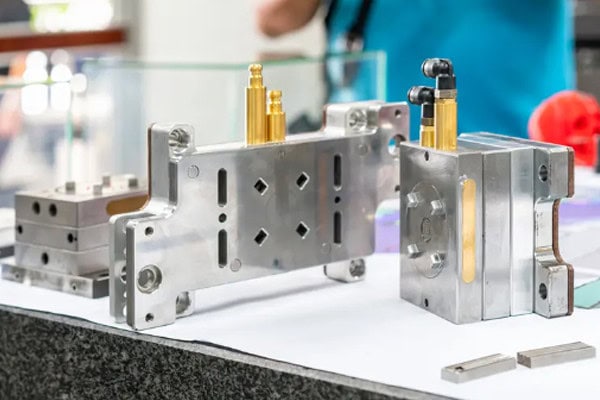
How Do You Choose the Right Machining Solution for Complex Parts?
When manufacturing complex structural parts, the best solution should not be chosen only based on equipment level. Instead, companies need to consider part structure, material characteristics, production volume, and final application requirements. Selecting the right machining method helps maintain quality while improving manufacturing efficiency.
Select the Process Based on Part Structure
Different structures require different machining capabilities. The complexity of the design directly determines the equipment and processes needed.
- Curved and multi-angle parts are suitable for multi-axis CNC machining.
- Small and detailed structures may require specialized machining methods.
- High-precision components often require combined machining and inspection processes.
Choosing the right process according to structural characteristics helps avoid repeated adjustments and improves production efficiency.
Adjust Processes According to Material Characteristics
Different materials have different machining behaviors. Aluminum alloys, stainless steel, titanium alloys, and other materials require different machining strategies.
- Soft materials require deformation control.
- Hard materials require careful tool wear management.
- Special materials require optimized machining paths.
Matching machining methods with material properties improves stability and reduces manufacturing risks.
Plan the Solution According to Production Requirements
Production volume also affects machining decisions. Different order sizes require different manufacturing strategies.
- Small-batch production requires flexible machining solutions.
- Mass production focuses on efficiency and consistency.
- Customized parts require strong process adjustment capability.
Proper production planning helps reduce costs while maintaining the quality of complex structural parts.
Complex structural part machining is not simply a cutting process; it requires the combination of equipment, manufacturing processes, and experience. Through multi-axis CNC machining, EDM, grinding, and strict inspection methods, manufacturers can effectively solve challenges related to accuracy and efficiency. Tirapid specializes in precision machining services, providing complex structural part machining solutions to help customers achieve high-precision and reliable customized manufacturing.