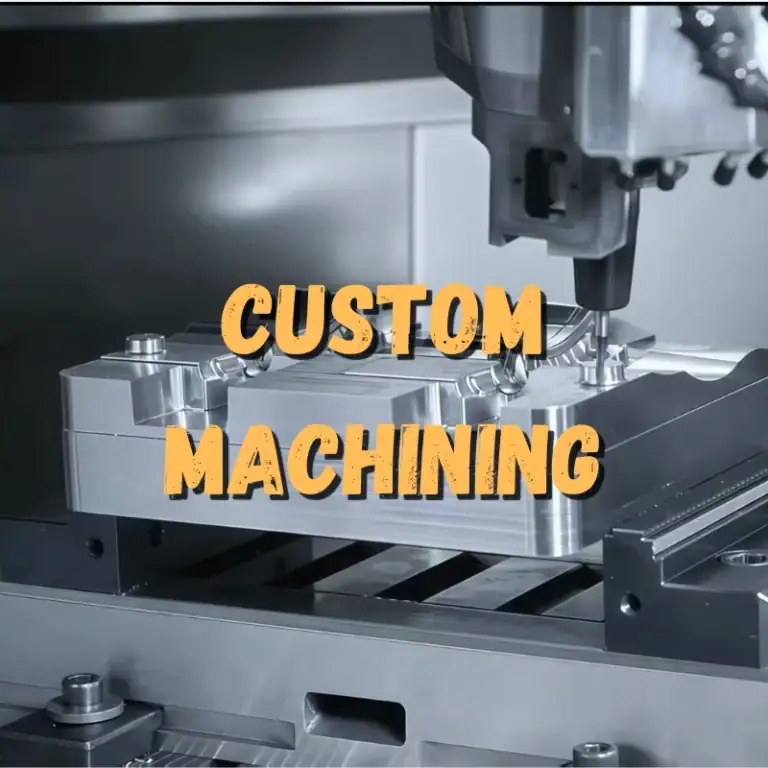
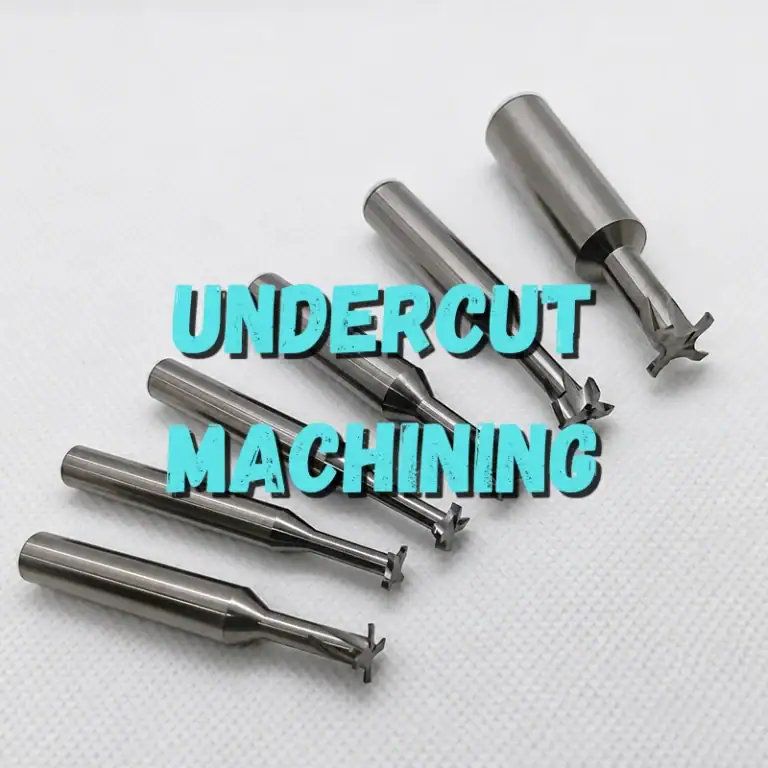
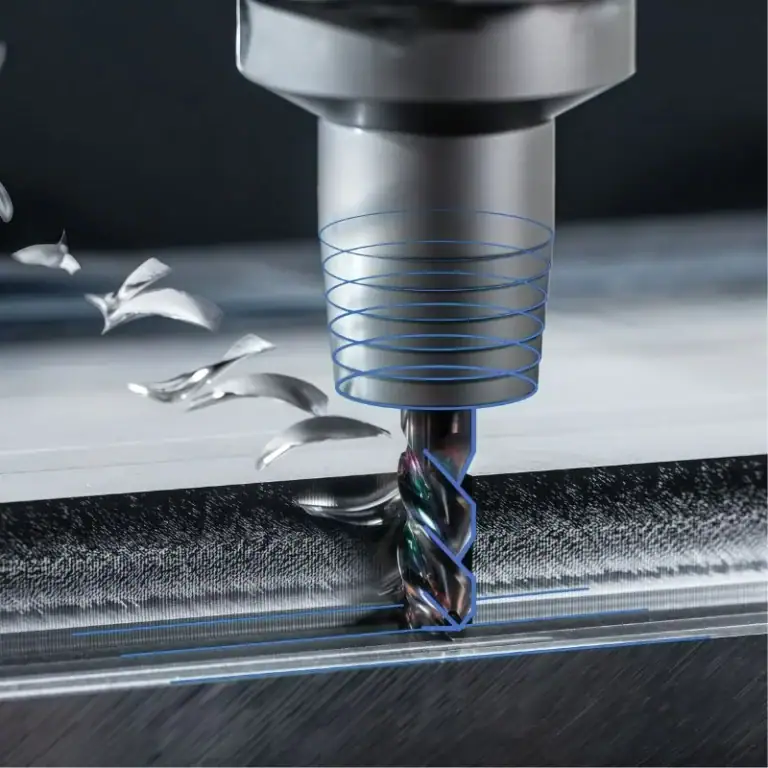
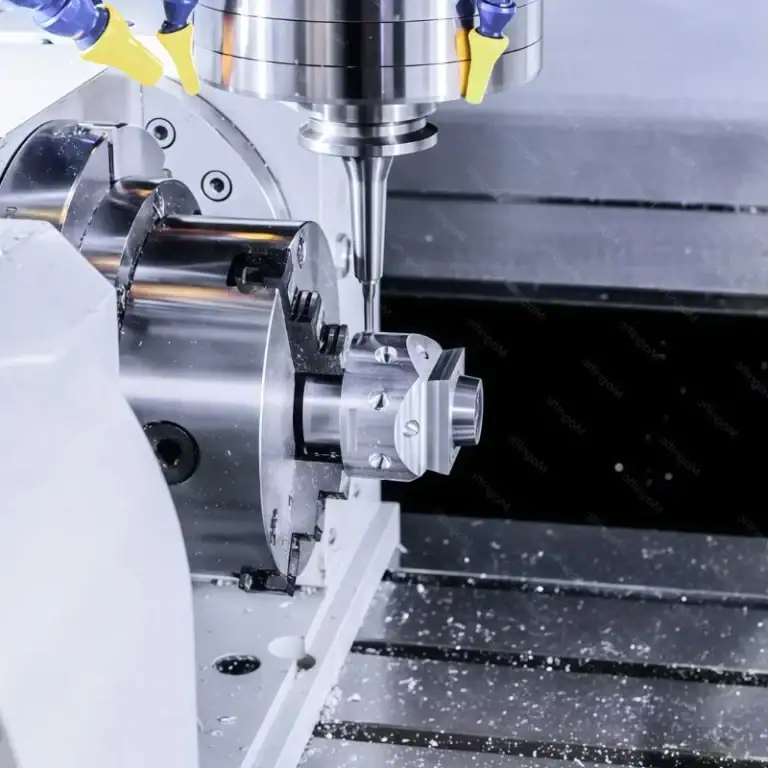
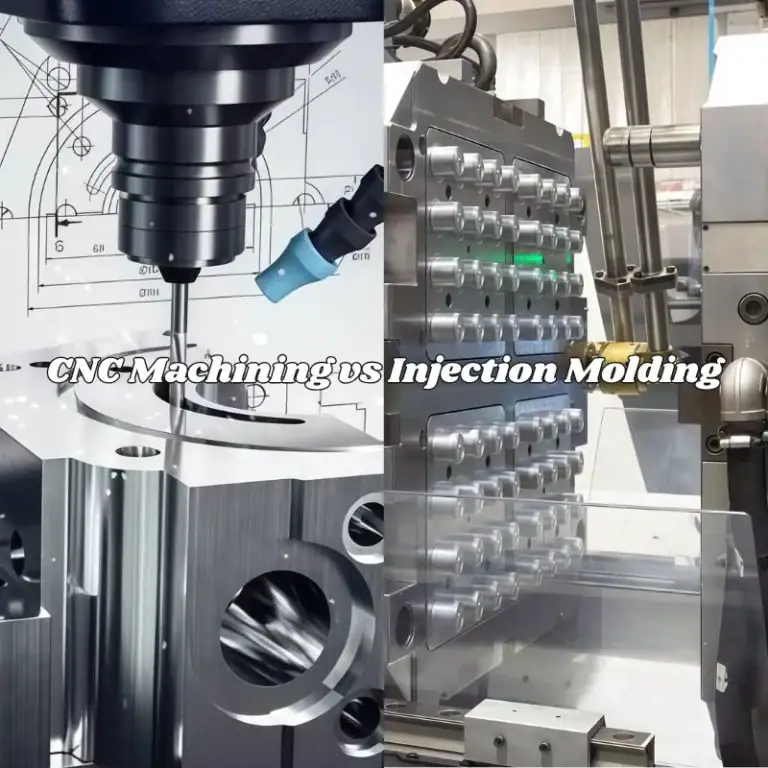
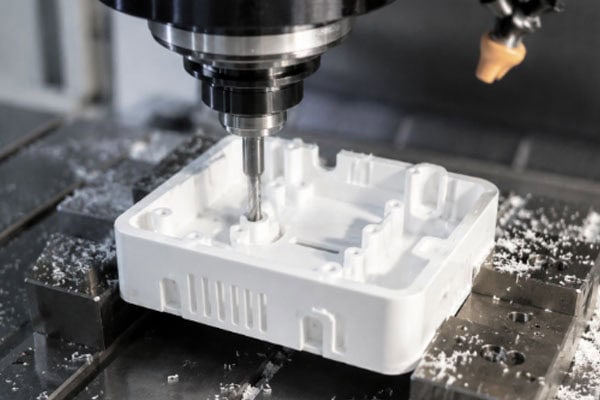
A charger housing is a functional structural component that must simultaneously satisfy requirements for electrical safety, heat dissipation, assembly accuracy, and visual quality. Compared with the traditional injection-molding route, CNC machining offers a more flexible alternative for charger housing development and small-batch production. No mold is needed, and there is no waiting for mold trials or modifications. Once the design is confirmed, the part can go directly to the machine, and a finished housing ready for testing and assembly can be in hand within days.
Mold-Free Manufacturing, Shorter Development Cycles
Direct implementation from design to finished product
For injection-molded housings, the journey from finalized design to the first sample typically involves mold design, steel procurement, rough machining, finish machining, mold trials, and mold adjustments—a process that generally takes four to eight weeks, or longer for complex molds. CNC machining eliminates every mold-related step. Once the design drawing is approved, toolpaths are generated directly, and the part is ready for machining. For projects that need rapid structural validation, regulatory certification samples, or exhibition prototypes, this time difference can often dictate the project schedule.
Design Iterations Are Not Constrained by Tooling
Once an injection mold is completed, the scope for subsequent structural changes is very limited. Adding a snap-fit or relocating an opening may require welding and re-cutting the mold, or even remaking an insert. CNC machining imposes no such constraint. Each design iteration requires only a modification to the 3D model and an updated machining program. The physical cost of the change is zero, and the number of iterations is unrestricted. During development, charger housings frequently undergo adjustments to PCB mounting points, ventilation layouts, and assembly snap-fits; CNC’s flexibility is particularly valuable in these iterative optimization scenarios.
Material Selection That Meets Electrical Safety Requirements
Matching Flame-Retardant Grades to Materials
Charger housings are subject to electrical safety standards that impose clear requirements on the flame-retardant rating of the material—most commonly UL 94 V-0, with V-1 or V-2 required in some applications. CNC machining can use flame-retardant PC, flame-retardant ABS, and PC/ABS alloys that meet the relevant regulatory grades, and the material selection space is broader than for injection molding. Injection molding must consider whether the material’s flow characteristics are sufficient for thin-wall filling; CNC machining is not constrained by mold-filling behavior—as long as the sheet meets the required specification and grade, it can be used.
Characteristics of commonly used shell materials
Flame-retardant PC—the most widely used material for charger housings. Achieves a V-0 flame-retardant rating, with good heat resistance (Vicat softening temperature above 140 C) and stable dimensions across the charger’s operating temperature range. PC’s impact resistance ranks among the top tier of engineering plastics, delivering good performance in housing drop tests.
PC/ABS alloy—combines the heat resistance and flame-retardant properties of PC with the good surface finish and machinability of ABS. CNC-machined PC/ABS yields a finer surface more readily than pure PC, and its cost is slightly lower. It is an excellent value choice for charger housings.
Flame-retardant ABS—lower in cost than PC and PC/ABS, capable of meeting V-0 flame-retardant requirements. Suitable for low-power charger housings where heat resistance demands are less stringent. Offers a good machined surface and accepts subsequent finishing processes such as painting and screen printing readily.
Structural Accuracy and Assembly Fit
Capability for Precision Mating Features
Features on a charger housing such as PCB mounting bosses, snap-fit holes, ventilation grilles, and USB port openings all demand good positional accuracy and dimensional consistency. CNC machining can reliably hold the positional tolerances of these features within +/-0.05 to +/-0.1 mm, ensuring accurate PCB positioning and port alignment after assembly. The fit clearance of snap-fit structures can be fine-tuned by adjusting finishing parameters, something that in injection molding requires repeated mold debugging.
Positioning Accuracy in Multi-Face Machining
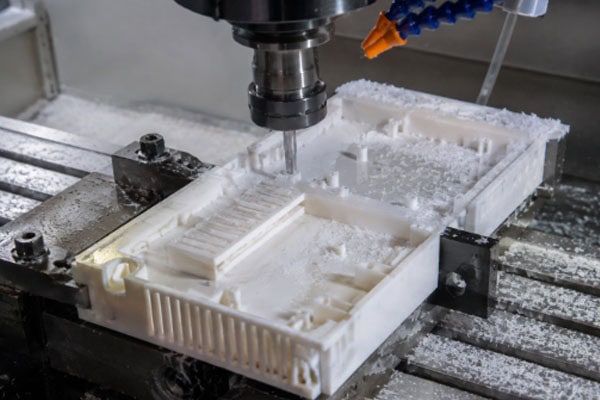
A charger housing typically consists of upper and lower shell halves with mating features. Locating lips, screw bosses, and alignment pin holes must be machined on multiple faces. Four-axis CNC machining can complete multi-face machining in a single setup. The mating features of the upper and lower shells are free from the cumulative positioning errors that arise from multiple setups, resulting in better joint-line uniformity and overall consistency compared with multi-setup three-axis machining.
Surface Finish and Appearance Customization
As-Machined Surface Results
The surface of a CNC-machined plastic part is not as smooth as that of an injection-molded part, but with appropriate parameter selection—sharp tooling, suitable spindle speed and feed rate—a reasonably fine matte surface can be obtained directly. For charger products pursuing an industrial or tech-oriented aesthetic, the uniform tool-mark pattern from CNC machining can itself serve as a design language and may not require further treatment.
Post-Processing to Expand Appearance Options
If a specific surface effect is required, CNC-machined housings can undergo further post-processing. Common methods include: surface blasting to achieve a uniform matte texture; matte or gloss painting to alter color and tactile feel; laser marking for brand identification and parameter information; and chemical polishing (caution required for PC) to enhance surface gloss. CNC-machined surfaces accept coatings more readily than injection-molded surfaces, because the micro-texture left by cutting acts as a natural adhesion promoter for paint and coatings.
Cost Considerations in Small-Batch Production
The Economics of Zero Tooling Investment
Injection mold costs range from tens of thousands to over a hundred thousand RMB, depending on mold structure and cavity count. This fixed cost must be amortized over the production volume. When annual charger housing volumes are in the low thousands, the mold cost per part can exceed the unit cost of CNC machining. CNC machining involves no mold investment; the total cost in small-batch production consists of material and machining time alone, eliminating concerns over fixed-cost recovery. This makes CNC particularly suited to new product trial runs, customized orders, and regional small-batch supply.
Production Volume Flexibility
Injection molding carries a minimum-order-quantity constraint; below a certain volume, mold makers may decline the order, or the amortized unit price becomes uncompetitive. CNC machining has no minimum order quantity. A customer can order just a few dozen sets for internal testing, or ramp up to a few hundred sets for market release as needed. Volume changes do not affect the unit cost, and the flexibility in production planning is something injection molding cannot easily match. Charger products typically go through trial-production validation and small-batch market testing before entering stable volume production, and CNC machining aligns well with both of these stages.
Frequently Asked Questions
Can CNC-machined charger housings meet UL 94 V-0 flame-retardant requirements?
Yes, provided the sheet material itself holds the corresponding flame-retardant certification. CNC machining does not alter the material’s flame-retardant properties. V-0-rated flame-retardant PC sheet is readily available from mainstream material suppliers in thicknesses ranging from 1 mm to 10 mm. One point to note during machining is that flame-retardant PC is slightly more brittle than standard PC; cutting parameters should be adjusted accordingly to reduce edge chipping.
Is there a noticeable visual difference between CNC-machined and injection-molded housings?
There is a difference, but it is an acceptable one. CNC-machined surfaces carry a slight cutting texture, whereas injection-molded part surfaces are a replica of the mold surface, so the two differ in both tactile feel and visual appearance. If the product positioning calls for an injection-molding-grade surface finish, a combined blasting and painting treatment after CNC machining can achieve a comparable appearance. A growing number of consumer electronics brands are actually embracing the distinctive texture of CNC-machined finishes on premium products.
Conclusion
The advantages of CNC machining in plastic charger housing manufacturing are concentrated in several areas: short development cycles with no mold wait time and flexible design iteration; broad material choice with flame-retardant grades and mechanical properties matched to requirements; stable assembly fit accuracy with tight control over precision features such as USB ports and snap-fits; and a rich palette of surface-finishing options, from as-machined textures to a wide range of post-processing effects. For charger products at the R&D stage, the pre-production stage, or with annual volumes in the low thousands of sets, CNC machining represents an excellent value alternative to injection molding. If you need charger housing machining services, please send your product drawings or 3D models, and the TiRapid team will provide a free manufacturability analysis and machining quotation.