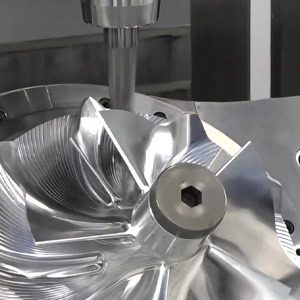
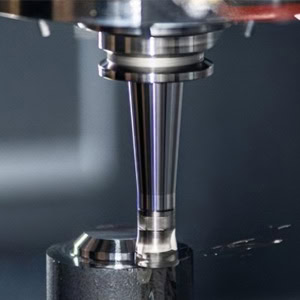
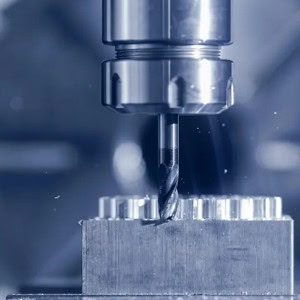
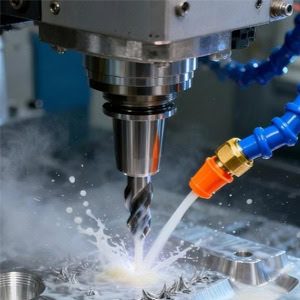
For difficult-to-machine materials such as titanium alloys, superalloys, and stainless steel, tool consumption is an important factor affecting CNC milling costs. Conventional full-width cutting tends to generate high cutting forces
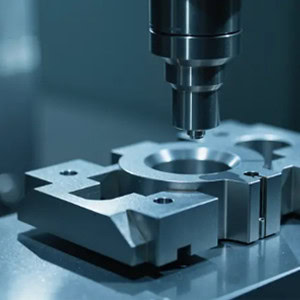
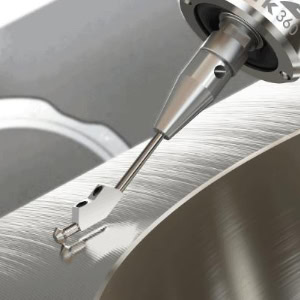
In many high-precision equipment systems, a part surface may look simply “flat,” but the actual machining requirements can be extremely strict. Components such as mounting bases, positioning plates, mold parts,
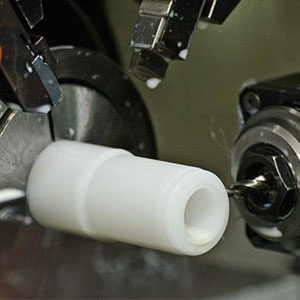
Plastic thread machining is a relatively common precision machining process in CNC machining. It is widely used in mechanical parts, electronic equipment, medical devices, automotive components, and industrial equipment. Compared
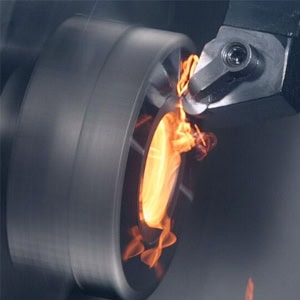
Blackening, blue discoloration, yellowing, or other abnormal color changes on the surface of CNC-turned components are common issues in machining production, particularly when processing stainless steel, alloy steel, carbon steel,
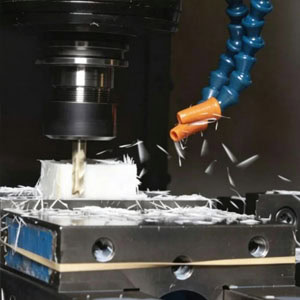
Carbon fiber composites are widely used in aerospace, automotive, drones, medical devices, and high-end equipment manufacturing due to their high strength, lightweight properties, and excellent corrosion resistance. However, during CNC
In precision machining, many parts may appear to meet requirements after processing, but problems such as dimensional changes, deformation, or reduced accuracy can occur during later assembly or long-term operation.
Inspection is an essential part of CNC turning because it verifies dimensional accuracy, geometric accuracy, surface quality, and overall machining stability. For shafts, sleeves, flanges, threaded components, precision connectors, and
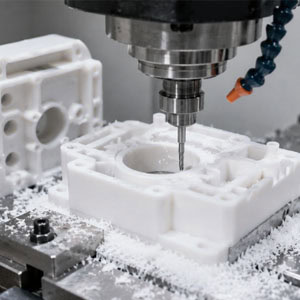
White plastic parts may develop yellowing, localized yellow discoloration, or differences in color between the machined area and the original material after CNC machining, milling, turning, or drilling. For white
Titanium alloys are widely used in aerospace, medical devices, automotive, and high-end equipment manufacturing due to their high strength, low density, and excellent heat and corrosion resistance. However, these properties
In the manufacturing industry, many parts may not be large in size, but they have very high requirements for material performance and machining accuracy. Internal equipment components such as shafts,
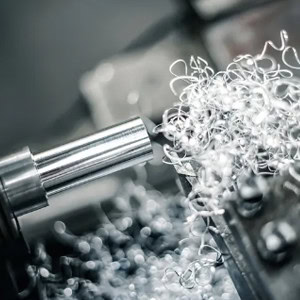
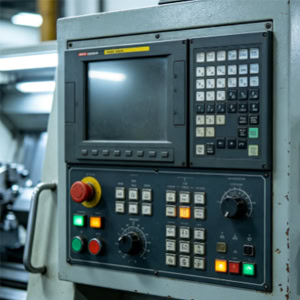
CNC turning equipment is an automated machining system that uses a computer numerical control system to manage machine movements and machining operations. The spindle rotates the workpiece while cutting tools
POM (polyoxymethylene) is a common engineering plastic with good hardness, wear resistance, dimensional stability, and machinability. It is commonly used to machine gears, bushings, sliders, guide components, washers, positioning parts,
Scroll to Top
Your 24 hour quote
Send us a message if you have any questions or request a quote. We will be back to you within 1-2 hours!