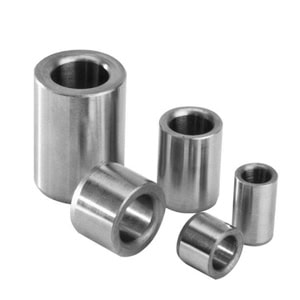
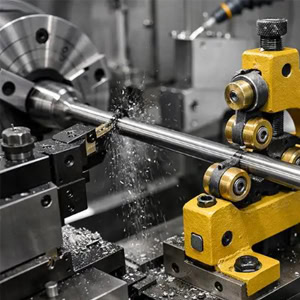
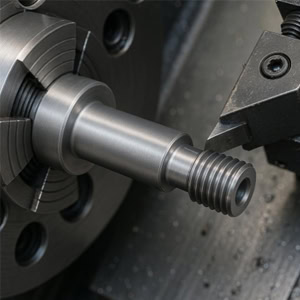
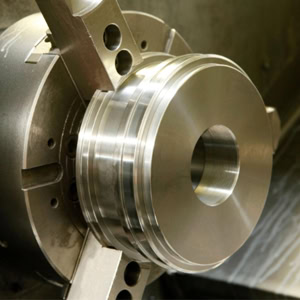
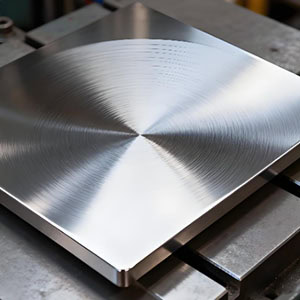
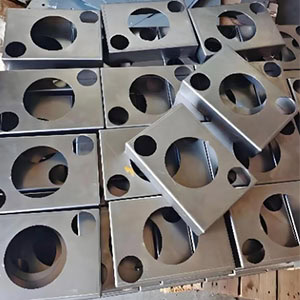
CNC turning of thin-wall sleeves is a common machining task in precision manufacturing, with applications in automation equipment, automotive components, hydraulic systems, medical devices, and precision transmission mechanisms. Compared with
CNC turning surface roughness is one of the most important quality indicators in precision machining. For shafts, sleeves, connectors, threaded components, valve parts, and high-precision rotating components, meeting dimensional requirements
Long shaft components are widely used in industrial robots, automated production lines, automotive transmission systems, hydraulic equipment, and precision rotating mechanisms. As equipment requirements for rotational accuracy, operating stability, and
In precision manufacturing, CNC turning batch production requires more than achieving the dimensional accuracy specified in engineering drawings. Manufacturers must also ensure dimensional consistency, surface quality, and assembly performance across
Deep hole CNC turning is a challenging machining process used for precision shafts, sleeves, hydraulic components, valve bodies, pipe fittings, and other hollow rotational parts. Compared with conventional external turning,
CNC turning concentricity is an important quality requirement in precision shaft machining, especially for transmission shafts, stepped shafts, bushings, precision sleeves, connectors, and other rotational components. When a part contains
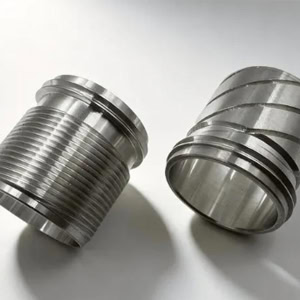
CNC thread turning is an important machining process for manufacturing precision threaded components used in machinery, automotive systems, hydraulic equipment, aerospace components, and industrial automation. By using computerized numerical control
CNC turning tolerances are important technical specifications for engineers, product designers, and purchasing teams sourcing precision mechanical components. Dimensional tolerances, concentricity, roundness, positional accuracy, and surface roughness can directly affect
Metal machining does not always mark the end of the manufacturing process. After CNC machining, turning, milling, stamping, or other manufacturing operations, metal parts may still have machining marks, burrs,
304 and 316 stainless steel are two of the most widely used stainless steel grades in industrial manufacturing, CNC precision machining, mechanical components, and equipment production. Although they look similar,
6061 aluminum is one of the most widely used aluminum alloys in precision CNC machining. It offers a balanced combination of strength, lightweight properties, corrosion resistance, machinability, and cost-effectiveness. These
CNC finishing of plastics is an important machining stage used in the production of plastic parts to improve dimensional accuracy, surface quality, and edge condition. After rough machining, a plastic
Scroll to Top
Your 24 hour quote
Send us a message if you have any questions or request a quote. We will be back to you within 1-2 hours!