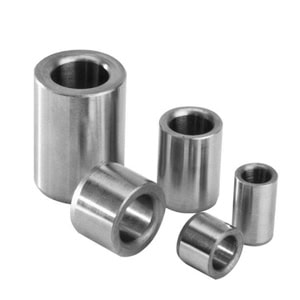
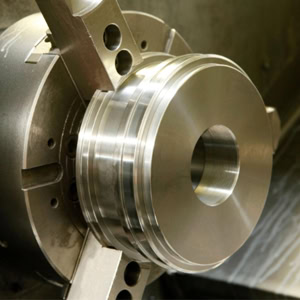
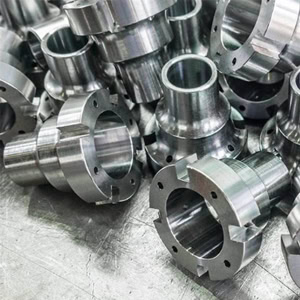
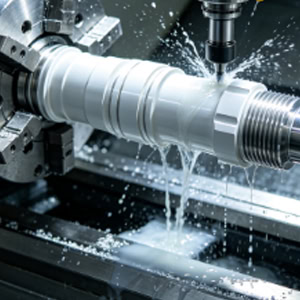
CNC turning of thin-wall sleeves is a common machining task in precision manufacturing, with applications in automation equipment, automotive components, hydraulic systems, medical devices, and precision transmission mechanisms. Compared with
CNC turning surface roughness is one of the most important quality indicators in precision machining. For shafts, sleeves, connectors, threaded components, valve parts, and high-precision rotating components, meeting dimensional requirements
Long shaft components are widely used in industrial robots, automated production lines, automotive transmission systems, hydraulic equipment, and precision rotating mechanisms. As equipment requirements for rotational accuracy, operating stability, and
In precision manufacturing, CNC turning batch production requires more than achieving the dimensional accuracy specified in engineering drawings. Manufacturers must also ensure dimensional consistency, surface quality, and assembly performance across
Deep hole CNC turning is a challenging machining process used for precision shafts, sleeves, hydraulic components, valve bodies, pipe fittings, and other hollow rotational parts. Compared with conventional external turning,
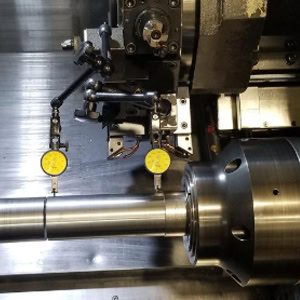
CNC turning concentricity is an important quality requirement in precision shaft machining, especially for transmission shafts, stepped shafts, bushings, precision sleeves, connectors, and other rotational components. When a part contains
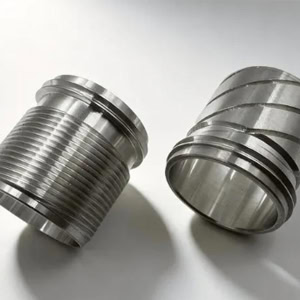
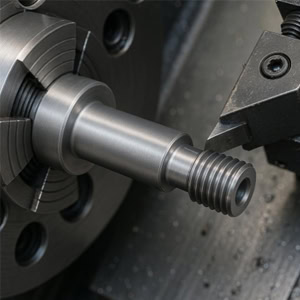
CNC thread turning is an important machining process for manufacturing precision threaded components used in machinery, automotive systems, hydraulic equipment, aerospace components, and industrial automation. By using computerized numerical control
CNC turning tolerances are important technical specifications for engineers, product designers, and purchasing teams sourcing precision mechanical components. Dimensional tolerances, concentricity, roundness, positional accuracy, and surface roughness can directly affect
When sourcing precision mechanical components, CNC turning cost is one of the key factors considered by engineers, purchasing teams, and product development companies. Even when parts have similar dimensions, their
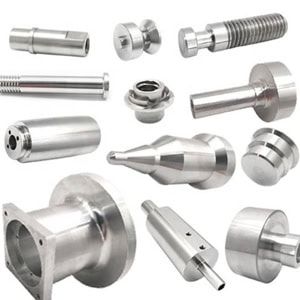
When looking for a CNC turning manufacturer, purchasing teams and engineers usually evaluate much more than machining price. Machining accuracy, prototype lead time, production capacity, material selection, quality inspection, surface
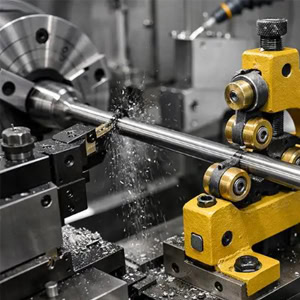
As a core process in modern mechanical manufacturing, CNC turning bears the key responsibility of producing high-precision shafts, discs, and complex rotary components. With increasingly stringent tolerance requirements across the
CNC turning plays a central role in mechanical manufacturing. Balancing high-precision machining with single-piece cost control is a primary focus for engineers and procurement decision-makers across industries. Minor adjustments in
Scroll to Top
Your 24 hour quote
Send us a message if you have any questions or request a quote. We will be back to you within 1-2 hours!