3D printing has made mold prototyping much faster. A complex mold that once required considerable preparation can now be produced quickly for evaluation. However, a printed mold is not necessarily
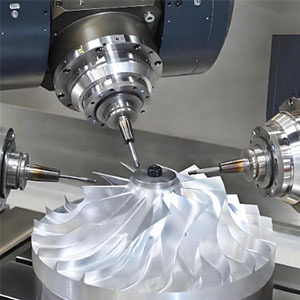
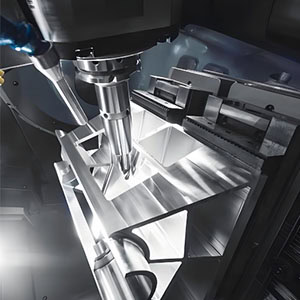
As industries such as aerospace, automotive, medical equipment, robotics, and precision machinery continue to develop, metal parts are becoming increasingly complex. Traditional 3-axis CNC machining can meet the requirements of
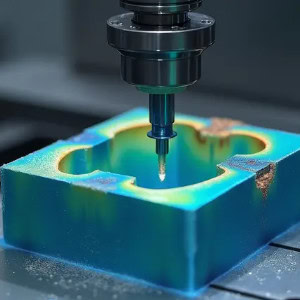
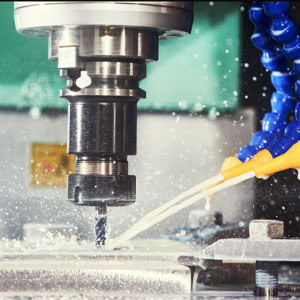
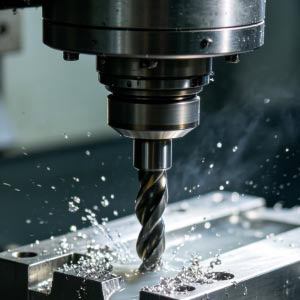
During CNC milling, the cooling method affects not only tool life but also machining efficiency, surface quality, and production costs. Traditional flood cooling can continuously remove a large amount of
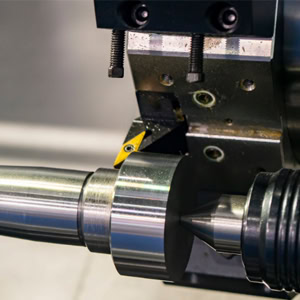
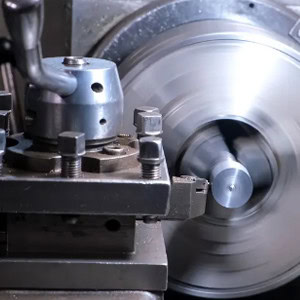
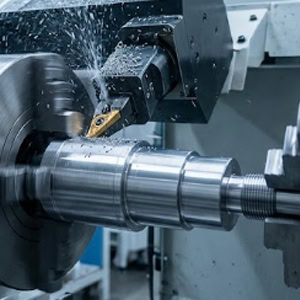
CNC turning is a core process in precision mechanical manufacturing, playing a decisive role in machining cylindrical components. Facing increasingly strict customer tolerances and compressed production schedules, optimizing cutting efficiency
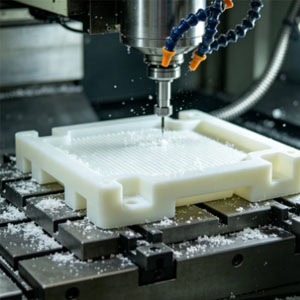
Not having a 3D drawing does not mean that plastic parts cannot be CNC machined. For CNC machining, although a 3D model can visually display the three-dimensional structure of a
When customers send a part drawing to a machining supplier, one question often comes up: should this part be made by precision milling or precision turning? Both are widely used
In CNC metal machining, workpiece setup is often overlooked, yet it has a direct impact on machining accuracy. For simple components, most machining operations can often be completed in a
In CNC metal machining, CNC turning and CNC milling are two of the most widely used manufacturing processes. Both rely on computer-controlled machine tools to produce metal components with high
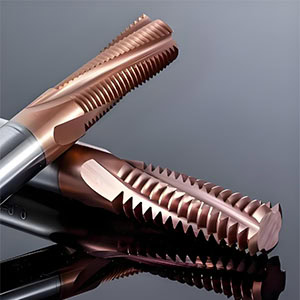
Cutting tools may be small components in metal machining, but they have a direct impact on machining efficiency, dimensional accuracy, surface quality, and production costs. Different metals vary significantly in
CNC machining of plastic parts involves multiple stages, including material selection, machining accuracy, equipment capabilities, and production experience. Different manufacturers vary in machining quality, process control, inspection methods, and service
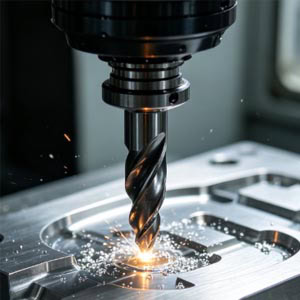
In CNC milling, shortening the tool travel distance is generally regarded as a direct way to improve machining efficiency. A shorter toolpath can reduce machine operating time and some air-cutting
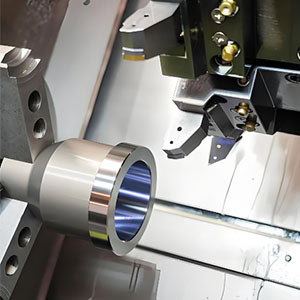
As a cornerstone of precision machinery manufacturing, CNC turning uses computer numerical control to guide cutting tools against rotating workpieces. From aerospace shafts to miniature threads for medical devices, turning
Scroll to Top
Your 24 hour quote
Send us a message if you have any questions or request a quote. We will be back to you within 1-2 hours!