When customers send a part drawing to a machining supplier, one question often comes up: should this part be made by precision milling or precision turning? Both are widely used in precision machining, but they work in very different ways and are suited to different types of parts. Choosing the right process can make machining smoother, keep dimensions more stable, and control production costs. Choosing the wrong one may lead to unnecessary setups, longer machining times, and higher manufacturing costs. The easiest way to tell the difference is to start with the part’s shape, structure, and critical dimensions.
What Is the Difference Between Precision Milling and Precision Turning?
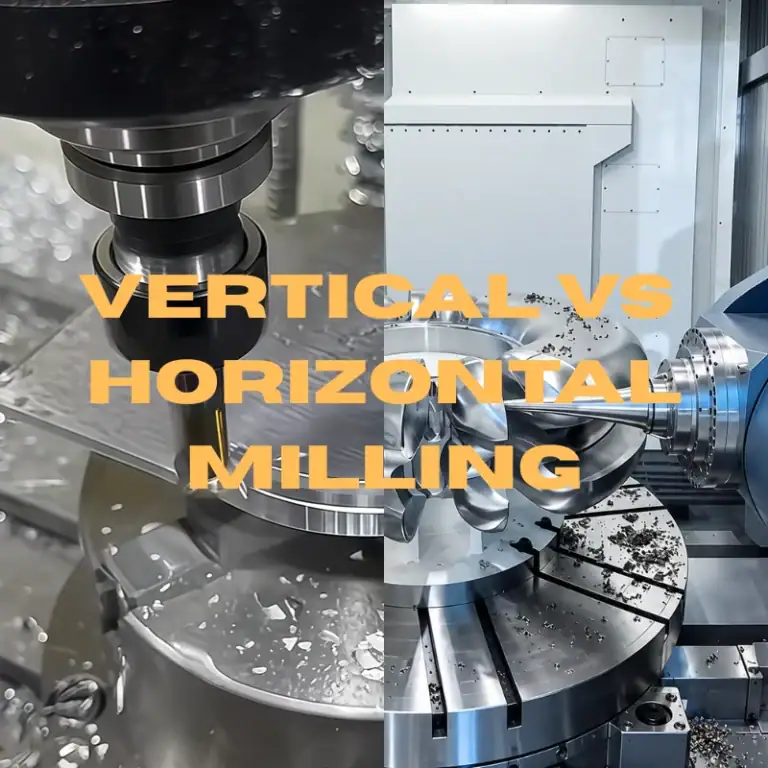
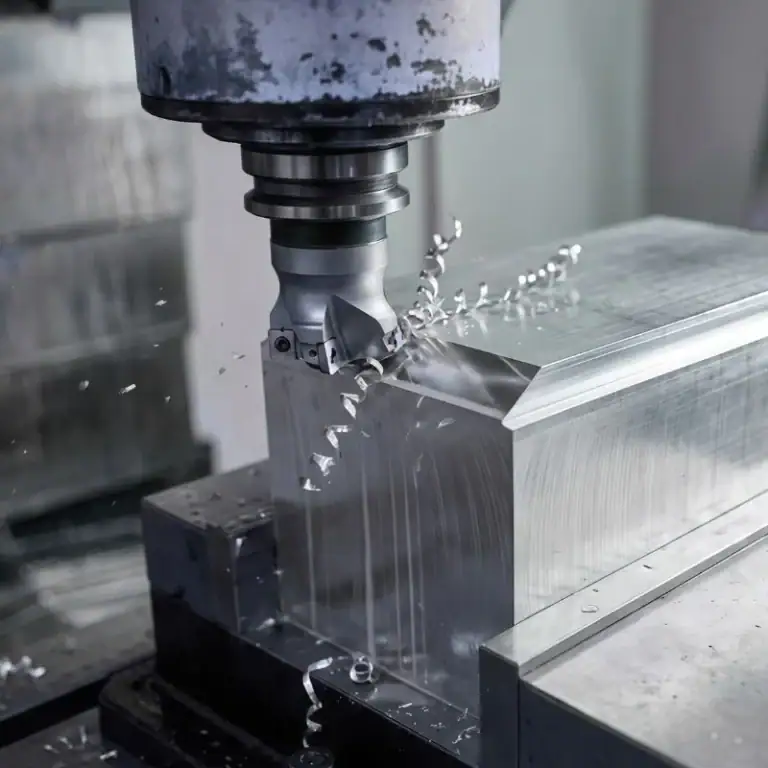
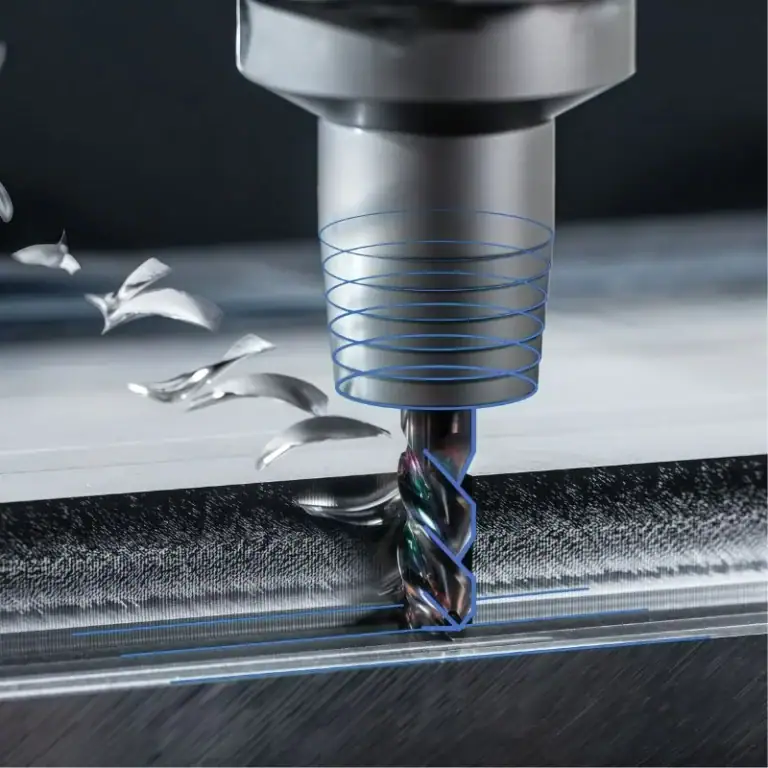
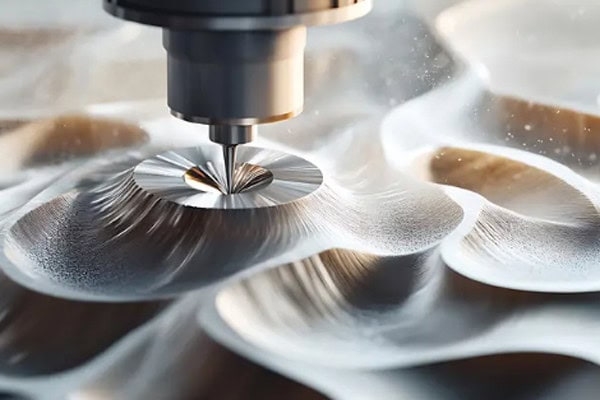
The main difference between precision milling and precision turning is how the cutting process is carried out. In turning, the workpiece rotates while the cutting tool removes material, making it ideal for cylindrical, shaft-type, and rotational components. In milling, a rotating cutting tool moves along different directions to remove material, making it suitable for flat surfaces, slots, holes, curved surfaces, and complex profiles. Both processes can achieve high accuracy, but each has its own strengths.
What Parts Are Mainly Made by Precision Milling?
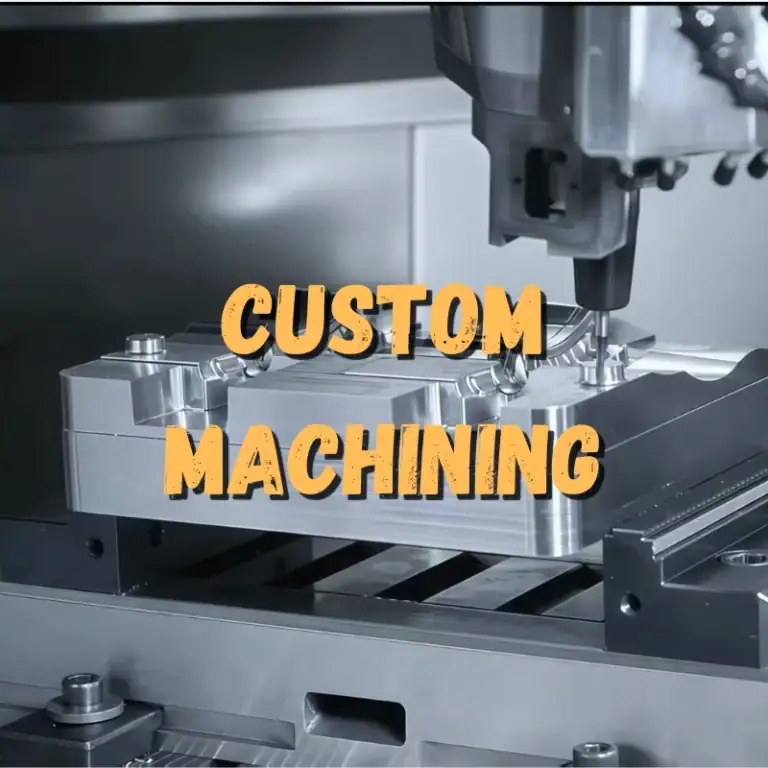
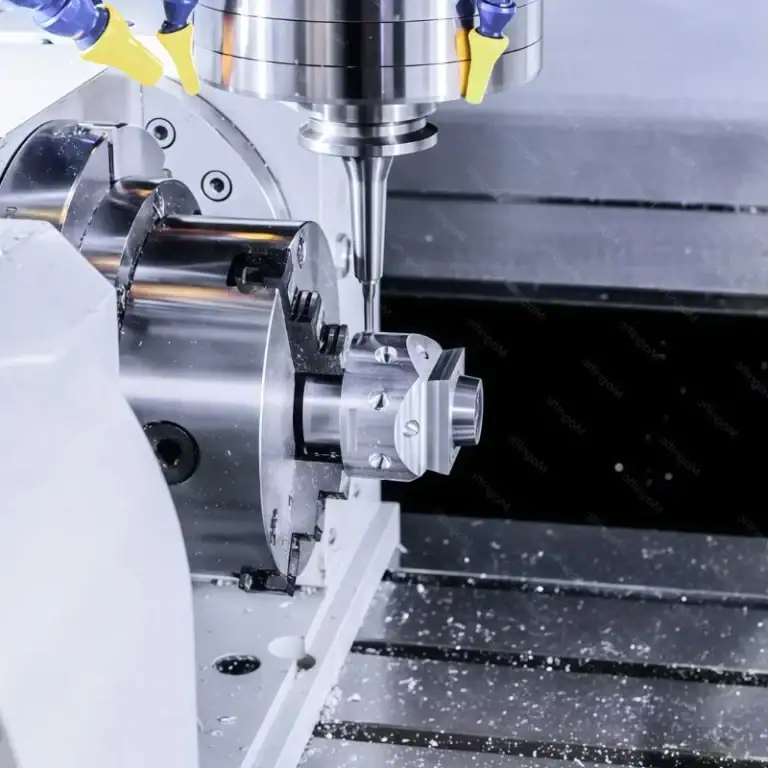
Precision milling offers considerable flexibility, especially when a part has an irregular shape or several machining surfaces. After receiving a 3D model or engineering drawing, the machining team can evaluate the flat surfaces, holes, slots, and curved features before planning the tool path. For relatively small parts with complicated structures, milling is often a practical choice.
Common applications include:
- Mounting plates, brackets, housings, and other structural components can be efficiently produced through precision milling.
- Slots, holes, steps, and complex contours can be machined with greater design flexibility.
- Parts with multiple machining surfaces can be processed through carefully planned setups.
The biggest advantage of milling is its ability to handle a wide range of shapes. If a component is not simply cylindrical and contains multiple flat surfaces, recessed areas, or irregular contours, precision milling is generally more suitable.
What Parts Are Mainly Made by Precision Turning?
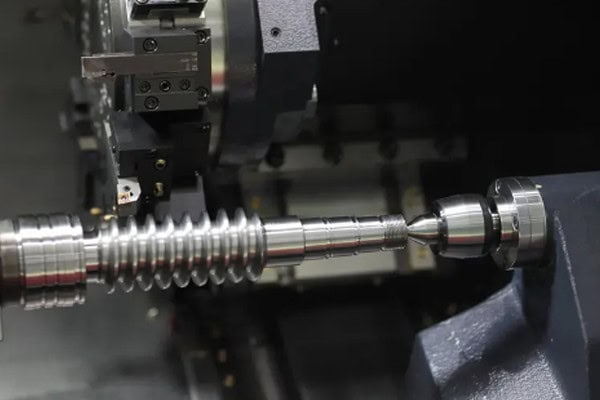
Precision turning follows a relatively straightforward machining principle. The workpiece is clamped to the spindle and rotates at high speed while the cutting tool gradually removes material. It is particularly suitable for shafts, sleeves, pins, threads, grooves, and other rotational components. When the main geometry of a part revolves around a central axis, turning can provide excellent machining efficiency.
Common applications include:
- Precision shafts where diameter, roundness, and concentricity are critical requirements.
- Sleeves and bushings that are well suited to continuous turning operations.
- Threads, grooves, and other rotational features that can be efficiently produced on a lathe.
Turning is highly efficient for cylindrical components. When the same part needs to be manufactured repeatedly, the process also makes it easier to maintain stable dimensions and consistent production cycles.
The Machining Priorities Are Different
Although both processes are part of precision machining, milling and turning focus on different dimensional characteristics. Milling often involves multiple surfaces, hole positions, and complex profiles, while turning places greater emphasis on diameter, roundness, concentricity, and the relationship between rotational surfaces.
The main differences include:
- Milling focuses more on dimensional relationships between multiple surfaces and spatial positioning.
- Turning focuses more on diameter, roundness, and concentricity.
- Some complex components require both machining processes.
Not every part is an either-or decision. A precision shaft with mounting holes and a keyway, for instance, can have its outer diameter completed by turning and then have its keyway machined through milling. Splitting the work between the two processes can make production easier and improve control over critical dimensions.
How Do You Decide Between Precision Milling and Precision Turning?
Looking only at machine names can make the decision seem more complicated than it really is. A better approach is to examine the part’s geometry and function first. If the component is mainly rotational, turning is usually the more straightforward option. If it contains numerous flat surfaces, holes, slots, or irregular profiles, milling often provides greater flexibility. A few practical checks can help customers determine which process is more suitable.
Is the Part Mainly Circular or Rotational?
If a component mainly rotates around a central axis, turning is usually the first process to consider. Shafts, pins, sleeves, and cylindrical connectors are naturally suited to lathe machining.
Look closely at the following features:
- Are the main dimensions based on outer and inner diameters?
- Does the component have obvious rotational geometry?
- Does it contain threads, relief grooves, or other turning features?
For these types of parts, precision turning is usually a direct and efficient choice. There is little reason to use a more complicated milling process when the primary geometry is cylindrical.
Does the Part Have Multiple Flat or Irregular Features?
If a drawing contains many steps, recessed areas, mounting holes, and irregular contours, milling usually has a clear advantage. Equipment mounting plates, precision brackets, and small housings can be difficult or impractical to manufacture using turning alone.
Typical features include:
- Multiple flat surfaces that must maintain accurate dimensional relationships.
- Hole patterns distributed across different directions or surfaces.
- An external profile that is not a regular cylindrical shape.
For these components, precision milling can approach the workpiece from different directions and provide greater freedom when machining complex features.
What Are the Final Accuracy and Assembly Requirements?
Customers are usually less concerned with which machine is used than with whether the finished part will assemble correctly and perform as intended. When two components must fit together precisely, critical dimensions cannot be evaluated independently. Their relationship with other features is equally important.
Key considerations include:
- Whether fitting dimensions remain stable throughout production.
- Whether the positional relationship between holes is accurate.
- Whether critical surfaces meet the specified requirements.
In precision machining, selecting the right process is only the starting point. Fixturing, tool condition, machine stability, and inspection methods can all influence the final result.
Which Is More Accurate: Precision Milling or Precision Turning?
Customers often ask questions such as, “Is turning more accurate than milling?” or “Can milling achieve the same tolerance as turning?” There is no simple answer because machining accuracy depends on the part geometry, material, equipment condition, process planning, and required specifications. When used for the right application, both milling and turning can deliver excellent precision.
Turning Is Better Suited to Rotational Dimensions
For shaft-type components, turning has a natural advantage. The workpiece rotates continuously while the tool follows a controlled path, creating a stable machining process that is particularly effective for controlling outer and inner diameters.
Common advantages include:
- Stable control of shaft diameter.
- Good control of roundness and concentricity.
- High efficiency during continuous production.
When the component is essentially a standard rotational part, turning is often more economical than milling.
Milling Is Better for Complex Spatial Features
Milling often deals with more complicated geometries, but this is also where its flexibility becomes valuable. Because the cutting tool can move in multiple directions, milling can produce many features that are difficult to create through turning. For precision equipment components, the positional relationship between several holes may be just as important as the dimensions themselves.
Typical milling advantages include:
- Suitable for multi-surface machining.
- Capable of producing complex contours and curved surfaces.
- Suitable for mounting holes positioned in different directions.
As part structures become more complicated, milling provides greater freedom to reach and machine individual features.
Accuracy Cannot Be Judged by Process Type Alone
Many factors can affect the final dimensions of a precision-machined component. Even when the selected process is appropriate, unstable fixturing, tool wear, temperature changes, or machine condition can still create dimensional deviations.
Production teams also need to monitor:
- Machine positioning and repeatability.
- Dimensional changes caused by tool wear.
- Machining temperature and workpiece deformation.
For this reason, customers can often get a more useful answer by sending the part drawing to the machining supplier. Engineers can identify the critical dimensions and select the appropriate process instead of simply deciding whether milling or turning is “more accurate.”
Can Precision Milling and Precision Turning Be Used Together?
Yes. In many precision machining projects, milling and turning are used together rather than treated as competing processes. A single component may have a cylindrical body as well as flat surfaces, holes, slots, or other irregular features. Trying to manufacture everything using only one process can make production more difficult. Using each process where it performs best often leads to a more efficient manufacturing route.
Complex Shafts Often Require Both Processes
Some precision shafts are more complicated than a simple round bar. They may include keyways, mounting surfaces, side holes, or irregular sections. In this situation, the rotational features can be completed through turning first, followed by milling for the additional features.
A typical process may include:
- Turning the outer diameter and end faces first.
- Milling the keyway or mounting surface afterward.
- Inspecting the critical fitting dimensions during final inspection.
This division of work allows each machine to handle the features it is best suited for, helping improve machining efficiency and dimensional stability.
Reduce Unnecessary Manufacturing Costs
Using milling for an otherwise simple shaft may not be cost-effective. Likewise, forcing a complex bracket onto a turning machine can make the process unnecessarily complicated. Precision machining is not about choosing the most advanced equipment for every project. It is about matching the manufacturing process to the actual part geometry.
In practical production, the following approach is often more reasonable:
- Consider turning first for rotational features.
- Consider milling first for complex flat and irregular features.
- Use both processes when a component contains both types of geometry.
This approach can reduce unnecessary machining steps and help keep manufacturing costs under control.
The Final Decision Should Start With the Part Drawing
Customers do not need to decide on a machine model before discussing a machining project. The most useful information is usually already shown on the drawing: overall geometry, critical dimensions, material, production quantity, tolerances, and assembly requirements. Once these details are clear, a machining supplier can determine the most appropriate process.
For machining companies, selecting the right process can make production smoother from the beginning. For customers, it can reduce unnecessary trial and error and prevent extra spending on machining capabilities that the part does not actually require.
Precision milling and precision turning are not simply a competition between two machining methods. Each process is designed for different types of components. Cylindrical, shaft-type, and rotational parts are generally well suited to turning, while flat surfaces, slots, holes, and complex irregular structures are better suited to milling. Some advanced components may require both processes to achieve the right combination of accuracy, efficiency, and cost. Tirapid specializes in precision machining services, providing precision milling, precision turning, and custom CNC machining support for customers who need reliable, high-quality manufactured parts.