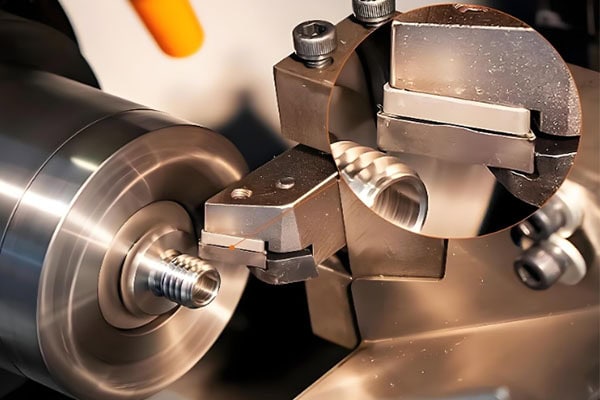
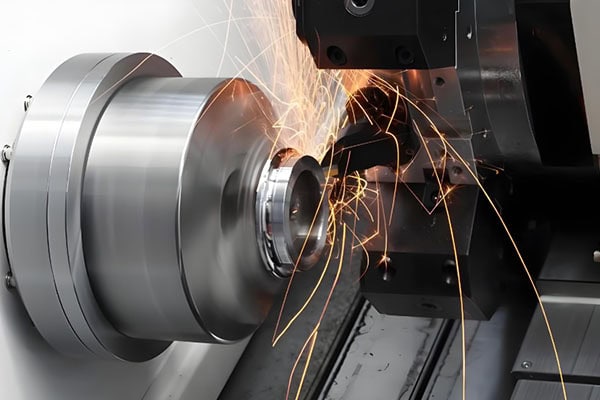
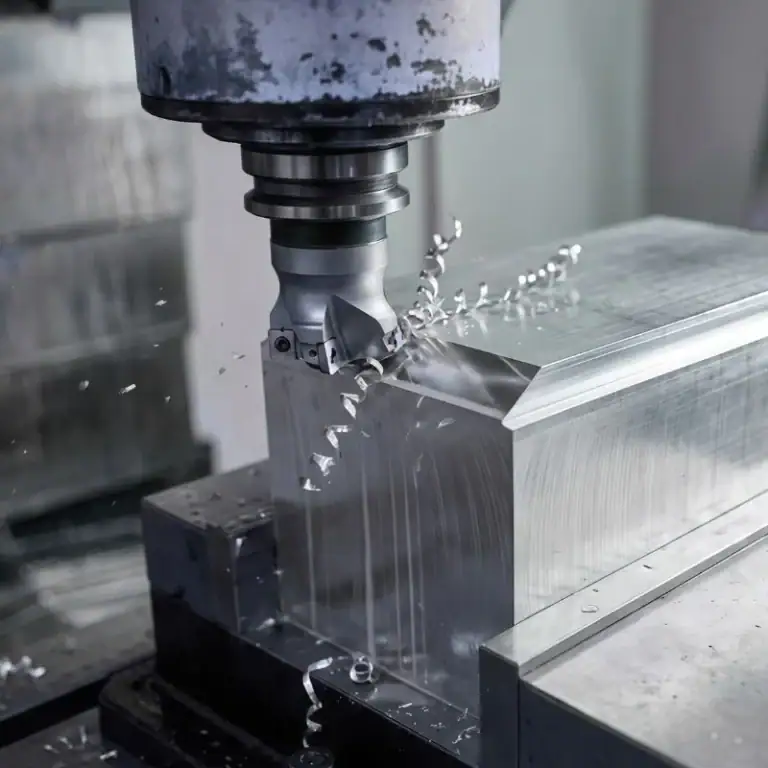
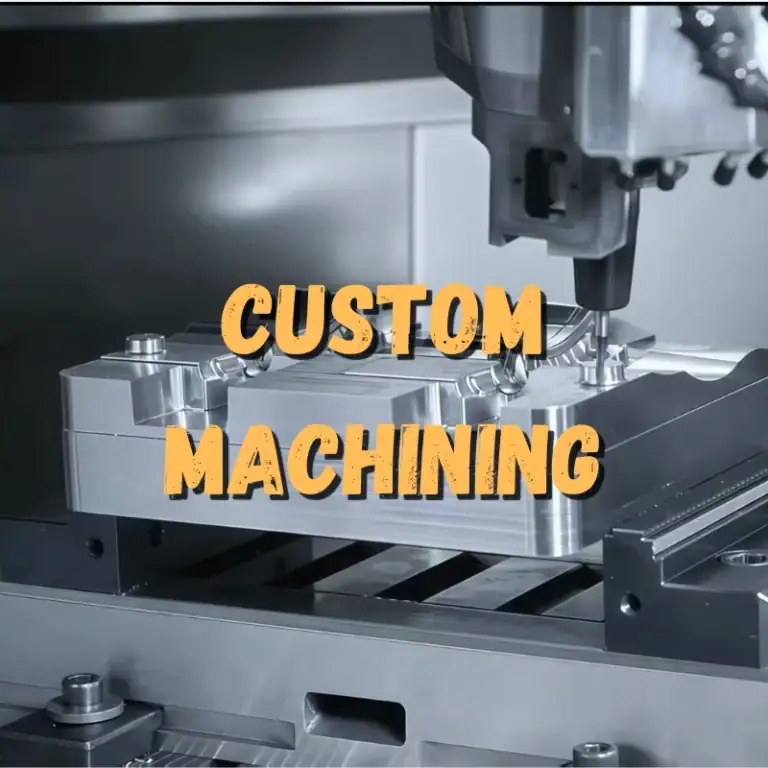
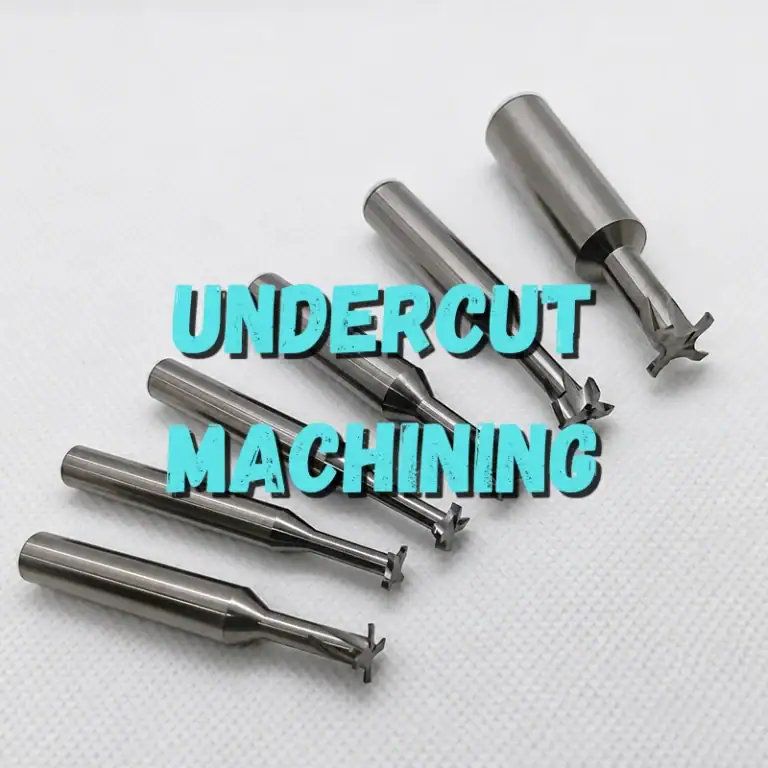
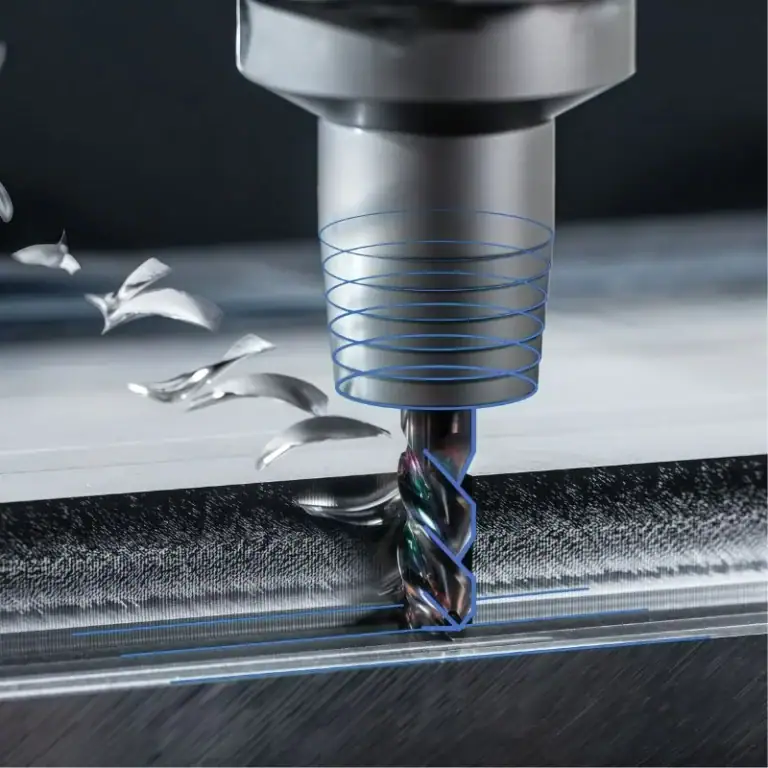
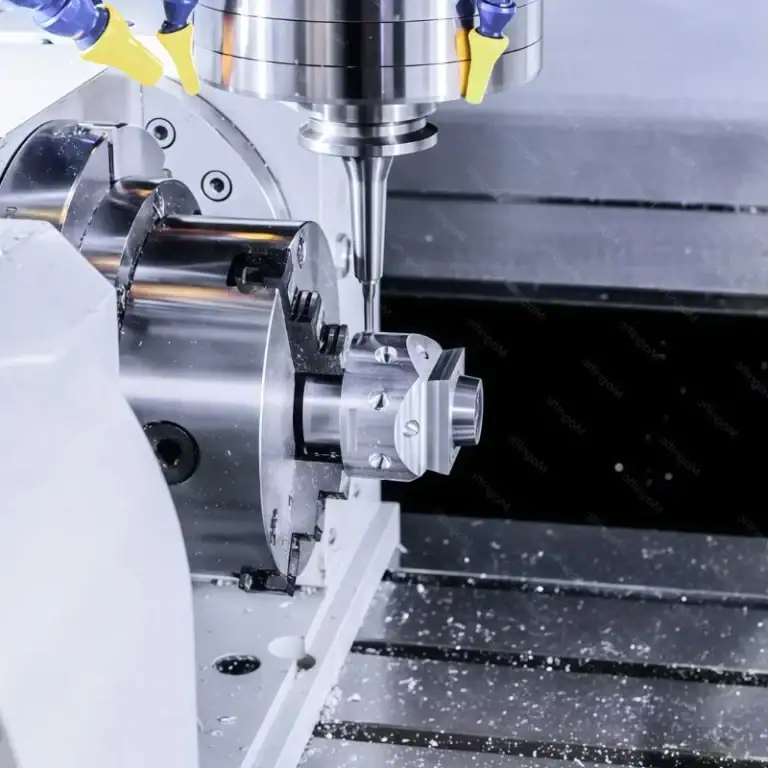
Cutting tools may be small components in metal machining, but they have a direct impact on machining efficiency, dimensional accuracy, surface quality, and production costs. Different metals vary significantly in hardness, toughness, thermal conductivity, and machinability. Choosing the wrong cutting tool can lead to rapid tool wear, built-up edge, workpiece deformation, poor surface finish, or dimensional deviations. For CNC milling, turning, and drilling, selecting the right tool based on material characteristics is essential for stable and efficient machining.
Get 20% offf
Your First Order
Need custom metal and plastic parts?
Why Should Cutting Tools Be Selected Based on Material?
Material Hardness Affects Tool Wear Resistance
Aluminum alloys are generally easy to machine, while stainless steel, titanium alloys, and hardened steels are more challenging. As material hardness increases, cutting tools typically need higher hardness and wear resistance. Carbide tools offer excellent wear resistance and are widely used for machining steel, stainless steel, titanium alloys, and other difficult-to-machine metals.
Thermal Conductivity Affects Cutting Temperature
Aluminum and copper have relatively good thermal conductivity, allowing cutting heat to dissipate more easily. Titanium alloys, on the other hand, have relatively low thermal conductivity, which causes more heat to concentrate around the cutting zone and can accelerate tool wear.
Therefore, tool selection should be combined with appropriate cutting speed, feed rate, and cooling methods for different materials.
Cutting Tool Selection Guide for Different Metal Materials
Aluminum Alloys: Choose Sharp Carbide Tools
Aluminum alloys such as 6061 and 7075 offer excellent machinability and are widely used in high-speed CNC machining. When machining aluminum, the cutting edges should remain sharp to reduce cutting resistance and achieve a better surface finish.
For aluminum milling, high-quality solid carbide end mills with suitable rake angles and efficient flute designs are commonly used. For high-speed machining, specialized aluminum cutting tools can also be selected according to production requirements.
Carbon Steel and Alloy Steel: Carbide Tools Are Commonly Used
Carbon steel and alloy steel are widely used for shafts, gears, connectors, and mechanical components. Standard steels generally have stable cutting characteristics, but as material hardness increases, higher tool wear resistance and machine rigidity are required.
Coated carbide tools are a common choice for CNC machining of steel. For rough machining, tools with good impact resistance and wear resistance are preferred, while finishing operations require greater attention to cutting-edge geometry and surface quality.
Stainless Steel: Focus on Wear Resistance and Anti-Adhesion Performance
Stainless steels such as 304 and 316 provide excellent corrosion resistance but can be challenging to machine because they tend to work-harden and generate considerable cutting heat.
Coated carbide tools are often suitable for stainless steel machining. The tools should provide good heat resistance and wear resistance. Proper chip evacuation and cooling are also important to prevent the tool from repeatedly rubbing against work-hardened surfaces.
Copper and Copper Alloys: Pay Attention to Sharpness and Chip Evacuation
Copper has excellent electrical and thermal conductivity and is commonly used for electronic components, connectors, and heat-dissipation parts. During pure copper machining, continuous chips can easily form, making tool sharpness and chip evacuation particularly important.
For brass and other copper alloys, sharp carbide tools can generally be used. Tool geometry and cutting parameters should be adjusted according to the workpiece structure to reduce burrs and improve surface quality.
Titanium Alloys: Use High-Performance Carbide Tools
Titanium alloys are known for their high strength, low density, and excellent corrosion resistance and are widely used in aerospace and medical applications. However, titanium has relatively low thermal conductivity, causing cutting heat to concentrate around the cutting edge. It is therefore considered a difficult-to-machine material.
When machining titanium alloys, wear-resistant carbide tools are generally recommended. Cutting speed should be controlled, cutting depth should be carefully selected, and stable cooling should be maintained. For demanding components, tool coatings, tool geometry, and machine rigidity should also be considered as part of an integrated machining strategy.
What Other Tool Parameters Should Be Considered?
Tool Material
High-speed steel, carbide, PCD, CBN, and ceramic tools each have their own applications. For example, PCD tools are suitable for aluminum, copper, and certain composite materials, while CBN tools are commonly used for hardened steel and chilled cast iron. Carbide tools offer a broad range of applications across different metal machining processes.
Tool Coating
Tool coatings can improve wear resistance, heat resistance, and anti-adhesion performance. When machining steel, stainless steel, and other metals, the appropriate coated carbide tool should be selected according to the material and machining conditions.
Tool Geometry
The number of flutes, helix angle, rake angle, relief angle, and cutting-edge geometry can all affect machining performance. For high-speed aluminum machining, efficient chip evacuation is particularly important. When machining stainless steel and titanium alloys, tool strength, heat dissipation, and wear resistance must be considered together.
How Can You Quickly Determine the Right Cutting Tool?
Choosing a metal machining cutting tool should not depend solely on whether the material is hard or soft. Factors such as workpiece geometry, machining method, material removal volume, dimensional requirements, and production volume should also be considered.
For rough machining, tool strength and material removal efficiency are usually the main priorities. For finishing operations, tool sharpness, stability, and surface quality become more important.
For complex CNC components, it is recommended to perform trial cutting before mass production. The tool model, cutting speed, feed rate, and cooling method can then be adjusted according to actual machining performance. Proper tool selection can reduce tool replacement frequency, improve machining efficiency, and minimize burrs, vibration, and dimensional errors.
There is no universal cutting tool that is suitable for every metal machining application. Aluminum alloys generally benefit from sharp, high-efficiency tools, while steel and stainless steel often require wear-resistant carbide tools. Copper machining requires good sharpness and chip evacuation, while titanium alloys place higher demands on tool heat resistance, wear resistance, and machining parameters.
Matching the cutting tool to the material and optimizing machining parameters can help achieve a better balance between machining efficiency, tool life, and component quality. For CNC precision machining projects, evaluating tool selection and machining processes in advance can also help control overall production costs and improve delivery consistency.
Author
Galen Director and Founder
Committed to ensuring we provide the best possible service in the manufacturing industry.
Glass filled nylon is a reinforced engineering plastic that combines the versatility of nylon with the strength and stiffness of glass fibers. Compared with unfilled nylon, it offers better resistance
Tensile stress is the internal force per unit area produced when a material is pulled by an external load. It is calculated by dividing the applied tensile force by the
CNC machining programming connects a digital part design with the movements of a CNC machine. A well-built program defines where the cutting tool moves, which tools are used, how fast
Vertical and horizontal milling use the same basic cutting principle, but spindle orientation changes how the tool reaches the workpiece, clears chips, and handles different part geometries. This guide explains
Chamfer machining is the process of removing material from an edge, hole, or contour to create a controlled angled surface. In CNC manufacturing, chamfers are commonly used to remove sharp
Custom machining is used when a part cannot be sourced as a standard component or when its geometry, material, tolerance, or function must be tailored to a specific project. Instead
Undercut machining creates recessed, hidden, or back-facing features that a standard straight-shank cutter cannot reach from the primary machining direction. The main challenge is usually not removing the material, but
Semiconductor equipment depends on far more than electronics and process technology. Behind every wafer-handling system, test station, inspection tool, and process chamber is a network of precision-machined parts, structural components,
AI CNC machining combines traditional computer numerical control with artificial intelligence, machine learning, manufacturing data, sensors, and intelligent CAM software. Instead of replacing CNC technology, AI adds a decision-support layer
Robotic process automation is a software-based automation technology that uses digital bots to complete repetitive, rules-based tasks normally performed by people on computers. RPA bots can enter and transfer data,
Computer numerical control machining is an automated manufacturing process in which programmed computer instructions control machine tools to remove material and produce precise parts. CNC technology can control tool movement,
Semiconductor manufacturing is the process of turning high-purity semiconductor materials into functional chips through a sequence of wafer preparation, thin-film formation, photolithography, etching, doping, metallization, testing, dicing, packaging, and final