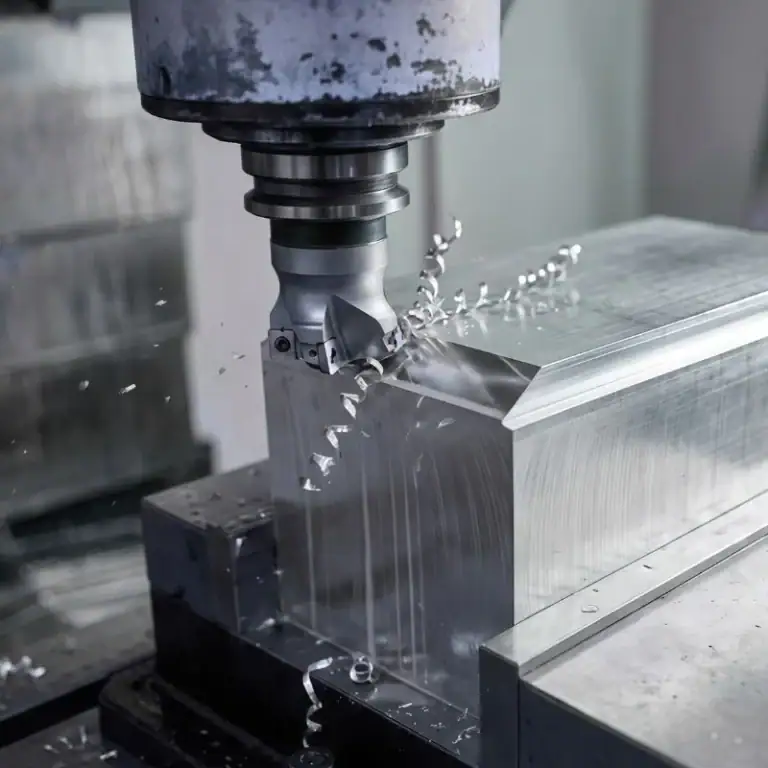
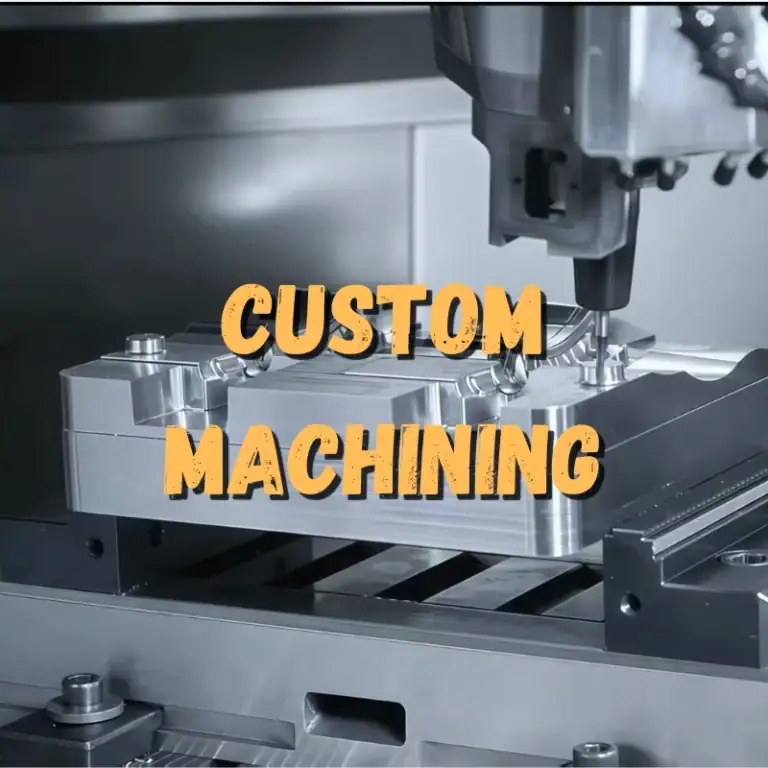
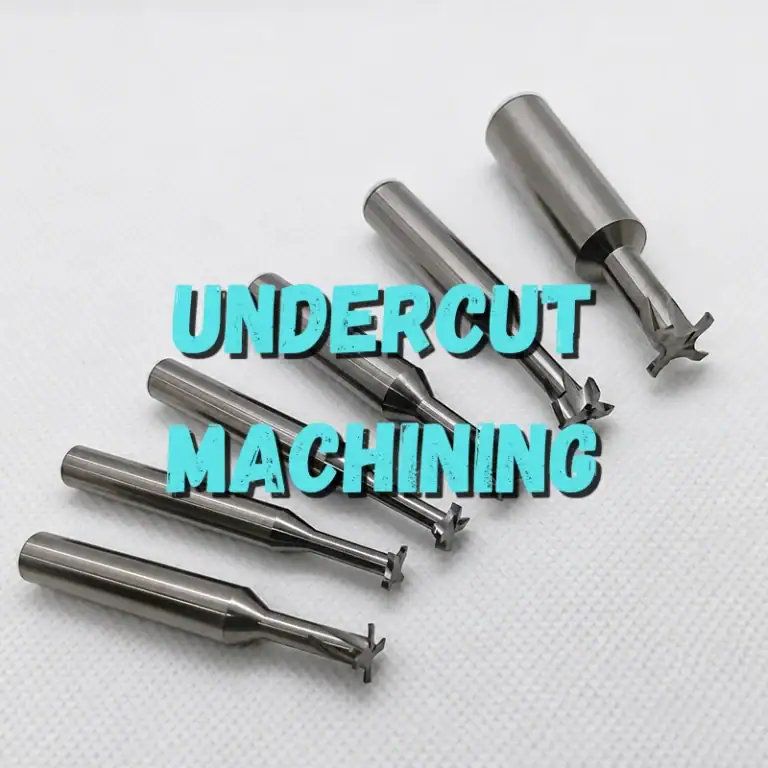
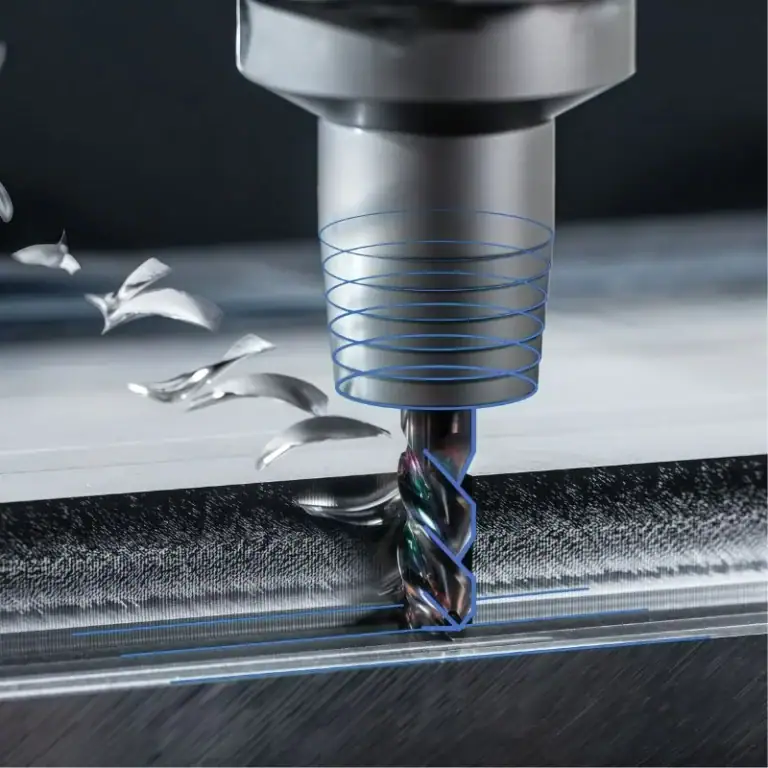
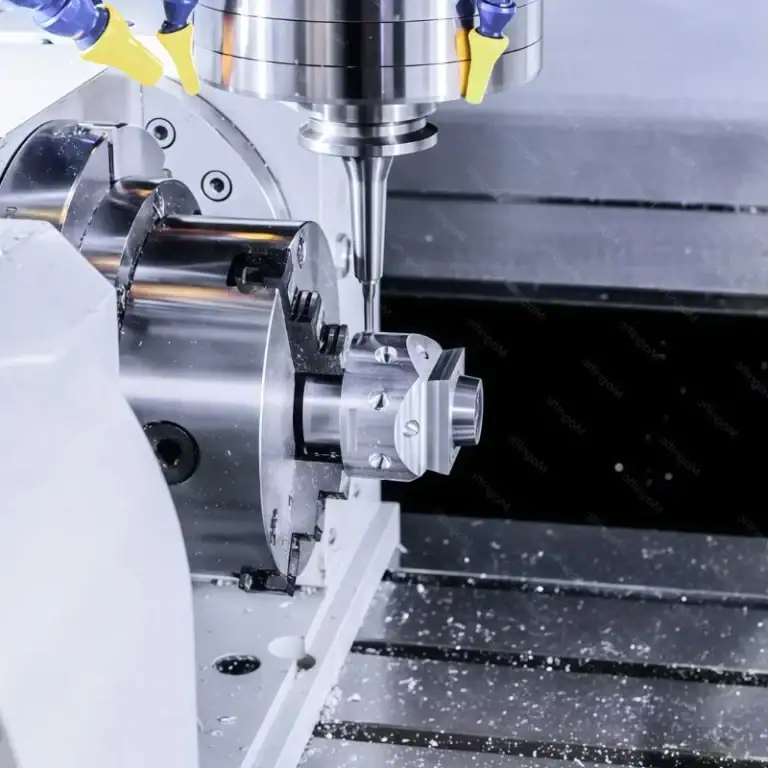
During CNC milling, the cooling method affects not only tool life but also machining efficiency, surface quality, and production costs. Traditional flood cooling can continuously remove a large amount of cutting heat, but it also involves high coolant consumption, high maintenance costs, and a considerable post-processing burden. Minimum Quantity Lubrication (MQL) delivers a small amount of lubricant to the cutting area with compressed air and can provide better overall results in certain machining applications. However, MQL is not a universal replacement for all CNC milling tasks. The material, cutting parameters, tool geometry, and machining load must all meet the relevant conditions.
Basic Conditions for MQL to Replace Traditional Cooling
The effectiveness of MQL mainly depends on heat control, lubrication requirements, and machining load.
Cutting Heat Must Not Be Too Concentrated
MQL primarily reduces friction and assists chip evacuation through minimal lubrication and airflow. It is therefore more suitable for machining tasks where cutting heat remains within a controllable range.
- Suitable for materials with good thermal conductivity: For materials such as aluminum alloys, MQL can effectively reduce friction between the tool and workpiece when cutting parameters are properly controlled.
- Machining temperature must be controlled: If a large amount of heat is continuously generated during machining, a small amount of lubricant alone may not be able to remove the heat quickly enough.
- High-heat conditions require careful consideration: When the tool edge temperature continues to rise, traditional flood cooling or high-pressure cooling should be considered.
Whether cutting heat can be controlled through parameter optimization and airflow assistance is an important prerequisite for determining whether MQL is suitable.
The Machining Load Must Remain Reasonable
MQL is more likely to deliver good results when the cutting depth, cutting width, and material removal rate remain within reasonable ranges.
- Avoid removing an excessive amount of material in a single operation.
- Control the contact area between the tool and workpiece.
- Reduce long-duration, high-load continuous cutting.
A stable machining load helps reduce heat accumulation and minimizes impact on the tool.
The Tool and Machine Tool Must Meet the Required Conditions
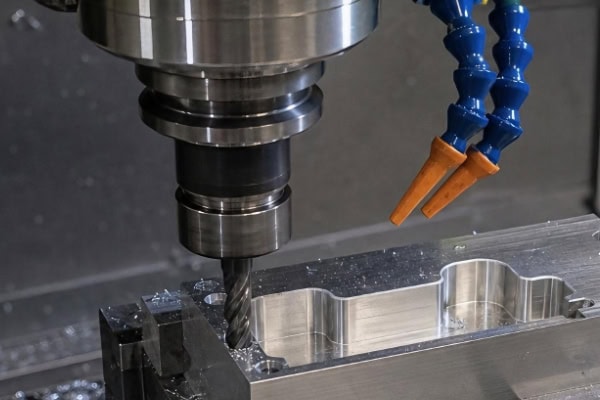
MQL is not simply a matter of reducing coolant flow. The machine and tool must work together to deliver the lubricant steadily. Tool chip evacuation performance and system supply conditions both affect machining results.
The Tool Must Provide Good Chip Evacuation
If chips cannot be removed in time, recutting may occur, increasing heat generation and tool wear.
- Select an appropriate flute geometry: Choose a chip evacuation design suitable for the workpiece material to prevent chip blockage.
- Control the number of flutes: While maintaining sufficient rigidity, reduce the number of flutes appropriately to provide more space for chip evacuation.
- Use sufficient chip space: For materials such as aluminum alloys that tend to produce long chips, prioritize tools with good chip evacuation performance.
- Optimize nozzle positioning: Ensure that the airflow and lubricant can accurately reach the cutting area.
- Use internally cooled tools when necessary: For deep cavities, deep slots, or machining operations with difficult chip evacuation, internal cooling can help improve cutting conditions.
Good chip evacuation reduces chip retention and heat accumulation, helping maintain process stability.
The MQL System Must Provide a Stable Supply
The MQL system must maintain a stable oil-air mixture; otherwise, lubrication performance may fluctuate.
- Check the lubricant supply: Ensure a stable oil supply and prevent rapid tool wear caused by insufficient lubrication.
- Confirm air pressure and flow rate: Insufficient airflow can affect delivery, while excessive airflow may disperse the lubricant.
- Adjust the nozzle angle: Ensure that the lubricant enters the contact area between the tool and workpiece directly.
- Consider the effect of high-speed rotation: During high-speed CNC milling, ensure that the lubricant can overcome the rotating airflow and reach the effective cutting position.
- Maintain the system regularly: Inspect the lines, nozzles, and filter components to prevent blockages or leaks.
Only when the supply parameters remain stable can the lubricant continuously cover the effective cutting area.
Which Materials Are More Suitable for MQL?
Material properties directly determine heat generation and lubrication requirements during machining. Evaluation should consider thermal conductivity, hardness, work-hardening tendency, and cutting temperature.
Aluminum Alloys Have High Applicability
Aluminum alloys generally offer good thermal conductivity and machinability. With appropriate cutting parameters, MQL can reduce friction, improve chip evacuation, and minimize built-up edge formation. Aluminum alloys are suitable for high-speed milling at relatively high cutting speeds, while thin-walled parts can also reduce the risk of thermal deformation through proper heat control. In high-volume production, reducing coolant usage can lower the burden of equipment cleaning and coolant maintenance. Aluminum alloys are among the most mature and suitable materials for MQL applications.
Some Steels Can Also Be Machined with MQL
For low-carbon steel, medium-carbon steel, and certain alloy steels, MQL can also be applied when the cutting load and machining temperature are controllable.
- Suitable for low- to medium-load machining: Control cutting depth and cutting width to reduce heat accumulation.
- Suitable for continuous cutting operations: Stable cutting conditions help maintain lubrication effectiveness.
- Work hardening must be monitored: If the material exhibits significant work hardening, cutting parameters should be adjusted promptly.
- Tool wear must be monitored: When cutting temperature continues to rise, the cooling capability of MQL should be reevaluated.
Some steels can be machined with MQL, but trial cutting and data monitoring are necessary to confirm whether tool life and machining quality meet the required standards.
High-Temperature Difficult-to-Machine Materials Require Careful Evaluation
Materials such as titanium alloys and high-temperature alloys have low thermal conductivity and high cutting temperatures, causing heat to concentrate easily near the tool edge.
- Heat is difficult to dissipate: Cutting heat tends to concentrate in the contact area between the tool and workpiece.
- Tool wear can progress rapidly: High temperatures and heavy loads may accelerate tool wear, edge chipping, or plastic deformation.
- Stronger cooling may be required: Traditional cooling, high-pressure cooling, or even directed cooling may be more suitable.
- MQL should be limited to specific operations: It can be evaluated for light-load, short-duration, or specific finishing operations, but should not directly replace all cooling methods.
For high-temperature difficult-to-machine materials, the decision to use MQL must be based on tool life, surface quality, and dimensional stability.
What Should Be Considered When Switching from Flood Cooling to MQL?
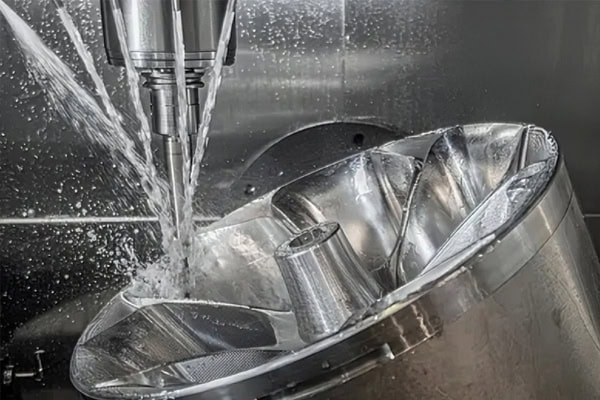
When changing the process, coolant consumption should not be the only comparison point. Machining results must be evaluated comprehensively.
Compare Tool Life
Tool life is an important indicator for evaluating the effectiveness of MQL as a replacement.
- Use consistent comparison conditions: Test the same material and tool with similar cutting parameters.
- Record the actual number of machined parts: Compare the number of parts that can be machined stably under different cooling methods.
- Observe wear patterns: Pay particular attention to flank wear, edge chipping, built-up edge, and thermal cracks.
- Evaluate tool change frequency: If MQL significantly increases the number of tool changes, overall costs may rise instead.
If MQL can reduce friction while keeping tool wear within a reasonable range, it has value for further implementation.
Check Surface Quality and Dimensional Stability
After machining, surface roughness, dimensional accuracy, and edge quality should be inspected carefully.
- Measure surface roughness: Confirm whether scratches, chatter marks, or abnormal roughness appear on the machined surface.
- Check dimensional accuracy: Pay attention to the effects of thermal deformation and tool wear on dimensional stability.
- Inspect edge quality: Check for burrs, edge chipping, or localized burning.
- Monitor built-up edge: Built-up edge can lead to reduced surface quality and dimensional variation.
- Conduct continuous batch verification: Process stability should not be judged based on a single part.
If surface burning, built-up edge, or dimensional variation occurs after reducing coolant usage, the current process conditions still require optimization.
Evaluate Overall Production Costs
The advantages of MQL include not only reduced coolant consumption but also lower costs for coolant maintenance, filtration, and waste-fluid treatment. Companies should comprehensively calculate the actual consumption of lubricant and traditional coolant, tool life and tool change frequency, equipment maintenance costs, as well as labor and post-processing costs for workpiece cleaning, drying, and waste-fluid treatment. Machining cycle time and downtime should also be considered rather than comparing only the unit price of coolant.
Machining Applications Where MQL Is Truly Suitable
The value of MQL is generally most evident in applications with stable cutting conditions, high process repeatability, and requirements for cleaner production.
High-Speed Milling and Light- to Medium-Load Machining
These operations typically use high cutting speeds, while the material removal per operation remains relatively controllable. MQL can reduce friction and assist chip evacuation.
- Suitable for operations with controllable material removal: Avoid prolonged operation under extreme loads.
- Suitable for stable continuous cutting: Reduce impact and abnormal heat generation.
- Suitable for tools with good chip evacuation: Allow airflow to remove chips promptly.
- Suitable for materials with certain lubrication requirements: Improve cutting conditions with a small amount of lubricant.
In high-speed milling and light- to medium-load machining, MQL can generally balance machining efficiency, tool life, and coolant reduction.
High-Volume Production of Precision Parts
For parts that are machined repeatedly over long periods, MQL makes it easier to establish standardized lubrication parameters and operating procedures. By continuously recording tool wear, dimensional changes, and surface quality, process fluctuations can be identified and machining conditions can be optimized in a timely manner. In addition, reduced coolant residue helps shorten cleaning, drying, and equipment preparation time. For precision parts with stable batch production and mature processes, MQL offers strong potential for implementation.
Manufacturing Applications with High Environmental Requirements
MQL uses very little lubricant, reducing the waste-fluid treatment and cleaning work associated with traditional coolant and better supporting certain green manufacturing requirements.
- Reduce coolant consumption: Lower resource consumption.
- Reduce waste-fluid generation: Ease the burden of subsequent treatment.
- Improve the machining environment: Reduce coolant residue on workpieces and equipment surfaces.
- Reduce cleaning and drying requirements: Help simplify post-processing procedures.
Provided that machining quality and safety requirements are met, MQL can support energy conservation, emissions reduction, and cost reduction.
Conclusion
The introduction of MQL should be based on trial cutting, process validation, and data evaluation. Companies should separately record tool wear, surface roughness, dimensional changes, machining cycle time, and maintenance costs, and then decide whether to implement MQL more broadly based on the actual performance of each operation. For suitable processes, MQL can reduce cleaning and waste-fluid treatment work. For operations involving concentrated heat or heavy loads, stronger cooling measures should be retained. TiRapid can assist customers in evaluating cooling solutions, optimizing parameters, and validating batch production processes based on part geometry, material characteristics, and production objectives.