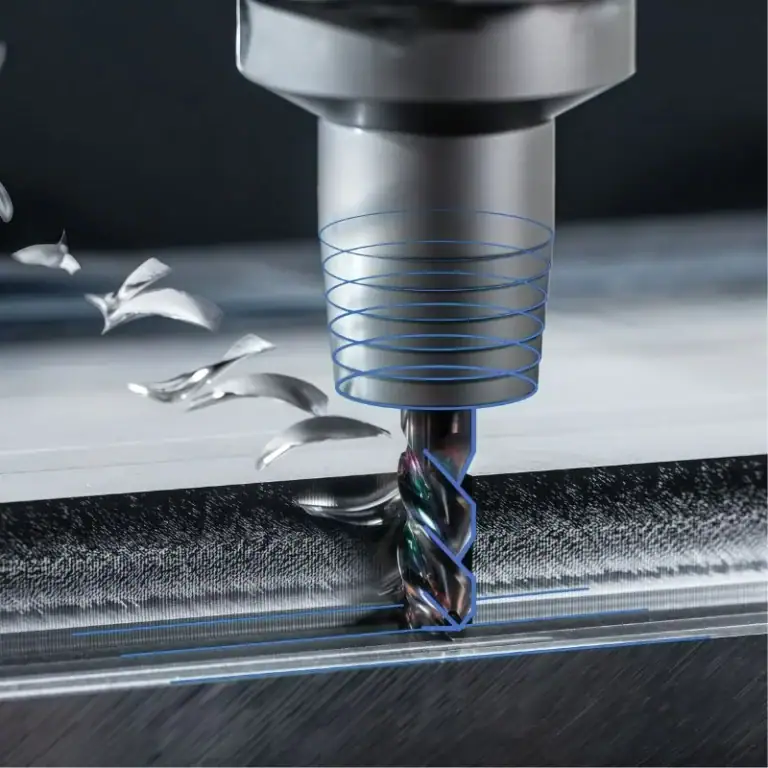
CNC machining of plastic parts involves multiple stages, including material selection, machining accuracy, equipment capabilities, and production experience. Different manufacturers vary in machining quality, process control, inspection methods, and service capabilities. Even when the same drawing is provided to different suppliers, the final product results may be significantly different. Therefore, when selecting a CNC machining manufacturer for plastic parts, it is necessary not only to consider machining costs but also to evaluate the part application, material requirements, dimensional accuracy, and production needs. Compared with metal materials, plastics are more easily affected by temperature, cutting pressure, and tool conditions during machining. For example, materials such as POM, PEEK, ABS, PC, PVC, and acrylic require different tools and machining parameters during CNC processing. If a manufacturer lacks experience in plastic machining, problems such as dimensional deviations, rough surfaces, burrs, deformation, and even material damage may occur.
A suitable CNC plastic parts machining manufacturer should not only have complete machining equipment but also be able to provide reasonable machining solutions based on part structures. From initial drawing analysis and material confirmation to machining process control and finished product inspection, every step affects the final part quality. For precision plastic parts, functional structural components, and small-batch customized products, choosing a manufacturer with practical machining experience can reduce production issues and improve delivery stability.
What Should Be Considered When Choosing a CNC Plastic Machining Manufacturer?
Check Plastic Machining Experience
CNC plastic machining is significantly different from ordinary metal machining. Whether a manufacturer has relevant plastic machining experience directly affects product quality. Manufacturers with plastic machining experience can usually select suitable machining methods according to different material characteristics. For example: POM is suitable for precision structural components and requires good dimensional stability control; PEEK has high strength and requires attention to tool wear and cutting temperature during machining; acrylic materials have high requirements for surface appearance and need to avoid cracks or whitening after machining; ABS and PVC require proper cutting parameter control to reduce burr formation. If a manufacturer has long-term experience in plastic part machining, they will be more familiar with material characteristics, tool selection, and machining parameters. This allows them to identify potential machining risks in advance and reduce trial-and-error costs.
Understand CNC Equipment and Machining Capabilities
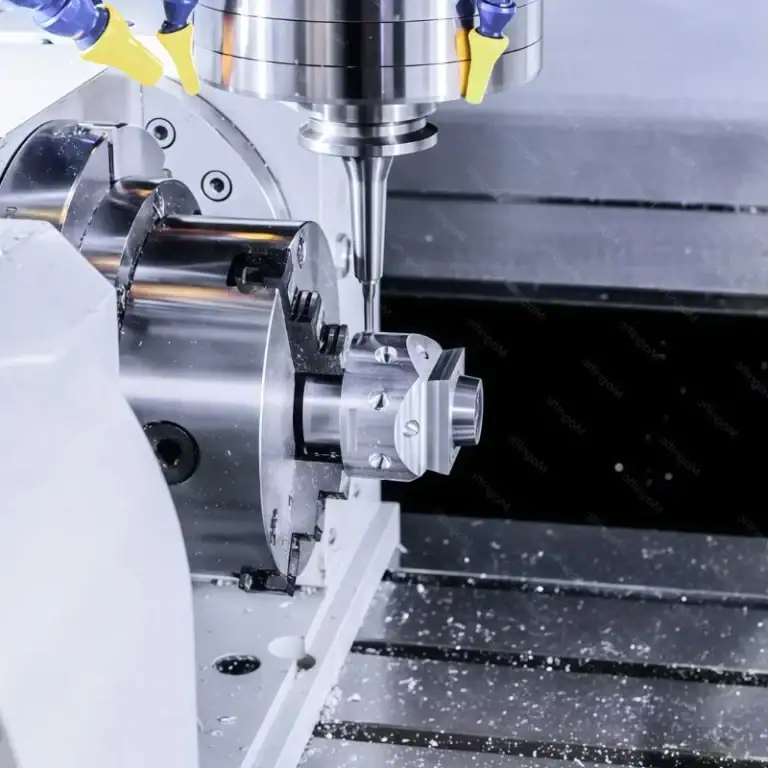
Different plastic part structures require different machining equipment. Simple parts may only require standard three-axis CNC machines, while complex curved surfaces, precision structures, or multi-sided machining parts may require higher-performance equipment. When selecting a manufacturer, you can check: Whether they have stable CNC machining equipment; Whether they support three-axis, four-axis, or five-axis machining; Whether they can complete processes such as drilling, milling, chamfering, and slotting; Whether they have capabilities for small-batch prototyping and mass production. Equipment performance affects machining efficiency and dimensional consistency. For precision plastic parts, the stability of machining equipment directly influences the final product results.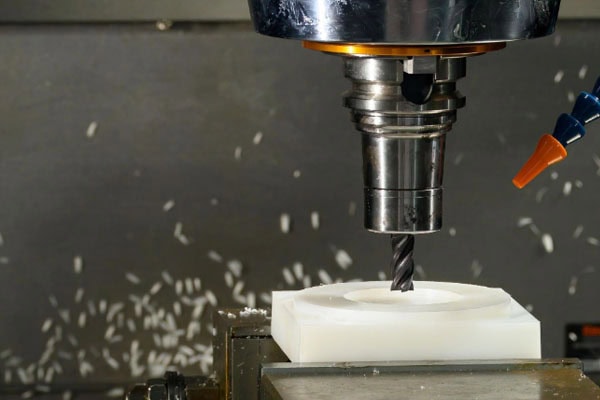
How to Evaluate Machining Accuracy and Quality Control?
Check Dimensional Control Capability
Plastic parts are commonly used in equipment components, electronic structural parts, automation components, and other applications where dimensional accuracy is required. If machining dimensions are unstable, assembly difficulties may occur and affect product performance. Professional machining manufacturers usually establish reasonable machining processes according to drawing requirements and verify critical dimensions through inspection tools.
Common inspection methods include:
l Using calipers to measure overall dimensions
l Using micrometers to measure thickness and diameter
l Using coordinate measuring machines to inspect complex structures
l Performing appearance inspections after machining
When selecting a manufacturer, it is important to understand whether they have a complete dimensional inspection process rather than relying only on machining equipment for production.
Pay Attention to Surface Treatment and Detail Machining
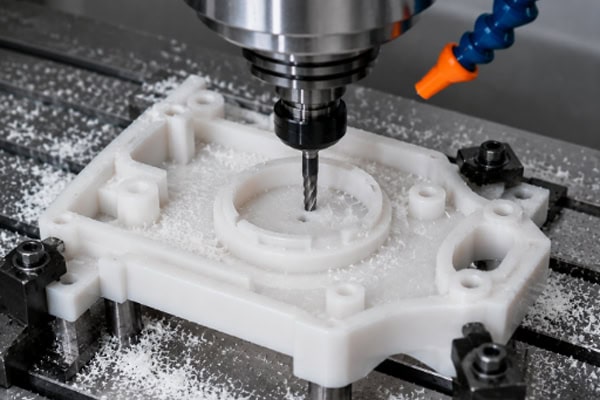
Besides dimensional requirements, plastic parts also require control of surface quality. Especially for transparent parts, appearance components, and precision assembly parts, machining marks and edge conditions can affect the final results.
An excellent machining manufacturer will pay attention to:
l Whether part edges are smooth and even
l Whether chamfers meet design requirements
l Whether holes have burrs
l Whether surfaces show tool marks, scratches, or discoloration
These details reflect the manufacturer’s attention to machining quality.
Assess the manufacturer’s service capabilities
Whether They Can Provide Machining Suggestions
Some customers only provide product drawings but are not familiar with plastic machining processes. If a manufacturer can only process according to drawings without providing improvement suggestions, it may increase modification costs later. A professional CNC plastic machining manufacturer will carefully analyze drawings before production and evaluate whether the design is suitable for machining based on material characteristics, part structure, wall thickness, tolerances, and assembly requirements. For areas that are prone to deformation, tool interference, or difficult machining conditions, the manufacturer should communicate with customers in time and provide reasonable structural optimization suggestions to reduce rework and trial production times from the beginning.
Experienced manufacturers usually check before machining:
Whether the part structure is convenient for machining; Whether the material selection is suitable for the application environment; Whether wall thickness design may cause deformation; Whether tolerance requirements are reasonable. Through early communication, the machining solution can be optimized in advance.
Whether They Support Sample Confirmation
For new product development or precision plastic parts, direct batch production involves certain risks. Reliable manufacturers usually support sample production first, allowing customers to confirm dimensions, appearance, and assembly performance through actual machining results.
Sample confirmation can help customers:
l Check whether parts meet design requirements
l Discover issues not considered in the drawings
l Adjust machining parameters
l Reduce risks during batch production
Frequently Asked Questions
What Type of Manufacturer Should Be Selected for Small-Batch Plastic Part Machining?
For small-batch machining, it is recommended to choose manufacturers that support customized processing and have fast response capabilities. Some large-scale production companies are more suitable for long-term mass orders, while professional CNC machining manufacturers are usually more suitable for prototypes, small batches, and complex parts.
Are Low-Cost CNC Plastic Machining Manufacturers Reliable?
Price is an important factor when selecting a supplier, but it should not be the only evaluation standard. Extremely low quotations may result from reduced material grades, simplified machining processes, or insufficient inspection procedures. If plastic parts fail to meet dimensional requirements, the cost of later rework may be much higher.
How Can You Confirm Whether a Manufacturer Is Suitable for Machining Engineering Plastics Such as PEEK?
You can review the manufacturer’s previous machining cases to determine whether they have processed similar materials. You can also ask about the types of tools used, machining equipment, and quality inspection methods. This information can help evaluate the manufacturer’s actual capabilities.
In conclusion
The selection of a CNC plastic parts machining manufacturer directly affects product quality and production efficiency. During the selection process, attention should be paid to whether the manufacturer understands plastic material characteristics, has stable CNC machining equipment, can control dimensional accuracy, and maintains a complete inspection process. A reliable CNC plastic machining manufacturer not only completes part cutting and machining but also provides reasonable suggestions based on product requirements to help customers solve potential problems during processing. From drawing confirmation and sample testing to formal production, every stage requires stable machining quality. Choosing the right manufacturer is essentially choosing a more reliable machining process and product results that better meet requirements. By understanding the manufacturer’s experience, equipment conditions, inspection capabilities, and service level, customers can more accurately find a suitable CNC plastic parts machining partner.