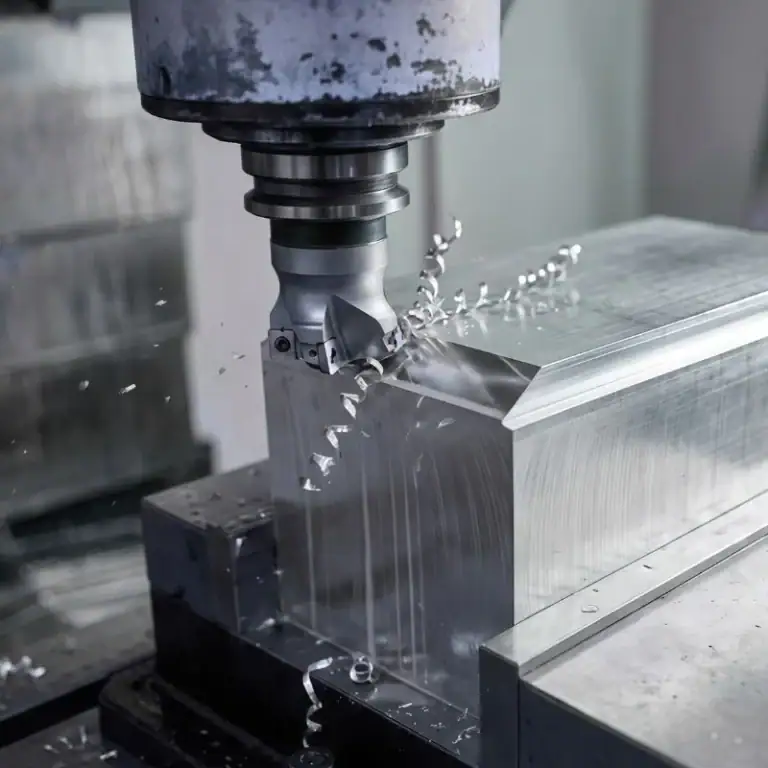
In CNC metal machining, workpiece setup is often overlooked, yet it has a direct impact on machining accuracy. For simple components, most machining operations can often be completed in a single setup. However, metal parts with multiple machining surfaces, complex hole patterns, or special geometries may require several setups.
More setups do not necessarily mean lower quality, but every additional setup introduces another opportunity for positioning errors, fixture errors, and datum changes. Therefore, controlling the number of setups is an important part of improving CNC machining accuracy and consistency.
Get 20% offf
Your First Order
Need custom metal and plastic parts?
Why Do Metal Parts Need Multiple Setups?
Complex Part Geometry
Some metal components are not simple single-surface structures. They may contain multiple side faces, bottom surfaces, holes, grooves, and complex contours. If all machining areas cannot be reached in one setup, the workpiece needs to be repositioned.
For example, a mechanical bracket may require mounting holes on the top, holes on the side, and a locating surface on the bottom. Because these features are located on different surfaces, completing all operations in one setup may not be practical.
Machine Tool Limitations
Different CNC machines have different working ranges, spindle orientations, and tool accessibility. When a machining area cannot be reached effectively with the current setup, the workpiece may need to be repositioned.
Multi-axis CNC machining can reduce the number of setups required for some components. However, multiple setups remain common for large parts, special components, and cost-sensitive machining projects.
Different Operations Require Different Positioning Methods
Roughing, semi-finishing, and finishing operations may require different clamping strategies. Some components may need strong clamping during rough machining to handle material removal, followed by more precise positioning during finishing.
Therefore, multiple setups do not necessarily indicate poor process planning. The setup strategy should be determined according to the part geometry and machining requirements.
Why Can Multiple Setups Affect Machining Accuracy?
Increased Positioning Errors
Every time a workpiece is repositioned, it needs to return to its intended location. Even a small positioning deviation can cause subsequent machining features to shift.
A single positioning error may be very small, but when multiple machined surfaces need to maintain precise relationships, these deviations can affect critical dimensions such as hole spacing, parallelism, perpendicularity, and concentricity.
Datum Changes Can Cause Dimensional Deviations
CNC machining relies on clearly defined machining datums. If a different locating datum is used after repositioning the workpiece, datum transfer errors may occur.
For example, if two corresponding holes on a component are machined in separate setups, the positional relationship between the holes may be affected by repositioning errors, even when the CNC machine itself has high positioning accuracy.
Clamping Forces Can Deform the Workpiece
Thin-wall components, long shafts, and aluminum parts may have relatively low rigidity and can be affected by clamping forces. Excessive clamping pressure can cause slight deformation.
When the workpiece is released after machining, elastic deformation may recover, causing dimensional changes. Therefore, clamping force and setup strategy require particular attention when machining thin-wall metal parts.
Repeated Positioning Can Affect Machining Consistency
In mass production, variations in workpiece positioning can lead to dimensional differences between individual components. This is particularly important for precision metal parts where hole positions, contours, and assembly dimensions must remain highly consistent.
How Can Setup Times Be Reduced While Improving Accuracy?
Complete More Operations in One Setup
During process planning, analyze the part geometry in advance and arrange the machining sequence so that as many operations as possible can be completed in a single setup.
By selecting suitable cutting tools, machining directions, and tool paths, unnecessary repositioning can be reduced, helping minimize accumulated positioning errors.
Establish Appropriate Machining Datums
Stable and reliable reference surfaces with good dimensional relationships can improve repeatable positioning accuracy.
For precision components, it is preferable to establish multiple critical dimensions from a consistent datum whenever possible. This helps reduce errors caused by datum changes.
Use High-Precision Fixtures and Locating Components
High-quality fixtures can improve workpiece positioning stability. Common locating methods include locating pins, locating blocks, V-blocks, vacuum fixtures, and customized tooling.
For mass production, dedicated fixtures can be designed according to the part geometry, allowing each workpiece to be positioned quickly and accurately in a repeatable manner.
Consider Multi-Axis or Turn-Mill Machining
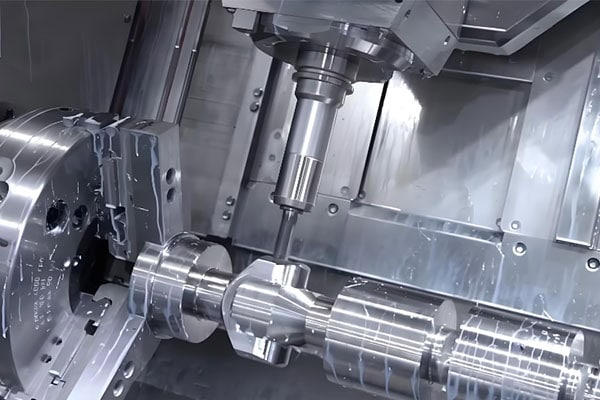
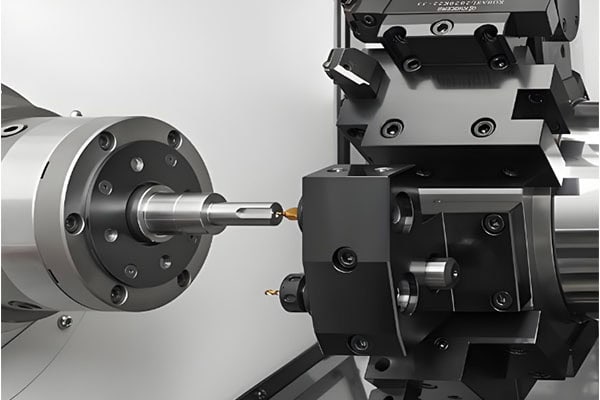
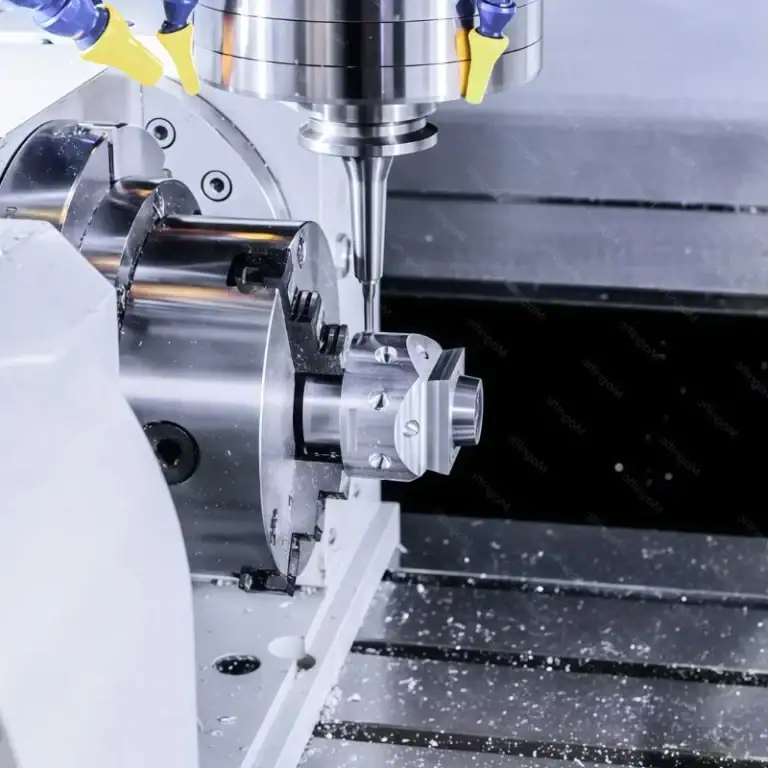
When a component has multiple complex machining surfaces, a three-axis CNC machine may require several setups. Four-axis and five-axis machining centers, as well as turn-mill machines, can complete more operations with fewer workpiece repositioning steps.
Reducing setup times can not only lower positioning errors but also shorten auxiliary production time and improve overall machining efficiency.
Does Fewer Setups Always Mean Higher Machining Accuracy?
Not necessarily.The number of setups is only one factor affecting machining accuracy. If a single setup uses an inappropriate positioning method or excessive clamping force causes significant workpiece deformation, the final result may be worse than a process involving two properly planned setups.
Therefore, CNC metal machining should not simply aim to complete every part in one setup. Instead, manufacturers should consider positioning datums, fixture accuracy, workpiece rigidity, machining allowance, tool paths, and machine performance as a whole.
For high-precision metal components, the more practical goal is to minimize the number of setups while maintaining full machining accessibility and ensuring that every setup provides stable, reliable, and repeatable positioning accuracy.
Whether a metal part requires multiple setups depends mainly on its geometry, number of machining surfaces, machine capabilities, and process requirements. Multiple setups themselves are not necessarily a problem. What matters is controlling the errors introduced during repositioning and preventing workpiece deformation caused by clamping.
For CNC precision machining, optimizing the machining sequence, maintaining consistent machining datums, using high-precision fixtures, and applying multi-axis machining technologies where appropriate can effectively reduce unnecessary setups while improving dimensional accuracy and production consistency.
A well-designed setup strategy affects not only machining accuracy but also production efficiency, manufacturing costs, and the final quality of metal components.
Author
Galen Director and Founder
Committed to ensuring we provide the best possible service in the manufacturing industry.
Glass filled nylon is a reinforced engineering plastic that combines the versatility of nylon with the strength and stiffness of glass fibers. Compared with unfilled nylon, it offers better resistance
Tensile stress is the internal force per unit area produced when a material is pulled by an external load. It is calculated by dividing the applied tensile force by the
CNC machining programming connects a digital part design with the movements of a CNC machine. A well-built program defines where the cutting tool moves, which tools are used, how fast
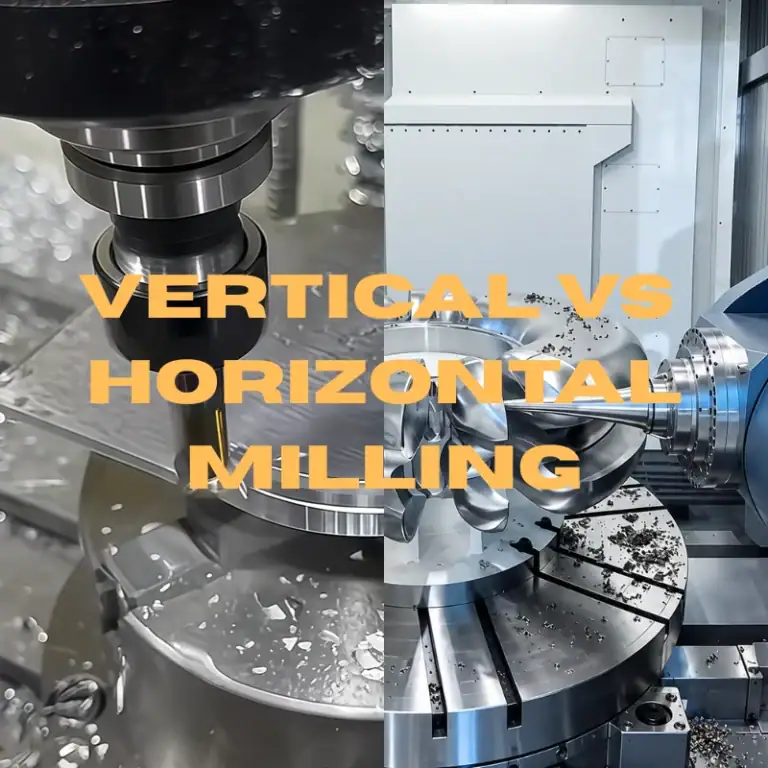
Vertical and horizontal milling use the same basic cutting principle, but spindle orientation changes how the tool reaches the workpiece, clears chips, and handles different part geometries. This guide explains
Chamfer machining is the process of removing material from an edge, hole, or contour to create a controlled angled surface. In CNC manufacturing, chamfers are commonly used to remove sharp
Custom machining is used when a part cannot be sourced as a standard component or when its geometry, material, tolerance, or function must be tailored to a specific project. Instead
Undercut machining creates recessed, hidden, or back-facing features that a standard straight-shank cutter cannot reach from the primary machining direction. The main challenge is usually not removing the material, but
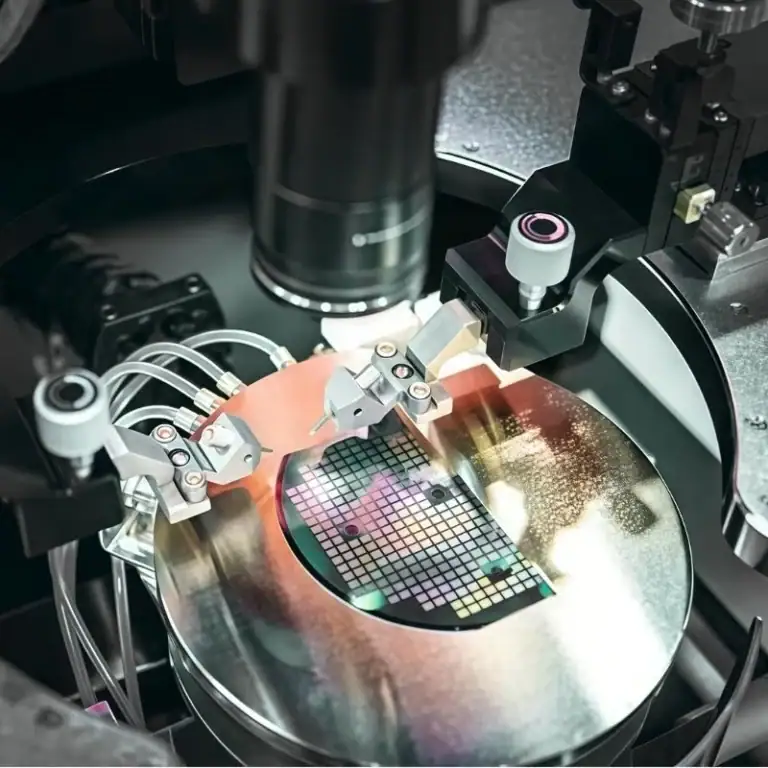
Semiconductor equipment depends on far more than electronics and process technology. Behind every wafer-handling system, test station, inspection tool, and process chamber is a network of precision-machined parts, structural components,
AI CNC machining combines traditional computer numerical control with artificial intelligence, machine learning, manufacturing data, sensors, and intelligent CAM software. Instead of replacing CNC technology, AI adds a decision-support layer
Robotic process automation is a software-based automation technology that uses digital bots to complete repetitive, rules-based tasks normally performed by people on computers. RPA bots can enter and transfer data,
Computer numerical control machining is an automated manufacturing process in which programmed computer instructions control machine tools to remove material and produce precise parts. CNC technology can control tool movement,
Semiconductor manufacturing is the process of turning high-purity semiconductor materials into functional chips through a sequence of wafer preparation, thin-film formation, photolithography, etching, doping, metallization, testing, dicing, packaging, and final