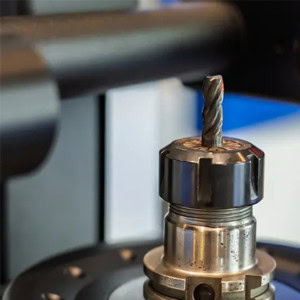
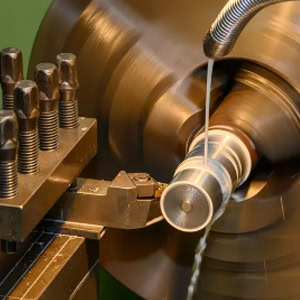
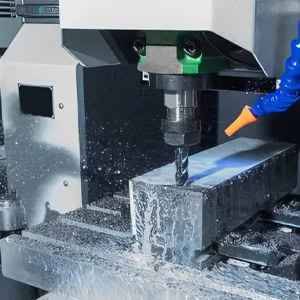
During CNC turning operations, cutting tool materials have a direct impact on machining efficiency, component accuracy, and manufacturing costs. Different workpiece materials possess varying hardness, toughness, wear resistance, and thermal
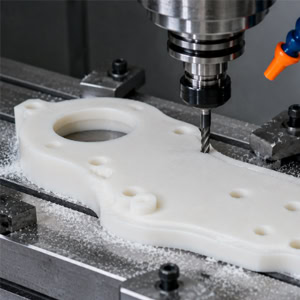
After CNC machining, plastic parts typically show visible tool marks and a fine layer of surface roughness that can compromise both light transmission and the visual quality of transparent components.
High transparency, strong impact resistance, and lightweight properties make polycarbonate (PC) one of the most popular engineering plastics in industrial manufacturing. From electronic equipment housings and medical device components to
Carbon steel is one of the most widely used metal materials in manufacturing due to its excellent strength, toughness, machinability, and cost-effectiveness. It is extensively applied in mechanical manufacturing, automotive
In today’s parts manufacturing environment, where precision, lead time, and stability matter more than ever, what customers truly care about is often not whether a part can be made, but
Many people think plastic parts are simply injection-molded products, but in industrial manufacturing, ABS plastic can also be processed into high-precision and reliable functional components. ABS is widely used in
Alloy steel is widely used in automotive manufacturing, aerospace, construction machinery, energy equipment, mold manufacturing, and industrial automation because of its high strength, hardness, wear resistance, and excellent mechanical properties.
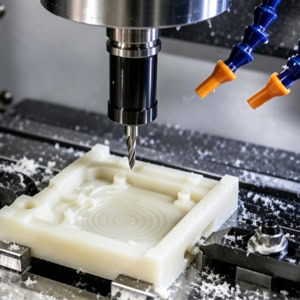
In plastic CNC machining, the decision of whether to use cutting fluid must be made on a case-by-case basis. In metal machining, cutting fluid serves the dual purpose of cooling
You may not realize that many mechanical parts that look ordinary are actually made from nylon instead of metal. With advantages such as lightweight, high strength, wear resistance, and self-lubrication,
Injection-molded parts follow established design guidelines for uniform wall thickness, but CNC machining is not subject to mold-filling constraints and offers greater design freedom—which is why extremely thin wall designs
In mold manufacturing, automotive components, aerospace equipment, and precision machinery industries, high-hardness steels are commonly used for critical parts that need to withstand long-term pressure, friction, and impact. Materials such
In today’s increasingly competitive manufacturing industry, what customers truly care about is often not whether a part can be made, but whether it can be made accurately, quickly, and consistently.
Scroll to Top
Your 24 hour quote
Send us a message if you have any questions or request a quote. We will be back to you within 1-2 hours!