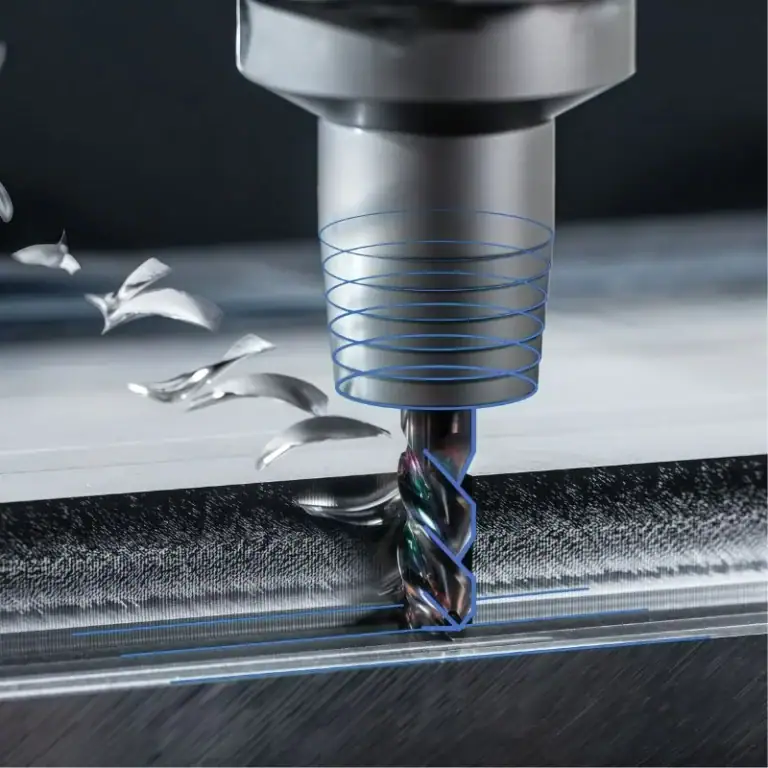
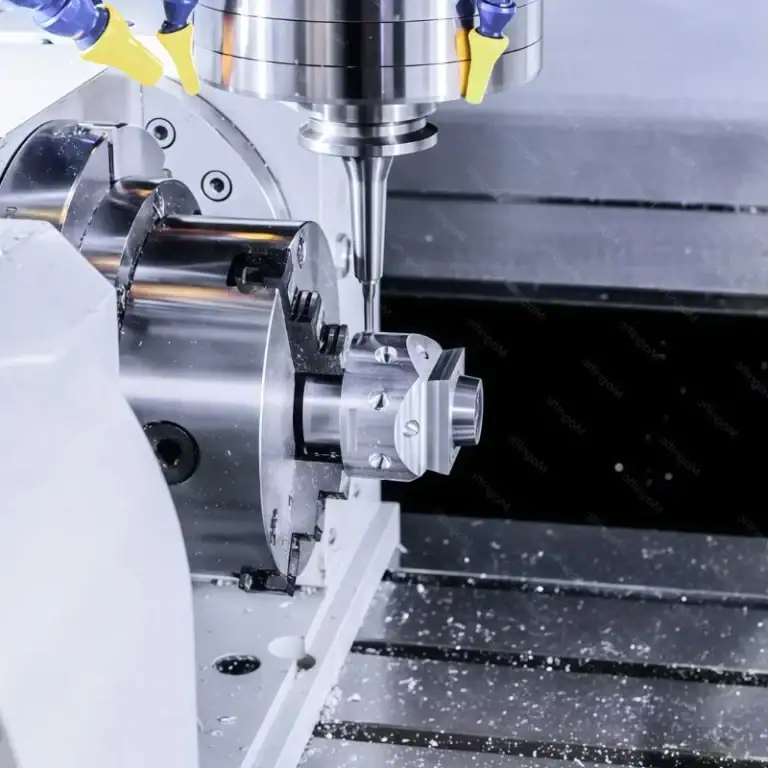
With the continuous development of industrial automation, smart manufacturing, and digital production, automation equipment has increasingly high requirements for component machining accuracy, dimensional consistency, operational stability, and batch production efficiency. Automated production lines, industrial robots, conveying systems, packaging equipment, inspection machines, assembly equipment, and intelligent warehousing systems all require large quantities of shafts, sleeves, connectors, positioning components, guide components, rollers, and precision threaded parts. CNC turning uses numerical control systems to precisely control tool movements and can perform external diameter turning, internal boring, facing, grooving, threading, and rotational contour machining according to programmed instructions. This makes it highly suitable for manufacturing precision rotational components used in automation equipment. Compared with conventional manual turning, CNC turning can standardize machining processes through unified programs, reduce dimensional variations caused by manual operations, and improve production efficiency when combined with automatic tool changing, tool compensation, in-process inspection, and automated loading and unloading. For automation equipment manufacturers, a stable CNC turning process can improve component quality, shorten production cycles, reduce rework rates, and provide reliable precision components for long-term equipment operation.
CNC Turning Is Widely Used for Core Automation Equipment Components
Automation equipment often operates continuously for extended periods, meaning mechanical components are exposed to rotation, friction, impact, and repeated movement. Dimensional deviations, roundness errors, or poor surface quality can cause equipment vibration, positioning deviations, unstable movement, or unexpected downtime. CNC turning is particularly suitable for components with rotationally symmetrical structures and can continuously machine external diameters, internal bores, steps, grooves, threads, and end faces while controlling critical dimensions through finishing programs. For automation equipment components produced in batches, standardized CNC programs reduce variations between operators and help maintain high dimensional consistency. Proper tool configuration and cutting parameters can also shorten machining time and improve machine utilization, making CNC turning an important manufacturing process for precision automation components.
CNC Turning of Shafts for Automation Equipment
Shafts are among the most widely used mechanical components in automation equipment and are responsible for rotation, transmission, support, and positioning. Motor shafts, transmission shafts, guide shafts, roller shafts, and connection shafts must maintain stable external diameters and good concentricity. CNC turning can machine different shaft diameters, steps, grooves, and end faces according to component drawings. Roughing can rapidly remove excess material, while finishing controls final dimensions and surface quality.
- Motor transmission shafts
- Precision guide shafts
- Equipment connection shafts
- Roller shafts
- Positioning shafts
- Support shafts
- Shafts used with lead screws
- Rotational shafts for automation mechanisms
For high-speed automation equipment, shaft components also require strict control of roundness and concentricity. Proper workholding can reduce runout during machining, while stable tool conditions can minimize dimensional variation. High-quality shafts are easier to assemble with bearings, couplings, gears, and other transmission components. Precision shaft machining can reduce vibration and operating noise while improving the long-term stability of mechanical transmission systems.
CNC Turning of Shafts and Bushings for Automation Equipment
Shaft sleeves and bushings are commonly used for support, positioning, friction reduction, and shaft protection in robotic mechanisms, conveying systems, assembly equipment, and motion modules. These components generally require precise control of internal bores, external diameters, end faces, and chamfers, while the bore and shaft must maintain an appropriate fit clearance. CNC turning can continuously machine external and internal surfaces, reducing positioning errors caused by repeated workholding. For thin-wall sleeves, clamping force and cutting depth must be carefully controlled to prevent deformation. For precision bushings, roundness and surface quality of the internal bore are particularly important to maintain stable mating performance during long-term reciprocating motion.
CNC Turning in Industrial Robot Component Manufacturing
Industrial robots are an important part of automated production systems, and their joints, transmission systems, actuators, and positioning structures contain numerous precision mechanical components. Robots continuously perform rotation, swinging, extension, and positioning movements, so machining accuracy directly affects repeatability and operational stability. CNC turning can manufacture robot rotating shafts, connection shafts, sleeves, positioning rings, flanges, and precision connectors. For large-scale robot production, standardized machining programs and tool management can improve component consistency and ensure smoother assembly between different production batches.
CNC Turning of Industrial Robot Rotating Shafts
Rotating shafts inside robot joints must withstand continuous rotation and repeated movement and therefore require high dimensional accuracy, concentricity, roundness, and surface quality. CNC turning can continuously machine shaft diameters, steps, and grooves while controlling critical dimensions during finishing.
- Robot joint rotating shafts
- Servo system connection shafts
- Precision drive shafts
- Positioning rotating shafts
- Transmission connection shafts
- Robot support shafts
Stable rotating shaft machining reduces vibration during robot operation, improves movement smoothness, and enhances the assembly condition of bearings and couplings. For high-precision industrial robots, in-process inspection and tool compensation can also be integrated into production to continuously control shaft diameter and improve batch consistency.
CNC Turning of Robot Connection Flanges and Positioning Rings
Robot connection flanges connect actuators, reduction mechanisms, and other mechanical components, while positioning rings help determine accurate installation positions. CNC turning can machine flange external diameters, end faces, positioning steps, and threaded structures while controlling critical mating dimensions. For robot mechanisms requiring high repeatability, flange and positioning ring quality directly affects assembly accuracy. A stable turning process can reduce manual fitting work and improve robot assembly efficiency.
CNC Turning for Conveying and Material Handling Equipment Components
Automated conveying equipment performs material transportation and positioning tasks. Rollers, drum shafts, transmission shafts, bushings, chain-wheel shafts, and connectors must withstand long-term mechanical loads. CNC turning can efficiently manufacture these rotational components while maintaining dimensional consistency between production batches through standardized programs. For production-line equipment, component machining accuracy directly influences conveyor stability and material positioning, making shaft diameter, roundness, concentricity, and surface quality important production requirements.
CNC Turning of Conveyor Rollers and Drum Shafts
Rollers and drum shafts must maintain accurate rotation to prevent runout, vibration, and unstable material movement. CNC turning can machine roller shaft external diameters, end faces, steps, and positioning grooves while producing different specifications according to equipment requirements.
- Conveyor roller shafts
- Drum support shafts
- Drive rollers
- Positioning rollers
- Equipment guide rollers
- Rotating shafts for automated conveying mechanisms
During batch production, standardized programs and tool configurations can shorten machining time per component while improving dimensional consistency between parts. For conveying equipment operating continuously, stable roller and drum shaft quality can reduce operating noise and mechanical wear.
CNC Turning of Automated Handling Equipment Connectors
Automated handling equipment usually relies on coordinated operation between robotic arms, fixtures, and motion mechanisms. Connectors must maintain accurate dimensions and reliable structural strength. CNC turning can manufacture cylindrical connectors, positioning pins, threaded components, and sleeves, allowing mechanical structures to maintain stable connections.
Precision connectors influence not only assembly efficiency but also positioning accuracy during automated equipment operation. Proper control of thread dimensions, end-face accuracy, and mating dimensions can reduce assembly clearance and improve equipment reliability.
CNC Turning in Automated Inspection Equipment
Automated inspection equipment uses sensors, actuators, and precision mechanical structures to inspect manufactured products. Internal mechanisms often contain positioning shafts, guide sleeves, support components, adjustment threaded parts, and precision connection structures. CNC turning provides stable precision components that help inspection mechanisms maintain accurate repeatable positioning.
CNC Turning of Precision Positioning Shafts and Guide Components
Inspection equipment requires accurate workpiece positioning during dimensional, positional, and visual inspection. Unstable dimensions in positioning shafts or guide components can cause measurement deviations. CNC turning can control shaft diameter, length, steps, and end-face dimensions to maintain high consistency among positioning components.
- Precision positioning shafts
- Guide shafts
- Positioning pins
- Guide sleeves
- Adjustment screws
- Inspection mechanism connectors
Stable positioning components improve the repeatability of automated inspection mechanisms and reduce changes in mechanical clearance during long-term operation.
CNC Turning of Adjustment Threaded Components for Inspection Equipment
Automated inspection equipment frequently uses threaded mechanisms to adjust inspection positions and mechanical clearances. CNC turning can produce metric threads, fine threads, external threads, and internal threads while controlling pitch and thread profile through programmed machining.
Precision thread machining requires careful control of tool condition and cutting parameters to prevent burrs, incomplete thread profiles, or pitch deviations. Stable threaded components allow inspection mechanisms to achieve smoother adjustment and improve equipment operating efficiency.
CNC Turning Supports the Machining of Various Automation Equipment Materials
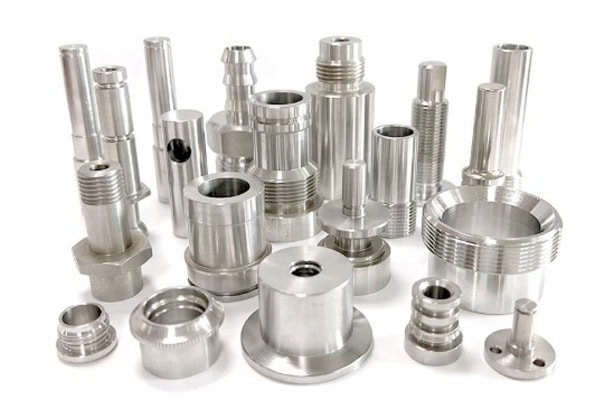
Automation equipment components are manufactured from a wide range of materials, including carbon steel, stainless steel, aluminum alloys, copper alloys, alloy steels, and engineering plastics. These materials differ significantly in hardness, toughness, thermal conductivity, and machinability. Suitable tools and cutting parameters must be selected according to material characteristics. CNC turning allows machining parameters to be managed through programmed processes, enabling manufacturers to establish appropriate machining procedures for different materials and achieve stable dimensions and surface quality.
CNC Turning of Aluminum Alloy Automation Components
Aluminum alloys are lightweight, relatively easy to machine, and provide good thermal conductivity, making them suitable for automation equipment that requires reduced moving-part weight. CNC turning of aluminum alloys can use sharp cutting tools to improve machining efficiency while selecting appropriate cutting parameters to reduce built-up edge and surface scratches.
Aluminum alloys are commonly used for robot connectors, automation equipment supports, transmission components, and lightweight structural parts. A stable machining process can shorten individual machining cycles and improve overall machine utilization.
CNC Turning of Stainless Steel Automation Components
Stainless steel provides excellent corrosion resistance and mechanical strength, making it suitable for food-processing automation equipment, medical automation systems, chemical production equipment, and outdoor machinery. Stainless steel machining requires careful attention to work hardening and tool wear.
Appropriate cutting speed, feed rate, and cutting depth can reduce tool loading and maintain stable machining conditions. For components requiring high surface quality, appropriate finishing operations should also be arranged to reduce surface roughness.
CNC Turning Improves Automation Equipment Component Production Efficiency
Automation equipment manufacturing often involves large quantities of standardized and repetitive components. Manufacturers need to maintain dimensional accuracy while controlling individual machining time and overall production costs. CNC turning can reduce manual operations through programmed production and improve machine efficiency when combined with automatic tool changing, automated loading and unloading, and in-process inspection. During batch production, standardized programs can reduce setup time, standardized tooling can shorten tool replacement time, and automated handling can reduce waiting time caused by manual loading and unloading.
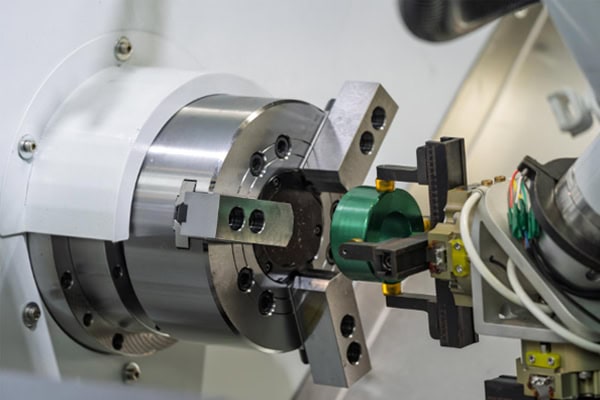
Automated Loading and Unloading Improves Continuous Production
Automated loading and unloading systems can perform workpiece picking, positioning, clamping, post-machining removal, and transfer. For batch production of automation equipment components, this approach reduces repetitive operator work and allows CNC turning machines to operate for longer continuous periods.
- Shorter clamping time
- Reduced manual intervention
- Higher machine utilization
- Stable production cycles
- Reduced human errors
- Higher batch production capability
- Shorter order delivery cycles
Combining automated loading and unloading with CNC turning creates a more stable continuous machining model and provides production support for large-volume manufacturing of automation equipment components.
Tool Compensation and In-Process Inspection Improve Quality Stability
During CNC turning, tools gradually wear with use, which can cause component dimensions to change over time. Tool compensation can adjust tool positions according to actual machining conditions, while in-process inspection can collect critical dimensional data. Combining these technologies reduces the risk of dimensional deviations during continuous production.
For batch-produced automation components, key dimensions such as shaft diameter, bore diameter, length, groove width, and thread dimensions can be monitored. Production data can also record machine conditions and tool usage, providing useful information for subsequent process optimization.
CNC Turning Drives the Development of High-Precision Automation Equipment
Automation equipment is increasingly developing toward high-speed operation, precision positioning, intelligent control, and continuous production, creating higher requirements for component manufacturing. CNC turning can manufacture shafts, sleeves, bushings, positioning rings, rollers, connectors, flanges, threaded components, and guide components used in automation equipment. It can also process common materials such as aluminum alloys, stainless steel, carbon steel, copper alloys, alloy steels, and engineering plastics. With the continued development of high-precision CNC machine tools, multi-axis turning equipment, automated loading and unloading, in-process inspection, and intelligent tool management, automation equipment components can achieve more stable dimensional accuracy and higher production efficiency. Manufacturers can optimize tooling configurations, workholding methods, cutting parameters, and machining sequences according to component geometry, material characteristics, production volume, and precision requirements while strengthening tool life management and quality data recording. High-quality CNC turning improves the consistency, assembly accuracy, and operational reliability of automation equipment components, providing stable precision manufacturing support for industrial robots, intelligent conveying systems, automated inspection equipment, automatic assembly machines, packaging machinery, and smart production lines.