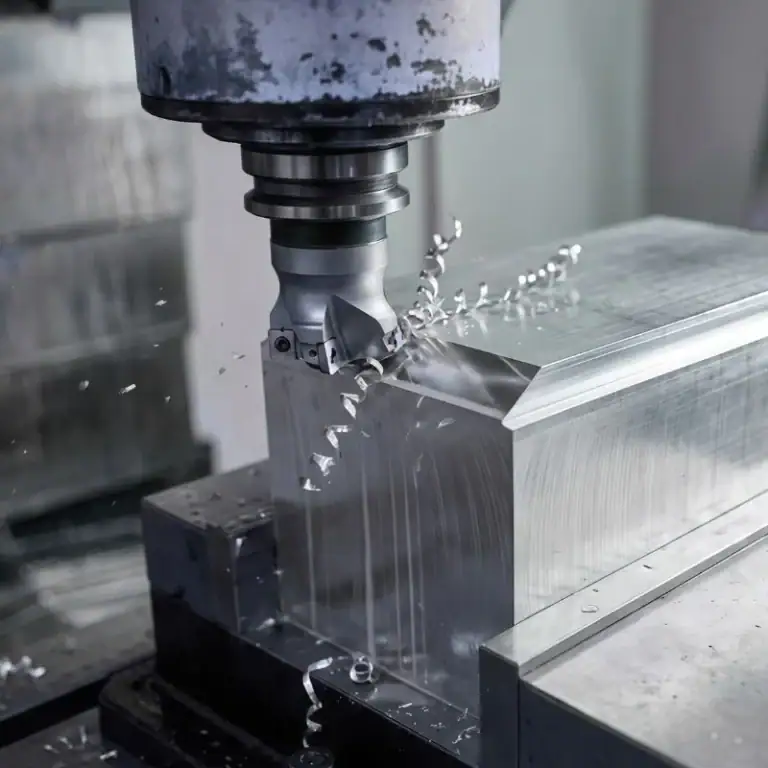
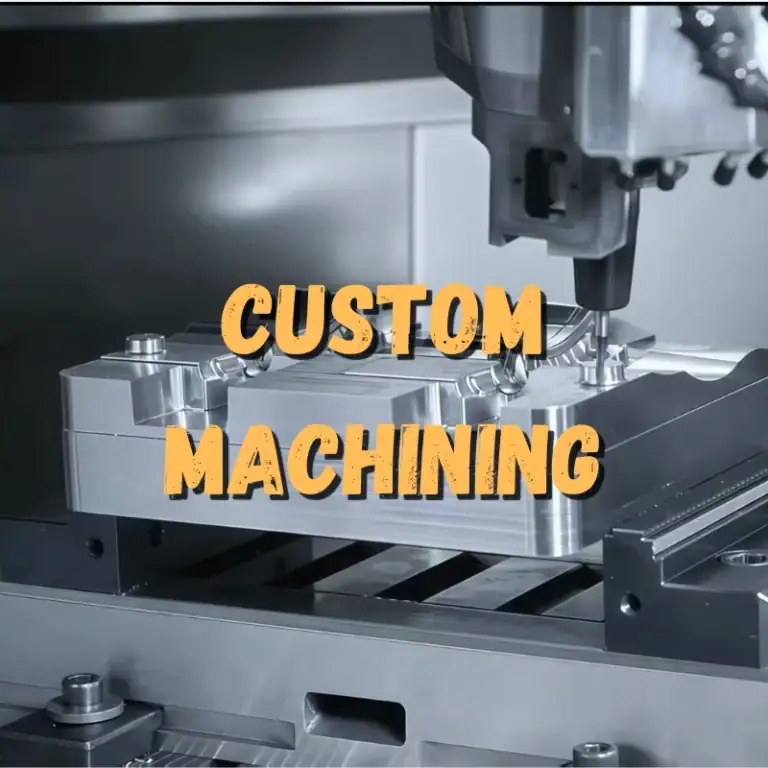
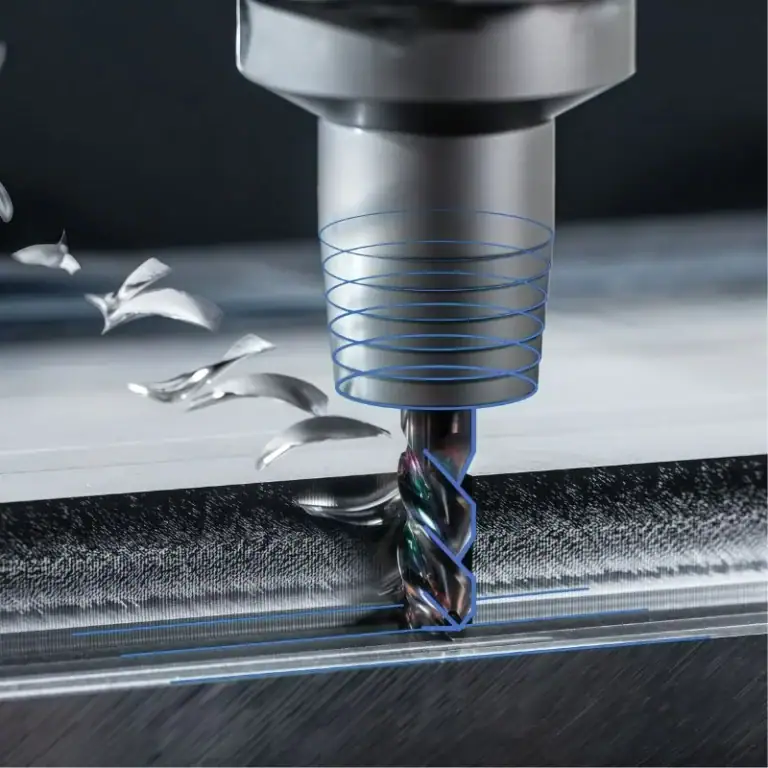
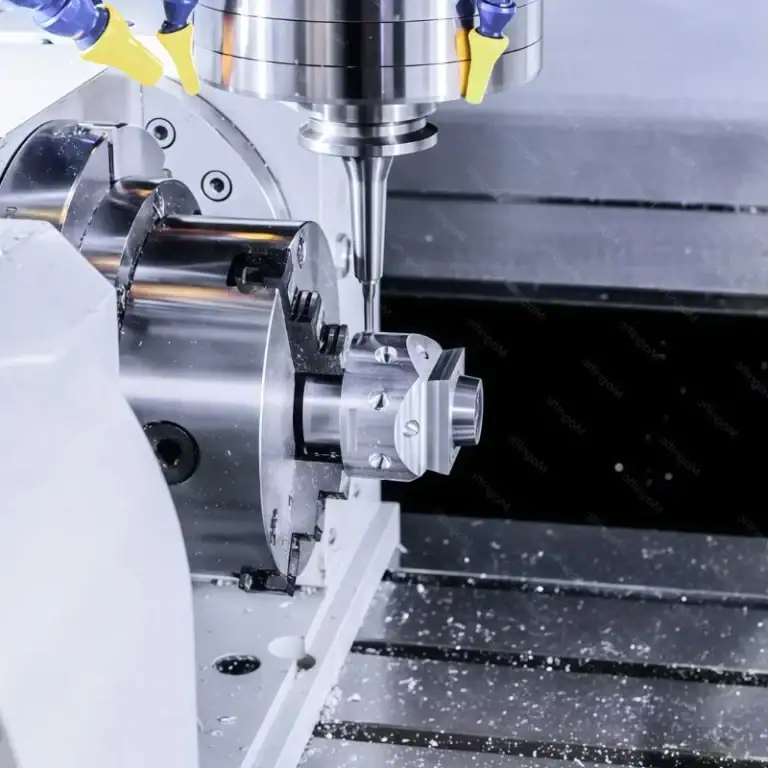
In precision manufacturing, companies usually focus on machine tool accuracy, cutting tool performance, and machining parameters, while easily overlooking a hidden factor—thermal deformation. During CNC milling, continuous contact between the tool and the workpiece generates a large amount of cutting heat. This heat affects the stability of the workpiece, cutting tool, and machine tool structure. Although thermal deformation is often difficult to observe directly, it can cause dimensional deviations, geometric errors, and surface quality degradation. Especially in high-precision manufacturing fields such as aerospace parts, medical devices, and precision molds, thermal deformation control has become a critical factor in ensuring machining quality.
How Thermal Deformation Affects CNC Milling Accuracy
Temperature changes during machining alter the state of equipment and materials, thereby affecting the final machining results.
Causes Dimensional Deviation of Parts
During CNC milling, the workpiece absorbs heat generated by cutting and undergoes thermal expansion and contraction as temperature changes. If temperature effects are not fully considered during machining, the actual dimensions after processing may not match design requirements.
- Properly control machining temperature to reduce dimensional fluctuations caused by material thermal expansion.
- Adjust machining strategies according to different material properties to improve dimensional stability.
- Reasonably arrange cooling and dwell time to avoid temperature-related errors during inspection.
Although the errors caused by thermal deformation are relatively small, they can still affect assembly performance and product functionality for high-precision parts.
Affects Machine Tool Positioning Stability
Heat not only affects the workpiece but also the machine tool structure itself. The spindle, guide rails, and machine bed will experience temperature rise after long-term operation, which changes the original accuracy of the equipment.
- Reduce spindle heat accumulation caused by high-speed machining.
- Minimize thermal drift of the machine tool structure due to temperature changes.
- Improve accuracy retention during long continuous machining processes.
Maintaining stable thermal conditions helps the CNC system execute machining commands more accurately.
Impacts Surface Quality of Parts
Temperature changes alter the relative position between the tool and the workpiece, causing fluctuations in the cutting process and affecting surface quality.
- Reduce uneven machining textures caused by thermal deformation.
- Minimize surface defects caused by local overheating.
- Maintain stable cutting conditions to improve surface finish.
A stable thermal environment helps achieve more consistent machining quality.
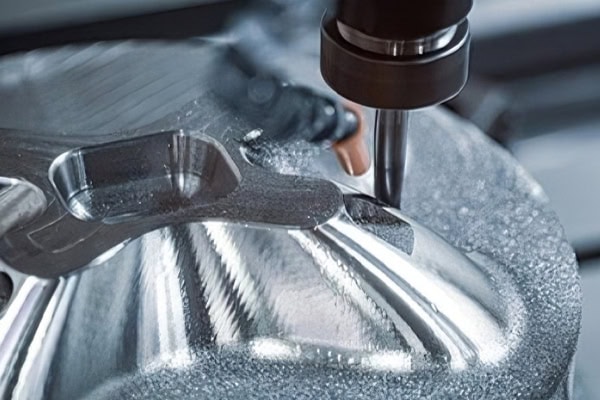
Main Causes of Thermal Deformation
Identifying heat sources is the foundation for controlling machining errors.
Improper Cutting Parameter Settings
Cutting speed, feed rate, and cutting depth all affect the temperature in the machining zone. When parameters are set too high, efficiency increases, but heat also accumulates rapidly.
- Set spindle speed appropriately based on material properties.
- Optimize feed rate to reduce unnecessary frictional heat.
- Adjust cutting parameters according to roughing and finishing stages.
Proper parameter matching helps balance efficiency and thermal control.
Tool Wear Increases Heat Generation
As tools are used over time, they gradually wear, increasing cutting resistance and generating more heat.
- Regularly inspect tool wear to avoid abnormal cutting conditions.
- Select tools suitable for the material to improve heat and wear resistance.
- Establish a scientific tool replacement system to maintain machining stability.
Good tool management not only reduces heat generation but also minimizes dimensional variation.
Insufficient Cooling System Efficiency
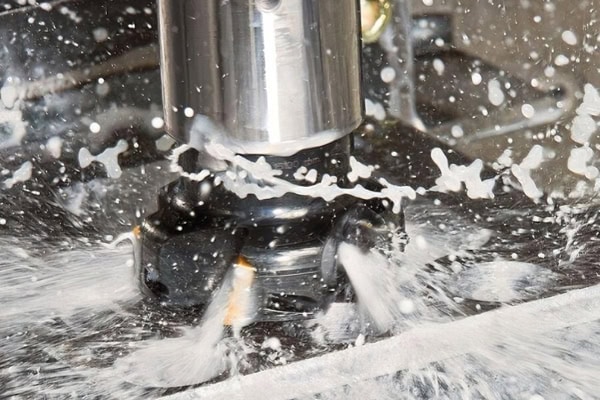
Cooling methods directly affect heat dissipation in the machining zone. If coolant supply is insufficient, heat tends to accumulate at the tool–workpiece interface.
- Maintain stable coolant flow to improve heat dissipation efficiency.
- Select appropriate cooling methods based on material and process requirements.
- Use high-pressure cooling or minimum quantity lubrication (MQL) to improve thermal control.
A well-optimized cooling system helps enhance CNC milling stability.
How to Reduce the Impact of Thermal Deformation on Machining Accuracy
By optimizing the machining process, thermal-induced hidden errors can be effectively reduced.
Control Machining Environment Temperature
Environmental temperature changes affect both machine tools and workpieces, especially in high-precision machining.
- Maintain a constant-temperature workshop to reduce external thermal interference.
- Avoid sudden temperature fluctuations affecting equipment.
- Establish stable production conditions to improve repeatability.
A stable environment helps equipment maintain reliable performance over time.
Optimize Machining Process Flow
A well-designed process can reduce continuous heat accumulation. For example, setting cooling intervals after rough machining, adopting segmented machining strategies to reduce thermal impact, and optimizing tool paths for complex parts. Through scientific process design, thermal deformation risks can be effectively reduced, improving final machining accuracy.
Introduce Temperature Monitoring Technology
Temperature monitoring has become an important means of improving machining stability.
- Real-time monitoring of spindle and key component temperatures.
- Dynamically adjust machining parameters based on temperature feedback.
- Reduce accuracy drift caused by long-term operation.
Intelligent thermal control technology helps detect anomalies early and improves process controllability.
The Value of Thermal Deformation Control in High-Precision Manufacturing
In high-end manufacturing, thermal deformation management directly affects product quality and production efficiency.
Improves Consistency in Mass Production
Mass production requires not only single-part qualification but also long-term consistency. By reducing dimensional variation between batches, improving standardization, and minimizing rework and scrap rates, overall quality can be significantly improved. Stable thermal control capability is a key factor in achieving this goal. Continuous data monitoring also helps identify potential fluctuations in time.
Reduces Overall Manufacturing Cost
Effective control of thermal deformation not only improves product quality but also reduces production losses.
- Reduce the number of reprocessing operations.
- Minimize abnormal tool wear.
- Improve overall equipment utilization.
With improved machining stability, companies can achieve higher efficiency and a better cost structure.
Conclusion
Thermal effects are often not directly noticeable during machining, but their impact on CNC milling results is continuously present, especially in dimensional consistency, surface condition, and mass production stability. From process parameter settings and tool condition maintenance to machining environment control, every factor can create a chain reaction affecting final accuracy. For high-precision part manufacturing, effectively suppressing thermal-induced fluctuations is essential to ensuring product reliability. Leveraging mature CNC milling experience and systematic process control capabilities, TiRapid provides high-precision machining services, helping customers achieve more stable and consistent manufacturing quality.