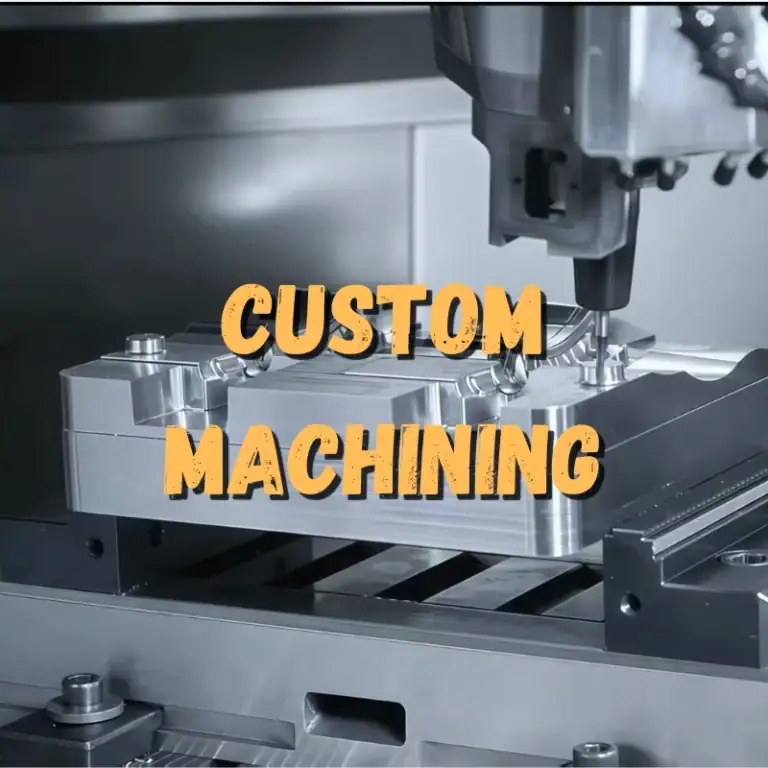
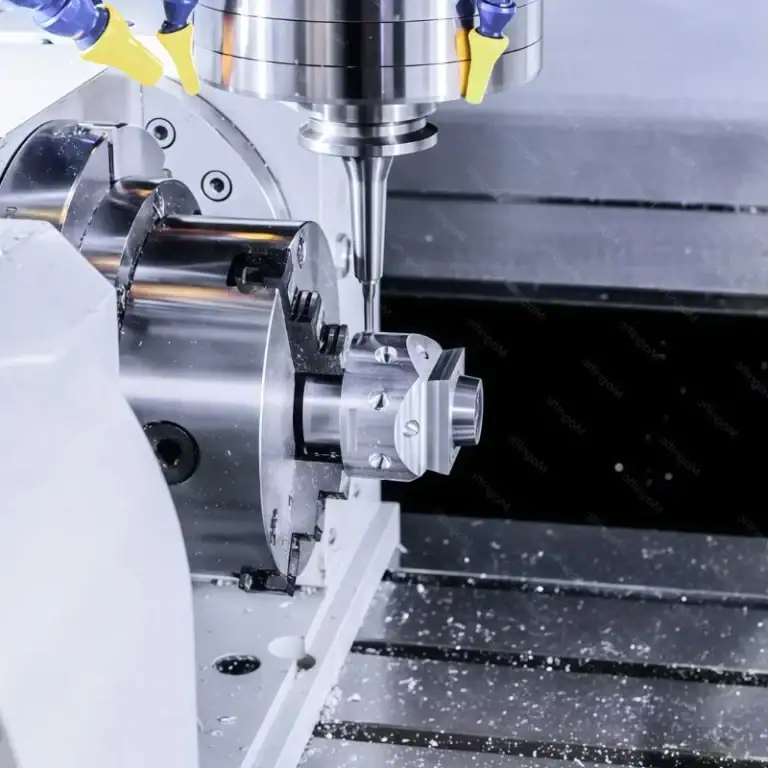
CNC plastic machining has certain requirements for material condition, machining environment, tool condition, and dimensional inspection. Many production sites pay more attention to cutting speed, feed rate, tool selection, and cooling methods, but often overlook the effects of air humidity on certain plastic materials. Ordinary plastic parts generally do not show obvious changes immediately when exposed to normal workshop humidity for a short period. However, for hygroscopic engineering plastics, changes in humidity may affect material weight, dimensional stability, machining condition, and the final accuracy of the parts. Different plastics have different sensitivities to moisture. POM, ABS, PA, PC, PEEK, PEI, and other materials behave differently during machining. Some of these materials may experience changes in dimensions and mechanical properties after absorbing moisture from the air.
Nylon (PA), in particular, has relatively strong hygroscopic properties. When the material is stored for a long time or the machining environment has high humidity, its moisture content may increase significantly. If the material is not properly treated according to its characteristics before machining, dimensional changes, reduced surface quality, and increased burrs may occur during cutting. Proper control of material storage conditions, the machining site, and the inspection environment can reduce the effects of environmental changes on parts. For plastic parts with tight dimensional tolerances, thin structures, or requirements for long-term dimensional stability, greater attention should be paid to the hygroscopic characteristics of the material itself rather than simply assuming that all plastics will experience the same changes in humid environments.
Why Does Humidity Affect CNC Plastic Machining?
Plastic materials do not completely resist moisture absorption. Some engineering plastics contain molecular structures that can readily combine with water. When materials remain in a high-humidity environment for an extended period, moisture from the air may gradually enter the material. This change may not be directly visible to the naked eye, but it can appear in machining dimensions, material toughness, and surface quality.
Moisture Absorption Can Change Material Dimensions
For plastics with higher hygroscopicity, absorbing moisture may cause a certain degree of dimensional change. The dimensions of a material in a dry state and a moisture-absorbed state may not be exactly the same. Therefore, even when the same set of machining parameters is used, differences may occur in the final measurement results.
Nylon PA: Has relatively obvious moisture absorption, and changes in ambient humidity have a relatively significant effect on its dimensions.
PC: Has a certain degree of hygroscopicity, so the material condition before machining needs to remain stable.
ABS: Generally absorbs less moisture than nylon, but may still be affected when exposed to humid environments for extended periods.
POM: Has relatively low hygroscopicity and good dimensional stability, but the material condition still needs to remain stable during precision machining.
PEEK, PEI: These materials generally do not have extremely high hygroscopicity, but material storage and machining environments still need to be considered during precision machining.
Moisture Can Affect the Machining Condition
When a material contains a relatively high amount of moisture, the heat generated during cutting, chip formation, and machined surface condition may change. For plastics with noticeable hygroscopicity, differences in internal moisture content may also cause differences in toughness during cutting. If thin-walled parts, precision sleeves, or components requiring high dimensional accuracy are being machined, changes in material condition may result in different dimensional measurement results even when the CNC program remains unchanged.
What Specific Effects Does Humidity Have on CNC Plastic Machining?
Dimensional Accuracy May Change
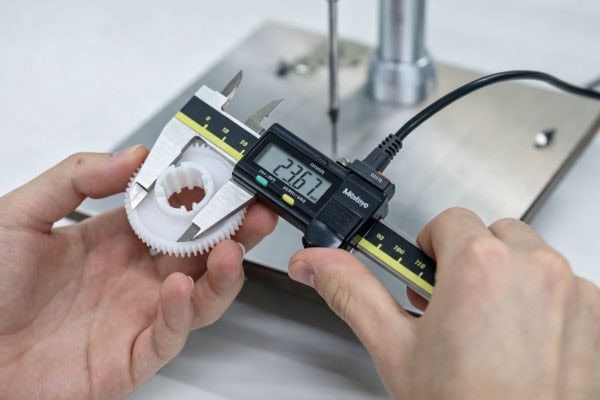
Dimensional accuracy is an important requirement in CNC plastic machining. When plastic materials are affected by humidity, they may experience slight moisture-induced expansion. For ordinary structural parts, this change may not be obvious. However, for bushings, gears, sliders, and precision connectors with tight mating dimensions, even minor dimensional changes may affect assembly performance. After machining is completed, if the parts are transferred from a high-humidity environment to a dry environment, the moisture contained in the material may gradually decrease, causing the dimensions to change accordingly. Therefore, dimensional inspection of precision plastic parts should not focus only on the moment immediately after machining. A relatively stable inspection environment should also be maintained according to the characteristics of the material.
Effects of Humidity on Surface Quality
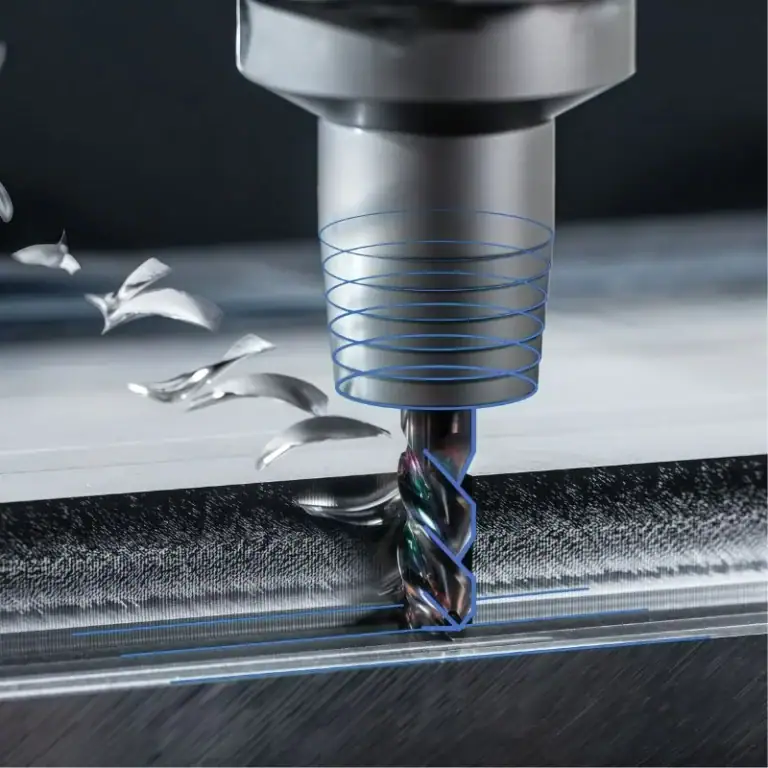
Humidity itself does not directly determine whether the surface of a plastic part will be smooth. However, when the moisture condition of the material changes, its cutting performance may also change. If the tool is not sharp enough or the machining parameters are inappropriate, combined with unstable material conditions, the machined surface may develop burrs, stringing, or localized roughness. For POM, PA, PEEK, and other engineering plastic parts that require good surface quality, proper material storage and stable machining conditions can help reduce abnormal changes during machining.
Pay Attention to Material Storage Time
Even when plastic raw materials are sealed and packaged, they may still be affected by ambient humidity after opening. Especially during the rainy season, in coastal areas, or in production environments with high humidity, materials may gradually absorb more moisture if they are left exposed for a long time after opening. Therefore, CNC plastic machining sites generally need to arrange storage methods according to the characteristics of the material. For materials with high hygroscopicity, attention should not be limited to the machining equipment itself. The time between raw material receipt, package opening, and machining use should also be considered.
How Can the Effects of Humidity Be Reduced at the Machining Site?
Humidity control does not mean that the entire production workshop must be kept extremely dry, nor does moisture protection require excessive investment in an extreme constant-temperature and constant-humidity environment. More importantly, reasonable management and graded control should be applied to areas that are susceptible to moisture according to the hygroscopic characteristics of different plastic materials, machining accuracy requirements, and production schedules.
Materials Need to Be Stored Properly
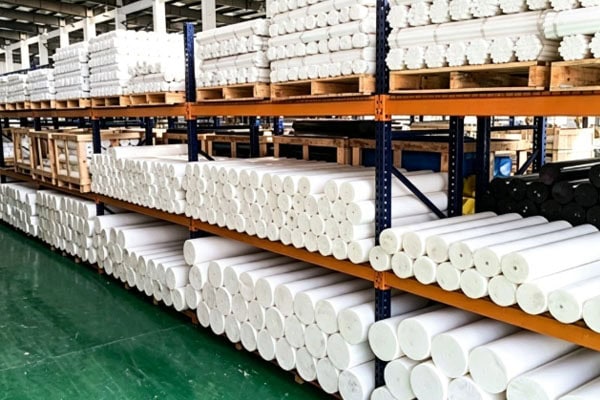
Plastic rods, sheets, and prefabricated parts should be kept from being directly exposed to humid air for extended periods whenever possible. Unused materials can remain in their original packaging, while materials to be machined should be stored according to the specific grade and the supplier’s requirements. For engineering plastics with high hygroscopicity, if drying treatment is required before use, it should be carried out according to the temperature and time requirements provided by the material supplier. Avoid independently using excessively high temperatures or excessively long treatment times.
Choose a Stable Machining Environment
Large changes in workshop humidity may cause materials to have different moisture conditions at different times. For ordinary plastic parts, the effect may be very small. For precision engineering plastic parts, however, this deserves greater attention. The production site can record temperature and humidity according to product accuracy requirements. When the machining batch changes or the production environment changes significantly, the dimensions of the first part can be checked again to confirm whether the part still meets the drawing requirements.
Importance of the Inspection Environment
After plastic parts are machined, dimensional inspection is usually performed using tools such as calipers, micrometers, and coordinate measuring machines. For precision plastic parts, changes in the temperature and humidity of the inspection environment may affect both material dimensions and measurement results. Therefore, plastic parts with high dimensional accuracy requirements should preferably be inspected in a relatively stable environment, and the parts should be allowed to sit for an appropriate period before inspection so that their temperature and environmental conditions can become relatively stable.
Frequently Asked Questions
Q: Are All CNC Plastic Materials Affected by Humidity?
No. Different plastics have significant differences in their moisture absorption capabilities. PA nylon is relatively sensitive to moisture, while POM has relatively low hygroscopicity. PEEK, PEI, PC, ABS, and other materials also have different levels of hygroscopicity. Therefore, the specific material grade needs to be considered rather than applying the same standard to all plastics.
Q: Will High Humidity Directly Cause CNC Plastic Parts to Fail During Machining?
Usually, high humidity alone will not directly cause machining failure. What really needs to be considered is whether the material has significant hygroscopicity and how demanding the part is in terms of dimensional accuracy and stability. For ordinary structural parts, short-term changes in ambient humidity may have limited effects. For precision mating components, however, greater attention should be paid to material condition and inspection conditions.
Q: Does POM CNC Machining Require Special Humidity Control?
POM itself has relatively low hygroscopicity, so it is generally less sensitive to humidity than PA nylon. However, if precision POM gears, bushings, sliders, or thin-walled parts are being machined, it is still recommended to keep material storage and machining conditions stable. This can reduce the influence of material condition changes between different batches on dimensional inspection results.
In conclusion
The effects of humidity on CNC plastic machining mainly depend on the hygroscopic characteristics of the plastic material itself and the dimensional stability requirements of the part. For engineering plastics such as POM, which have relatively low hygroscopicity, a normal workshop environment generally will not cause significant problems, but material and inspection conditions should still remain stable during precision machining. For materials such as PA and PC that are more sensitive to moisture, greater attention needs to be paid to storage time after opening, material condition before machining, and necessary drying treatment. In actual production, sharp tools and appropriate cutting parameters can improve surface quality, while stable material conditions can help reduce dimensional changes. For plastic parts with high accuracy requirements, dimensional inspection should also be performed after machining, and the inspection environment should be kept as stable as possible.
If dimensional fluctuations occur under the same program and the same tool conditions, the material batch, storage time, temperature and humidity changes, and clamping condition should be checked rather than simply adjusting the machining parameters. Therefore, humidity is not the only factor that determines quality in CNC plastic machining. Proper storage of plastic materials, reducing prolonged exposure to humid air, and carrying out necessary pretreatment according to the material supplier’s requirements can make machining dimensions, surface quality, and batch consistency easier to control. For precision plastic parts, only when the material condition, machining conditions, and dimensional inspection remain relatively stable can the final parts more easily meet engineering drawing and assembly requirements.