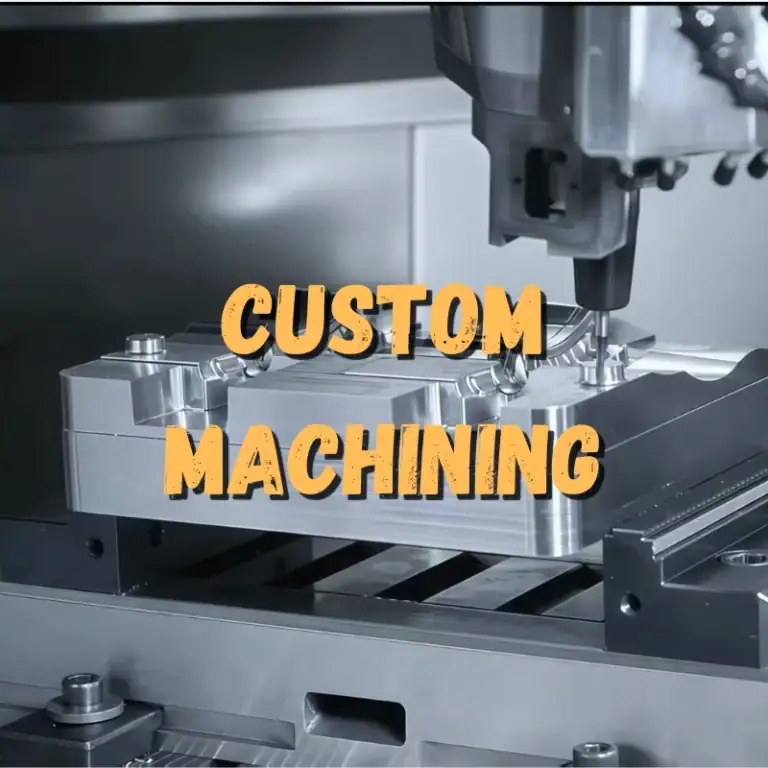
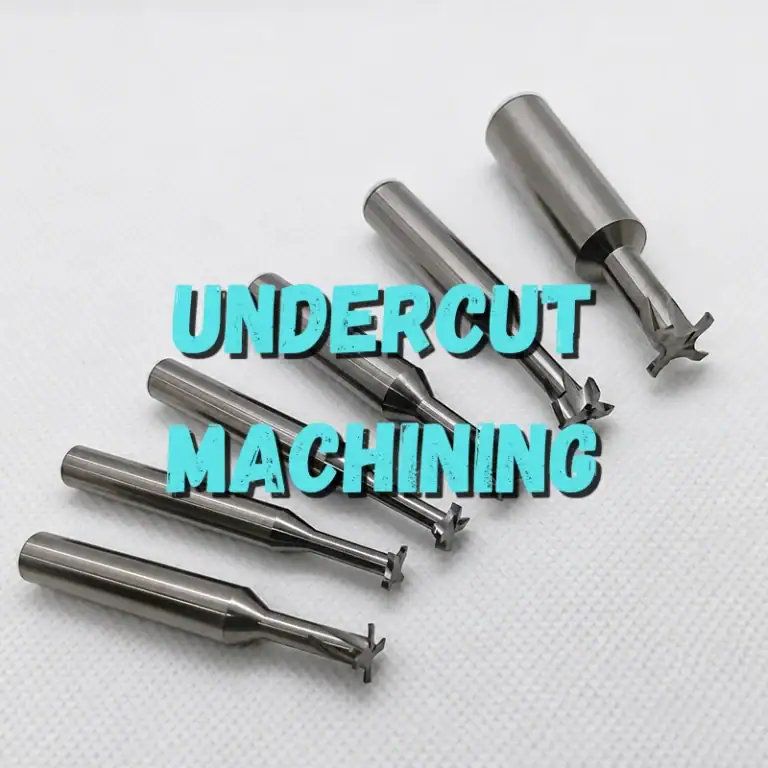
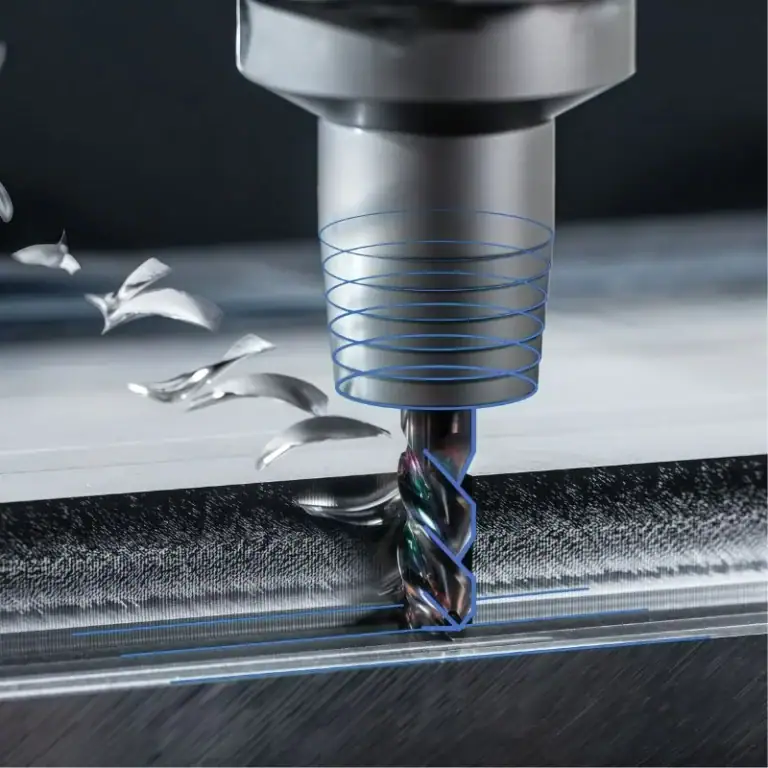
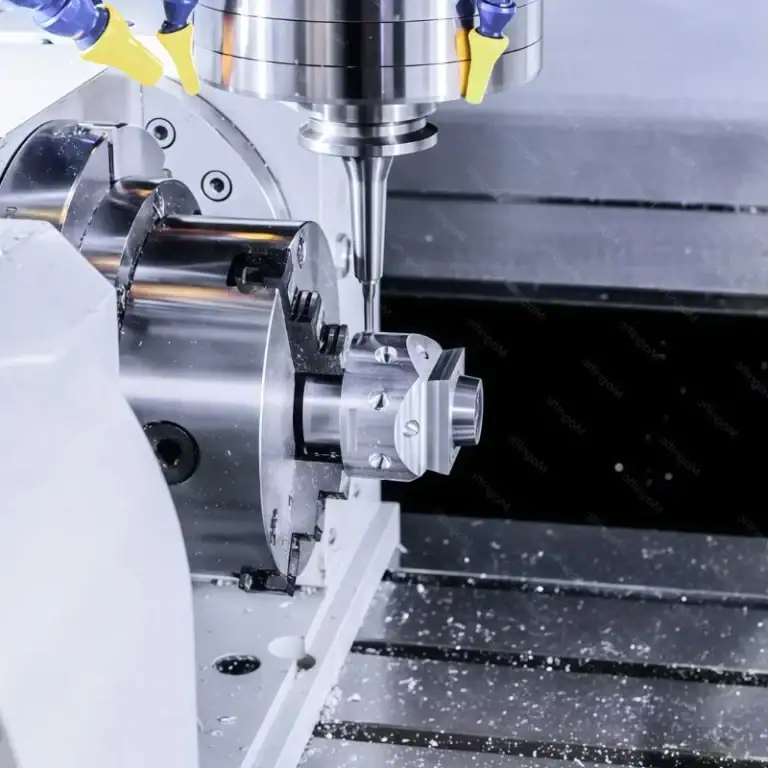
During precision machining, tool breakage is one of the most common issues faced by manufacturing companies. A broken tool may seem like a small loss, but the actual impact can be much greater, including interrupted production, scrapped parts, machine downtime, and delayed project delivery. The problem becomes even more common when machining difficult materials such as stainless steel, titanium alloys, and hardened steels. In many cases, tool breakage is not simply caused by poor tool quality. It can be related to tool selection, machining parameters, equipment conditions, and operating methods. Finding the real cause is essential for improving machining stability and reducing unnecessary production risks.
Tool-Related Factors Are an Important Cause of Tool Breakage in Precision Machining
In precision machining, cutting tools directly contact the workpiece and perform material removal, making them a key part of the entire manufacturing process. If the wrong tool is selected or tool management is insufficient, tool breakage may occur even when the machine performs well. Many machining problems are actually caused during the tool selection stage, such as unsuitable tool materials, incorrect tool sizes, or excessive wear. To reduce tool breakage, manufacturers need to start with the tool itself and pay attention to the following factors.
Improper Tool Material Selection
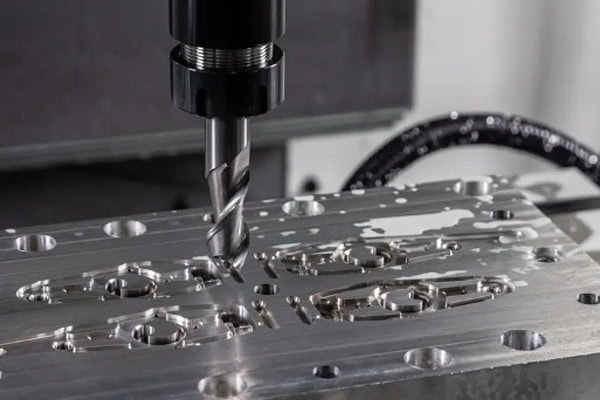
Different materials require different tool performance. For example, aluminum machining focuses more on sharpness and chip removal, while titanium alloy and stainless steel machining require higher wear resistance and impact resistance. If the tool material cannot handle the cutting pressure, it may experience chipping or even sudden breakage. In precision machining, the most expensive tool is not always the best choice. The tool needs to match the material, part structure, and machining method. Proper tool material selection can reduce abnormal wear and improve machining stability.
- Insufficient hardness may cause edge damage.
- Poor heat resistance may lead to performance degradation.
- Weak impact resistance may cause tool failure.
Choosing the right tool material helps maintain stable machining performance. Especially in high-precision part manufacturing, tool condition directly affects dimensional control and surface quality. Proper tool selection reduces machining fluctuations and improves overall production efficiency.
Continuing to Use Severely Worn Tools
During continuous cutting, tools are affected by friction and heat, causing gradual wear on the cutting edges. If worn tools are not inspected and replaced in time, cutting resistance increases, placing more stress on both the tool and machine, which may eventually result in breakage. In many batch production projects, tools do not fail suddenly; they gradually lose performance due to long-term fatigue.
- Dull cutting edges increase cutting load.
- Machining dimensions may become inaccurate.
- Surface quality gradually decreases.
- Tool life becomes significantly shorter.
Establishing proper tool management methods can effectively reduce unexpected breakage. For precision machining projects, predicting tool life in advance is more reliable than waiting until tool failure occurs, and it can also reduce part rework costs.
Mismatch Between Tool Size and Machining Requirements
Besides tool material, incorrect tool size selection is another common cause of breakage. For example, when machining deep grooves, deep holes, or complex cavities, overly long tools have lower rigidity and are more likely to vibrate. If the tool diameter is too small, it may not withstand large cutting forces.
- Excessive tool length can cause deflection.
- Small tool diameters may have insufficient strength.
- Tool geometry can affect chip removal performance.
Tool dimensions need to be selected based on part structure and machining conditions. Proper tool sizing reduces vibration, improves stability, and makes precision machining processes more reliable.
Improper Machining Parameters Increase the Risk of Tool Breakage
Besides tool-related issues, machining parameters are another major factor affecting tool life. Many manufacturing problems occur not because of poor equipment or tool quality, but because cutting speed, feed rate, or machining depth are set incorrectly. In order to improve efficiency, some companies increase cutting speeds or material removal rates, but excessive loads can easily damage tools. Precision machining is not simply about achieving higher speed; it requires maintaining a proper balance between tools, machines, and materials. Cutting speed, feed rate, and depth of cut all need careful adjustment.
Excessive Cutting Speed Increases Tool Load
Cutting speed determines the movement frequency between the tool and workpiece. If the speed is too high, more heat is generated, while cutting pressure also increases. For materials with poor thermal conductivity or high hardness, high-speed machining may accelerate tool wear.
- Higher machining temperatures.
- Faster tool wear.
- Increased risk of abnormal vibration.
Proper cutting speed control allows tools to operate in a more stable condition. When machining difficult materials, parameters should be adjusted according to material characteristics instead of simply pursuing faster production.
Excessive Feed Rate
Feed rate directly affects the cutting force applied to the tool. If the feed speed is too high, the tool experiences greater impact during each cutting movement, especially when using small-diameter tools.
- Increases tool stress.
- Reduces machining stability.
- Affects surface quality.
Proper feed adjustment reduces tool pressure and improves cutting stability. In precision machining, stable cutting conditions are often more important than simply increasing processing speed.
Improper Cutting Depth Planning
During machining, removing too much material in a single pass can significantly increase tool stress. For complex structural parts, unreasonable tool paths may create excessive local loads.
- Reduce cutting depth per pass.
- Optimize machining paths.
- Lower tool impact forces.
Reasonable cutting depth planning extends tool life while improving part quality. Multi-stage machining strategies can make the entire process more stable.
Equipment Conditions and Machining Environment Also Affect Tool Breakage
When analyzing tool breakage, many manufacturers focus mainly on tools and machining parameters, but equipment conditions are equally important. Machine accuracy, workpiece clamping, cooling systems, and chip removal conditions can all affect the actual cutting process. In precision machining, maintaining a stable production environment is an important factor in reducing tool failure.
Machine Vibration Affects Machining Stability
During machining, insufficient machine rigidity or unstable workpiece clamping can cause vibration. These vibrations create additional impact on the tool, affecting surface quality and increasing the possibility of breakage.
- Creates machining marks and vibration patterns.
- Affects dimensional accuracy.
- Accelerates tool wear.
Stable machine conditions reduce abnormal cutting behavior. By improving workholding methods and maintaining equipment accuracy, manufacturers can reduce vibration effects and improve machining reliability.
Insufficient Cooling Performance
Cutting processes generate large amounts of heat. Without proper cooling, tool temperature continues to rise, reducing tool performance. This issue becomes more serious during continuous machining operations.
- Shortens tool service life.
- Affects machining accuracy.
- Increases tool breakage risk.
Proper cooling methods help tools maintain normal operating conditions while improving machining results. Different materials and processes require suitable cooling solutions to ensure stable production.
Poor Chip Removal
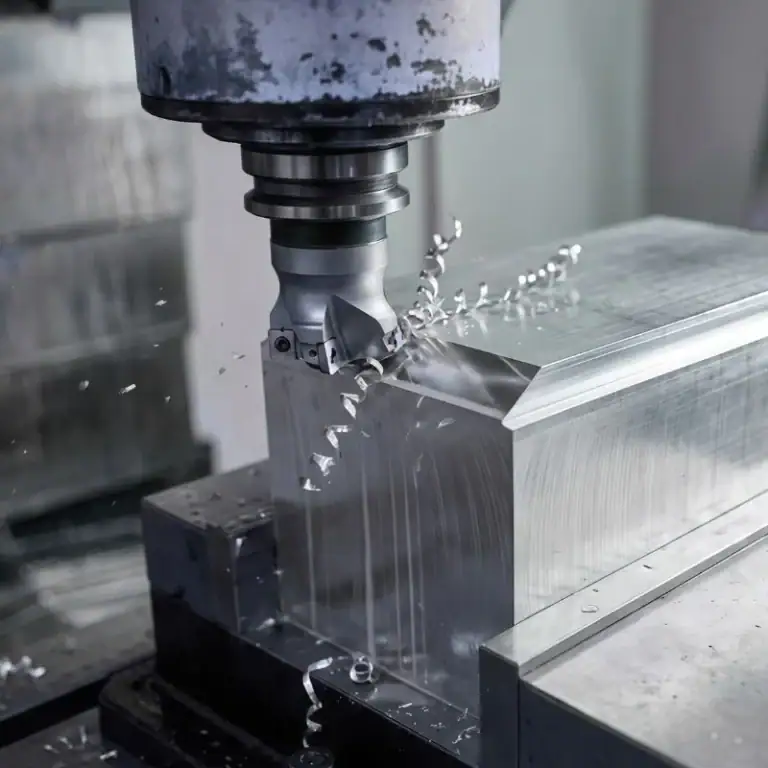
If chips generated during machining cannot be removed effectively, they may cause repeated cutting and increase tool pressure. This problem is especially common in deep groove and deep hole machining.
- Chip accumulation affects machining performance.
- Increases cutting resistance.
- Reduces machining efficiency.
A good chip removal system reduces machining problems and improves tool stability. For complex part manufacturing, chip management is also an important part of precision machining processes.
How to Reduce Tool Breakage During Precision Machining?
Although tool breakage is common, it can be significantly reduced through proper process planning and production management. Many tool failures are not sudden problems but are caused by issues during preparation, such as improper tool selection, insufficient process planning, or weak inspection procedures. A stable manufacturing process requires optimization from multiple stages.
Perform Process Analysis Before Machining
Before production begins, manufacturers need to analyze part structures, material characteristics, and accuracy requirements to identify potential issues in advance.
- Plan suitable machining routes.
- Select proper tool solutions.
- Optimize workholding methods.
Adequate preparation reduces unnecessary adjustments during production, improves efficiency, and lowers the risk of tool failure.
Establish Tool Management Procedures
Tool management is not only about replacing tools but also tracking tool usage and performance. Through proper data management, manufacturers can better determine tool life.
- Record tool usage time.
- Monitor tool wear conditions.
- Optimize replacement schedules.
Scientific tool management reduces unexpected production issues, improves precision machining stability, and helps control manufacturing costs.
Strengthen In-Process Inspection
Detecting problems during machining can prevent small issues from becoming major failures. By monitoring part conditions and equipment performance, machining strategies can be adjusted quickly.
- Monitor critical dimensional changes.
- Inspect machining quality.
- Adjust parameters when needed.
A complete process control system improves part acceptance rates and makes precision machining more stable and reliable.
Tool breakage in precision machining is usually caused by multiple factors, including tool selection, machining parameters, equipment conditions, and process management. Reducing tool failure requires not only choosing suitable tools but also optimizing machining procedures, maintaining equipment, and strengthening process inspection. Stable machining conditions help reduce production waste, improve part accuracy, and ensure reliable delivery. Tirapid specializes in precision machining services, providing high-precision part machining solutions to help companies achieve stable and high-quality customized manufacturing.