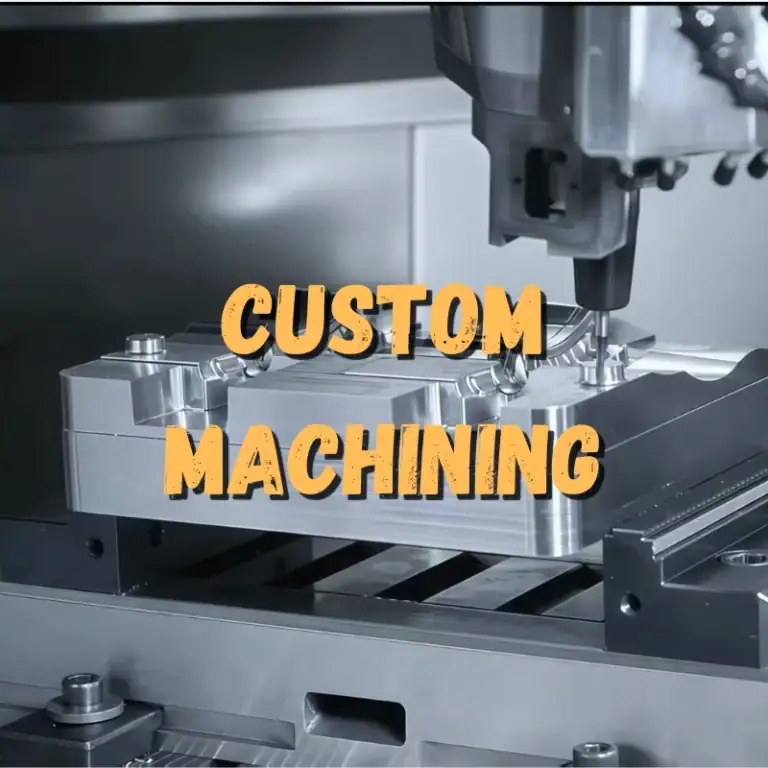
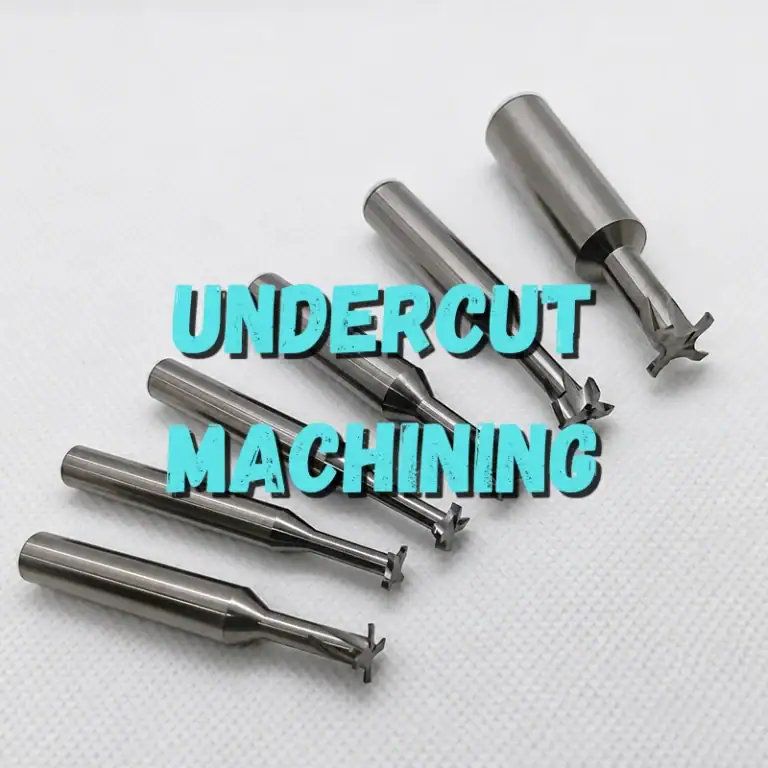
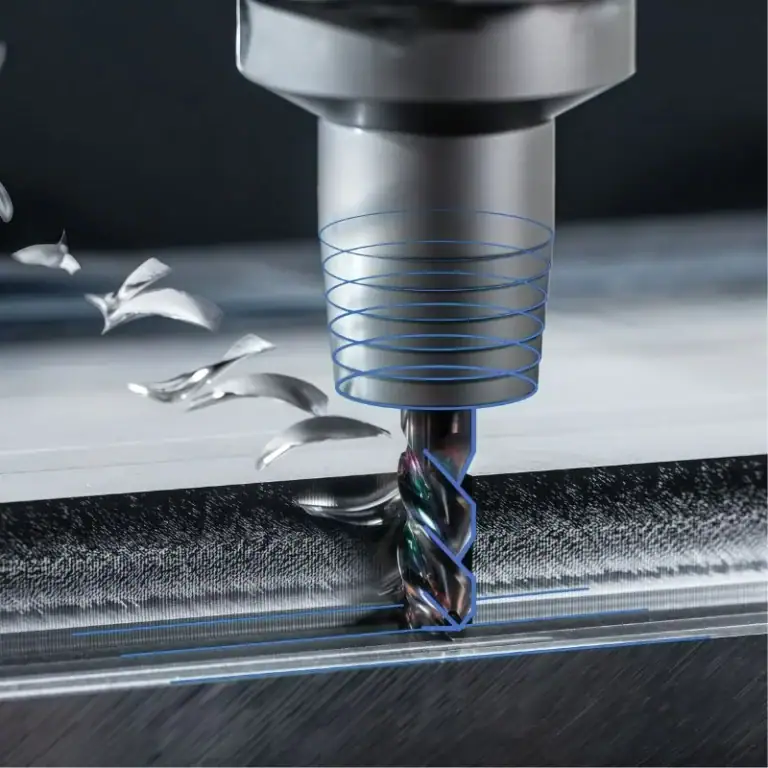
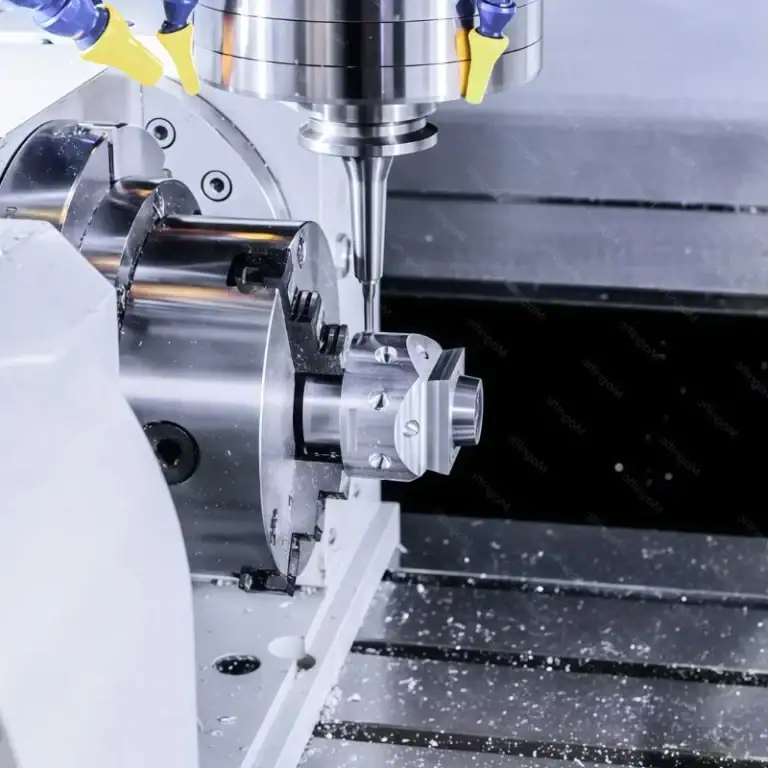
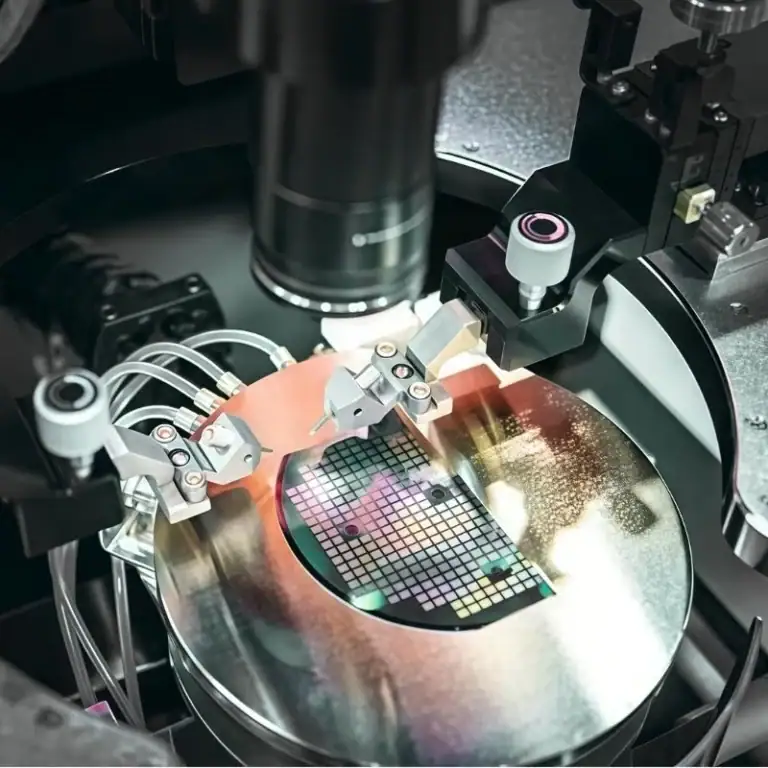
In CNC machining and metal part manufacturing, material hardness directly affects tool selection, cutting parameters, machining efficiency, and final part quality. Although both soft and hard metals can be processed through turning, milling, drilling, and other machining methods, their practical machining requirements are quite different. Understanding these differences can help manufacturers select suitable machining processes, reduce tool wear, and control production costs.
What Are Soft Metals and Hard Metals?
Characteristics of Soft Metals
Soft metals generally have relatively low hardness and good ductility. Common examples include aluminum, copper, brass, and some magnesium alloys. These materials are usually easier to cut and can often be machined at relatively high cutting speeds when machine and tooling conditions allow.
However, soft metals are not necessarily easy to machine in every situation. Some soft materials are prone to tool adhesion, burr formation, and long chips. If tool geometry or cutting parameters are not properly selected, dimensional accuracy and surface quality can still be affected.
Characteristics of Hard Metals
Hard metals generally have higher hardness and strength. Typical examples include tool steel, hardened steel, and some nickel-based alloys. When machining these materials, cutting forces and cutting temperatures are usually higher, placing greater demands on tool wear resistance, machine rigidity, and process stability.
Hard metal machining requires more careful control of cutting parameters. Tool selection should also take into account material hardness, heat-treatment condition, and part geometry.
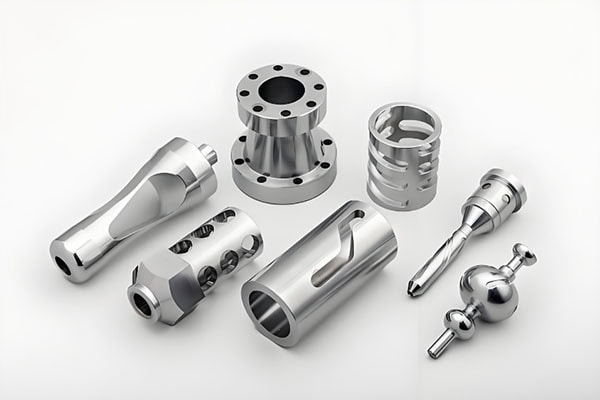
How Does Tool Selection Differ?
Soft Metals Require Sharp Cutting Tools
When machining soft metals such as aluminum, copper, and brass, tools should have sharp cutting edges to reduce material adhesion and cutting resistance.
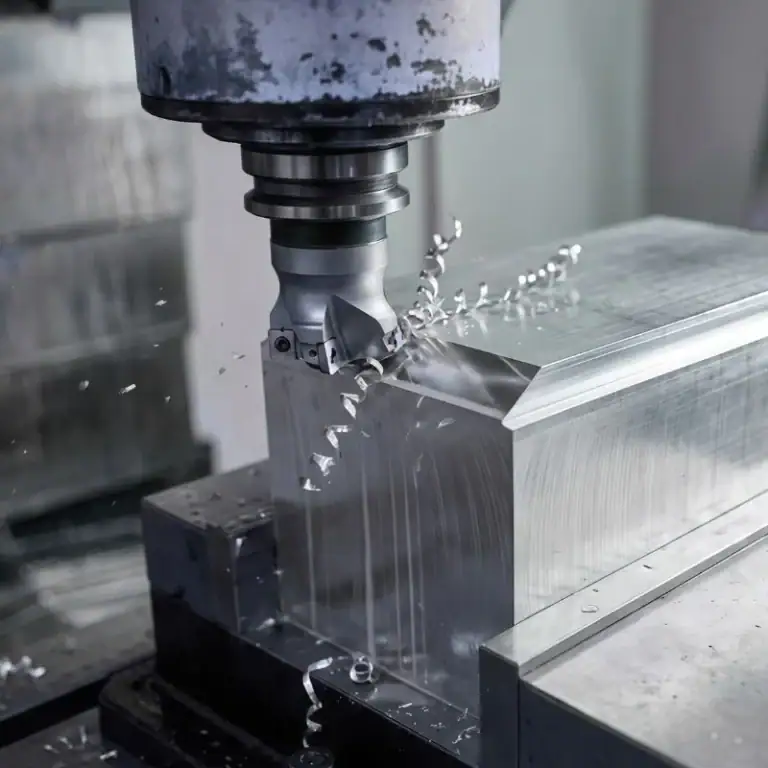
For aluminum CNC machining, carbide tools designed for non-ferrous metals are commonly selected according to the material and part geometry. Tool flute geometry should also provide effective chip evacuation to prevent long chips from repeatedly entering the cutting zone.
Hard Metals Require Higher Wear Resistance
When machining hardened steel or high-strength alloys, cutting tools are exposed to greater mechanical and thermal loads. As a result, tool wear resistance becomes particularly important.
Carbide and coated cutting tools are commonly used for hard metal machining. At the same time, tool overhang should be controlled to reduce deflection and vibration caused by excessive tool length.
How Do Cutting Parameters Differ?
Soft Metals Can Usually Be Machined at Higher Cutting Speeds
Materials such as aluminum and brass generally have relatively low cutting resistance. Therefore, when machine and tooling capabilities allow, higher spindle speeds and suitable feed rates can be used to achieve higher material removal rates.
However, cutting speed should not simply be increased as much as possible. Excessively aggressive parameters can still cause burrs, vibration, and increased heat generation.
Hard Metals Require Careful Control of Cutting Loads
When machining hard metals, spindle speed, feed rate, and depth of cut need to be selected more carefully. Excessive cutting parameters can cause rapid tool wear and, in severe cases, cutting-edge chipping or tool failure.
When machining high-hardness materials, parameters should be adjusted according to the material condition, tool performance, and machine rigidity. A stable finishing process is also important for maintaining final dimensional accuracy.
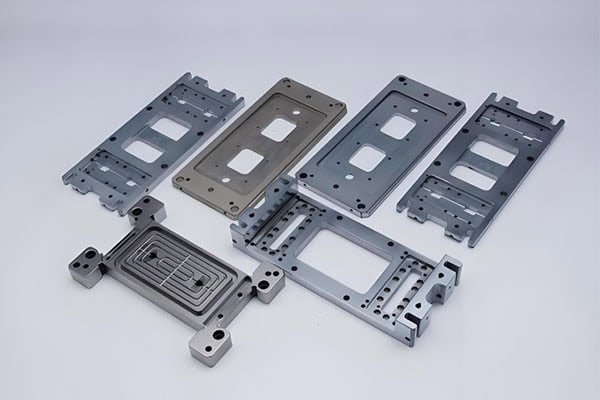
How Do Machining Efficiency and Tool Life Differ?
Soft Metals Usually Offer Higher Machining Efficiency
Soft metals are relatively easy to cut and can achieve high material removal rates under appropriate machining conditions. For aluminum CNC machining and high-volume mechanical part production, optimizing tool paths, cutting speed, and feed rate can further improve productivity.
Hard Metals Are More Sensitive to Tool Wear
Hard metal machining generates relatively high cutting forces and heat, which can accelerate tool wear. If a worn tool continues to be used, dimensional deviations and increased surface roughness may occur.
For high-volume hard metal machining, manufacturers should establish a suitable tool life management system and replace tools according to actual machining conditions.
How Do Surface Quality Problems Differ?
Soft Metals Are Prone to Burrs and Tool Adhesion
Because soft metals are generally ductile, machining can result in burrs, material adhesion, and long chips.
Using sharp cutting tools, controlling feed rates, and improving cooling and chip evacuation can help reduce these problems. For precision aluminum parts, particular attention should also be paid to small burrs that may remain after machining.
Hard Metals Are More Prone to Vibration and Tool Marks
Hard metals generate relatively high cutting resistance. If machine rigidity is insufficient, workholding is unstable, or the tool overhang is excessive, machining vibration can occur.
Vibration not only shortens tool life but can also leave visible tool marks on the workpiece surface and negatively affect surface roughness. Therefore, precision finishing of hard metals generally places higher demands on the machine, fixtures, and cutting tools.
How Should the Machining Process Be Selected?
Adjust Parameters According to Material Properties
Different metal materials should not simply be machined using the same CNC parameters. Before machining, the material grade, hardness, and heat-treatment condition should be confirmed. Cutting parameters can then be selected according to tool material, machine capability, and part geometry.
Plan the Machining Sequence Properly
Whether machining soft or hard metals, roughing, semi-finishing, and finishing operations should be arranged according to the part geometry and functional requirements.
Soft metal machining requires greater attention to deformation and burr formation, while hard metal machining focuses more on cutting stability and tool life. For complex parts, a well-planned machining sequence can also reduce the number of setups and accumulated positioning errors.
Pay Attention to In-Process Inspection
After machining, dimensions and surface quality should be inspected according to the part requirements. For high-precision metal components, tools such as micrometers, calipers, surface roughness testers, and coordinate measuring machines (CMM) can be used to verify critical dimensions, tolerances, and surface parameters.
The difference between machining soft metals and hard metals is not simply a matter of material hardness. It also involves tooling, cutting parameters, machine rigidity, heat dissipation, chip evacuation, and quality control.
Soft metal machining generally places greater emphasis on machining efficiency, chip evacuation, and preventing tool adhesion, while hard metal machining focuses more on tool wear resistance, cutting stability, and final dimensional accuracy.
For actual CNC machining projects, the machining process should be developed according to material properties, part geometry, and application requirements rather than simply determining machining speed based on whether a material is soft or hard.
By properly matching the material, cutting tools, machine capabilities, and machining parameters, manufacturers can achieve consistent part quality while improving productivity and controlling overall manufacturing costs.