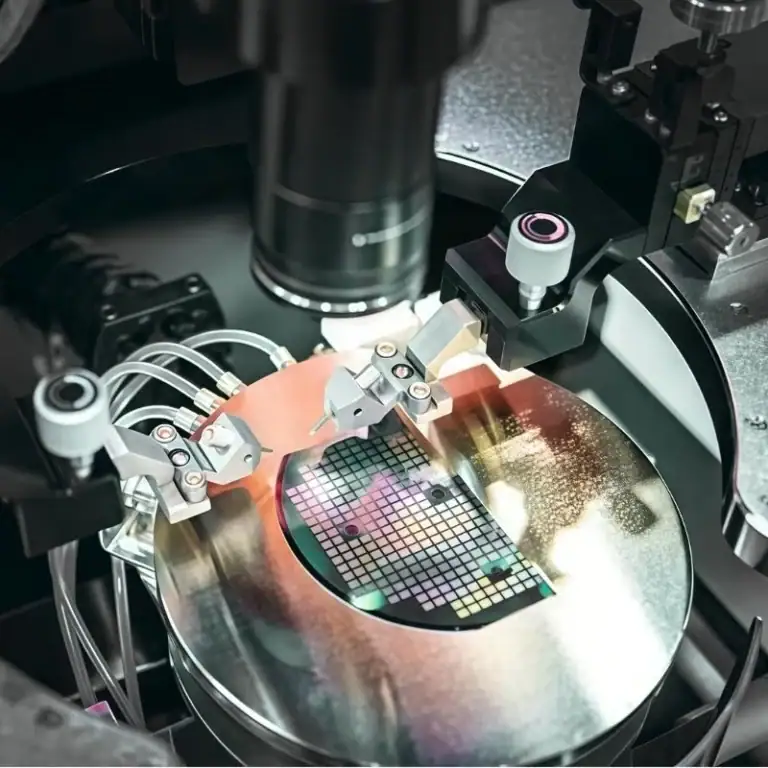
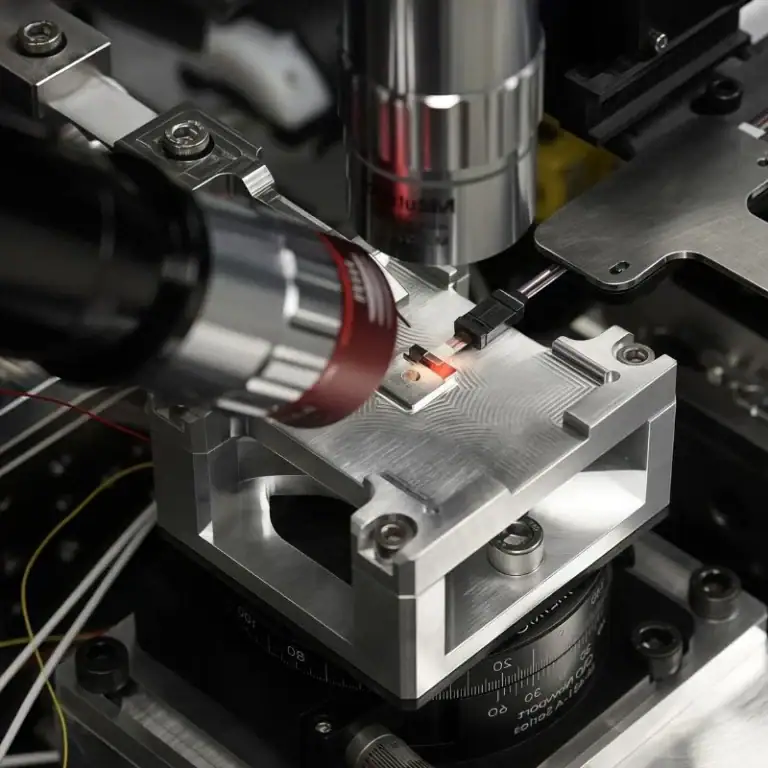
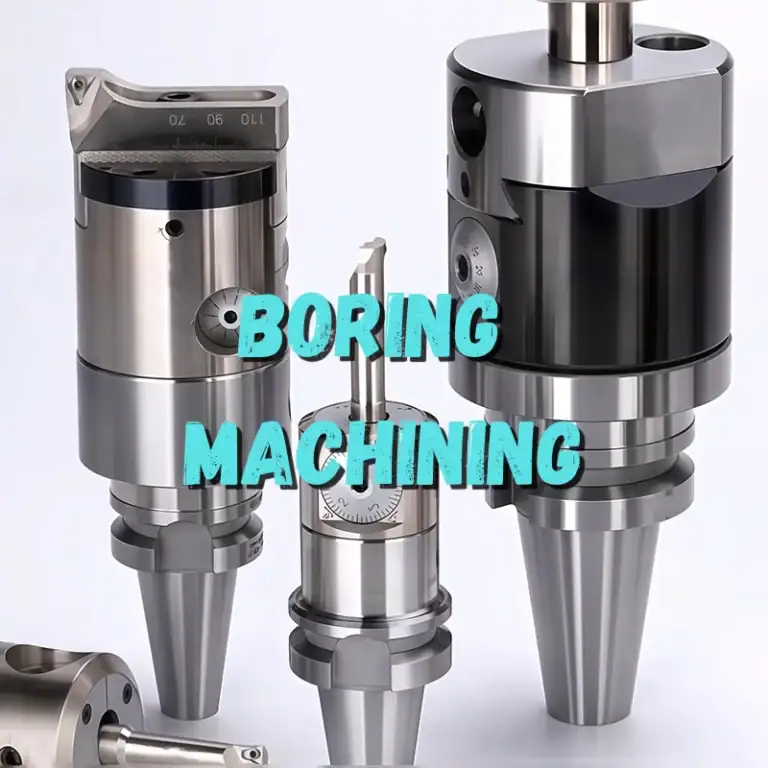
Can a part that is only a few millimeters in size, or even smaller than a grain of rice, still be machined accurately? This is one of the most common questions customers ask when developing precision products. As industries such as medical devices, semiconductors, aerospace, and electronic components continue moving toward smaller designs, part sizes are becoming more compact while machining requirements are becoming increasingly strict. Precision machining is not simply about making a part smaller; it focuses on maintaining accurate dimensions, tight tolerances, and excellent surface quality even at very small scales. Behind a tiny component may be complex structural design, strict dimensional control, and extensive machining experience.
How Small Can Precision Machining Produce Parts?
When customers inquire about precision machining, their first question is often: “How small can this part be made?” In reality, there is no single fixed answer. The achievable size depends on many factors, including machining equipment, material type, part structure, tooling, and inspection methods. Some parts may have a small overall size but contain micro holes, narrow grooves, or complex surfaces, making them much more challenging to manufacture.
In actual production, precision machining focuses not only on the overall dimensions of a part but also on whether every small feature can maintain stable accuracy. The following factors are commonly considered when evaluating machining capabilities.
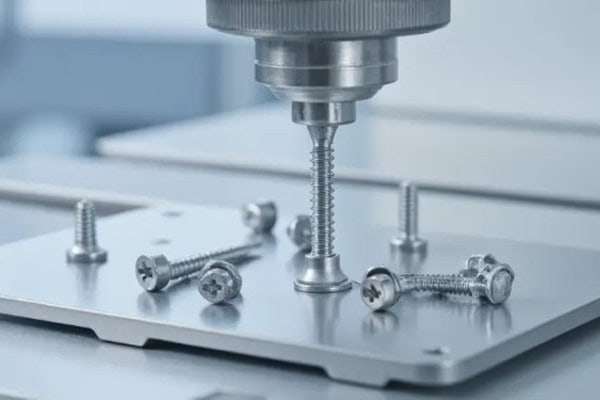
Micro Parts Can Reach Millimeter-Level and Micron-Level Manufacturing
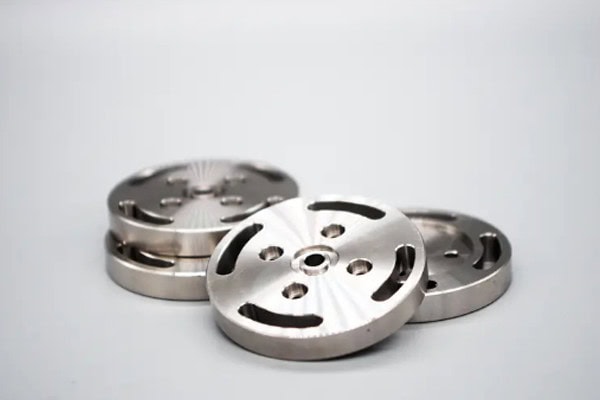
Modern high-precision machining equipment can manufacture many small components. Some miniature structures can be controlled within the millimeter range, while critical features can achieve micron-level accuracy. In certain micro-machining projects, the overall part size may be less than 10 mm, while specific holes, grooves, or features can be much smaller.
Common machining applications include:
- Small mechanical parts with millimeter-scale dimensions.
- Small-diameter shafts and connectors.
- Miniature structural components for precision instruments.
- Positioning parts requiring high dimensional accuracy.
The smaller the part size, the higher the requirements for equipment stability and process control. Small errors that may not matter in conventional machining can directly affect assembly performance in miniature components.
Part Structure Often Matters More Than Overall Size
Many people assume that smaller parts are easier to machine, but this is not always true. Some small parts have simple structures and are relatively easy to manufacture. However, other components may be compact but contain deep holes, thin walls, or multi-angle structures, making them much more difficult to process.
Factors that influence machining difficulty include:
- Whether the part contains complex internal structures.
- Whether the machining area is accessible for tools.
- Whether the material is easy to cut.
- Whether dimensional tolerances are strict.
In precision machining projects, engineers usually analyze part drawings first, identify critical machining areas, and then plan suitable processes. The true difficulty is often determined by structure and accuracy requirements rather than simply the size of the part.
Small Parts Require Higher Machining Stability
The challenge of machining a small component is not just removing material, but maintaining stability throughout the entire process. Slight tool wear, minor equipment vibration, or temperature changes can affect the final dimensions.
Key factors include:
- Maintaining consistent dimensions.
- Controlling surface roughness.
- Ensuring stable batch production.
For demanding industries, successfully machining one part does not represent complete manufacturing capability. The ability to produce stable and consistent parts repeatedly is what customers value most.
What Machining Processes Are Commonly Used for Small Precision Parts?
Different small components require different manufacturing methods. Some parts are suitable for CNC milling, while others require turning, EDM, or other specialized processes. In actual production, process selection is usually based on part materials, structural features, and application requirements. Choosing the right method improves efficiency while reducing quality risks.
CNC Precision Milling
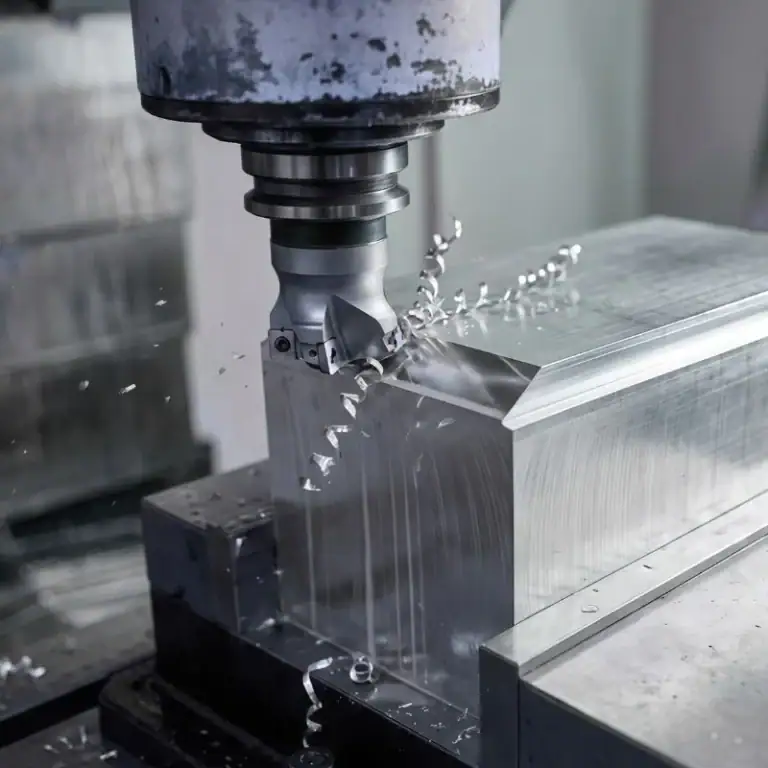
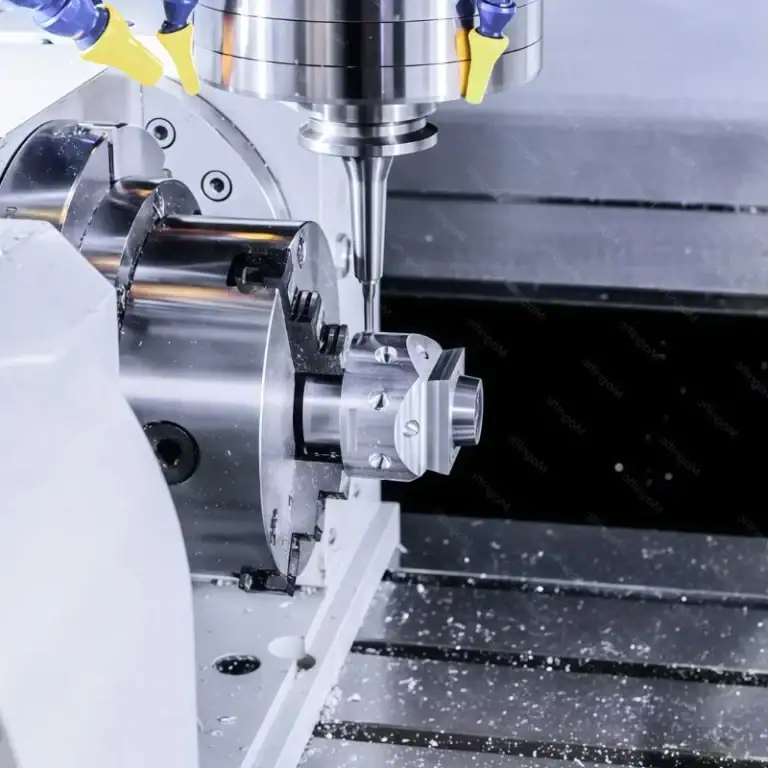
CNC milling is one of the most widely used methods in precision machining. By controlling tool movement through programmed instructions, it can manufacture complex shapes, holes, and detailed structures. For small components, CNC machining provides excellent flexibility.
Main advantages include:
- Suitable for complex three-dimensional structures.
- Compatible with various metals and engineering plastics.
- Allows quick program adjustments.
- Suitable for prototypes and small-batch production.
CNC precision milling is especially useful during product development because machining paths can be adjusted quickly after design changes without requiring complex tooling production.
Precision Turning
For cylindrical, shaft-type, and rotational components, precision turning provides excellent machining performance. Many small connectors, sleeves, and positioning components are manufactured through turning processes.
Common applications include:
- Miniature shafts.
- Precision sleeves and bushings.
- Small connection components.
Turning focuses on controlling roundness, concentricity, and dimensional stability, which directly affects the assembly performance of the final component.
EDM and Specialized Machining Technologies
For small parts made from hard materials or parts with complex structures, traditional cutting tools may not always be suitable. In these cases, specialized processes such as EDM can provide effective solutions.
Main advantages include:
- Suitable for complex miniature structures.
- Able to process high-hardness materials.
- Reduces mechanical cutting pressure.
For mold components, precision electronic parts, and special industrial components, these processes can solve challenges that conventional machining methods may not handle effectively.
Which Industries Require Small Precision Machined Parts?
Although small components may have limited physical size, they often play critical roles in many industries. As products continue to become more advanced, more companies are adopting miniature designs to achieve better performance through smaller, lighter, and more precise components.
Medical Device Industry
The medical industry requires highly accurate components. Many parts are small in size but must maintain reliable performance over long periods.
Common applications include:
- Miniature medical device components.
- Precision connection parts.
- Internal equipment structures.
Medical components usually require not only dimensional accuracy but also excellent surface quality and suitable material performance.
Semiconductor and Electronic Equipment Industry
Semiconductor equipment contains many precision components. These parts may not be large, but their machining requirements are extremely strict.
Typical components include:
- Positioning structures.
- Equipment support parts.
- Precision mounting components.
These components must operate reliably for long periods, and dimensional changes may affect overall equipment performance.
Aerospace Industry
Aerospace applications require lightweight and high-performance components, and many complex parts rely on precision machining.
Main characteristics include:
- Complex structures.
- High material performance requirements.
- Strict dimensional control.
Precision machining helps aerospace components achieve compact designs while maintaining reliable performance.
What Factors Affect the Size Capability of Precision Machining?
The minimum size achievable through precision machining does not depend only on equipment specifications. During actual manufacturing, machine accuracy, tool condition, material properties, and inspection capability all influence the final results. For small components, even minor changes during machining can have a significant impact.
Machining Equipment Accuracy
High-precision equipment is the foundation of miniature component manufacturing. Machine performance directly affects dimensional stability.
Important factors include:
- Machine positioning accuracy.
- Spindle operating stability.
- Long-term machining repeatability.
Tooling and Machining Parameters
Small precision parts usually require smaller cutting tools, and changes in tool condition can directly affect product quality.
Important considerations include:
- Tool wear condition.
- Selection of cutting speed.
- Optimization of machining paths.
Inspection and Environmental Control
After machining, miniature parts require professional inspection to confirm whether dimensions meet requirements. At the same time, environmental changes must be controlled during manufacturing.
Key controls include:
- Using coordinate measuring machines for critical dimensions.
- Reducing the impact of temperature changes.
- Maintaining batch-to-batch consistency.
Precision machining can achieve millimeter-level and even micron-level feature manufacturing, but the real challenge is not simply making parts smaller. The key is maintaining stable accuracy and reliable quality at small dimensions. With continuous improvements in CNC machining technology, inspection methods, and manufacturing processes, more complex miniature components can now meet the requirements of advanced industries. Tirapid specializes in precision machining services, providing high-precision small part machining solutions to help companies achieve stable and high-quality customized manufacturing.