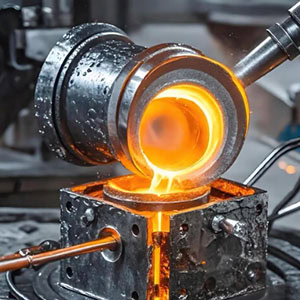
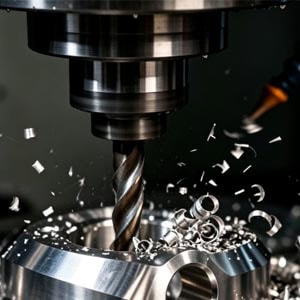
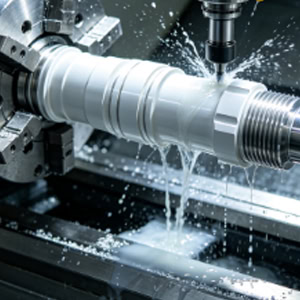
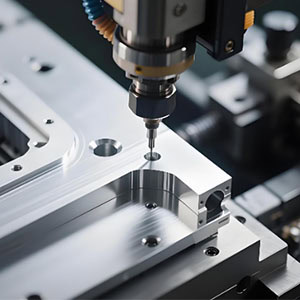
Temperature is one of the important factors affecting precision in CNC metal machining. Cutting speed, feed rate, friction between the tool and workpiece, and continuous machine operation all generate heat.
Once a part has been machined, the real headache is often not whether it can be produced, but whether it looks fine yet fails during assembly. This is especially common
Large metal parts are widely used in aerospace, energy equipment, construction machinery, rail transportation, and industrial equipment. Compared with standard-sized components, large metal parts are more susceptible to thermal deformation,
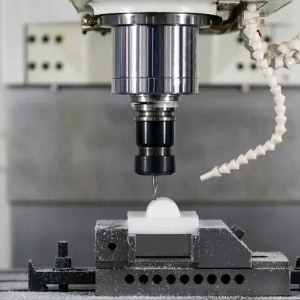
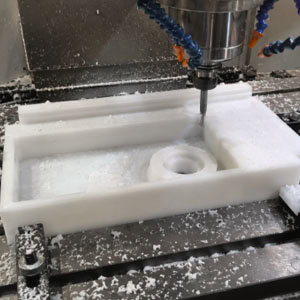
CNC plastic machining is commonly used for product prototyping, small-batch parts, equipment components, and precision structural parts. Compared with injection molding, CNC machining can directly cut plastic sheets, rods, or
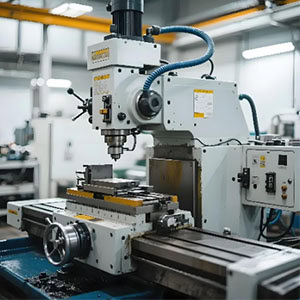
In CNC milling production, programming time often affects delivery schedules. For parts with similar structures and relatively large production volumes, CAM template-based programming can reuse proven toolpaths, cutting tools, and
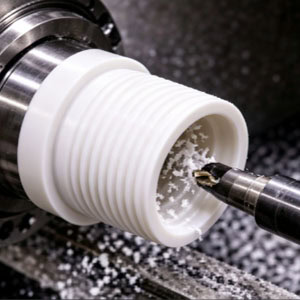
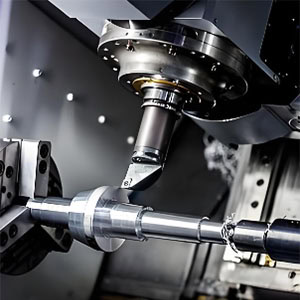
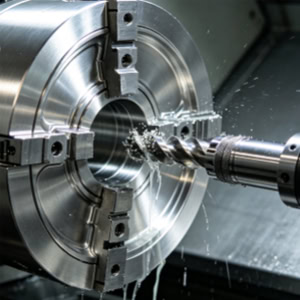
As a core process in modern mechanical manufacturing, CNC turning bears the key responsibility of producing high-precision shafts, discs, and complex rotary components. With increasingly stringent tolerance requirements across the
Many people hear the term “precision machining” and assume it is something reserved for advanced factories or highly specialized industries. In reality, it is already used in many everyday manufacturing
Small precision metal parts are widely used in medical devices, aerospace, electronics, automotive components, robotics, optical equipment, and precision machinery. Although these components are small in size, they often require
Deep-hole metal machining is an important process in precision manufacturing and is widely used for automotive components, hydraulic equipment, molds, aerospace parts, medical devices, and industrial machinery. Compared with conventional
Thin-wall metal parts are widely used in aerospace, automotive, medical equipment, electronics, robotics, and precision machinery. Their lightweight design helps reduce material usage and overall component weight. However, compared with
HDPE (High-Density Polyethylene) is a common thermoplastic with good impact resistance, chemical resistance, and low water absorption. It is therefore commonly used for mechanical equipment components, wear-resistant parts, guides, backing
CNC turning plays a central role in mechanical manufacturing. Balancing high-precision machining with single-piece cost control is a primary focus for engineers and procurement decision-makers across industries. Minor adjustments in
Scroll to Top
Your 24 hour quote
Send us a message if you have any questions or request a quote. We will be back to you within 1-2 hours!