
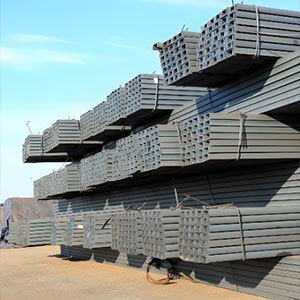
CNC metal machining cost is one of the most important factors customers consider when choosing a manufacturing solution. The same part can have significantly different prices depending on the material, machining equipment, manufacturing process, and other requirements. While many people assume that CNC machining cost mainly depends on material price, the actual cost is influenced by part design, machining time, tolerance requirements, surface finishing, order quantity, and more.
Understanding these factors can help companies control their manufacturing budgets more effectively during the product design and purchasing stages.
Material Is an Important Cost Factor
Different Metals Have Different Prices
Aluminum, carbon steel, stainless steel, copper, titanium alloys, and other metals can vary significantly in price. In general, when the material itself is more expensive, the basic cost of the machined part will also increase.
For example, common aluminum alloys generally offer good machinability and relatively reasonable material costs. Titanium alloys, on the other hand, are usually more expensive and more difficult to machine, which can result in higher overall machining costs.
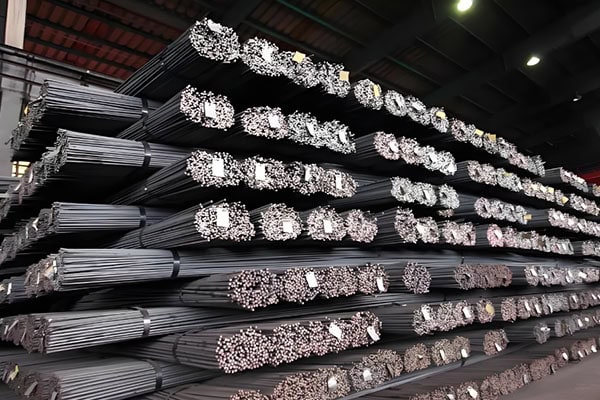
Material Utilization Also Matters
A CNC part is not simply “cut out” of a piece of material without waste. Machining normally produces chips and unused material. If a part has a complex structure or requires a large amount of material to be removed, material utilization may be lower.
Optimizing the part design and selecting an appropriate stock size during the design stage can therefore help reduce unnecessary material waste.
Part Design Affects CNC Machining Costs
Complex Geometries Require More Machining Time
Simple parts with flat surfaces are generally easier to machine. Parts with deep pockets, complex curves, thin walls, or features in multiple directions require more machining operations.
Complex parts may require additional tool changes, parameter adjustments, or even 4-axis or 5-axis CNC machining. These factors can increase both machining time and equipment costs.
Tighter Tolerances Can Increase Costs
Standard mechanical parts do not necessarily require extremely tight tolerances on every dimension. If certain critical dimensions require very high precision, more precise machining processes and additional quality inspections may be necessary.
For this reason, tolerances should be specified according to the actual functional requirements of the part rather than applying unnecessarily tight tolerances to every dimension.
Machining Time Directly Affects the Final Price
Longer Cutting Time Means Higher Costs
CNC machine costs are often closely related to machining time. Part size, geometry, material hardness, and machining methods can all affect how long a part takes to manufacture.
For example, large parts may require significant amounts of material to be removed during roughing and finishing. Harder metals may also require lower cutting speeds, which can increase machining time.
Tools and Equipment Also Matter
Different metals require different types of cutting tools. Harder materials can cause faster tool wear and may require more frequent tool replacement.
The type of CNC equipment also affects cost. A standard 3-axis CNC machine and a multi-axis machining center have different operating costs. Although multi-axis machining can reduce the number of setups required for complex parts, the equipment itself may have higher operating costs.
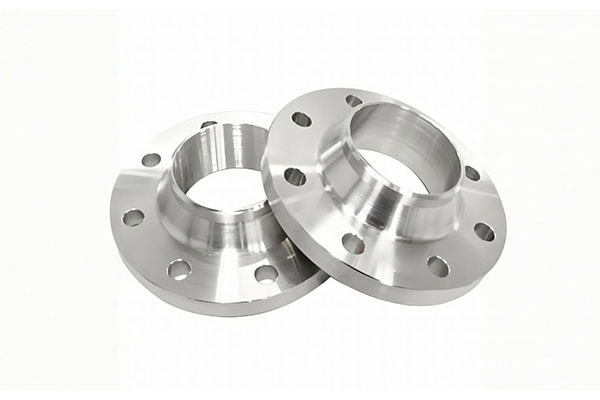
Surface Finishing Adds Additional Costs
Common Surface Finishing Methods
After CNC metal machining, some parts require additional processes such as anodizing, sandblasting, polishing, electroplating, passivation, or painting.
These processes can improve appearance, corrosion resistance, wear resistance, or surface quality, but they also add to the overall manufacturing cost.
Higher Surface Requirements Increase Processing Complexity
For functional components, a standard surface finish may be sufficient. However, products used in consumer electronics, medical equipment, or visual applications may require a higher-quality appearance and tighter surface roughness requirements.
In such cases, additional finishing and post-processing steps may be necessary.
Order Quantity Also Affects Unit Cost
Small-Batch Production Usually Has a Higher Unit Cost
Prototype parts and small orders often require individual programming, machine setup, and tooling preparation. These fixed costs are distributed across a relatively small number of parts, resulting in a higher unit price.
Larger Production Runs Can Reduce Average Costs
As order quantities increase, fixed costs such as programming, fixture preparation, and machine setup can be distributed across more parts. Batch production can also improve overall manufacturing efficiency.
Therefore, if a product is expected to be manufactured continuously, increasing the order quantity appropriately may help reduce the average CNC machining cost per part.
How Can You Reduce CNC Metal Machining Costs?
Optimize the Design During the Development Stage
Designing parts with CNC machining in mind can help reduce unnecessary manufacturing operations. For example, avoiding excessively deep and narrow pockets, using appropriate internal corner radii, and limiting unnecessarily tight tolerances can all help reduce machining difficulty.
Choose Materials and Surface Finishes Carefully
A material with higher performance is not necessarily the best choice for every project. The material should be selected according to the actual operating environment and functional requirements of the part.
Similarly, the surface finishing method should be chosen based on the product’s actual needs rather than adding unnecessary processes.
Select the Right Manufacturing Solution
Reducing costs does not simply mean choosing the lowest quotation. Machine capabilities, quality control, material sourcing, lead time, and engineering experience are also important considerations.
A well-planned CNC machining solution can provide a better balance between quality, cost, and production time.
CNC metal machining costs are influenced by many factors, including material price, part geometry, dimensional tolerances, machining time, equipment, tooling, surface finishing, and order quantity.
If you want to reduce CNC machining costs, it is best to consider manufacturing requirements from the product design stage. By optimizing part geometry, selecting suitable materials, setting reasonable tolerances, and choosing the right machining process, manufacturers can reduce unnecessary costs while maintaining the required product quality.