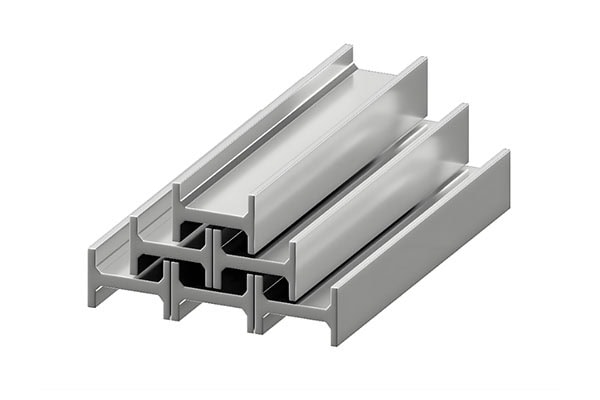
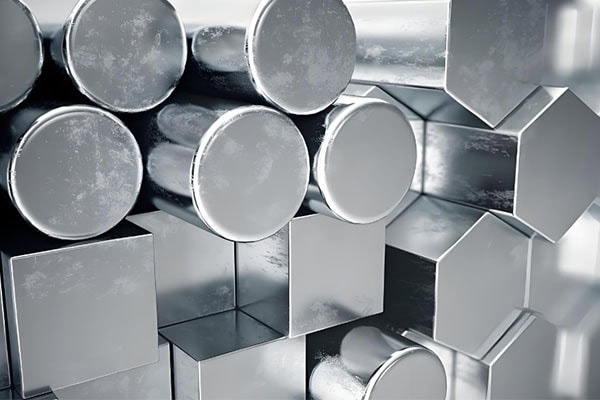
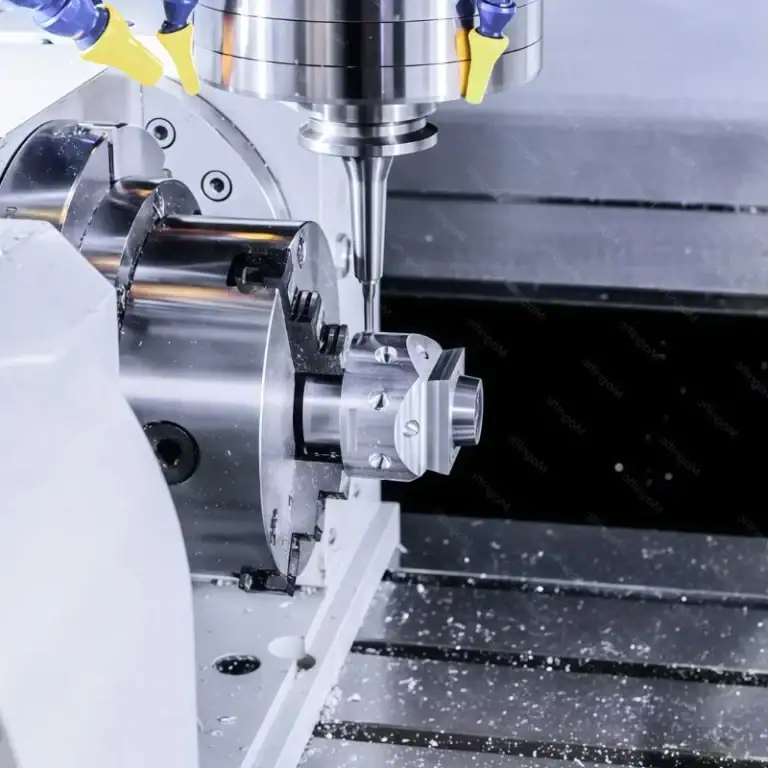
Material selection is one of the most important decisions in a metal machining project. It can directly affect the strength, weight, corrosion resistance, machinability, and overall cost of the finished part. Aluminum, steel, and stainless steel are all widely used in CNC metal machining, but their properties and applications are quite different. Focusing only on material price can lead to additional costs during machining, surface finishing, or actual use. Therefore, the right material should be selected based on the part’s application, mechanical requirements, machining needs, and budget.
Get 20% offf
Your First Order
Need custom metal and plastic parts?
What Are the Differences Between Aluminum, Steel, and Stainless Steel?
Aluminum: A Common Choice for Lightweight Parts
The biggest advantage of aluminum is its low weight combined with good machinability. Compared with steel, aluminum has a lower density, making it a popular choice when weight reduction is important.
Aluminum is generally easy to mill, drill, and turn, which can help achieve efficient machining. Common grades such as 6061 and 7075 aluminum are widely used for automotive components, aerospace parts, electronic housings, machinery, and robotic components.
However, aluminum generally does not offer the same hardness and wear resistance as some types of steel. If a part needs to withstand heavy loads, impact, or continuous friction, the specific aluminum grade should be carefully selected according to the working conditions.
Steel: A Strong Material for Demanding Applications
Steel covers a wide range of materials and is valued for its high strength and broad range of hardness levels. It remains one of the most important materials used in industrial metal machining.
Steel is commonly used for gears, shafts, structural components, and other parts that need to withstand significant mechanical loads. Different steel grades have different levels of strength, hardness, and machinability. Carbon steel, alloy steel, and tool steel can behave quite differently during CNC machining.
It is also important to consider that some high-hardness steels can cause greater tool wear. Proper cutting parameters and tool selection are therefore essential when machining these materials.
Stainless Steel: When Corrosion Resistance Matters
The main advantage of stainless steel is its excellent corrosion resistance. For parts that are regularly exposed to moisture, water, or certain chemical environments, stainless steel can be a better choice than conventional steel.
Common grades such as 304 and 316 stainless steel are widely used in food processing equipment, medical devices, chemical equipment, outdoor products, and industrial components.
However, stainless steel should not automatically be considered an easy-to-machine material. Some stainless steel grades have a strong tendency toward work hardening. If cutting parameters are not properly selected, this can lead to excessive tool wear and reduced surface quality.
How Should You Choose a Metal for Machining?
Consider the Weight Requirements
If keeping the product lightweight is a priority, aluminum is often worth considering first. For example, drone components, electronic housings, and certain automotive parts may benefit from aluminum machining.
If weight is less important and the part needs greater load-bearing capacity, steel or stainless steel may be more suitable.
Consider Strength and Wear Resistance
For components that must withstand high mechanical loads, steel is often a reliable option because of its strength and durability.
If the part also needs good corrosion resistance, stainless steel may be a better choice. For components exposed to continuous movement or friction, hardness, wear resistance, and the actual working environment should also be considered rather than selecting a material based only on whether it is “steel” or “stainless steel.”
Consider Corrosion Resistance
Conventional steel can rust when exposed to moisture for extended periods. Protective treatments such as painting, plating, or other surface finishing processes may therefore be required.
Aluminum naturally provides a certain level of corrosion resistance and can also be treated through processes such as anodizing. Stainless steel is generally more suitable for applications where corrosion resistance is a major requirement.
How Material Selection Affects CNC Machining Cost
Material Price Is Not the Only Cost Factor
When selecting a metal material, it is not enough to compare the price per kilogram.
Material machinability, tool consumption, machining time, material waste, and surface finishing requirements can all affect the final CNC machining cost.
For example, a material may have a relatively low purchase price but require longer machining time or additional post-processing. As a result, the final cost of the part may not necessarily be lower.
Machinability Also Matters
Materials with good machinability are generally easier to cut and can provide more stable machining performance. They may also help reduce machining time and tool wear.
For this reason, material selection should ideally be determined during the product design stage. Engineers can then consider both material performance and manufacturing requirements, reducing the possibility of costly design changes later.
How Do You Choose Between Aluminum, Steel, and Stainless Steel?
In simple terms, the choice can be based on the primary requirements of the project:
For lightweight parts and efficient machining: Aluminum is often a good choice.
For strength, load-bearing capacity, and wear resistance: Steel may be more suitable.
For corrosion resistance:Stainless steel is usually a better option.
When weight, strength, and cost all matter: The specific part design and working conditions should be evaluated together.
There is no single metal material that is ideal for every machining project. The right choice should be based on the part’s operating environment, mechanical requirements, dimensional tolerances, surface finish, and budget.
Aluminum, steel, and stainless steel are all common materials for metal machining, but each is better suited to different applications. Aluminum is often preferred for lightweight components, steel offers advantages in strength and wear resistance, while stainless steel is a strong choice when corrosion resistance is important.
Before starting CNC metal machining, it is better not to make a decision based solely on material price. Instead, consider performance, machinability, operating environment, and overall cost together. Choosing the right material can not only improve the performance and service life of the finished part but also help control machining costs and production time.
Author
Galen Director and Founder
Committed to ensuring we provide the best possible service in the manufacturing industry.
CNC machining programming connects a digital part design with the movements of a CNC machine. A well-built program defines where the cutting tool moves, which tools are used, how fast
Vertical and horizontal milling use the same basic cutting principle, but spindle orientation changes how the tool reaches the workpiece, clears chips, and handles different part geometries. This guide explains
Chamfer machining is the process of removing material from an edge, hole, or contour to create a controlled angled surface. In CNC manufacturing, chamfers are commonly used to remove sharp
Custom machining is used when a part cannot be sourced as a standard component or when its geometry, material, tolerance, or function must be tailored to a specific project. Instead
Undercut machining creates recessed, hidden, or back-facing features that a standard straight-shank cutter cannot reach from the primary machining direction. The main challenge is usually not removing the material, but
Semiconductor equipment depends on far more than electronics and process technology. Behind every wafer-handling system, test station, inspection tool, and process chamber is a network of precision-machined parts, structural components,
AI CNC machining combines traditional computer numerical control with artificial intelligence, machine learning, manufacturing data, sensors, and intelligent CAM software. Instead of replacing CNC technology, AI adds a decision-support layer
Robotic process automation is a software-based automation technology that uses digital bots to complete repetitive, rules-based tasks normally performed by people on computers. RPA bots can enter and transfer data,
Computer numerical control machining is an automated manufacturing process in which programmed computer instructions control machine tools to remove material and produce precise parts. CNC technology can control tool movement,
Semiconductor manufacturing is the process of turning high-purity semiconductor materials into functional chips through a sequence of wafer preparation, thin-film formation, photolithography, etching, doping, metallization, testing, dicing, packaging, and final
Semiconductors are materials whose electrical conductivity can be controlled between that of conductors and insulators. Silicon is the most widely used semiconductor material, but germanium, silicon carbide, gallium nitride, gallium
Boring machining is a precision cutting process used to enlarge and correct an existing hole. Unlike drilling, which creates the initial hole, boring improves diameter, roundness, straightness, alignment, and internal