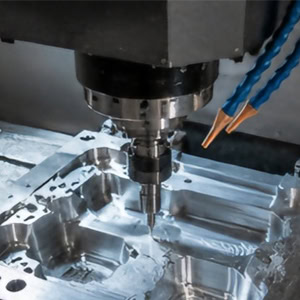
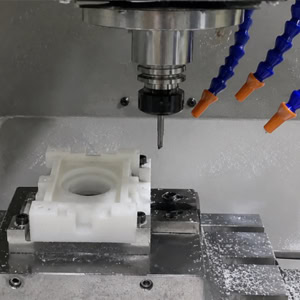
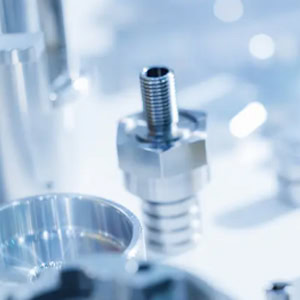
The medical industry demands extremely high standards for component precision, surface quality, consistency, and reliability. Whether manufacturing surgical instruments, orthopedic implants, dental components, diagnostic equipment, or imaging device parts, every
In an environment where part quotations are becoming increasingly transparent and raw material prices continue to fluctuate, material waste is no longer just a cost issue—it directly affects lead time,
Although micro parts may appear insignificant, they often determine the precision, stability, and service life of an entire product. Whether used in critical medical device components, consumer electronics, aerospace systems,
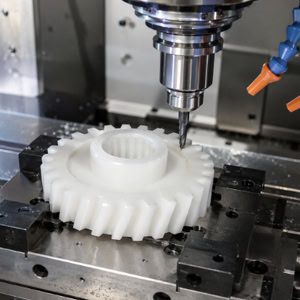
With the continuous advancement of automotive lightweighting and precision manufacturing technologies, plastic gears are being used more extensively in the automotive industry. Compared with traditional metal gears, engineering plastic gears
When purchasing machining equipment, what many companies worry about most is not whether the budget is sufficient, but whether the equipment can truly fit their products and production line after
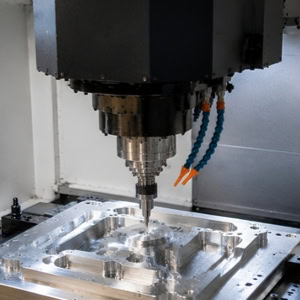
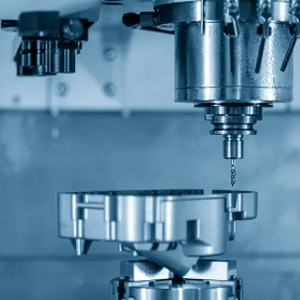
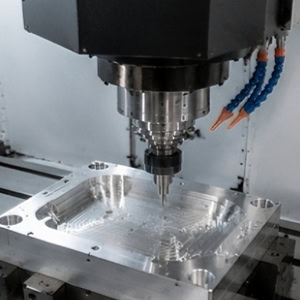
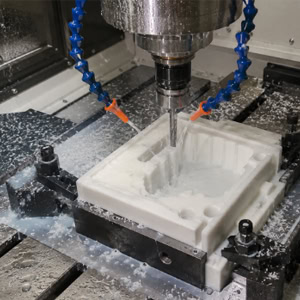
Whether manufacturing plastic parts or metal components, CNC machining is one of the most widely used manufacturing methods in modern industry. By using computer programs to control machine tool movements,
Stainless steel is one of the most widely used engineering materials in modern manufacturing. Thanks to its excellent corrosion resistance, high mechanical strength, wear resistance, and attractive surface appearance, it
In modern manufacturing systems, engineering plastic parts are widely used in electronics, automotive structural components, medical devices, and automation machinery. Compared with metal materials, engineering plastics offer advantages such as
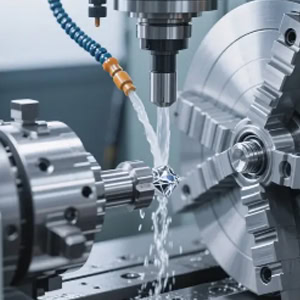
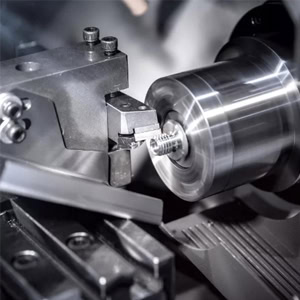
CNC turning has become one of the most important machining technologies in modern industrial manufacturing. It is widely used to produce precision rotational components for industries such as automotive, aerospace,
In the high-end manufacturing sector, what customers truly care about is often not whether a part can be machined, but whether it can be machined accurately and consistently. Whether it
Precision aerospace plastic CNC machining is one of the most demanding processes in the entire high-end manufacturing system. It not only involves the geometric accuracy of parts but also relates
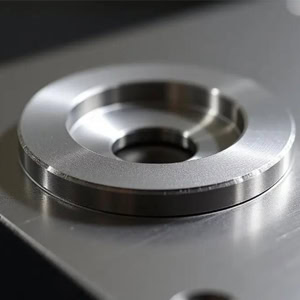
Medical-grade stainless steel is widely used in surgical instruments, implant components, and precision medical equipment. Compared with standard industrial parts, medical components require much higher standards for material purity, dimensional
Scroll to Top
Your 24 hour quote
Send us a message if you have any questions or request a quote. We will be back to you within 1-2 hours!