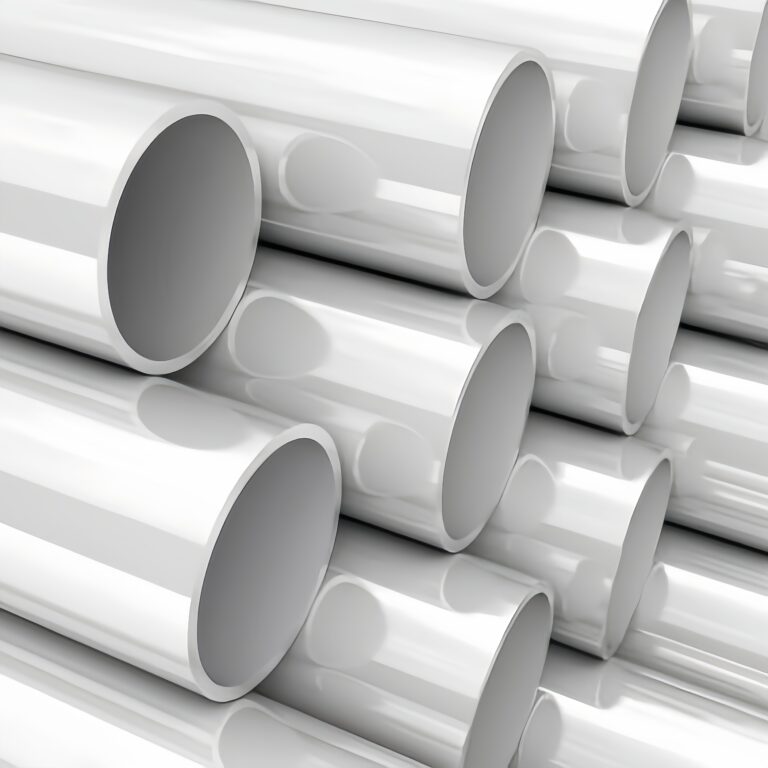
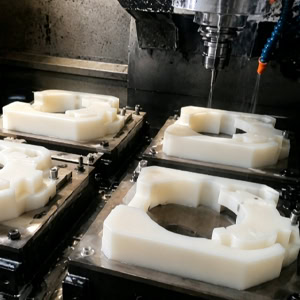
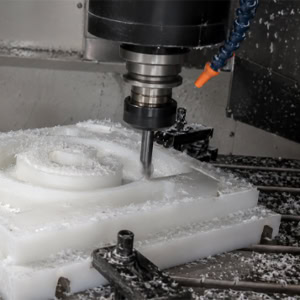
Polyvinyl chloride (PVC) is a widely used thermoplastic polymer that plays an important role in many industries such as construction, medical, electronics, and automobiles. Since the melting point of PVC
As consumer electronics, communication equipment, wearable devices, new energy products, and industrial automation continue to evolve, the electronics manufacturing industry demands increasingly higher precision, tighter tolerances, and greater consistency in
In precision manufacturing systems, surface roughness directly affects a part’s fit accuracy, motion performance, and service life. This is especially true in aerospace, medical devices, automotive components, and high-end mold
During CNC machining, plastic materials are subjected to cutting forces, cutting heat, and clamping stress, which can generate or release residual internal stresses. If these stresses are not effectively controlled,
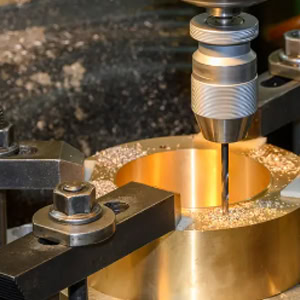
In the field of mechanical machining, copper is widely used in electronic connectors, heat dissipation components, precision terminals, and mold parts due to its excellent electrical conductivity, thermal conductivity, and
Polyester is a widely used polymer material. In industrial manufacturing, it is typically CNC machined in the form of polyester plastic sheets, rods, or composite materials rather than the textile
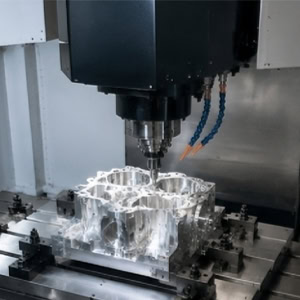
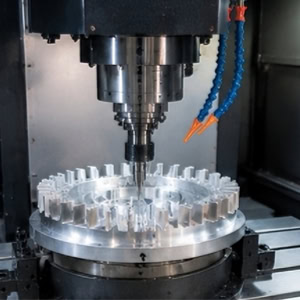
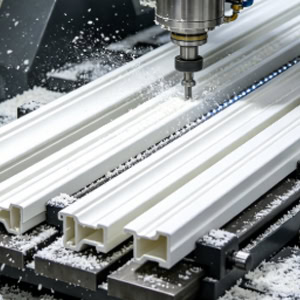
In modern manufacturing, companies are placing greater emphasis on part precision, delivery speed, and machining stability, and CNC milling is one of the key processes that can meet these demands
Titanium alloys are widely used in aerospace, medical devices, automotive manufacturing, marine engineering, energy equipment, and other high-end industries because of their excellent strength-to-weight ratio, outstanding corrosion resistance, and superior
In modern healthcare systems, the performance of devices and instruments directly affects diagnostic accuracy and treatment outcomes. From surgical tools and implantable devices to advanced imaging systems, nearly all medical
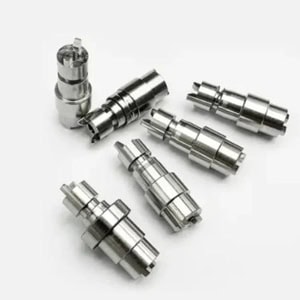
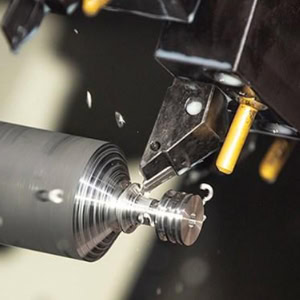
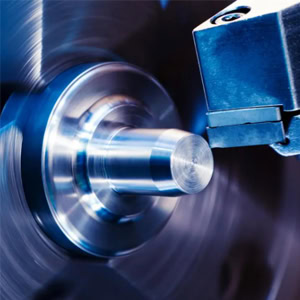
CNC turning is one of the most widely used precision machining technologies in modern manufacturing. It is extensively applied in industries such as automotive, aerospace, medical devices, electronics, and industrial
PVC (Polyvinyl Chloride) is widely used in industries such as chemical processing equipment, environmental protection equipment, electronics and electrical engineering, medical devices, advertising displays, and automation equipment due to its
Many people notice that high-end equipment is often far more expensive than ordinary industrial products. This value does not come only from complex functions or brand premiums, but more importantly
Scroll to Top
Your 24 hour quote
Send us a message if you have any questions or request a quote. We will be back to you within 1-2 hours!