As precision manufacturing technology continues to advance, CNC turning has become one of the most widely used machining processes in modern industry. Industries such as automotive manufacturing, aerospace, medical devices, electronics, energy equipment, robotics, and industrial automation all require components with exceptional dimensional accuracy, geometric tolerances, and surface quality. Compared with conventional manual lathes, CNC turning uses computer numerical control to accurately manage tool paths, spindle movement, cutting parameters, and machining sequences. This highly automated process minimizes human error, delivers excellent repeatability, and ensures consistent product quality throughout large production runs.
One of the most common questions customers ask is how accurate CNC turning can actually be. In practice, machining precision depends on several factors, including machine tool rigidity, cutting tool quality, workpiece material, fixture stability, machining strategy, environmental temperature, and inspection methods. When advanced equipment is combined with optimized machining processes, high-quality CNC turning can consistently achieve dimensional tolerances of ±0.01 mm, while ultra-precision applications may reach micron-level accuracy. These capabilities allow manufacturers to produce complex precision components that satisfy demanding industrial requirements.
What Determines CNC Turning Accuracy?
CNC turning accuracy is not determined by a single factor but by the combined performance of the entire manufacturing process. Every stage, from CAD programming and machine setup to final inspection, influences the finished component. If machine rigidity is insufficient, cutting tools become worn, or workpiece clamping is unstable, machining accuracy can be significantly affected. Establishing a complete quality control system is essential for maintaining consistent precision throughout production.
CNC Machine Performance Forms the Foundation of Precision
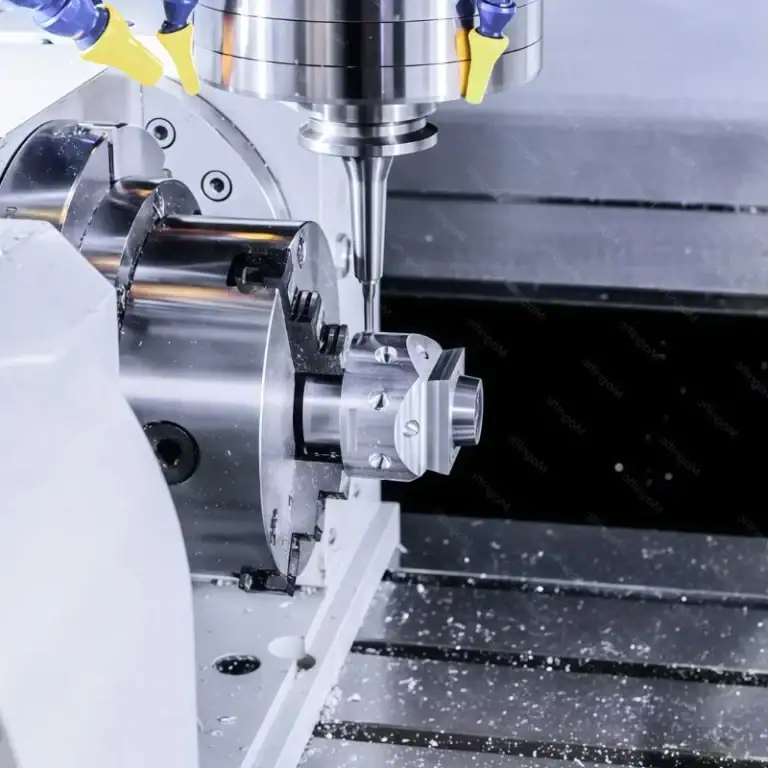
A high-performance CNC turning center provides the mechanical stability required for precision machining. Rigid machine structures, precision spindles, and advanced servo systems work together to reduce vibration and improve dimensional consistency during cutting operations.
- High-rigidity machine construction
- Precision ball screw transmission
- High-speed precision spindle system
- High-resolution servo control
- Thermal compensation technology
- Stable long-term machining performance
Reliable CNC equipment maintains consistent machining accuracy throughout continuous production while minimizing dimensional variation caused by machine movement or vibration.
Cutting Tools and Workholding Influence Stability
Cutting tools and fixtures directly affect machining stability and dimensional consistency. Tool wear, poor clamping force, or inaccurate positioning can result in dimensional deviation, chatter, and poor surface finish.
- High-quality carbide cutting tools
- Appropriate tool material selection
- Precision fixture positioning
- Reduced tool overhang
- Stable workpiece clamping
- Regular tool wear inspection
Scientific selection of tooling and workholding systems significantly improves machining stability while reducing dimensional variation during production.
What Precision Levels Can CNC Turning Achieve?
Modern CNC turning technology satisfies the precision requirements of nearly every industrial sector. Different applications require different tolerance levels, ranging from standard industrial components to ultra-precision aerospace and medical parts. With optimized machining processes and high-quality equipment, manufacturers can consistently achieve excellent dimensional accuracy and repeatability.
Standard Precision Machining
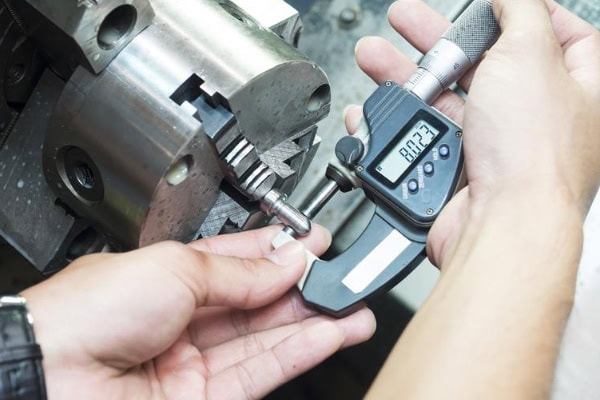
For most industrial applications, CNC turning provides highly reliable dimensional accuracy while maintaining excellent production efficiency.
- Dimensional tolerance up to ±0.02 mm
- Precision machining up to ±0.01 mm
- Excellent roundness control
- Stable concentricity
- High repeatability in batch production
- Suitable for mass manufacturing
This level of precision is widely used for automotive components, industrial machinery, hydraulic systems, and automation equipment.
Ultra-Precision CNC Turning
For industries requiring extremely tight tolerances, advanced CNC turning technology delivers even greater machining accuracy.
- Micron-level dimensional control
- Superior roundness accuracy
- High concentricity precision
- Ultra-fine surface finishing
- Precision bore machining
- Compliance with strict industrial standards
Ultra-precision machining combines advanced equipment, optimized tooling, and rigorous process control to satisfy demanding engineering applications.
Surface Finish Is Also an Important Measure of Machining Accuracy
Dimensional accuracy is only one indicator of machining quality. Surface finish also plays a significant role in determining product performance, assembly quality, wear resistance, sealing capability, and product appearance. High-quality surface finishing often reduces the need for secondary polishing operations while improving component durability.
Cutting Parameters Influence Surface Finish
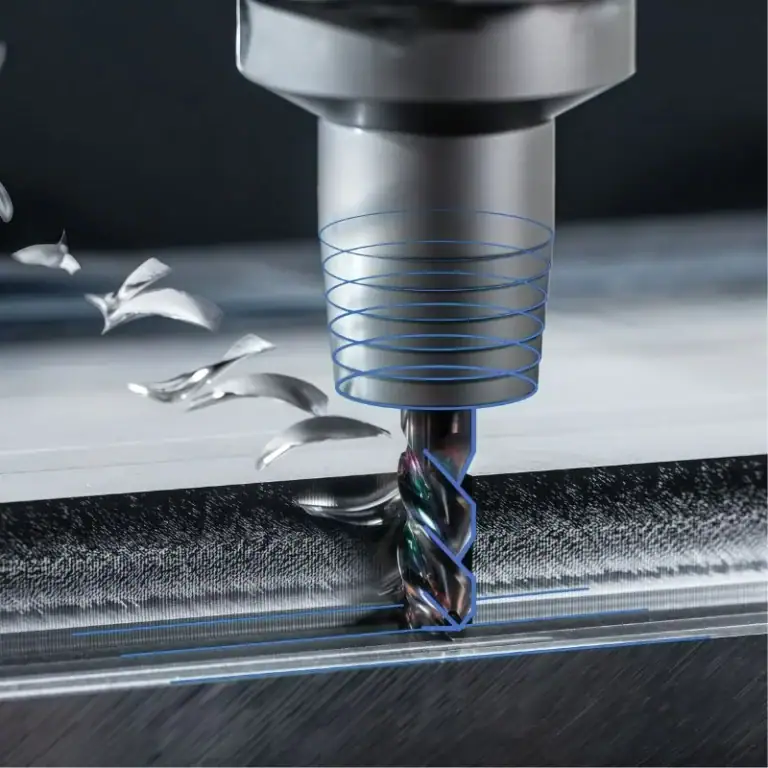
Proper cutting speed, feed rate, and depth of cut help maintain stable machining conditions and produce smooth, consistent surfaces.
- Optimize cutting speed
- Adjust feed rate appropriately
- Minimize machining vibration
- Maintain sharp cutting edges
- Apply effective coolant systems
- Reduce surface roughness
Optimized machining parameters improve both machining quality and manufacturing efficiency while reducing post-processing requirements.
Premium Cutting Tools Improve Machining Quality
Advanced cutting tool materials maintain stable cutting performance over long production cycles, reducing built-up edge formation and tool wear.
- Carbide cutting tools
- Coated indexable inserts
- Diamond cutting tools
- CBN cutting tools
- Improved wear resistance
- Longer tool service life
High-quality cutting tools provide consistent machining performance and support long-term precision manufacturing.
How to Maintain Stable CNC Turning Accuracy
Achieving high precision is only one part of successful manufacturing. Maintaining that precision consistently throughout production demonstrates true machining capability. Standardized process management helps reduce production variation and ensures reliable product quality.
In-Process Measurement Improves Stability
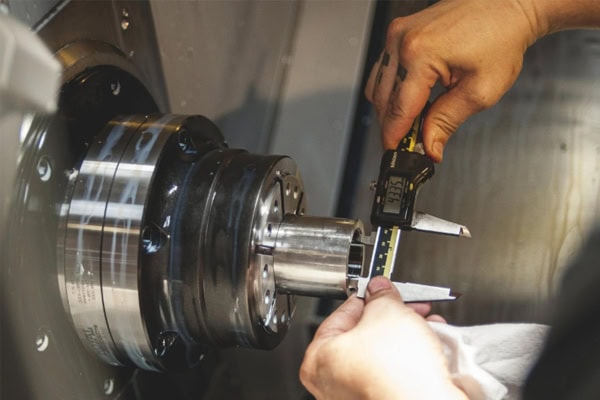
Modern CNC turning centers can integrate in-process inspection systems that continuously monitor critical dimensions during machining. Automatic compensation helps maintain consistent precision throughout production.
- Real-time dimensional measurement
- Automatic error compensation
- Continuous data collection
- Improved inspection efficiency
- Reduced rework
- Better batch consistency
Integrated inspection systems ensure stable quality while increasing production reliability.
Standardized Manufacturing Processes Ensure Consistency
Well-controlled machining procedures minimize production variation and improve manufacturing stability.
- Standardized CNC programming
- Fixed machining parameters
- Scheduled machine maintenance
- Controlled process documentation
- First-article inspection
- Complete quality management
Standardized manufacturing practices help maintain consistent machining precision while increasing customer confidence in product quality.
High-Precision CNC Turning Meets Modern Manufacturing Requirements
As manufacturing standards continue to evolve, machining precision has become one of the most important indicators of component quality. CNC turning provides exceptional dimensional control, outstanding surface finish, and reliable production consistency, making it widely used across automotive manufacturing, aerospace, medical devices, electronics, robotics, hydraulic equipment, precision machinery, and industrial automation.
By combining advanced CNC equipment, premium cutting tools, rigid workholding systems, optimized machining parameters, and comprehensive quality inspection procedures, modern CNC turning can consistently achieve dimensional tolerances of ±0.01 mm. For ultra-precision applications, even tighter micron-level accuracy is achievable. These capabilities make CNC turning one of the most dependable manufacturing technologies for producing high-precision components with excellent reliability, repeatability, and long-term performance.