As the manufacturing industry continues to move toward higher precision and greater efficiency, companies are facing increasing demands for precision machining capabilities. With complex part structures, strict dimensional tolerances, and shorter delivery requirements, traditional machining methods are often unable to meet modern manufacturing needs. Improving production efficiency while maintaining machining accuracy has become a major concern for many manufacturers. Precision machining efficiency is influenced not only by equipment performance but also by process planning, tool management, production workflows, and operating standards. By systematically optimizing each stage of manufacturing, companies can reduce waste, improve equipment utilization, and achieve more stable and efficient production results.
Optimize Machining Equipment to Improve Production Efficiency
Machining equipment is one of the most important foundations affecting precision machining efficiency. High-performance equipment not only improves machining speed but also reduces fluctuations in processing accuracy. In actual production, companies need to select suitable equipment based on part complexity, material characteristics, and precision requirements. At the same time, proper equipment maintenance and accuracy management are essential. Only when machines remain stable over long-term operation can downtime be reduced and overall productivity improved.

Select High-Performance CNC Machining Equipment
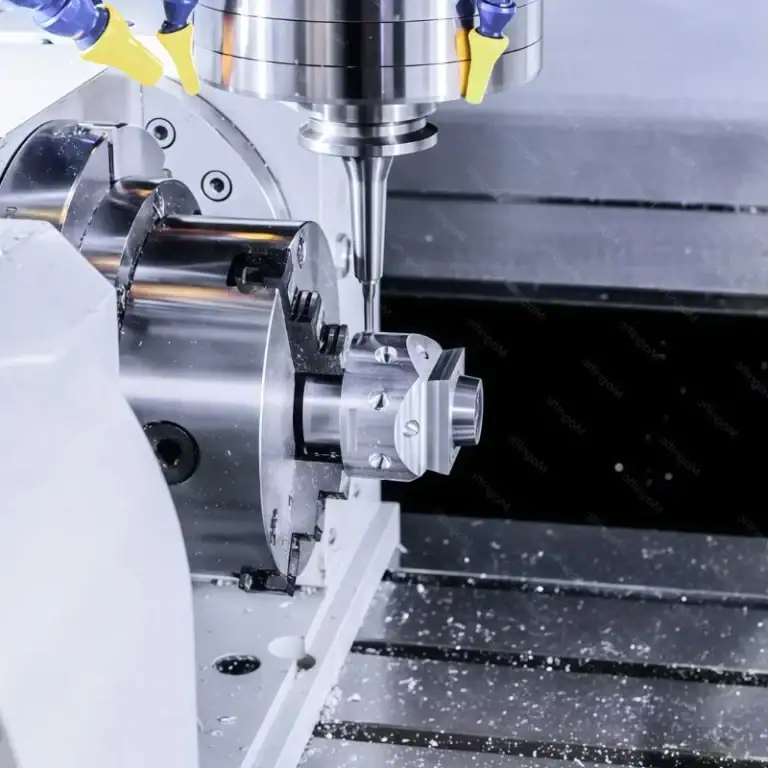
Advanced CNC equipment uses digital programming to control machining processes, making production more stable and accurate. Compared with traditional machines, modern CNC systems provide significant advantages in automation, machining speed, and multi-process capability, helping manufacturers reduce manual adjustments and improve the efficiency of complex part production.
- High-precision CNC systems reduce operator errors and improve product consistency.
- Multi-axis machining equipment reduces repeated setups and improves complex component production efficiency.
- High-rigidity machine structures reduce vibration effects and ensure more stable cutting performance.
- Automatic tool changers reduce machine downtime and improve continuous machining capability.
Proper selection of high-performance machining equipment can significantly improve production efficiency while maintaining dimensional accuracy and product stability in precision machining.
Perform Regular Equipment Maintenance
After long-term continuous operation, machine components may experience wear, affecting machining accuracy and production efficiency. Establishing a comprehensive maintenance system is essential. Regular inspections and adjustments help identify potential issues early and prevent production interruptions caused by equipment problems.
- Regularly inspect spindle, guide rail, and transmission system conditions.
- Calibrate machine accuracy to reduce machining errors.
- Maintain proper cleaning and lubrication to reduce equipment failures.
Stable and reliable equipment performance provides a strong foundation for continuous and efficient machining operations.
Optimize Machining Processes to Reduce Processing Time
A well-designed machining process directly affects precision machining efficiency. Many production efficiency issues are not caused by insufficient equipment capability but by poor process planning, improper parameter settings, or unnecessary repeated operations. By optimizing machining paths, adjusting cutting methods, and reducing inefficient operations, manufacturers can fully utilize equipment performance and improve overall manufacturing efficiency.
Plan Machining Processes Properly
A scientific machining process should be designed according to part structure and manufacturing requirements. Proper process planning helps avoid repeated positioning, frequent adjustments, and other efficiency issues during production. Organizing each machining stage effectively can shorten production cycles and improve process stability.
- Arrange rough machining, semi-finishing, and finishing operations according to part structure.
- Optimize process connections to reduce waiting time.
- Reduce repeated setups and improve positioning accuracy.
- Plan inspection procedures in advance to lower rework risks.
A well-developed machining process allows production to run more smoothly while improving efficiency without compromising quality.
Optimize Cutting Parameters
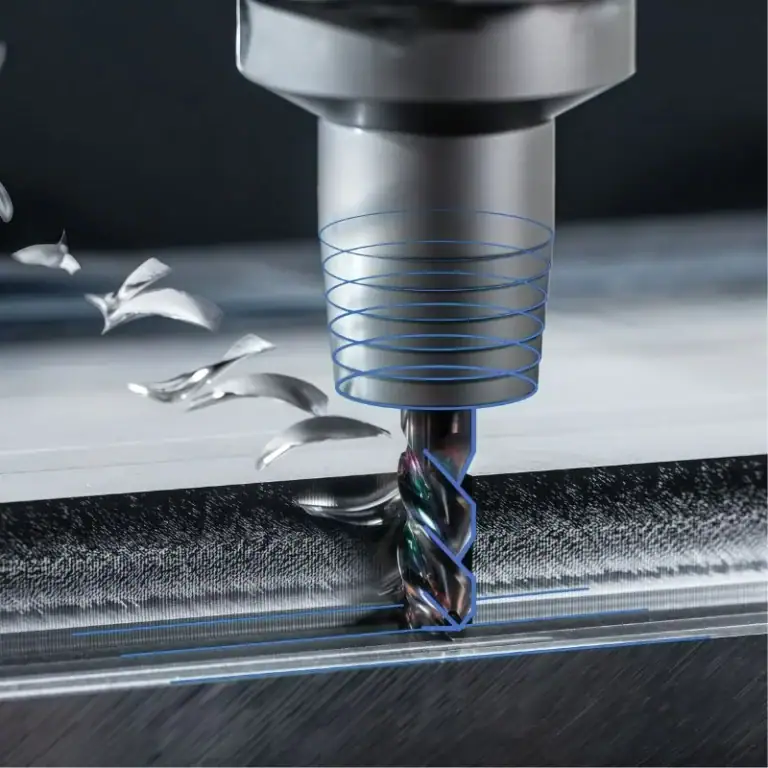
Cutting parameters are important factors affecting machining speed and product quality. Different materials, tools, and machining requirements require suitable parameter settings. Excessive parameters may cause tool wear and instability, while overly conservative settings can reduce production efficiency.
- Adjust cutting speed properly to improve material removal efficiency.
- Optimize feed rates to maintain machining stability.
- Modify cutting depth according to material characteristics to reduce tool load.
Scientific cutting parameter optimization shortens machining time while ensuring excellent dimensional accuracy and surface quality of precision machined parts.
Reduce Repeated Operations During Machining
In batch production, excessive manual adjustments and repeated operations can reduce equipment utilization. By optimizing fixture design and improving CNC programming methods, manufacturers can reduce unnecessary machining time and improve production continuity.
- Use dedicated fixtures to reduce setup time.
- Optimize CNC programs to minimize idle movements.
- Introduce auxiliary equipment to improve operational efficiency.
Reducing production waste helps maximize equipment performance and increase overall manufacturing capacity.
Strengthen Tool Management to Improve Machining Stability
Tools are essential components directly involved in cutting during precision machining, and their condition has a direct impact on machining efficiency, part dimensions, and surface quality. Severe tool wear not only reduces cutting performance but may also cause dimensional deviations. Establishing a complete tool selection, usage, and maintenance system is an important method for improving machining efficiency.
Select Appropriate Machining Tools
Different materials and machining processes require different tool characteristics. Proper tool selection improves cutting efficiency and reduces unexpected issues during production.
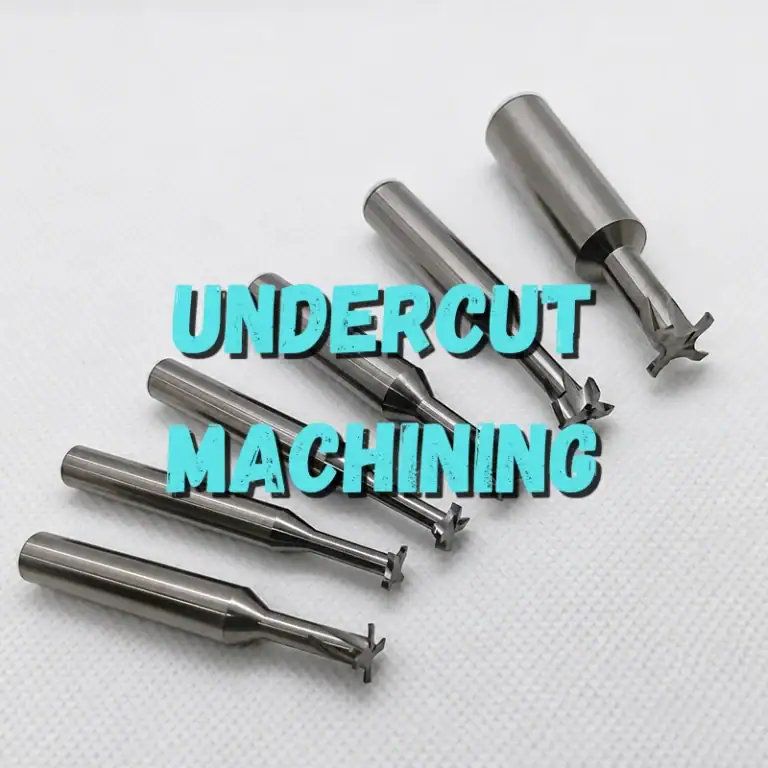
- Select suitable tool materials based on workpiece hardness.
- Choose appropriate tool types according to part structures.
- Use high-performance tools to improve cutting stability.
Correct tool selection extends service life and improves precision machining quality.
Establish Tool Life Management
Extended tool usage can cause wear, and delayed replacement may gradually affect machining dimensions. Scientific tool management helps prevent quality issues before they occur.
- Record tool operating time and usage frequency.
- Create replacement plans based on wear conditions.
- Reduce production losses caused by tool failure.
Effective tool management reduces downtime and improves manufacturing stability.
Apply Automated Inspection Technology
With the development of smart manufacturing, automated inspection technologies are increasingly used in precision machining. These systems help companies identify machining abnormalities more quickly and accurately.
- Monitor tool condition in real time.
- Reduce manual inspection time.
- Improve reliability in batch production.
Intelligent inspection methods further improve machining efficiency and support more stable production management.
Improve Production Management and Automation Levels
In addition to equipment, processes, and tooling, production management methods also influence precision machining efficiency. Proper production scheduling, standardized operations, and automation technologies can reduce waiting time and resource waste, creating a smoother and more efficient manufacturing workflow.
Introduce Automated Production Methods
Automation reduces manual involvement and improves machining continuity, especially for long-term batch production projects.
- Automated loading and unloading systems reduce operator waiting time.
- Automated inspection equipment improves quality control speed.
- Intelligent management systems optimize production processes.
Automation technology helps companies improve long-term manufacturing capabilities while achieving better efficiency and quality.
Strengthen Employee Training
Operator skills directly affect equipment performance and machining quality. Professional training helps employees better understand machining procedures and improve operational efficiency.
- Improve equipment operation skills.
- Standardize machining procedures.
- Reduce human-related errors.
A skilled production team helps companies maintain stable and efficient manufacturing performance.
Establish a Complete Quality Management System
Efficient production is not only about speed but also about maintaining stable product quality. A comprehensive quality management system reduces rework and material waste while improving resource utilization.
- Strengthen quality inspections during machining.
- Identify and solve production issues quickly.
- Reduce product defect rates.
Scientific quality management enables companies to achieve high-efficiency and high-quality precision machining production.
Improving precision machining efficiency requires continuous optimization in equipment upgrades, process planning, tool management, and production control. By combining advanced manufacturing technologies with scientific production methods, companies can shorten production cycles, reduce manufacturing costs, maintain machining accuracy, and improve overall competitiveness. Tirapid specializes in precision machining services, providing customers with efficient, high-precision, one-stop manufacturing solutions for precision parts.