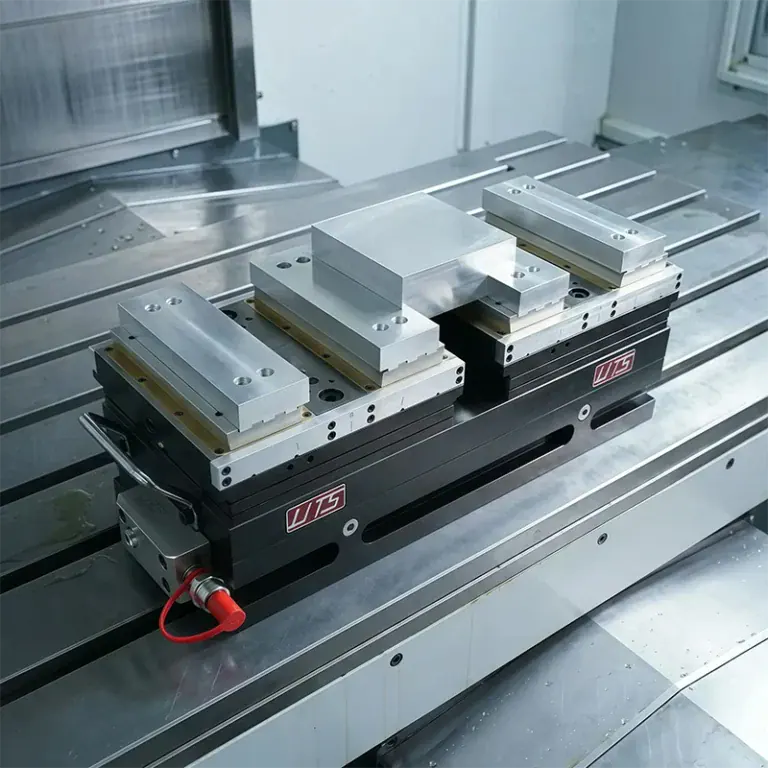
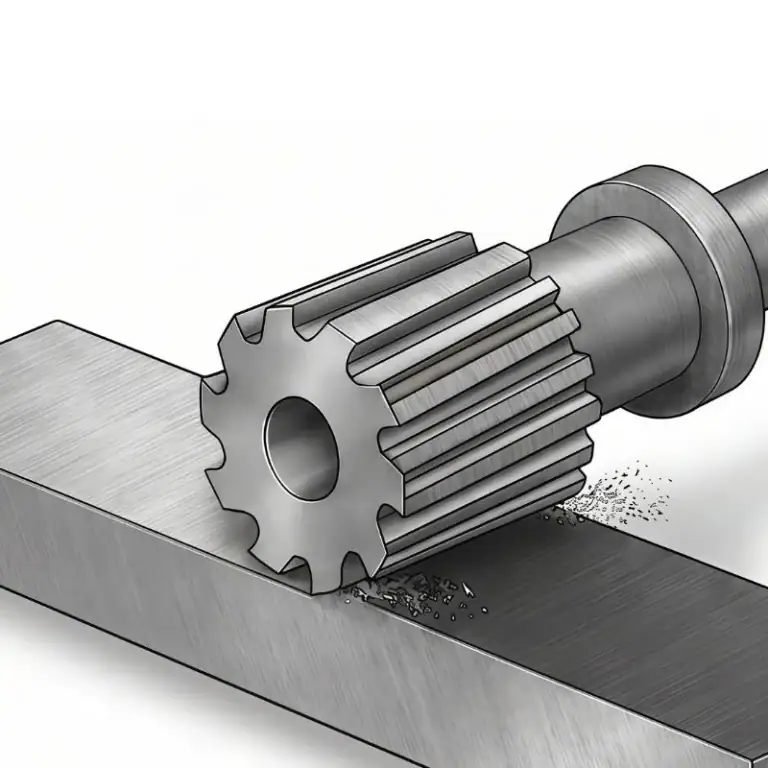
As precision manufacturing continues to evolve toward higher efficiency, greater accuracy, and smarter automation, traditional two-axis CNC lathes are no longer sufficient for machining increasingly complex components. Multi-axis CNC turning technology has become an essential manufacturing solution by enabling more machining directions, greater flexibility, and higher precision. Based on conventional X-axis and Z-axis turning, multi-axis CNC machines incorporate additional axes such as the Y-axis, C-axis, B-axis, and sub-spindles, allowing a single machine to perform turning, milling, drilling, tapping, and other machining operations within one integrated process.
Compared with standard CNC turning equipment, multi-axis CNC turning significantly reduces the number of workpiece setups, minimizes accumulated positioning errors, improves dimensional consistency, and increases overall production efficiency. Industries including aerospace, medical devices, automotive manufacturing, electronics, robotics, and industrial automation rely on multi-axis CNC turning to manufacture highly complex precision components. Supported by advanced CNC control systems, automatic tool changers, and intelligent inspection technologies, multi-axis machining enables continuous, efficient, and stable production while helping manufacturers improve product quality and strengthen market competitiveness.
How Multi-Axis CNC Turning Works
Multi-axis CNC turning represents an important advancement over conventional CNC lathes. Traditional turning machines primarily control tool movement along the X and Z axes. Multi-axis machines add additional motion axes and live tooling, allowing more complex machining operations to be completed without transferring the workpiece to another machine.
Modern CNC control systems synchronize multiple axes simultaneously while automatically managing tool paths, spindle speeds, and feed rates. This coordinated motion allows complex components to be fully machined in a single setup, greatly improving machining accuracy while reducing production time.
Multi-Axis Motion Enables Complex Machining
Simultaneous multi-axis movement allows cutting tools to approach workpieces from different directions, making it ideal for manufacturing intricate geometries and precision components.
- Simultaneous X- and Z-axis machining
- Y-axis capability for side machining
- C-axis spindle positioning
- B-axis multi-angle cutting
- Live tooling integration
- Continuous multi-process machining
Multi-axis machining reduces repeated positioning while improving the overall accuracy of complex parts.
CNC Control Systems Deliver Precise Motion
Advanced CNC controllers continuously calculate coordinated movements between all machining axes, ensuring that cutting tools maintain optimal machining conditions throughout the manufacturing process.
- Automatic tool path control
- Precise spindle speed adjustment
- Real-time feed rate control
- Fully automated machining programs
- Coordinated multi-axis movement
- Stable machining performance
Modern CNC control systems provide the precision and reliability required for advanced multi-axis turning operations.
Advantages of Multi-Axis CNC Turning
Compared with conventional two-axis CNC lathes, multi-axis turning offers higher productivity, superior machining accuracy, and greater flexibility when manufacturing complex components. It is particularly valuable for high-volume production and precision engineering applications.

Fewer Setups Improve Machining Accuracy
Complex parts often require multiple setups on conventional equipment, and every repositioning operation introduces potential dimensional variation. Multi-axis machining completes most operations in a single setup, greatly reducing accumulated errors.
- Complete machining in one setup
- Eliminate repeated positioning
- Reduce dimensional deviation
- Improve concentricity
- Increase positional accuracy
- Enhance production consistency
Reducing setup operations not only improves machining precision but also shortens non-cutting production time.
Higher Productivity Reduces Manufacturing Costs
Multi-axis CNC machines integrate turning, milling, drilling, and tapping into a single machining platform, eliminating the need for multiple machines and reducing production complexity.
- Reduce process transfers
- Shorten production cycles
- Lower manual involvement
- Improve machine utilization
- Minimize material handling
- Reduce overall manufacturing costs
Process integration enables manufacturers to achieve greater productivity while lowering operating expenses.
Applications of Multi-Axis CNC Turning
As modern product designs become increasingly sophisticated, multi-axis CNC turning has become the preferred solution for manufacturing precision components with complex geometries, angled features, and multiple machining operations.
Aerospace and Medical Components
Aerospace and medical industries require exceptional machining precision, dimensional stability, and material performance. Multi-axis CNC turning satisfies these demanding manufacturing standards.
- Aircraft engine components
- Aerospace structural connectors
- Medical implants
- Surgical instrument parts
- Precision shaft components
- High-strength alloy parts
These industries rely heavily on multi-axis machining to produce high-performance precision components.
Automotive and Industrial Automation Components
Automotive manufacturing and industrial automation require large volumes of complex rotating components that demand consistent quality and high production efficiency.
- Transmission shafts
- Turbocharger components
- Hydraulic fittings
- Automation connectors
- Precision flanges
- Electric motor components
Multi-axis CNC turning efficiently supports the growing demand for high-quality industrial production.
Smart Manufacturing Enhances Multi-Axis CNC Turning
With the rapid development of Industry 4.0 technologies, multi-axis CNC turning has become increasingly automated and digitally connected. Robotic loading systems, automatic tool changers, in-process inspection, and Manufacturing Execution Systems (MES) work together to create highly efficient production environments.

Automation Increases Manufacturing Capacity
Modern multi-axis machining centers support continuous automated production with minimal operator intervention.
- Automatic loading and unloading
- Automatic tool changing
- Continuous batch production
- Reduced labor costs
- Improved machine utilization
- Faster delivery performance
Automation significantly increases production capacity while maintaining consistent machining quality.
In-Process Inspection Ensures Quality
Integrated inspection systems continuously monitor critical dimensions during machining and automatically compensate for machining deviations.
- Real-time dimensional inspection
- Automatic error compensation
- Improved inspection efficiency
- Reduced rework
- Stable dimensional accuracy
- Better production consistency
Digital inspection technologies help manufacturers establish highly reliable quality management systems.
Multi-Axis CNC Turning Is Shaping the Future of Precision Manufacturing
As product designs become more sophisticated and customer expectations for quality and delivery continue to rise, multi-axis CNC turning has become an essential technology for modern manufacturing. Compared with traditional machining methods, multi-axis systems significantly improve production efficiency, reduce setup operations, minimize accumulated machining errors, and deliver highly consistent results throughout large production runs.
Looking ahead, the integration of artificial intelligence, automation, digital twin technology, and intelligent inspection systems will further expand the capabilities of multi-axis CNC turning. Industries such as aerospace, medical devices, electric vehicles, robotics, electronics, telecommunications, and advanced industrial equipment will continue to benefit from faster, more accurate, and more intelligent manufacturing solutions provided by multi-axis CNC turning technology.