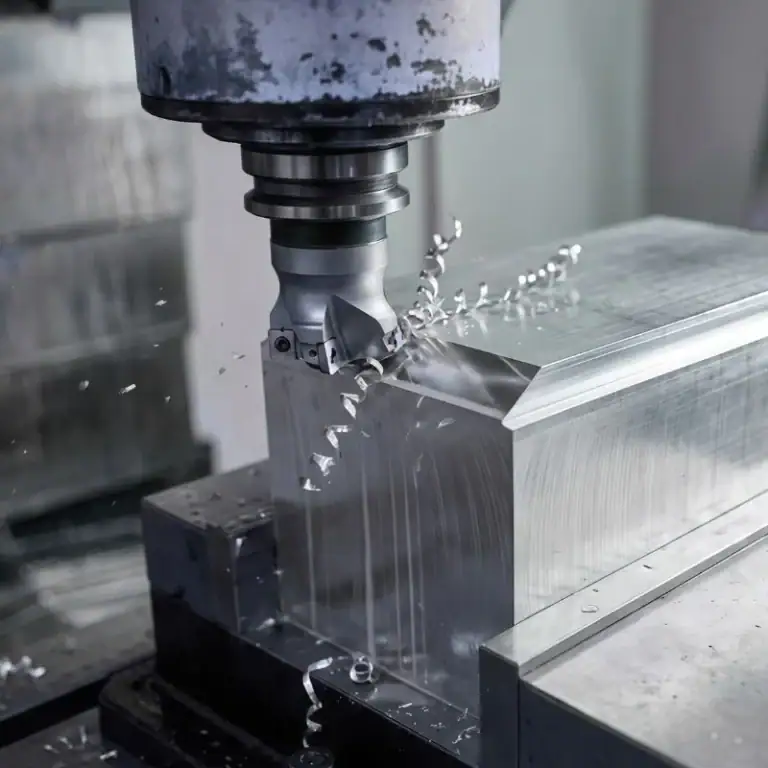
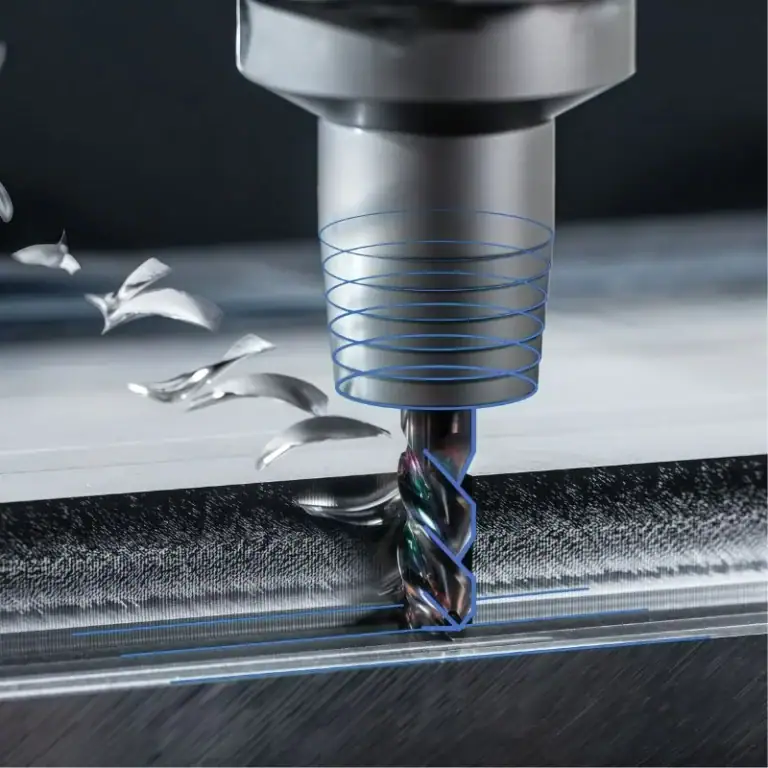
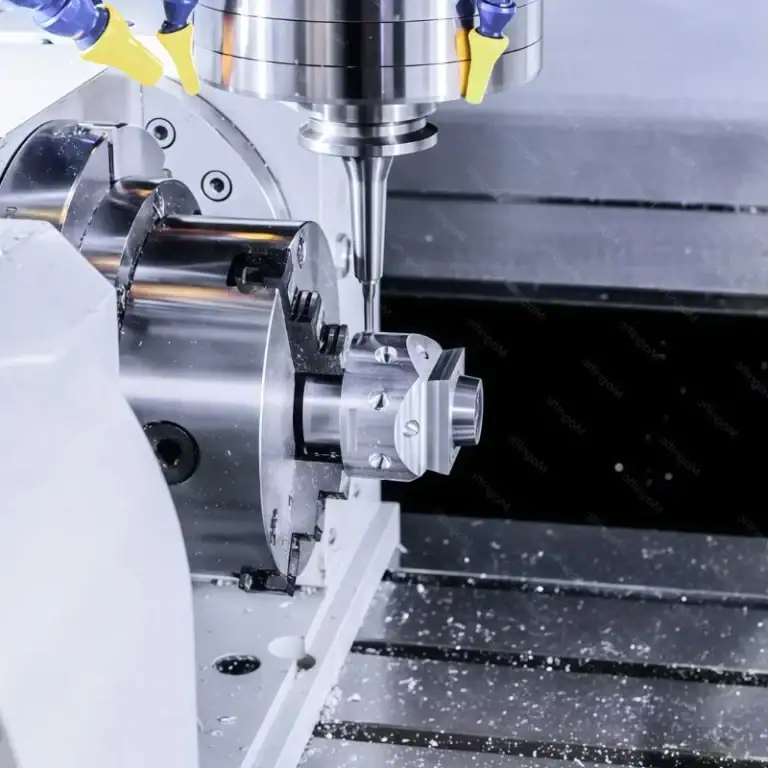
Plastic materials are widely used in industries such as electronics, medical devices, automotive, aerospace, industrial machinery, and consumer products due to their lightweight, corrosion resistance, and ease of machining. Compared with metals, plastics generate lower cutting resistance during CNC routing, allowing for higher machining speeds. However, they also have lower thermal conductivity, higher coefficients of thermal expansion, and limited heat resistance. If machining parameters are not properly configured, the heat generated in the cutting zone cannot dissipate quickly, leading to material softening, edge melting, dimensional distortion, increased burr formation, or even part failure. These issues not only affect the appearance of the finished product but also reduce dimensional accuracy and increase rework costs.
Plastic CNC routing is not simply a matter of adjusting spindle speed and feed rate. It also requires careful consideration of material properties, cutting tool selection, cooling methods, fixture design, and toolpath strategies. Different plastic materials, such as Acrylic (PMMA), Nylon (PA), Acetal (POM), Polycarbonate (PC), and Polytetrafluoroethylene (PTFE), have varying levels of heat sensitivity, so machining strategies should be adapted accordingly. Only by removing cutting heat efficiently and minimizing workpiece deformation can manufacturers achieve smooth surface finishes, stable dimensional accuracy, higher machining efficiency, and improved product quality.
Properly Control Cutting Parameters to Reduce Heat Buildup
Balance Spindle Speed and Feed Rate
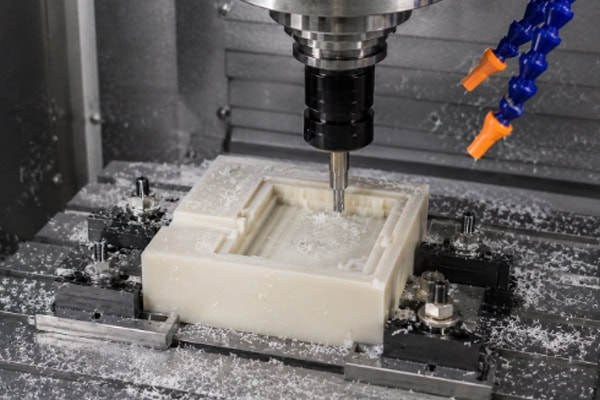
During plastic machining, many cases of deformation and melting are caused not by the material itself but by excessive accumulation of cutting heat. If the spindle speed is too high while the feed rate is too slow, the cutting tool remains in contact with the same area for an extended period, generating excessive friction and heat that can soften or even melt the plastic surface. Therefore, high spindle speed alone should not be the goal. Instead, cutting should remain continuous so that heat is carried away with the chips. Properly matching spindle speed and feed rate reduces friction time, improves cutting efficiency, and allows the tool to cut the material effectively instead of rubbing against it.Adjust spindle speed according to the plastic material.Maintain an appropriate feed rate to reduce dwell time.Control cutting depth to avoid excessive material removal in a single pass.Optimize machining parameters based on material characteristics.Stable cutting parameters not only reduce material temperature rise but also minimize tool wear, making the entire machining process more stable.
Use Layered Machining to Reduce Heat Exposure
For thick plastic sheets or large plastic components, cutting too deeply in a single pass increases tool load while generating more cutting heat, causing the internal temperature of the material to rise rapidly. Therefore, many precision machining operations use multiple shallow cutting passes, removing only a small amount of material each time. This allows heat to dissipate efficiently while reducing stress on the workpiece.Control an appropriate cutting depth for each layer.Use multiple passes to reduce instantaneous heat generation.Maintain a stable cutting load.Improve dimensional accuracy.Although this approach increases machining time slightly, it significantly reduces the likelihood of edge melting and part deformation.
Choose the Right Cutting Tools to Improve Machining Quality
Sharp Tools Reduce Friction and Heat
Tool condition has a direct impact on plastic machining quality. Sharp cutting tools can cut through the material efficiently, whereas worn tools tend to compress and rub against the plastic, causing the cutting zone temperature to rise rapidly. For this reason, specially designed high-sharpness cutting tools are commonly used in plastic machining to minimize friction and improve chip evacuation.Use sharp cutting edges to reduce friction.Inspect tool wear regularly.Select appropriate tool geometry based on the material.Maintain efficient chip evacuation.Replacing worn tools promptly not only improves surface finish but also reduces the risk of material melting caused by excessive heat.
Select the Appropriate Tool Material
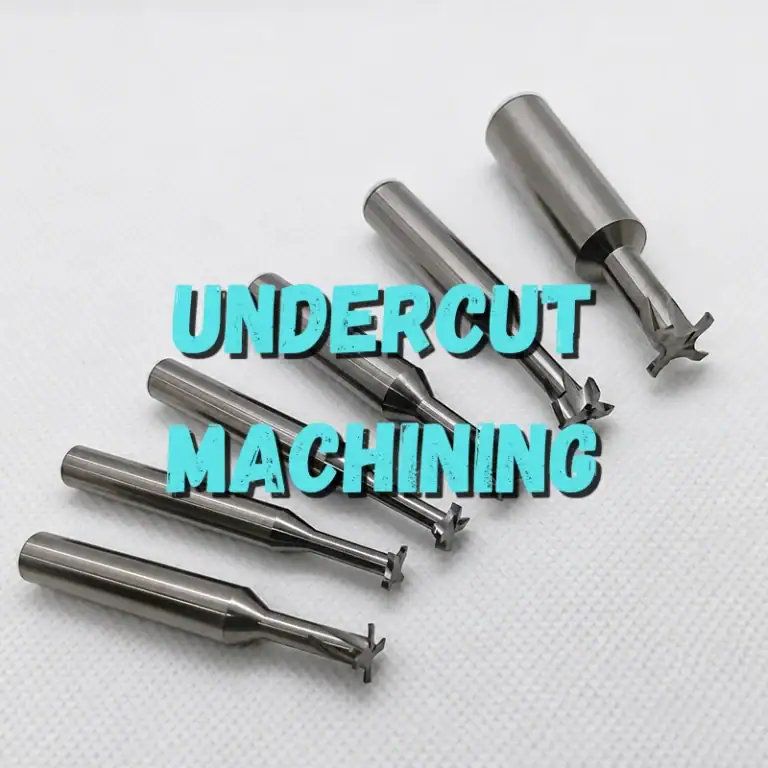
During plastic CNC routing, tool material affects not only machining efficiency but also the likelihood of edge melting, burr formation, and dimensional distortion. Many machinists focus primarily on tool diameter and flute count, but different tool materials vary significantly in wear resistance, heat dissipation, edge retention, and machining stability. If the wrong tool material is selected, cutting temperatures may continue to rise due to rapid tool wear, even when machining parameters are properly configured. Therefore, before machining begins, the tool material should be selected according to the type of plastic, required machining accuracy, production volume, and surface finish requirements. This helps maintain efficient cutting performance while minimizing production interruptions caused by frequent tool replacement. For example, carbide tools are suitable for most engineering plastics, while diamond tools are more appropriate for plastic products requiring exceptionally high surface finishes. Each tool material has its own advantages and should be selected according to actual machining requirements.Carbide tools are suitable for general machining.Diamond tools provide superior surface quality.Choose tool life according to production volume.Maintain tool rigidity to reduce vibration.Selecting the appropriate tool not only lowers the temperature in the cutting zone but also maintains stable cutting performance, reduces tool wear, improves dimensional consistency, and enhances the surface finish of the entire production batch.

How to Reduce Plastic Workpiece Deformation?
Optimize Fixture Clamping Methods
Compared with metals, plastics have lower hardness and greater elasticity, making the clamping method highly influential on the final machining quality. In some cases, dimensional deviations observed after machining are not caused by the cutting process itself but by slight deformation introduced during clamping. As machining begins, these internal stresses are gradually released, affecting dimensional accuracy. Therefore, fixture design should securely hold the workpiece while minimizing localized stress to maintain its natural shape. For thin-walled or large plastic components, support methods should be designed according to the part geometry to prevent vibration or warping during machining and improve overall stability. During machining, fixtures should be designed according to the workpiece dimensions to ensure secure positioning without excessive clamping force.Distribute clamping points evenly.
Control clamping pressure.Use soft protective pads to prevent indentation.Ensure uniform force distribution across the workpiece.A well-designed fixture not only minimizes machining deformation and improves dimensional accuracy but also reduces vibration-induced surface defects, maintains high repeatability during batch production, and minimizes rework and material waste caused by improper clamping.
Improve Cooling and Chip Removal
Unlike metals, plastics do not conduct heat away from the cutting area efficiently. If heat cannot dissipate promptly, it continues to accumulate in the cutting zone. When chips remain around the cutting tool for extended periods, they interfere with chip evacuation and generate additional friction, causing local temperatures to rise continuously. This can eventually result in edge melting, stringing, or poor surface finish. Therefore, maintaining efficient chip removal and proper cooling is one of the most effective ways to reduce plastic deformation and melting. Depending on the material and machining method, compressed air, vacuum chip extraction, or cooling methods specifically designed for plastic machining can be used to keep the cutting zone at a lower temperature.
Therefore, chips should be removed promptly during machining, and cooling methods suitable for plastic materials should be applied.Use compressed air for rapid chip removal.Maintain adequate airflow around the cutting area.Use plastic-compatible cooling media when necessary.Prevent chips from repeatedly rubbing against the workpiece.Efficient heat dissipation effectively lowers material temperature, maintains stable cutting performance, reduces plastic softening and dimensional changes caused by heat buildup, improves surface quality, extends tool life, and increases the overall productivity of the manufacturing process.
Frequently Asked Questions
Why does plastic easily melt during CNC routing?
The primary reason is that cutting heat cannot dissipate quickly enough. As the cutting tool continuously rubs against the material, localized temperatures rise until they exceed the plastic’s softening point, resulting in edge melting or material melting.
Are all plastics equally prone to deformation?
No. Different plastics have different heat resistance characteristics. For example, POM generally offers better machining stability, while materials such as PC and PMMA are more temperature-sensitive and therefore require different machining parameters.
Is using coolant always better?
Not necessarily. Some plastics are best cooled with compressed air, while others can benefit from specialized coolants. The appropriate cooling method depends on the material properties and machining requirements.
Is a sharper cutting tool always better?
Generally, sharper cutting tools reduce friction and heat generation. However, tool strength and service life must also be considered. Dedicated cutting tools designed specifically for plastic machining usually provide the best overall performance.
In conclusion
Deformation and melting during plastic CNC routing are most commonly associated with cutting heat accumulation, tool selection, and machining parameter settings. By properly balancing spindle speed and feed rate, using layered machining strategies, selecting sharp cutting tools, optimizing fixture design, and improving cooling and chip evacuation, the temperature in the cutting zone can be effectively reduced while minimizing material softening and dimensional changes. A stable machining process not only improves the surface quality and dimensional accuracy of plastic components but also extends tool life, reduces scrap rates, and lowers rework costs. For manufacturers producing plastic parts in large volumes over extended periods, establishing machining processes tailored to the characteristics of each material is essential for achieving consistent product quality and maximizing production efficiency.