Aluminum alloys are widely used in aerospace, automotive components, medical equipment, electronics, and automation systems due to their lightweight properties, high strength, excellent thermal conductivity, and good machinability. However, aluminum alloys being easy to machine does not mean the process is simple. During precision machining, factors such as material characteristics, tool selection, cutting parameters, and surface quality control directly affect the final part accuracy. Poor process control can lead to dimensional deviations, surface scratches, excessive burrs, and deformation issues. For manufacturers seeking high-quality production, understanding the key considerations in aluminum alloy precision machining is essential for ensuring part performance and machining stability.
What Should Be Considered Before Aluminum Alloy Precision Machining?
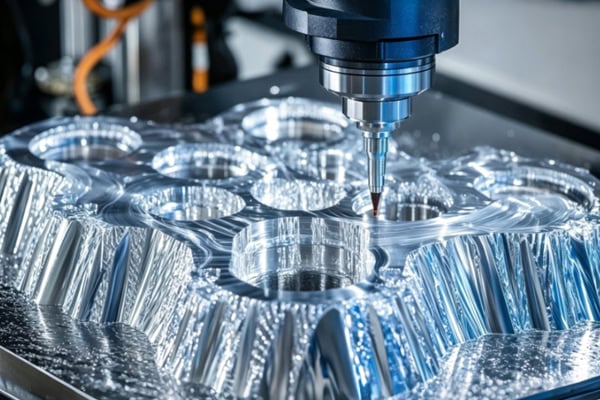
Before machining aluminum alloy parts, manufacturers need to conduct a comprehensive analysis of material properties, part structure, and machining requirements. Compared with high-hardness materials such as steel, aluminum alloys have lower hardness and higher ductility, making them more sensitive to cutting forces and heat during machining. Proper preparation and process planning before precision machining can reduce production risks and improve machining efficiency.
Select the Right Aluminum Alloy Material
Different aluminum alloys have different levels of strength, hardness, and machinability. Common materials such as 6061 and 7075 aluminum alloys vary significantly in application requirements and machining performance.
- Select the appropriate aluminum alloy grade according to the working environment of the part.
- Consider material strength, corrosion resistance, and weight requirements.
- Evaluate material stability based on machining accuracy requirements.
Choosing the right material is an important foundation for achieving high-quality precision machining results and reducing instability during production.
Analyze Part Structure Design
The complexity of aluminum alloy part structures directly affects machining difficulty. Thin-wall parts, deep cavities, and small features are especially vulnerable to deformation during machining.
- Avoid structures that are too thin or lack sufficient support.
- Consider tool access and machining paths in advance.
- Optimize part design to improve overall rigidity.
A well-designed structure reduces machining challenges and allows CNC equipment to maintain more stable processing conditions.
What Should Be Considered During Aluminum Alloy CNC Machining?
Aluminum alloy precision machining requires high attention to equipment performance, tool condition, and cutting parameters. Since aluminum is relatively soft, problems such as tool sticking, built-up edge formation, and surface quality reduction may occur during cutting. If machining strategies are not properly optimized, they can affect both appearance and dimensional accuracy while increasing production costs.
Choose Suitable Tools and Cutting Parameters
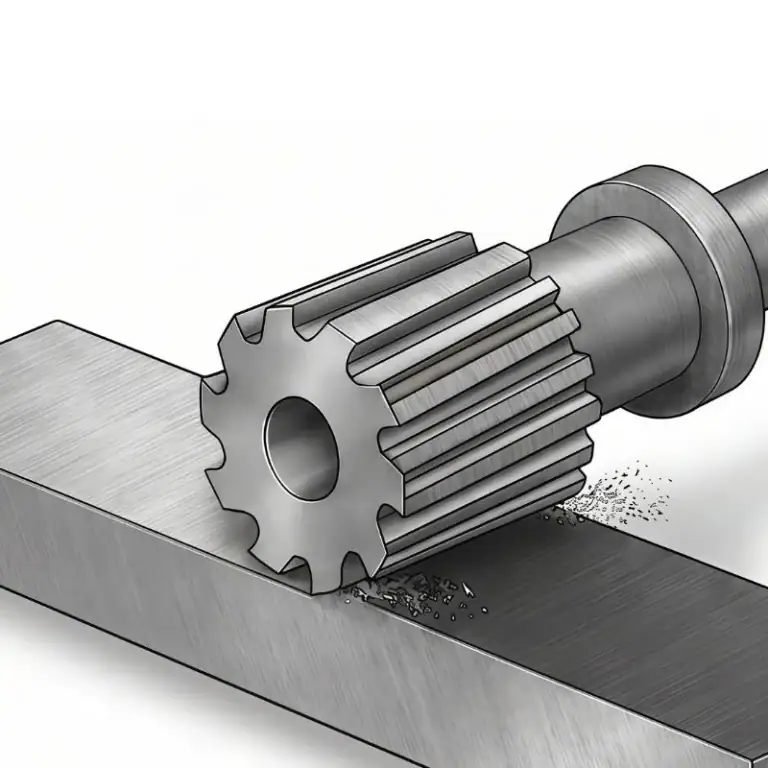
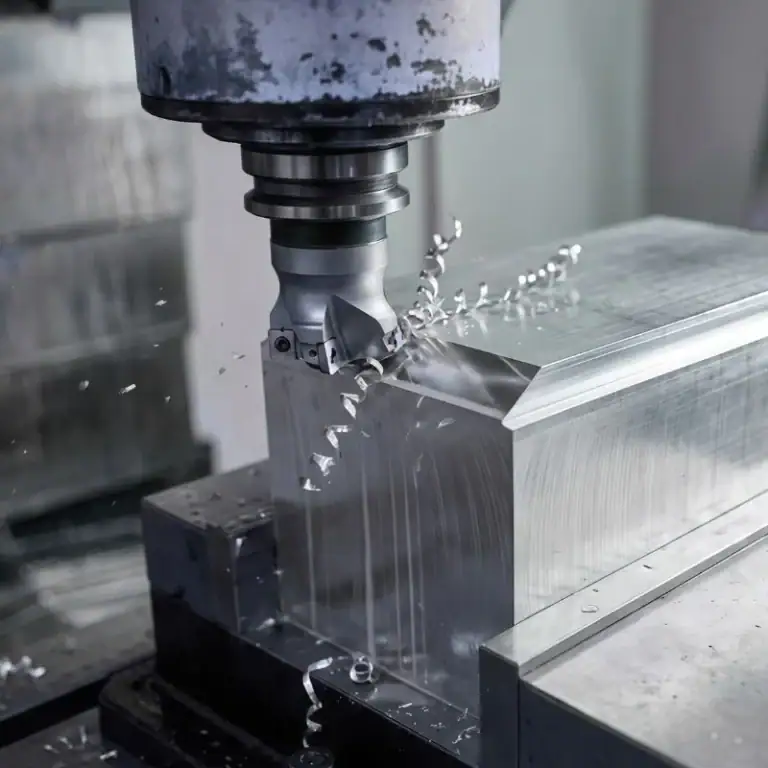
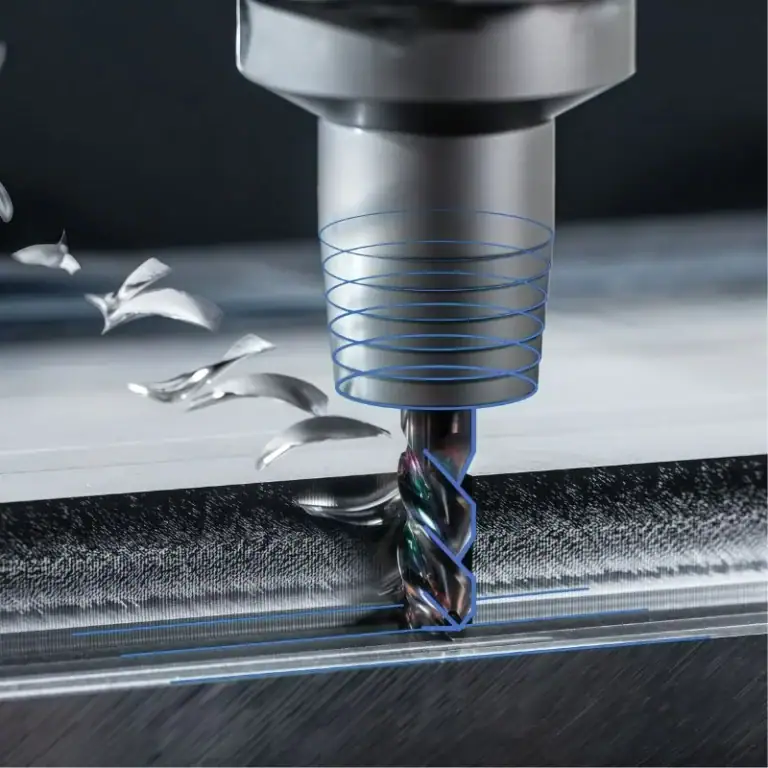
Tool selection is one of the most important factors affecting aluminum alloy machining performance. Compared with standard machining, precision machining places greater emphasis on tool sharpness, process stability, and surface finish.
- Use sharp cutting tools specifically designed for aluminum alloy machining.
- Control cutting speed and feed rate to avoid excessive cutting force.
- Regularly inspect tool wear and replace tools when necessary.
Proper tool selection and parameter adjustment reduce vibration, improve dimensional consistency, and enhance surface quality.
Control Heat Generation During Machining
Although aluminum alloys have good thermal conductivity, high-speed machining can still generate significant cutting heat. If heat is not properly controlled, thermal expansion may affect final dimensional accuracy.
- Use suitable cooling methods to reduce machining temperature.
- Prevent excessive heat accumulation during continuous machining.
- Adjust cutting strategies according to machining depth.
Effective thermal control improves precision machining stability and reduces dimensional changes caused by temperature variation.
Prevent Burrs and Surface Damage
Because aluminum alloys are relatively soft, burr formation can easily occur during machining, especially in drilling, slotting, and thin-wall machining processes.
- Optimize tool parameters to reduce edge tearing.
- Arrange proper deburring processes.
- Protect machined surfaces from scratches and damage.
Good surface finishing not only improves appearance but also affects assembly performance and product reliability.
How to Maintain Dimensional Accuracy in Aluminum Alloy Precision Machining?
For high-precision components, dimensional control is one of the most important requirements during manufacturing. Aluminum alloys are sensitive to temperature changes, material stress, and machining methods. Even with highly accurate equipment, poor process control may still cause dimensional deviations. Multiple quality control measures are required to improve machining consistency.
Control Machining Deformation
Aluminum alloy parts, especially thin-wall structures, are more likely to deform under cutting forces during machining.
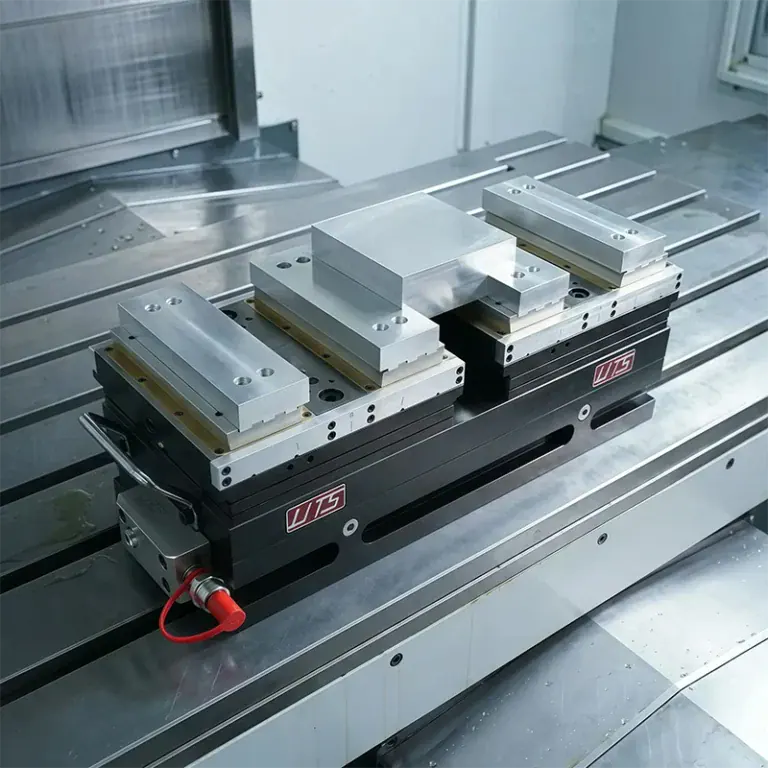
- Optimize fixturing methods to reduce clamping pressure.
- Use staged machining processes to release material stress.
- Improve machining sequences to enhance structural stability.
Reducing deformation helps maintain dimensional accuracy and improves product qualification rates.
Strengthen In-Process Inspection
Precision machining depends not only on equipment performance but also on effective quality inspection procedures. Detecting machining errors early prevents quality issues during batch production.
- Inspect critical dimensions and tolerance requirements.
- Adjust machining parameters based on inspection results.
- Use professional measurement equipment to ensure accuracy.
A complete inspection system helps maintain stable production and improves the reliability of aluminum alloy components.
What Should Be Considered After Aluminum Alloy Precision Machining?
Post-processing operations also influence the final performance of aluminum alloy parts. Many aluminum components require additional treatments such as anodizing, sandblasting, and cleaning to improve corrosion resistance, appearance, and service life. During these processes, manufacturers must ensure that dimensional accuracy is not affected.
Select Appropriate Surface Treatment Methods
Different applications require different surface finishes. The most suitable treatment method should be selected according to actual product requirements.
- Anodizing improves corrosion resistance.
- Sandblasting enhances surface appearance.
- Precision parts require careful control of coating thickness changes.
A proper surface treatment solution improves product value and meets different customer requirements.
Perform Final Quality Inspection
After completing all machining and finishing processes, parts should undergo comprehensive inspection to ensure they meet design specifications.
- Verify dimensional accuracy and tolerance requirements.
- Confirm that no surface defects exist.
- Check assembly performance and functionality.
Strict quality control procedures are essential for ensuring reliable delivery of aluminum alloy precision machining products.
Although aluminum alloys offer excellent machinability, achieving high-quality components still requires careful control of material selection, tool application, cutting parameters, structural design, and inspection processes. By optimizing machining workflows, manufacturers can effectively reduce deformation, burrs, and dimensional errors while improving part performance and production efficiency. Tirapid specializes in precision machining services, providing high-quality aluminum alloy CNC machining solutions to help customers achieve stable and high-accuracy component manufacturing.