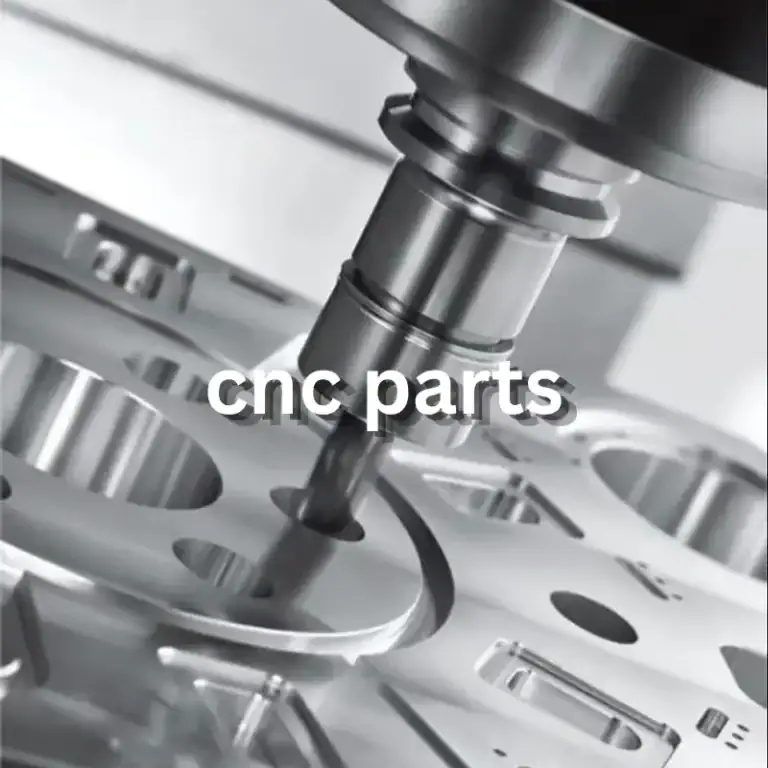
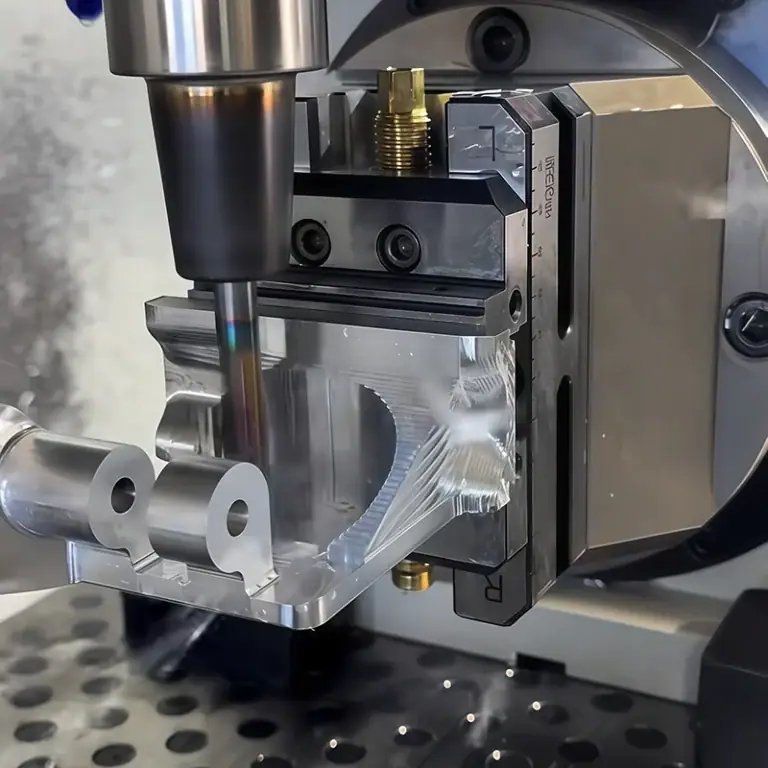
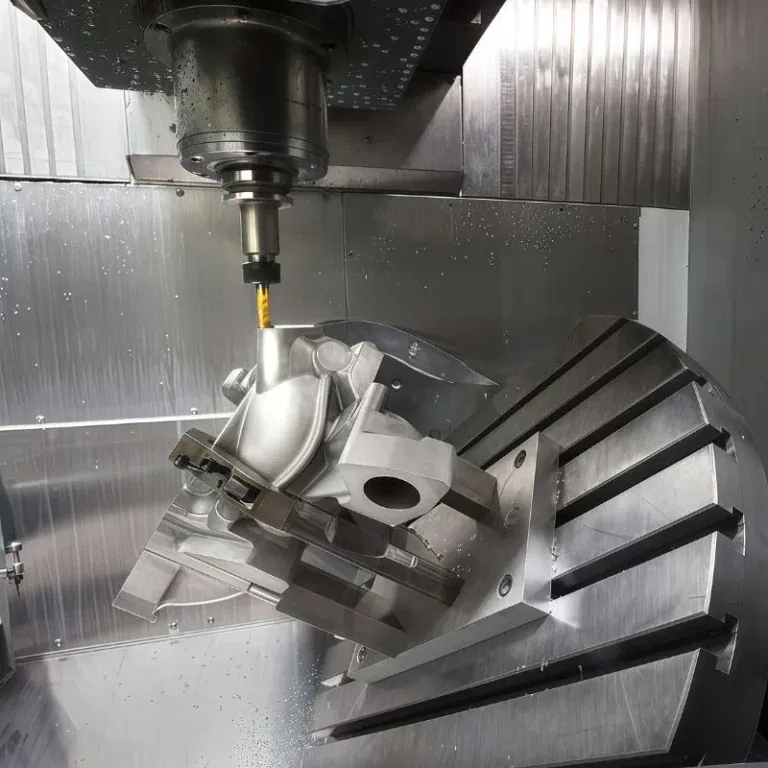
Stainless steel is widely used in medical equipment, automotive components, mechanical structures, and high-end industrial products due to its excellent corrosion resistance, high strength, and long service life. However, during actual machining processes, stainless steel is prone to burr formation after turning, milling, drilling, and other operations because of its high hardness and strong toughness. Burrs not only affect the appearance of parts but may also reduce assembly accuracy and impact product performance. For companies pursuing high-quality manufacturing, effectively solving stainless steel machining burr problems is an important step in improving precision machining quality and production efficiency.
Main Causes of Burr Formation in Stainless Steel Machining
Burrs generated during stainless steel machining are usually influenced by multiple factors, including material properties, machining equipment, tool conditions, and process parameters. Many manufacturers find that even when using the same equipment, different material batches or processing conditions may produce different burr results. This shows that burr formation is not caused by a single issue but by the combined effects of the entire machining process. Understanding the causes of burr formation helps companies optimize production methods from the source and reduce additional processing costs.

Material Properties Cause Edge Deformation
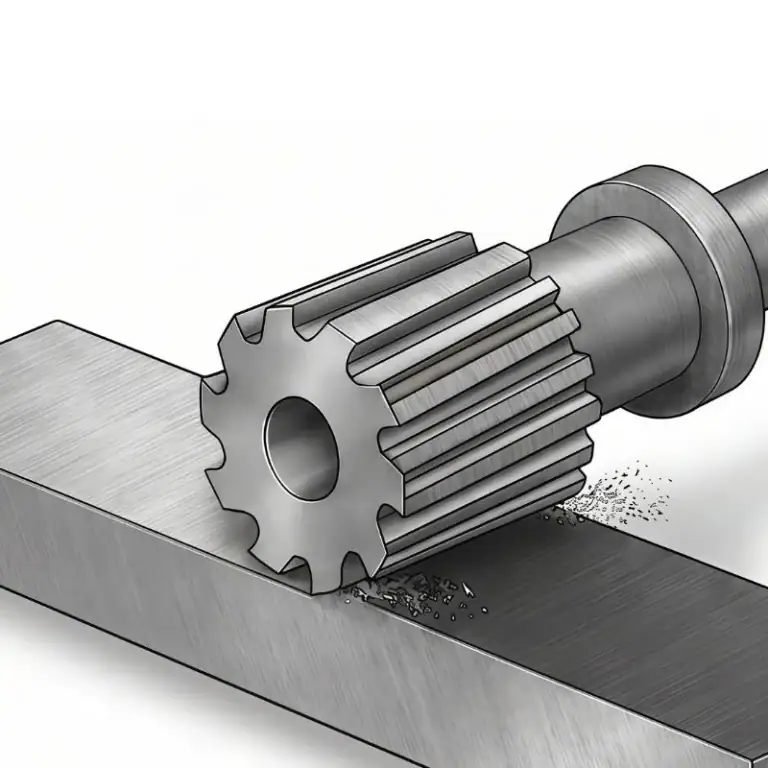
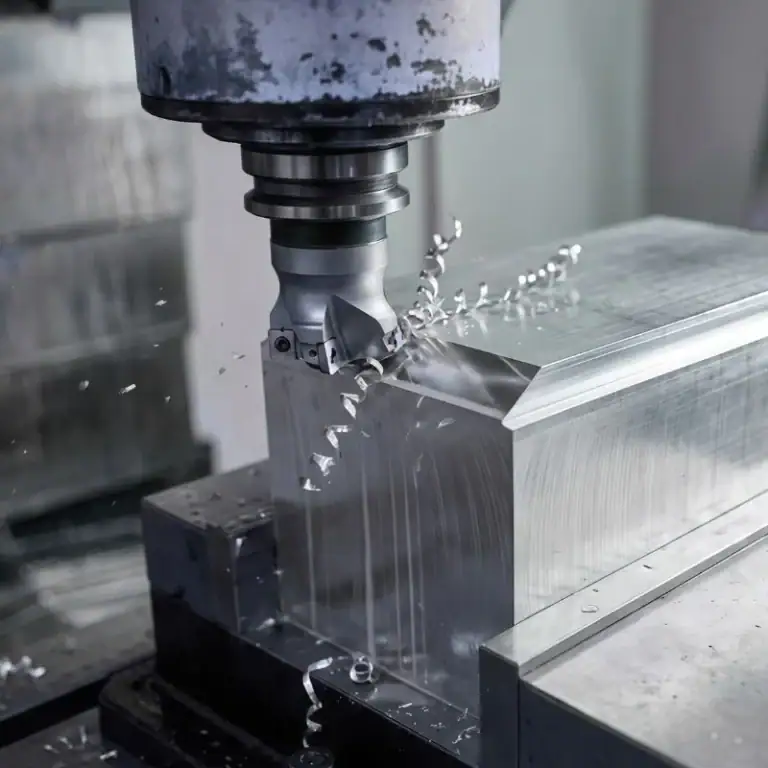
Stainless steel has strong toughness and ductility. During cutting, it does not break easily like brittle materials but tends to undergo plastic deformation. When the cutting tool exits the machining area, the material edge may stretch or curl, resulting in noticeable burrs.
- Stainless steel tends to be squeezed during cutting, causing edge deformation and rollover burrs.
- High-toughness materials may leave residual material on the machined edges.
- Thin-wall parts are more likely to experience edge deformation during machining.
- Different stainless steel grades have different hardness levels, affecting burr formation.
A proper understanding of material characteristics helps manufacturers develop more suitable stainless steel precision machining solutions and reduce burr occurrence.
Tool Wear Affects Machining Quality
Tool condition directly determines whether the cutting process remains stable. As machining time increases, tool edges gradually wear, reducing cutting performance. When material cannot be cut effectively, burrs and machining defects are more likely to appear.
- Worn tools increase cutting resistance.
- Insufficient tool sharpness causes material tearing.
- Improper tool selection affects machining results.
Regular tool inspection and replacement help maintain stable cutting performance and improve part quality.
Improper Machining Parameters
Cutting speed, feed rate, and cutting depth all influence the edge quality of stainless steel parts. If parameters do not match material characteristics, unstable cutting, increased vibration, and larger burrs may occur.
- Excessive feed rate increases material extrusion pressure.
- Low cutting speed may reduce machining efficiency.
- Excessive cutting depth increases tool load.
Optimizing machining parameters allows tools to achieve better cutting performance while improving the stability of precision machining processes.
Optimize Machining Processes to Reduce Stainless Steel Burrs
Solving stainless steel machining burr problems requires more than post-processing. More importantly, burr formation should be controlled during the machining process itself. Proper process planning can reduce material deformation, lower tool stress, and improve dimensional consistency. In precision machining production, optimizing machining paths, adjusting parameters, and improving workpiece fixturing can effectively reduce burr formation and enhance overall manufacturing efficiency.
Adjust Cutting Parameters Properly
Cutting parameters are important factors affecting burr formation. Different stainless steel grades require different machining conditions. Proper adjustment of cutting speed, feed rate, and cutting depth can reduce material pulling and deformation during cutting.
- Select suitable cutting speeds according to stainless steel grades.
- Control feed rates to avoid excessive edge extrusion.
- Adjust cutting depth to reduce tool loading.
- Continuously optimize parameters based on machining results.
Scientific parameter settings reduce burrs while ensuring dimensional accuracy and surface quality.
Select Suitable Tools and Machining Methods
Tool selection and machining methods have a significant impact on burr control. Different part structures and machining locations require suitable tooling solutions to avoid quality issues caused by improper tools.
- Use high-performance tools designed for stainless steel machining.
- Select wear-resistant tool materials.
- Optimize tool geometry to improve cutting stability.
Proper tool selection reduces cutting resistance, improves production efficiency, and enhances edge quality.
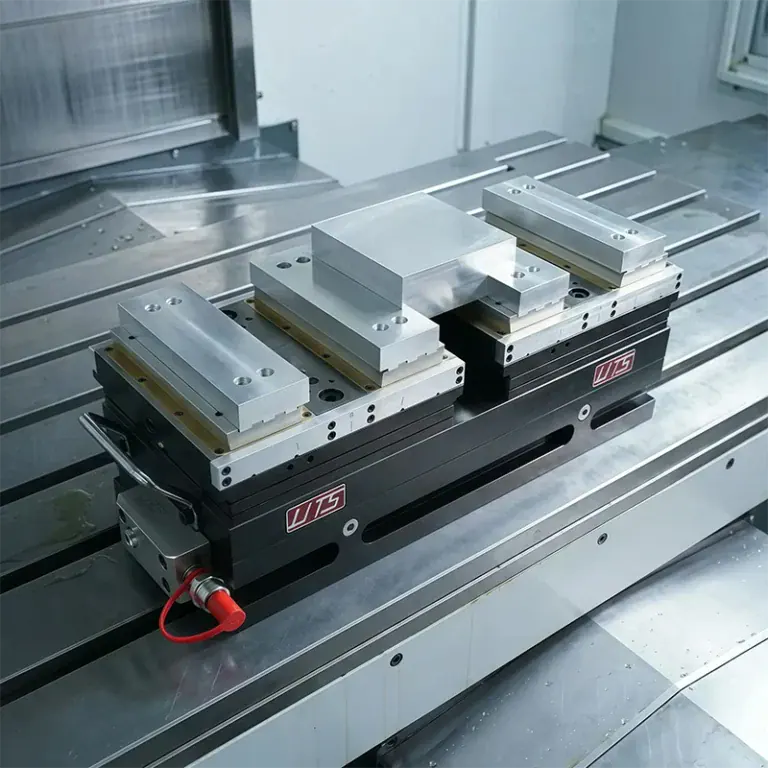
Improve Workpiece Fixturing Methods
Fixturing methods influence the stress condition of workpieces during machining. For thin-wall or complex components, improper clamping can easily cause deformation and burr problems.
- Reduce vibration during machining.
- Avoid excessive clamping force that causes deformation.
- Ensure accurate positioning to improve machining consistency.
- Design dedicated fixtures according to part structures.
Stable fixturing improves machining reliability and makes precision machining processes more consistent.
Use Appropriate Methods to Remove Machining Burrs
Even with optimized processes, some high-precision parts still require additional deburring after machining. Different components have different requirements for surface quality, dimensional accuracy, and application conditions. Selecting the right deburring method prevents damage to part performance while achieving better processing results.
Manual Deburring
Manual deburring is a common method suitable for low-volume production or parts with complex structures. Operators can perform targeted treatment based on specific burr locations.
- Use sandpaper, files, and other tools to remove visible burrs.
- Handle complex areas and special positions.
- Suitable for small-batch production or prototypes.
Manual methods are flexible, but efficiency may be limited for large-scale production.
Mechanical Deburring
Mechanical deburring is suitable for batch production environments. Equipment-based processing improves efficiency and consistency.
- Use grinding equipment to remove edge burrs.
- Suitable for large quantities of repeated parts.
- Improves overall production efficiency.
- Reduces manual processing time.
Mechanical deburring meets the needs of many industrial components and improves manufacturing stability.
Precision Deburring Technologies
For medical equipment, aerospace components, and high-precision mechanical parts, more accurate deburring methods are required.
- Ultrasonic deburring is suitable for small precision components.
- Chemical deburring works well for complex internal structures.
- Precision treatment minimizes dimensional changes.
Advanced deburring technologies meet demanding precision machining requirements and maintain stable part performance.
Establish Quality Control Systems to Reduce Burr Issues
Controlling stainless steel machining burrs cannot rely on a single process step. It requires management throughout the entire production cycle, including material selection, equipment setup, machining monitoring, and final inspection. A complete quality control system helps reduce unexpected problems and improve product consistency.
Strengthen Process Inspection
Timely inspection during machining helps identify problems quickly and prevents large quantities of defective products.
- Regularly inspect part edge quality.
- Monitor tool wear conditions.
- Adjust processes according to inspection results.
Continuous inspection improves production stability and ensures precision machining quality.
Establish Standardized Production Procedures
Standardized processes reduce the influence of human factors and make machining operations more consistent.
- Standardize tool usage procedures.
- Record machining parameters.
- Improve operating standards.
Standardized management reduces rework rates and improves overall production efficiency.
Choose Professional Precision Machining Services
For high-precision stainless steel components, ordinary machining conditions may not meet strict requirements. Professional machining companies have advanced equipment, mature processes, and complete inspection systems to develop suitable manufacturing solutions for different parts.
- Possess extensive stainless steel machining experience.
- Provide customized machining solutions.
- Support stable batch production requirements.
Choosing professional manufacturing services helps companies obtain higher-quality and more reliable stainless steel components.
Solving stainless steel machining burr problems requires comprehensive control of material characteristics, machining processes, tool management, and post-processing methods. By optimizing production workflows, improving equipment capabilities, and applying professional precision machining technologies, manufacturers can effectively reduce burr formation, improve part accuracy, and enhance product reliability. Tirapid specializes in precision machining services, providing high-precision stainless steel component manufacturing and reliable one-stop machining solutions for customers worldwide.