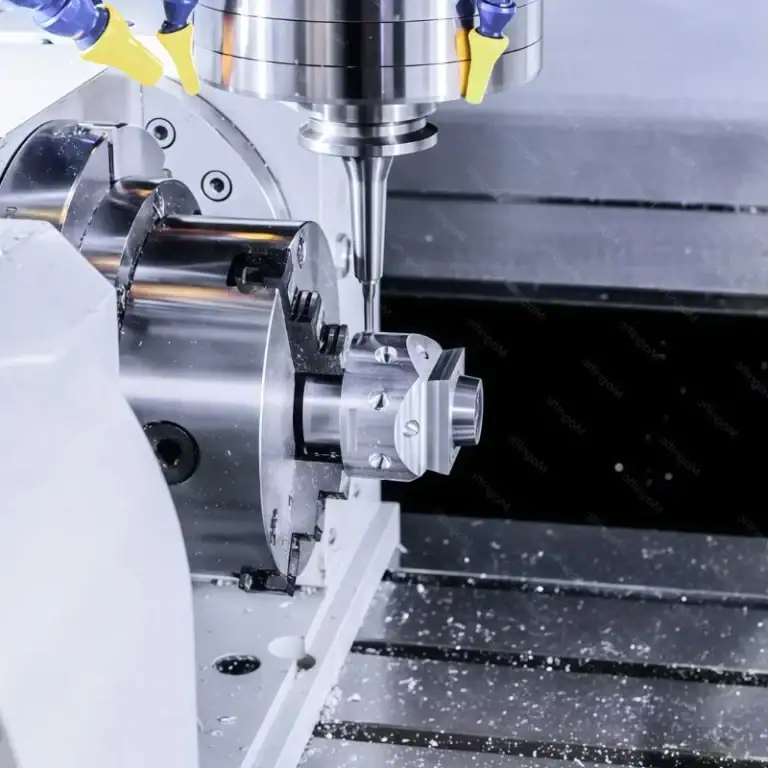
In modern precision manufacturing, CNC turning has become a core process for producing cylindrical, shaft-type, and high-precision mechanical components. It is widely used in automotive, aerospace, medical devices, electronics, hydraulic systems, and industrial automation equipment. As global competition intensifies and customers demand faster delivery, higher precision, and lower pricing, cost control in CNC turning has become a decisive factor for manufacturing competitiveness.
CNC turning cost is influenced by a complex combination of factors, including material selection, machining time, tool consumption, machine efficiency, labor input, programming efficiency, fixture design, and production management systems. Reducing cost does not simply mean lowering quality or cutting corners; instead, it requires systematic optimization across the entire production chain. From design engineering to final inspection, every step has potential for improvement. By improving machining efficiency, reducing waste, extending tool life, and increasing automation levels, manufacturers can significantly reduce unit cost while maintaining stable precision and high product quality. A well-optimized CNC turning process can improve profitability, shorten lead time, and enhance long-term competitiveness in global markets.
Optimize Part Design to Reduce Machining Complexity
Product design is one of the most powerful cost drivers in CNC turning. Many cost increases come not from machining itself but from unnecessary design complexity. Complex geometries, overly tight tolerances, deep cavities, and non-standard features all increase machining time, tool changes, and programming difficulty. Optimizing design for manufacturability (DFM) helps reduce machining burden and significantly lowers production cost without affecting product performance or functionality.
Simplify Geometry and Improve Manufacturability
Simplified geometry directly reduces machining operations, tool paths, and setup time. Many industrial parts can be redesigned with fewer machining steps while maintaining performance.
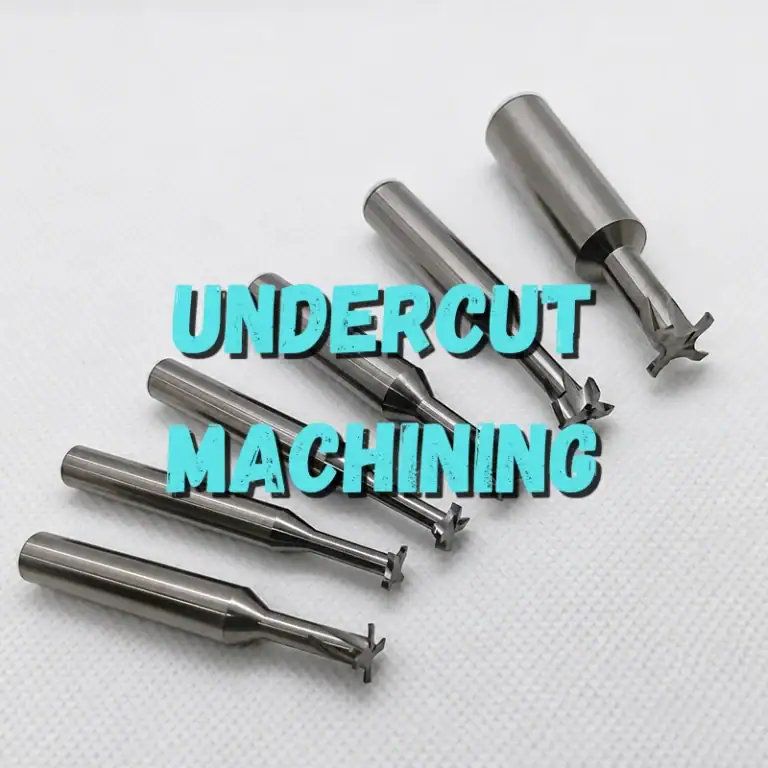
- Remove unnecessary undercuts and deep grooves
- Reduce excessive surface finishing requirements
- Avoid overly tight tolerance stacking
- Optimize wall thickness for stability
- Improve tool accessibility for cutting
- Minimize secondary finishing operations
- Reduce complex tool path programming
A simplified design reduces cycle time and improves production efficiency across mass manufacturing.
Standardization for Scalable Production
Standardizing design features allows reuse of tooling, fixtures, and CNC programs, reducing preparation cost and improving production scalability.
- Use standard thread specifications
- Apply unified dimensional series
- Reduce custom tooling requirements
- Improve CNC program reuse rate
- Enhance batch production efficiency
- Reduce engineering preparation time
- Lower long-term production cost
Standardization is especially important for high-volume CNC turning production environments.
Improve Material Selection for Cost Optimization
Material cost is one of the largest contributors to CNC turning expenses. However, material choice affects not only raw cost but also machining speed, tool wear, cooling requirements, and overall production efficiency. Selecting materials with good machinability while meeting performance requirements can significantly reduce total manufacturing cost.

Select Materials with High Machinability
Materials that are easier to cut reduce tool wear and machining time, directly lowering production cost.
- Faster cutting speed capability
- Reduced tool wear rate
- Improved chip control and evacuation
- Lower machining temperature
- Higher surface finish quality
- Reduced coolant consumption
- Improved machining stability
Good machinability materials improve both efficiency and cost-effectiveness in CNC turning operations.
Avoid Over-Specification of Materials
Over-engineering material selection is a common cost problem in manufacturing. Using expensive alloys when not required increases cost without improving functionality.
- Match material to real application requirements
- Avoid unnecessary high-grade alloys
- Optimize cost-performance ratio
- Reduce raw material waste
- Improve supply chain flexibility
- Maintain required mechanical performance
Proper material selection can reduce cost by 10–30% in many CNC turning applications.
Optimize Cutting Parameters to Improve Efficiency
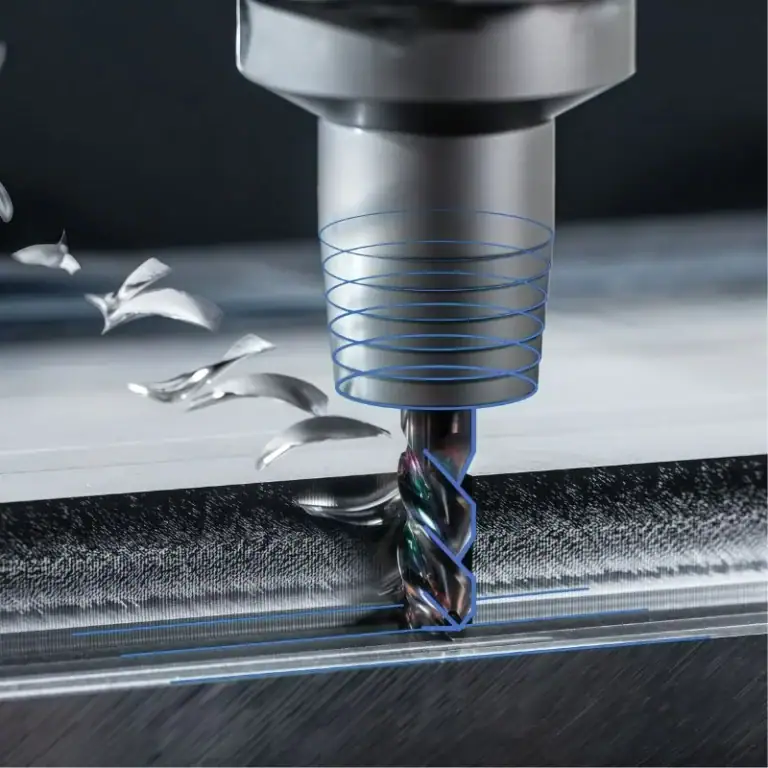
Cutting parameters directly determine machining time, tool life, and energy consumption. Improper parameter settings lead to slow production, excessive tool wear, poor surface quality, and higher cost per part. Optimizing spindle speed, feed rate, and depth of cut ensures a balance between efficiency and tool durability.
Improve Cutting Speed Efficiency Balance
Cutting speed must be optimized based on material type, tool material, and machine rigidity. Excessive speed increases instability while too low speed reduces efficiency.
- Reduce cycle time per part
- Improve material removal rate
- Extend tool life under stable conditions
- Reduce cutting heat accumulation
- Improve surface consistency
- Enhance production throughput
Proper speed optimization ensures stable and cost-efficient machining performance.
Feed Rate and Cutting Depth Optimization Strategy
Feed rate and depth of cut directly influence cutting force and machining stability. Balanced settings reduce tool load and improve production efficiency.
- Reduce unnecessary machining passes
- Improve chip breaking performance
- Reduce cutting force fluctuation
- Enhance machining stability
- Improve tool lifespan
- Optimize production efficiency balance
Correct parameter strategy reduces both time cost and tool cost simultaneously.
Extend Tool Life to Reduce Consumable Expenses
Tool consumption is a continuous cost in CNC turning. Frequent tool replacement not only increases material expense but also causes downtime and reduces machine utilization. Extending tool life through better selection, usage control, and monitoring significantly improves cost efficiency.
Use High-Performance Cutting Tools
High-quality tools improve durability and reduce overall machining cost despite higher initial investment.
- Better wear resistance performance
- Longer service life under high load
- Stable cutting performance
- Reduced tool change frequency
- Improved machining consistency
- Lower downtime cost
- Better surface quality stability
High-performance tools are essential for large-scale production efficiency.
Tool Usage Monitoring and Optimization
Proper tool management systems help extend tool life and prevent unexpected failures.
- Monitor tool wear in real time
- Apply optimized cutting parameters
- Reduce overload cutting conditions
- Use effective coolant strategies
- Track tool life cycles
- Implement preventive replacement plans
Scientific tool management significantly reduces long-term production cost.
Increase Automation Level in CNC Turning
Automation is one of the most effective strategies for reducing CNC turning costs. It reduces labor dependency, improves machine utilization, and ensures continuous production stability. Modern CNC systems integrate robotic loading, automatic feeding, and smart monitoring to achieve high-efficiency manufacturing.
Reduce Labor Cost Through Automation
Automation reduces manual intervention and increases production consistency, significantly lowering cost per part.
- Reduce operator dependency
- Enable unattended machining cycles
- Improve machine utilization rate
- Lower labor cost per unit
- Improve production consistency
- Reduce human error rate
- Increase production stability
Automation improves both efficiency and long-term profitability.
Smart Manufacturing Improves Efficiency
Digital manufacturing systems enhance production planning, monitoring, and optimization.
- Real-time machining data monitoring
- Intelligent production scheduling
- Reduced machine idle time
- Improved workflow efficiency
- Better quality control integration
- Enhanced production visibility
Smart factories significantly improve CNC turning cost efficiency.
Strengthen Production Management and Process Control
Efficient production management ensures stable manufacturing output and reduces hidden costs such as waste, rework, and downtime. Proper planning, maintenance scheduling, and process optimization improve overall manufacturing efficiency.

Reduce Waste Through Process Optimization
Waste reduction directly improves profit margins in CNC turning production.
- Reduce scrap and defective parts
- Improve production planning accuracy
- Optimize machining workflow
- Improve material utilization rate
- Reduce rework operations
- Enhance quality consistency
Process optimization is a key factor in cost control.
Equipment Maintenance Strategy Optimization
Machine downtime is a hidden cost that significantly affects production efficiency. Proper maintenance ensures long-term stability.
- Prevent unexpected breakdowns
- Extend machine service life
- Reduce maintenance cost
- Maintain machining precision stability
- Improve equipment reliability
- Ensure continuous production
Stable equipment performance reduces overall production cost.
Conclusion: Systematic Optimization Is the Key to Cost Reduction
Reducing CNC turning manufacturing cost requires a comprehensive and systematic approach that includes design optimization, material selection, cutting parameter adjustment, tool life management, automation integration, and production system improvement. Each improvement contributes to lower cost per part while maintaining high precision and consistent quality.
In modern competitive manufacturing environments, companies that successfully optimize CNC turning processes gain stronger pricing advantage, faster delivery capability, and higher market competitiveness. Continuous improvement and intelligent manufacturing integration will remain the core direction for long-term cost reduction and production efficiency enhancement in CNC turning operations.