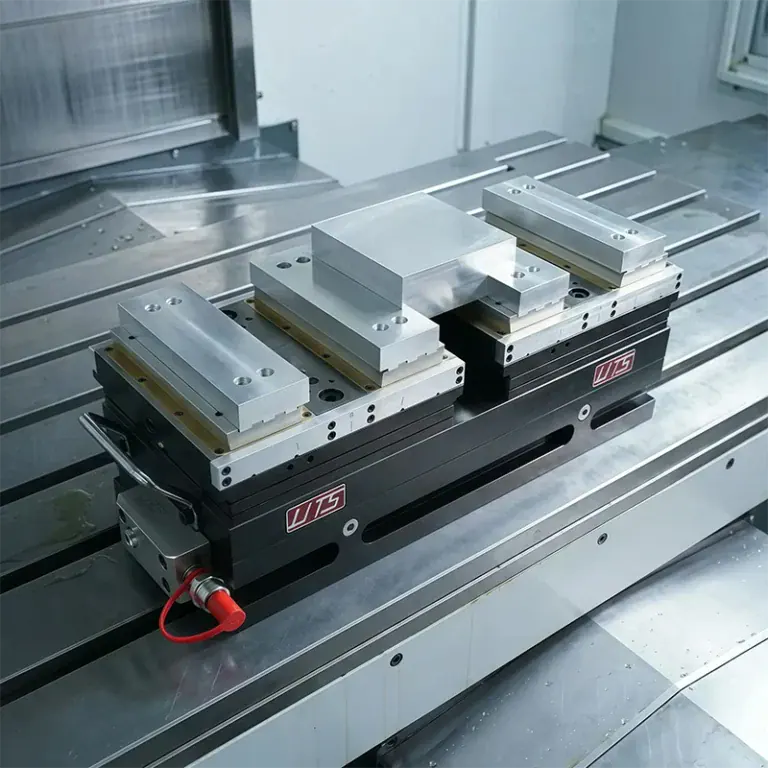
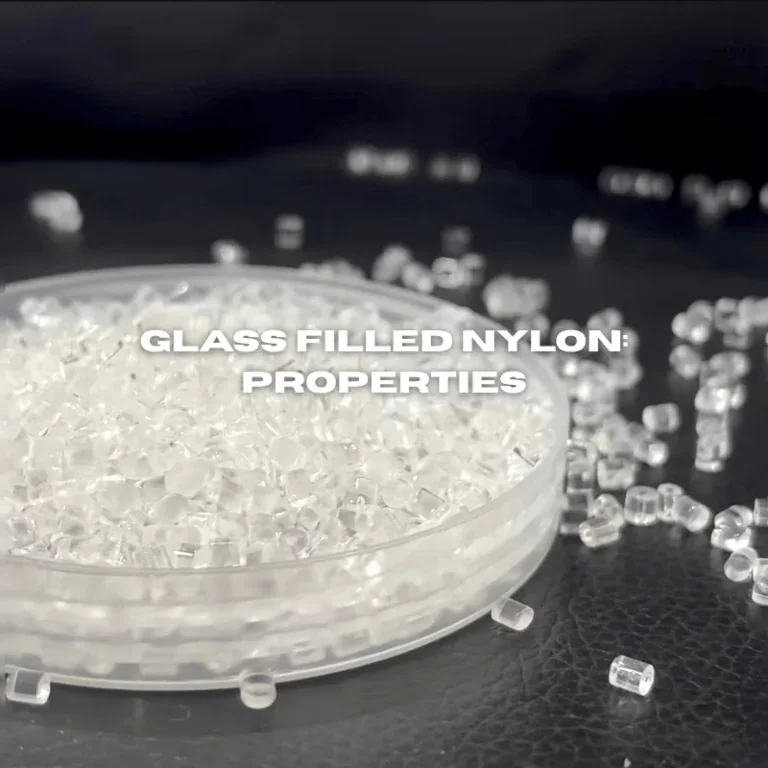
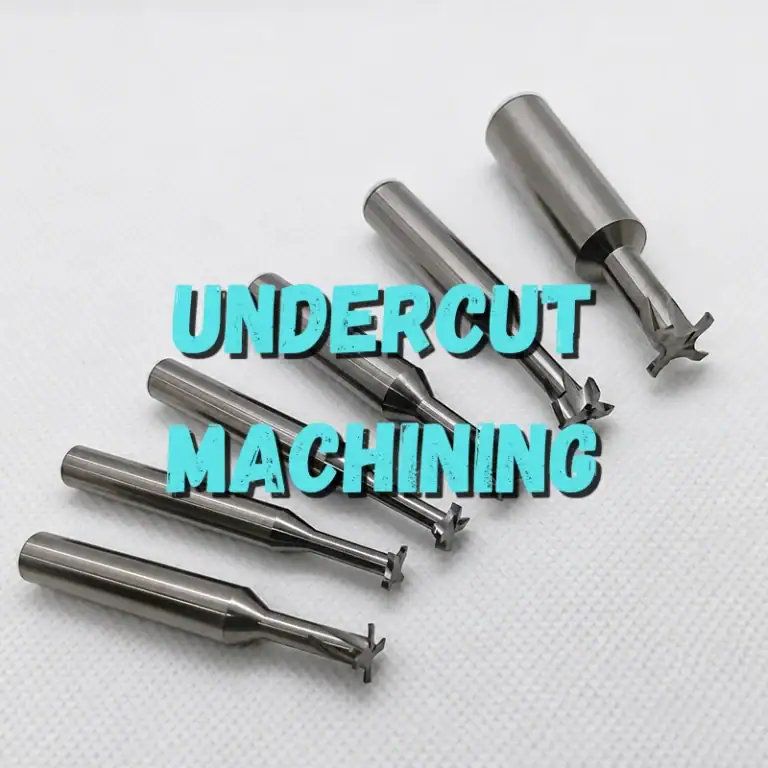
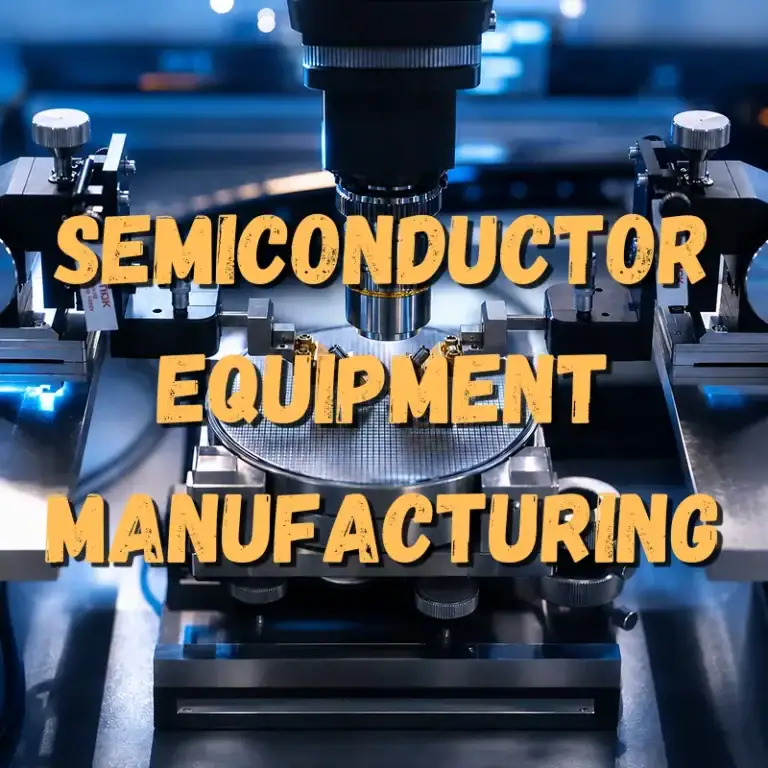
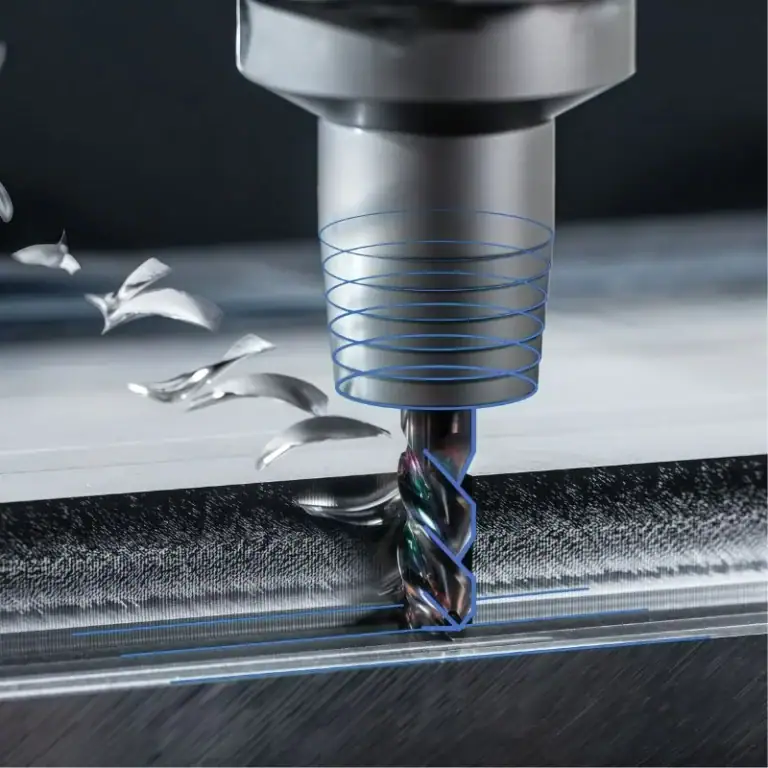
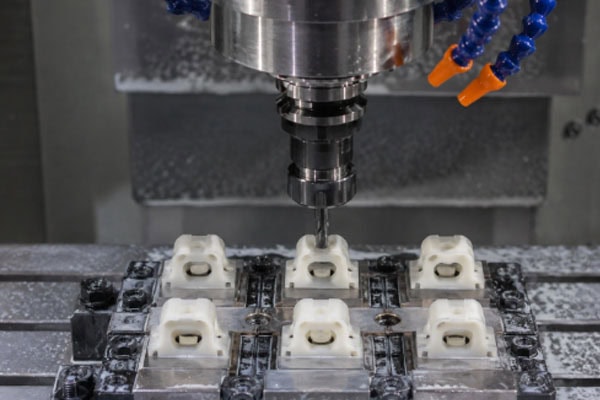
With the continuous development and maturity of CNC machining technology, plastics can now be processed into industrial parts with high precision, complex structures, and stable performance. Through computer programs that control tool movement, CNC machining precisely cuts plastic sheets, rods, and engineering plastic blanks to create components that meet design requirements.Compared with metal materials, plastic parts are usually lighter, have better electrical insulation properties, stronger corrosion resistance, and lower friction coefficients. Therefore, they are widely used in electronics, automotive, medical, semiconductor, automation equipment, and other industries. Different plastic materials are suitable for different types of parts. For example, POM is suitable for precision mechanical components, PEEK is suitable for parts used in high-temperature environments, and PC is suitable for transparent structural components.
Plastic Parts for Mechanical Equipment
When mechanical equipment operates, it often requires many components with wear resistance, low friction, and stable dimensions. Many people think mechanical parts must be made of metal, but this is not always true. In applications where the load is not extremely high but requirements for weight, noise, and friction are important, engineering plastics may actually be a better choice.They can not only meet basic functional requirements but also help reduce equipment weight, lower operating noise, and even reduce the frequency of lubrication maintenance. Therefore, CNC plastic machining has a wide range of applications in mechanical manufacturing. It can produce structural parts, transmission components, and various auxiliary components.
Plastic Gears and Transmission Components
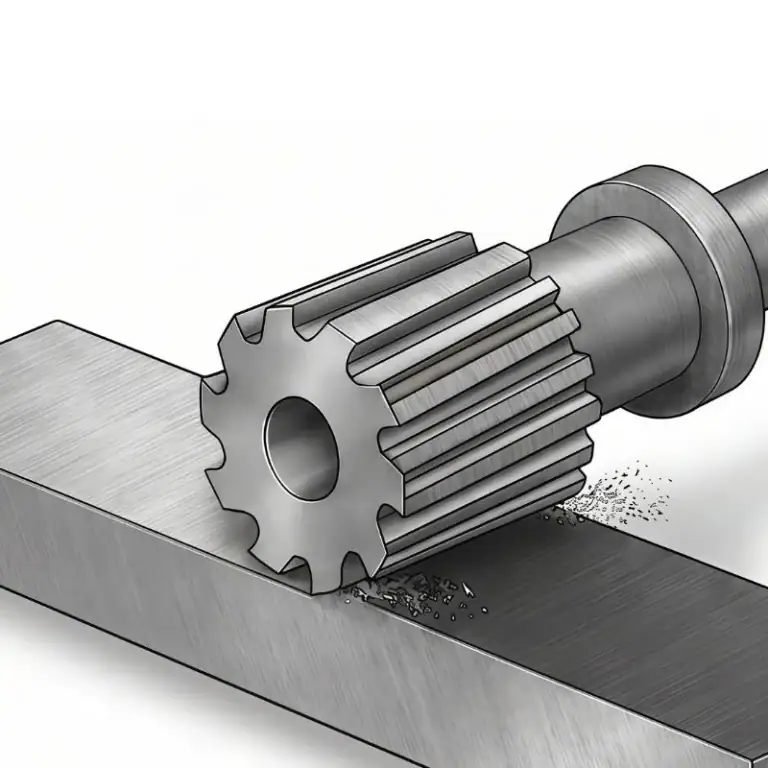
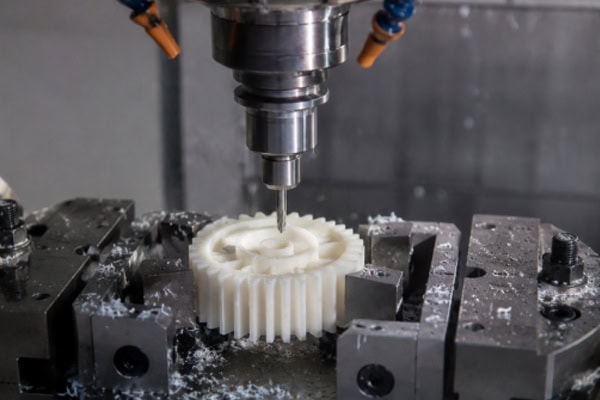
Plastic gears are one of the most common types of parts produced through CNC plastic machining. They are mainly used in mechanical transmission systems. Many machines do not necessarily require metal gears. In some applications with low loads, continuous operation, or high sensitivity to noise, plastic gears may actually be a more suitable choice.Plastic materials naturally have certain self-lubricating properties. When properly selected and applied, they can reduce friction and wear between gears, allowing equipment to operate more smoothly and quietly.
Common machining materials include:
- POM (Polyoxymethylene)
- PA (Nylon)
- PEEK (Polyether Ether Ketone)
These materials have good wear resistance and mechanical strength. When manufactured into gears, they can provide stable long-term operation and are less likely to experience significant wear caused by minor friction. Especially in applications requiring repeated rotation and frequent engagement, selecting the right material can greatly improve part service life.
When CNC machining plastic gears, precise control can be achieved for:
- Tooth profile dimensions
- Tooth pitch accuracy
- Center hole position
- Surface roughness
These details may seem minor, but they are extremely important for gears. Even a small deviation in one area can cause problems such as jamming, abnormal noise, or reduced operating performance of the entire machine during assembly.The advantage of CNC machining lies in its high precision and easy modification, making it especially suitable for small-batch customized gears and prototype manufacturing during the product development stage. For non-standard gears used in special equipment, CNC machining does not require mold development, allowing faster production and making it more suitable for testing samples and design revisions.
Bushings, Sliders, and Guide Rail Components
These components usually perform functions such as support, guidance, friction reduction, and buffering. Therefore, their material requirements are generally very clear: they need to be wear-resistant, have low friction, maintain dimensional stability, and avoid affecting the smooth operation of equipment as much as possible.Engineering plastics perform well in these areas, which is why they are often used for these types of parts. In many cases, plastic components can also reduce direct contact between metal parts, decrease wear, and make equipment operation quieter.
For example:
- POM bushings
- PA sliders
- PTFE guide components
Although these parts may not appear noticeable in equipment, their functions are very practical. They help moving components operate more smoothly, reduce sticking, and lower dependence on lubricating oil.For example, plastic bushings and sliders are commonly used in automation equipment, packaging machinery, and conveyor systems because they can maintain basic precision while improving equipment stability.CNC machining can manufacture parts of different sizes according to equipment structures, including:
- Precision round holes
- Special mounting grooves
- Complex-shaped structures
- Positioning structures
These structures may be difficult to manufacture using conventional methods, but CNC machining provides much greater flexibility. As long as the drawings are clear, many complex shapes can be produced, while maintaining relatively stable dimensional control.
Mechanical Fixtures and Positioning Jigs
During the production process, fixtures and jigs are very common auxiliary tools. Their main purpose is to securely hold and accurately position products, making subsequent assembly, inspection, or machining processes easier.In many cases, these tools do not directly contribute to the final product function, but they have a significant impact on production efficiency and product quality. Plastic materials are widely used in manufacturing auxiliary tooling because they are lightweight, easy to machine, and less likely to scratch product surfaces.Especially for products with delicate surfaces that cannot be damaged by metal clamps, plastic fixtures provide a safer solution.
CNC machining can manufacture:
- Assembly jigs
- Inspection fixtures
- Positioning plates
- Tooling clamp plates
For example, plastic jigs are very common in electronic product production lines. They can securely hold products in place without scratching housings or damaging edges due to excessive material hardness.For processes that require repeated positioning, plastic fixtures can also maintain good repeatability accuracy, making operations easier for workers and helping production processes run more smoothly.Overall, although these components are auxiliary parts, they are highly practical in actual manufacturing environments.
Plastic Parts in the Electronics and Electrical Industry
Electronic equipment usually has very strict requirements for components. In addition to dimensional accuracy, factors such as insulation performance, material stability, and appearance quality are also highly important.Many electronic devices cannot freely use metal components internally because metals may conduct electricity, interfere with signals, or increase safety risks. Plastics provide excellent electrical insulation properties while also achieving the required machining precision, making CNC plastic machining an important manufacturing method in the electronics and electrical industry.
Electronic Equipment Housings and Structural Components
Plastic housings are one of the most common products made through CNC machining, especially suitable for prototype development, small-batch production, and specialized equipment.During the development stage of many electronic products, housing designs often require continuous adjustments. One day a mounting hole may need to be changed, and another day an edge design may need modification. If traditional mold manufacturing is used, the cycle is long, the cost is high, and design changes are inconvenient.CNC machining provides much greater flexibility. Once the drawing is modified and the machining program is adjusted, a new version can be produced quickly, making it highly suitable for product development and trial production stages.
Common materials include: ABS, PC, PMMA, PEEK.
These materials each have different characteristics. Some are suitable for general housings, some are suitable for transparent components, and some are suitable for high-temperature or demanding environments.For example, ABS is widely used, PC offers good strength and transparency, PMMA is suitable for viewing windows, and PEEK is more suitable for high-performance applications. Selecting materials according to different requirements allows the final housing to better match actual usage conditions.
CNC machining can manufacture:
- Instrument housings
- Control boxes
- Equipment panels
- Protective covers
These components are very common in electronic equipment. They need to be both visually attractive and practical.Compared with ordinary injection-molded housings, CNC machining can respond faster to design modifications and is suitable for repeated prototyping during product development.For transparent equipment windows or observation covers, materials such as acrylic and PC can also be machined. This allows users to easily observe internal conditions while improving the overall user experience and visual appearance of the product.
Insulation Components and Electronic Fixtures
In the electronics industry, many devices need to prevent current transmission, creating a continuous demand for insulation components.Especially in areas such as circuit boards, connectors, and electrical support structures, insufficient insulation performance may create safety risks or affect normal equipment operation.Plastics provide relatively stable performance in this area, so they are commonly used to manufacture insulation spacers, support components, testing fixtures, and other parts.Although these components are usually small, their functions are extremely important.
Common products include:
- Insulation spacers
- PCB testing fixtures
- Electrical support components
- Connector structural parts
Materials such as FR4, PEEK, and POM all provide good insulation performance and can meet the requirements of many electronic devices.Different materials are suitable for different applications. Some are better for high-temperature environments, some are suitable for general insulation supports, and others are ideal for testing fixtures.With proper material selection, components can operate more reliably.CNC machining ensures accurate hole positions, mounting dimensions, and structural precision, allowing parts to be installed accurately into equipment.Therefore, these types of components usually require careful and precise machining, which is exactly where CNC technology provides advantages.
Semiconductor Equipment Components
The semiconductor manufacturing environment has extremely strict material requirements. Components used in semiconductor equipment must not only function properly but also minimize contamination, particle generation, and chemical corrosion while maintaining excellent dimensional stability.Because semiconductor production environments are highly specialized, many processes have very strict requirements for cleanliness and stability. If the wrong material is selected, problems may occur during later production stages.Plastics have significant advantages in these working environments. Especially high-performance plastics can better adapt to complex operating conditions.
CNC plastic machining can manufacture:
- Wafer positioning components
- Vacuum equipment components
- Inspection fixtures
- Insulation structural components
These components often need to operate under high temperatures, strong chemical environments, or high-cleanliness conditions. Therefore, high-performance plastics such as PEEK and PPS are widely used because they provide excellent heat resistance, stability, and chemical resistance, allowing them to better meet the requirements of semiconductor equipment applications.
CNC Plastic Machining Parts for the Automotive Industry
In recent years, automotive manufacturing has placed increasing emphasis on lightweight design and the application of high-performance materials. In the past, many components were mainly designed with metals, but today, engineering plastics are being used more frequently to reduce weight, lower noise, and improve efficiency.Plastic components can not only reduce vehicle weight but also provide advantages in wear resistance, heat resistance, and corrosion resistance. Especially during the automotive development stage, many parts require rapid prototyping and quick design modifications, making CNC plastic machining highly valuable.
Automotive Functional Structural Components
There are actually many plastic structural components inside vehicles, although they are not always easy to notice in daily use.For example, areas around dashboards, sensor mounting locations, and internal connection structures often require lightweight, stable, and easily machined components to work together.Plastics are highly practical in these applications because they can meet basic strength requirements without adding excessive weight to the vehicle.
For example:
- Dashboard components
- Sensor brackets
- Connection bases
- Fixing clips
These components are responsible for supporting, connecting, fixing, or protecting related parts, so assembly accuracy is also important.CNC machining is particularly suitable for small-batch automotive parts during the development stage because it can quickly verify design concepts and allows easy modifications when problems are discovered.As a result, development efficiency can be improved while trial-and-error costs can be better controlled.
Automotive Transmission System Components
Some auxiliary transmission components inside vehicles can also be manufactured from plastics.Many people assume that automotive transmission systems must always use metal components, but this is not necessarily true. For areas with relatively low loads but requiring wear resistance and stable operation, plastic components may actually be a better option.They can reduce friction, lower noise, and reduce weight to some extent. As long as the correct material is selected, their performance can be very reliable.
For example:
- Plastic gears
- Bearing retainers
- Guide components
These parts usually require good wear resistance and dimensional stability, so materials such as POM and PA are commonly used.During long-term operation, these materials can maintain relatively stable performance and are less likely to experience significant deformation caused by minor friction.
New Energy Vehicle Components
New energy vehicles have more complex component requirements compared with traditional vehicles, especially regarding insulation performance and lightweight design.Because electric vehicles contain batteries, electronic control systems, and high-voltage connections, many areas require materials with excellent insulation properties for protection.At the same time, manufacturers aim to reduce overall vehicle weight as much as possible to improve driving range and energy efficiency.Plastics can satisfy both requirements, which is why they are being increasingly used in new energy vehicles.
CNC plastic machining can manufacture:
- Battery insulation components
- Electronic control system structural parts
- Sensor housings
- High-voltage connection protection components
These components are highly practical in new energy vehicles. They not only reduce weight but also provide excellent electrical safety performance, helping equipment operate more reliably.
Plastic Parts for Medical, Aerospace, and Specialized Industries
With the continuous development of high-performance plastics, CNC machining is no longer limited to ordinary industrial applications. Many specialized industries have also begun to widely adopt this technology.Industries such as medical equipment, aerospace, and experimental research often have higher material requirements. Components must not only be machinable but also provide corrosion resistance, low contamination, lightweight properties, and even certain levels of biocompatibility.High-performance plastics perform well in these areas, allowing more specialized components to be manufactured through CNC machining.
Medical Equipment Components
The medical industry has very high requirements for component safety and precision. Many medical devices must not only operate reliably but also minimize problems caused by material contamination, wear, or incompatibility.Especially for inspection equipment, laboratory devices, and surgical auxiliary tools, component dimensions and surface quality are highly important.Engineering plastics are increasingly used in medical equipment because they are lightweight, corrosion-resistant, and capable of achieving high machining accuracy.
CNC plastic machining can manufacture:
- Medical instrument housings
- Surgical tool components
- Inspection equipment parts
- Laboratory equipment structural components
Materials such as PEEK are widely used in some medical equipment manufacturing because of their excellent high-temperature resistance and chemical stability.They provide stable performance in applications requiring long-term use, repeated sterilization, or exposure to special environments.
Aerospace Plastic Components
The requirements for aerospace components are very clear. On one hand, weight must be reduced as much as possible; on the other hand, reliability cannot be compromised.Because aircraft and aerospace equipment have very high requirements for structural efficiency, even a small reduction in weight can bring significant benefits over long-term operation.High-performance plastics have great advantages in this field. They have low density, good strength, and some materials also provide excellent heat resistance and corrosion resistance, making them suitable for certain aerospace components.
Common machined products include:
- Lightweight structural components
- Insulation components
- Equipment connection parts
- Composite material components
These parts often need to operate in relatively complex environments, so ordinary materials are usually not sufficient.High-performance plastics can reduce the use of metals, improve overall structural efficiency, and help achieve a better balance between weight and performance.
Experimental Research and Customized Components
Some components are not available as standard products on the market, or existing products may not meet specific requirements. In these cases, customized machining is required.Compared with traditional manufacturing methods, CNC plastic machining is particularly convenient during the research and development stage because it does not require complex molds. When the design changes, adjustments can be made immediately, making it suitable for rapid prototyping and repeated testing.
CNC machining is suitable for:
- Experimental prototypes
- Customized components
- Small-batch trial production parts
Through 3D models, parts can be manufactured quickly, making design adjustments and performance testing easier.In many cases, engineers need to first create a prototype to check whether the structure is reasonable, whether assembly is smooth, and whether the material selection is appropriate before deciding on further optimization.
Frequently Asked Questions
Is CNC Machining Suitable for Mass Production of Plastic Parts?
CNC plastic machining can be used for small-batch production and certain medium-volume manufacturing projects. However, whether it is suitable for large-scale production depends on product quantity and cost considerations.If production volume is extremely high, such as hundreds of thousands of parts or more, injection molding usually has greater cost advantages because mold costs can be distributed across a large number of products.For customized parts in quantities of dozens, hundreds, or even several thousand pieces, CNC machining is often more flexible. It does not require investment in mold development and allows faster design modifications.Therefore, CNC plastic machining is more suitable for prototype development, high-precision components, small-batch production, and products with complex structures.
Conclusion
CNC plastic machining can manufacture a wide variety of components, ranging from simple structural parts to high-precision industrial components. Mechanical equipment parts such as gears, bushings, and sliders; electronic components such as insulation parts and housings; automotive functional components; and specialized parts used in medical and aerospace industries can all be produced through CNC plastic machining.Different plastic materials have different performance characteristics, so companies need to select suitable materials according to the actual working environment of the parts.For example, ordinary mechanical components can use materials such as POM or PA, while high-temperature and high-strength applications may require high-performance materials such as PEEK.When the material selection is appropriate and the machining method matches the application requirements, the final performance of the parts will usually be much better.With the continuous advancement of precision manufacturing technology, CNC plastic machining has become an important manufacturing method in modern industrial production.It can meet the needs of small-batch customization while also satisfying requirements for high precision and complex structures, providing more flexible and efficient part manufacturing solutions for various industries.