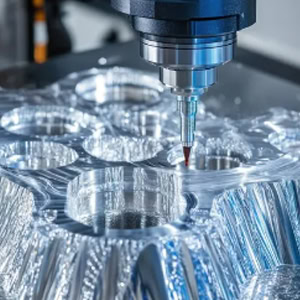
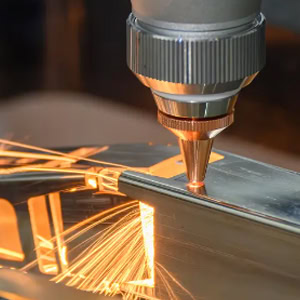
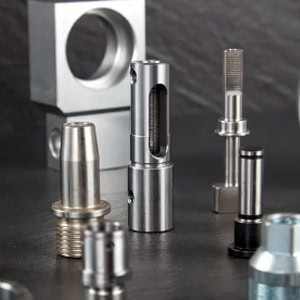
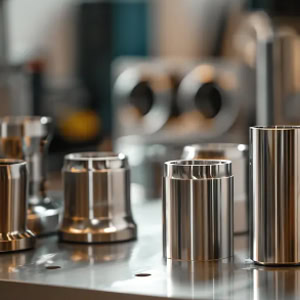
In advanced manufacturing, the terms “precision machining” and “micro-nano machining” are often mentioned together, but they represent very different levels of manufacturing technology. The differences lie in machining scale, process
In modern manufacturing, precision machining is a core process for improving product quality and production efficiency. Tools are the key components in machining, and their selection directly affects workpiece accuracy,
In modern manufacturing, dimensional accuracy directly affects assembly quality, product performance, and service life. This is especially true in industries such as aerospace, medical devices, automotive components, and electronics, where
In modern manufacturing, surface finish plays a critical role in determining the performance, durability, and appearance of a component. Whether in aerospace applications, automotive powertrain systems, or precision medical devices,
In modern manufacturing, product yield directly affects production efficiency and cost control. Especially in the production of high-end or complex parts, even minor defects can lead to batch rejection or
In modern manufacturing, tolerance control has become one of the most important measures of precision machining capability. Whether in aerospace components, medical devices, or automotive and electronic products, many high-performance
In the context of rapid development in modern manufacturing, products are no longer required to meet only single-piece precision standards; they must also maintain consistent dimensional stability and reliable performance
In the field of advanced manufacturing, precision machining is not achieved by a single machine, but by a complete system composed of multiple types of equipment working together. From material
High-precision parts refer to components with micron-level or even tighter tolerances, widely used in aerospace, medical devices, automotive engines, and advanced automation equipment. Many people assume high precision depends mainly
Stainless steel is widely used in precision machining, ranging from medical devices and food processing equipment to aerospace components and industrial structural parts. It is valued for its strong corrosion
In the precision manufacturing industry, material selection often determines machining difficulty, structural performance, and the final service life of a component. Different materials not only have different characteristics in strength,
In the field of precision manufacturing, aluminum alloy is one of the most widely used metal materials. It is commonly applied in aerospace, consumer electronics, automotive parts, and automation equipment
Scroll to Top
Your 24 hour quote
Send us a message if you have any questions or request a quote. We will be back to you within 1-2 hours!