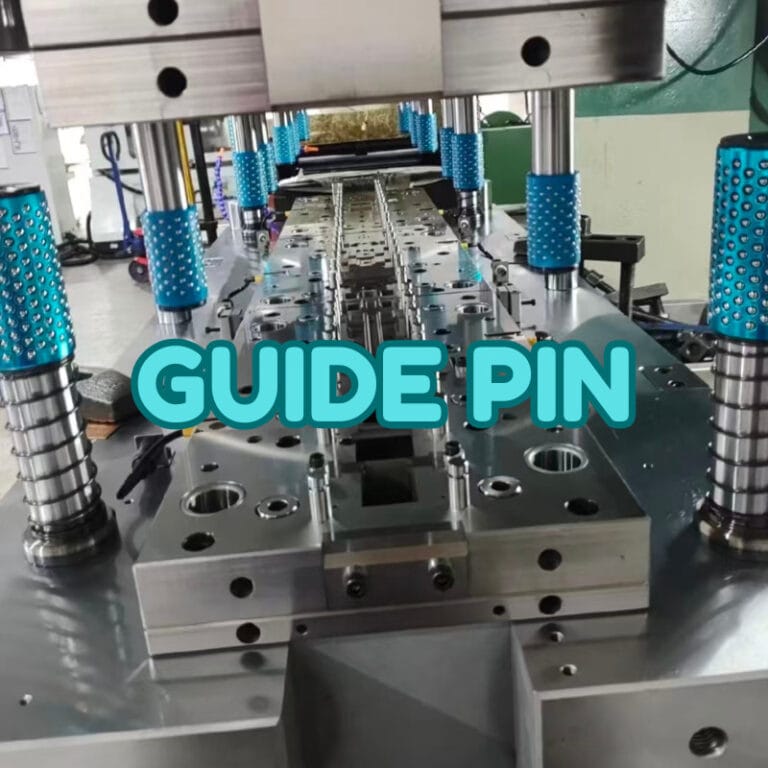
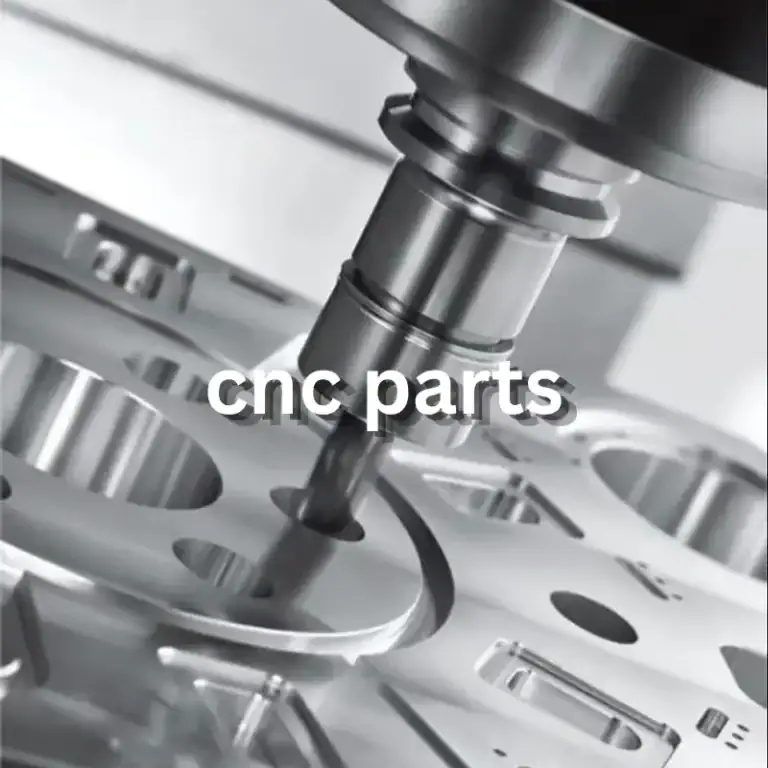
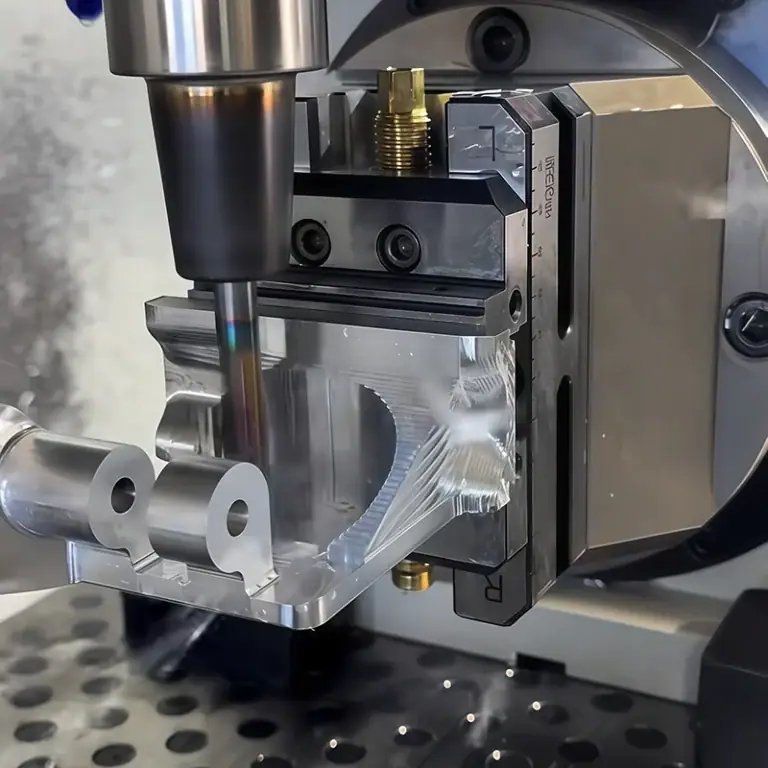
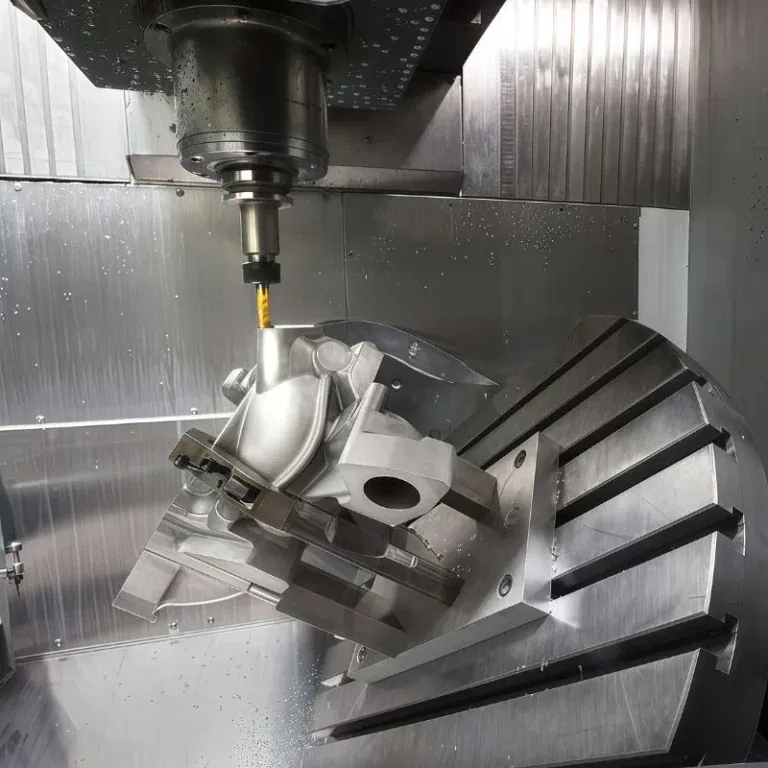
In advanced manufacturing, the terms “precision machining” and “micro-nano machining” are often mentioned together, but they represent very different levels of manufacturing technology. The differences lie in machining scale, process methods, equipment requirements, and application fields. Many companies struggle to distinguish between the two when planning production or investing in equipment, which can lead to mismatched technology choices. In industries such as aerospace, medical devices, semiconductors, and high-end tooling, understanding these differences is essential for building the right manufacturing strategy and improving overall production efficiency and product reliability.
Fundamental Differences in Machining Scale and Accuracy
The most fundamental difference between precision machining and micro-nano machining is the scale of accuracy, which directly determines equipment selection and process complexity.
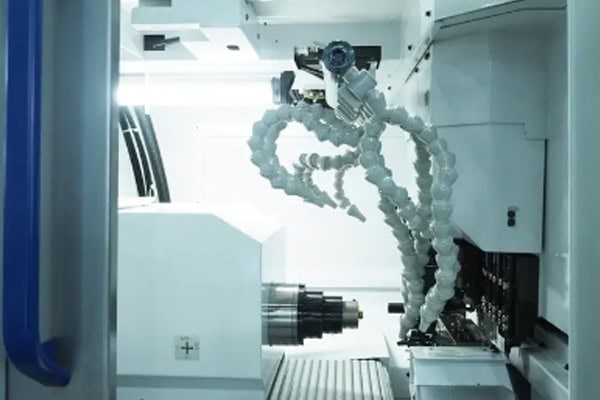
Scale Range of Precision Machining
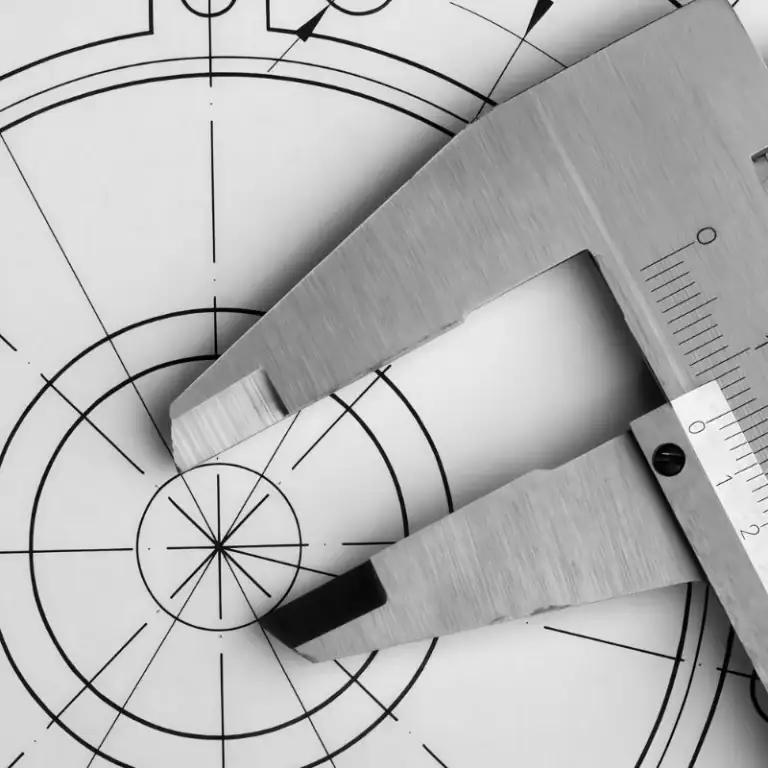
Precision machining typically refers to manufacturing processes that achieve micrometer-level accuracy and are widely used in conventional industrial production.
- Typical accuracy range: micrometer level (μm)
- Applications: mechanical parts, mold components, automotive and aerospace parts
- Key characteristics: focuses on dimensional consistency, surface quality, and stable mass production
- In practice, it emphasizes manufacturability and efficiency balance rather than extreme dimensional limits
Scale Range of Micro-Nano Machining
Micro-nano machining operates at a much finer scale, reaching micro and even nanometer-level precision.
- Typical accuracy range: micrometer to nanometer level (μm–nm)
- Applications: semiconductor structures, biomedical micro-devices, MEMS components
- Key characteristics: focuses on extreme precision and controllable microstructures
- Extremely sensitive to vibration, environment, and material behavior
Key Differences Summary
- Precision machining belongs to engineering-level manufacturing
- Micro-nano machining belongs to scientific or experimental-level manufacturing
- Precision machining focuses on efficiency and stability, while micro-nano machining focuses on ultimate control accuracy
- Complexity increases exponentially as scale decreases
Differences in Processes and Technical Approaches
Different machining scales naturally lead to different process routes and technical principles, which is often overlooked in equipment selection.
Main Processes in Precision Machining
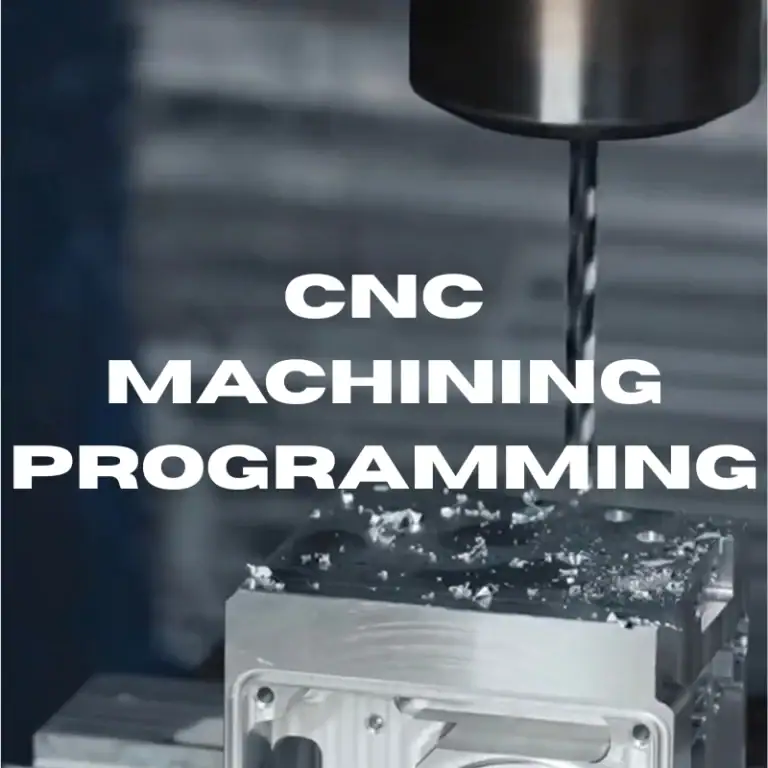
Precision machining relies on mature mechanical processing technologies with optimized parameters to achieve accuracy.
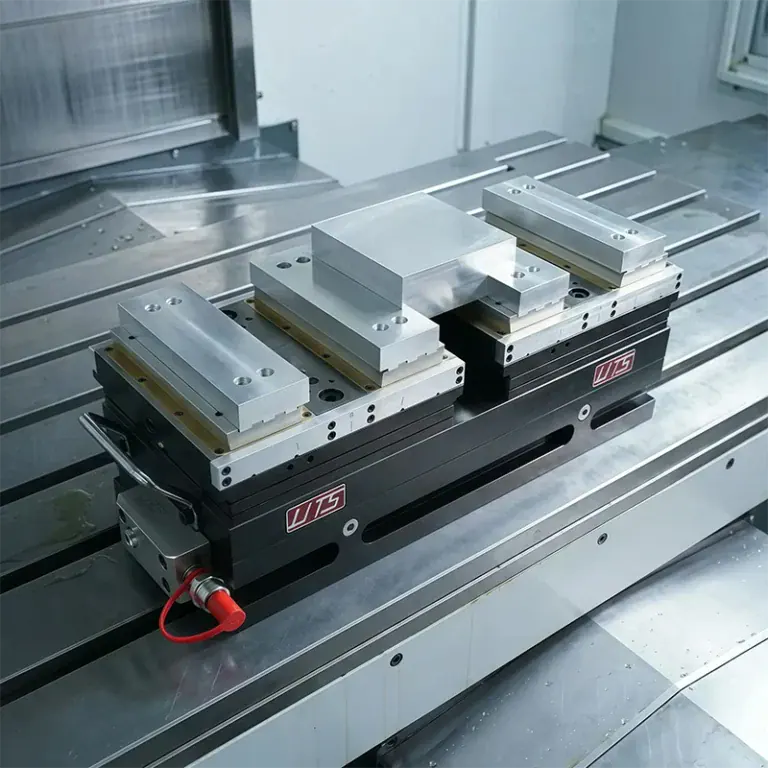
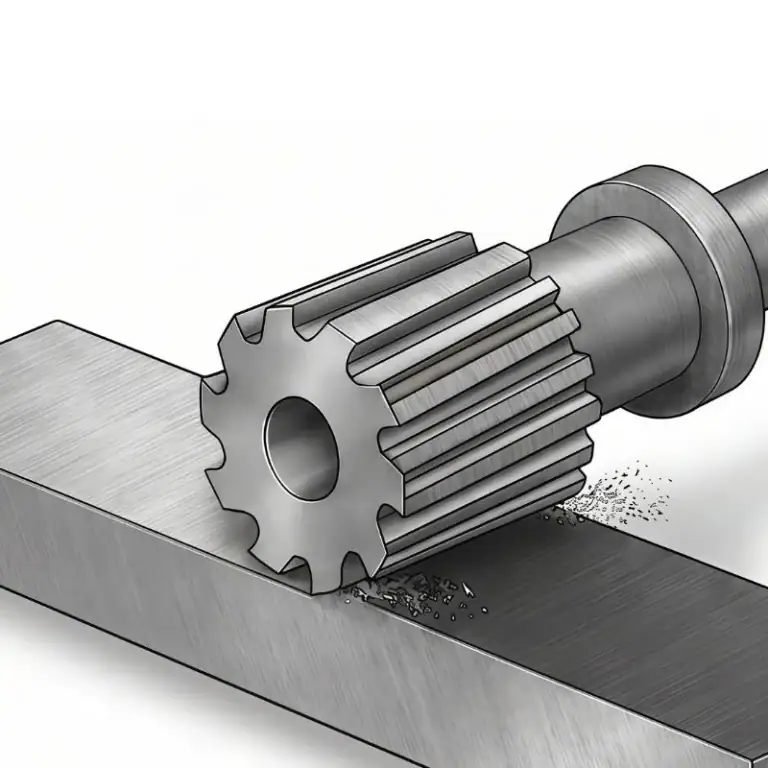
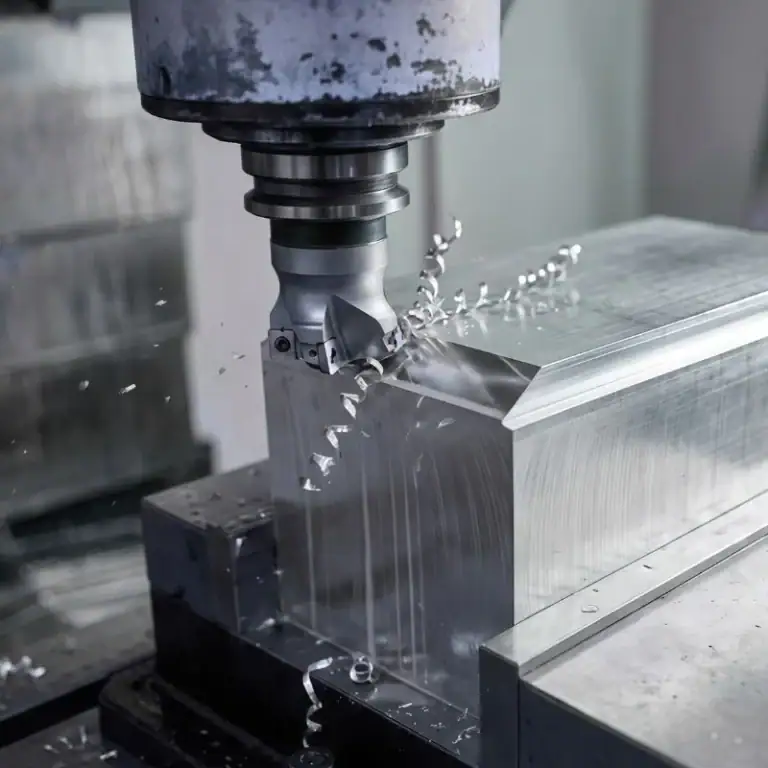
- CNC precision milling and turning
- High-speed cutting and micro-cutting techniques
- Precision grinding and polishing processes
- These methods focus on minimizing errors through stable machines and tools, ensuring consistency in mass production
Core Technologies in Micro-Nano Machining
Micro-nano machining depends more on advanced non-traditional or hybrid manufacturing methods.
- Photolithography and electron beam lithography
- Ion beam machining and plasma etching
- Nanoimprint and atomic layer deposition
- These processes often do not rely on traditional cutting tools but instead use physical or chemical material modification
Differences in Technical Logic
- Precision machining: achieves accuracy by controlling mechanical errors
- Micro-nano machining: achieves accuracy by reconstructing materials at physical/chemical levels
- Therefore, the equipment systems and R&D investments are fundamentally different
Application Fields and Industrial Positioning
The two machining methods occupy different positions in the industrial chain, which determines their commercial value and usage scenarios.
Industrial Applications of Precision Machining
Precision machining is widely used in traditional manufacturing upgrades and serves as the foundation of industrial production.
- Automotive engine components
- Aerospace structural parts
- High-precision molds and fixtures
- Automation equipment parts
- Its main value lies in improving reliability and reducing batch variation
High-Tech Applications of Micro-Nano Machining
Micro-nano machining is mainly used in cutting-edge and high-tech industries.
- Semiconductor chips
- MEMS sensors
- Medical implant devices
- Micro-optical structures
- Its core value is enabling functional microstructure design
Industrial Positioning Comparison
- Precision machining: industrial foundation layer
- Micro-nano machining: advanced technology core layer
- They are not substitutes but different levels within the manufacturing hierarchy
Differences in Cost, Equipment, and Production Models
From a practical business perspective, the differences extend beyond technology into investment cost and production structure.
Cost Characteristics of Precision Machining
Precision machining equipment is mature and relatively affordable.
- CNC machines are widely available
- Tooling and consumable costs are manageable
- Suitable for mass production and standardized manufacturing
- It focuses on balancing unit cost and efficiency
Investment Characteristics of Micro-Nano Machining
Micro-nano machining systems are typically high-end research-grade equipment.
- Extremely high equipment cost
- Strict environmental requirements (cleanrooms)
- Long process development cycles
- It is more research-oriented than production-oriented
Production Model Differences
- Precision machining: large-scale, continuous production
- Micro-nano machining: customized, experimental production
- Companies must choose based on product lifecycle stage and business needs
How to Choose the Right Machining Approach
In practical applications, the choice between precision machining and micro-nano machining depends on product requirements rather than simply pursuing higher accuracy.
Based on Product Function
- If the product requires structural strength and mass consistency, precision machining is preferred.
- If the product involves micro-functional structures or semiconductor-level requirements, micro-nano machining is necessary.
Based on Cost and Timeline
- Precision machining is better suited for fast delivery and large-scale production.
- Micro-nano machining is more suitable for R&D validation and high-value product development.
Based on Technology Maturity
Companies should avoid blindly pursuing higher precision without matching real application needs.
In modern manufacturing systems, precision machining and micro-nano machining are not competing technologies but different levels of manufacturing evolution. Understanding their differences helps companies make better decisions in R&D, production, and investment planning, ultimately improving competitiveness. Tirapid provides high-precision manufacturing solutions and reliable support for the precision machining industry.