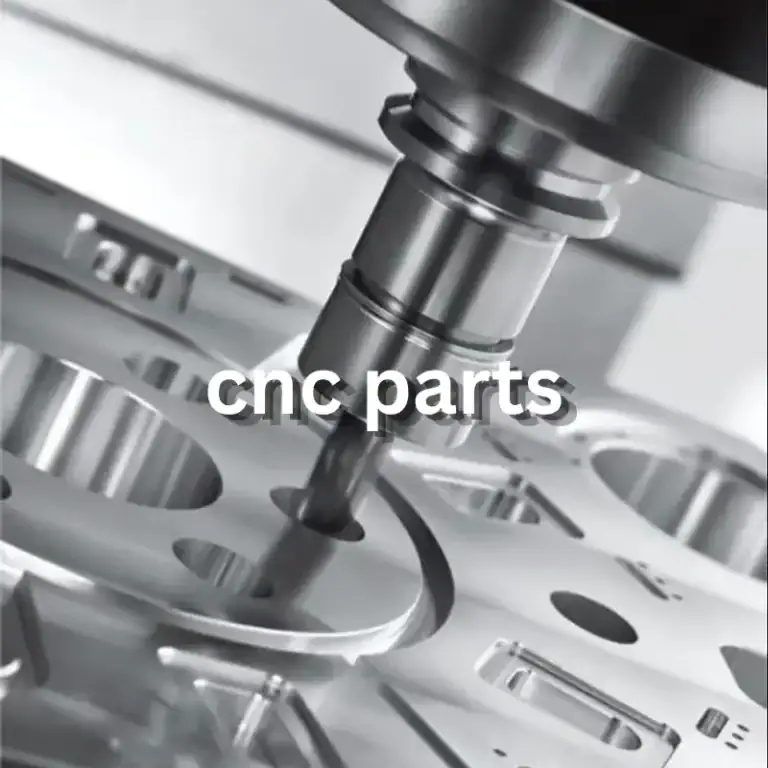
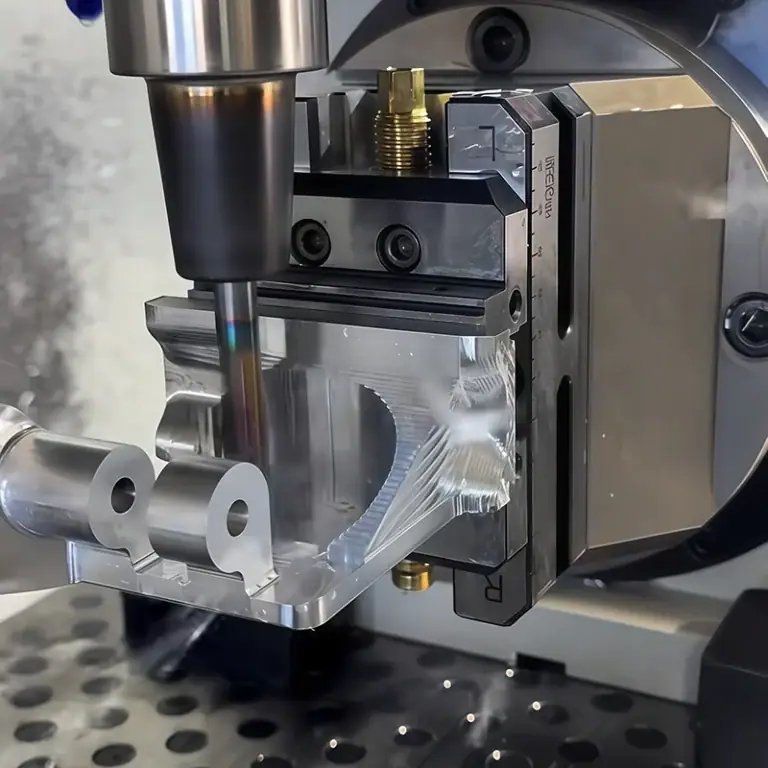
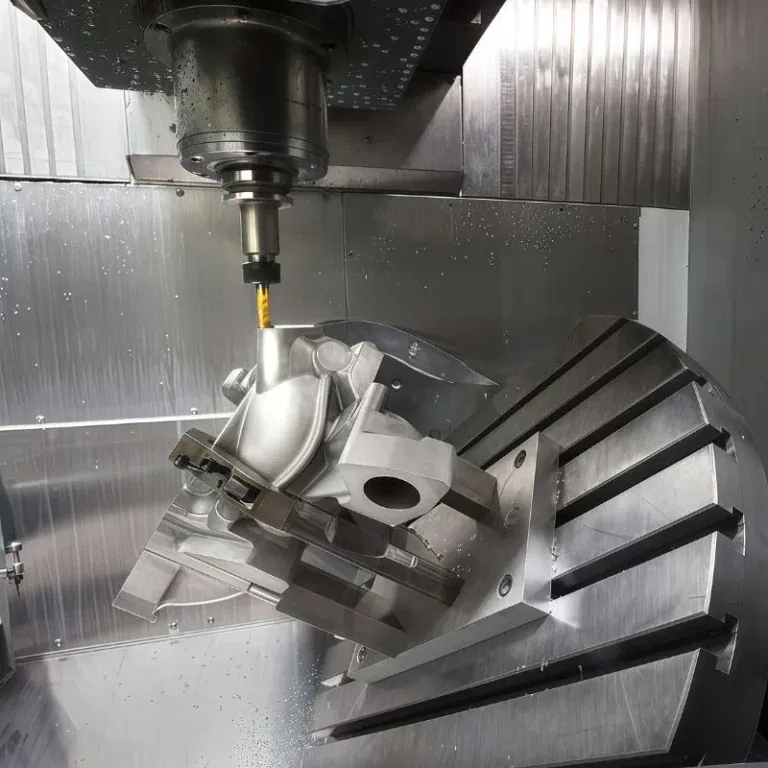
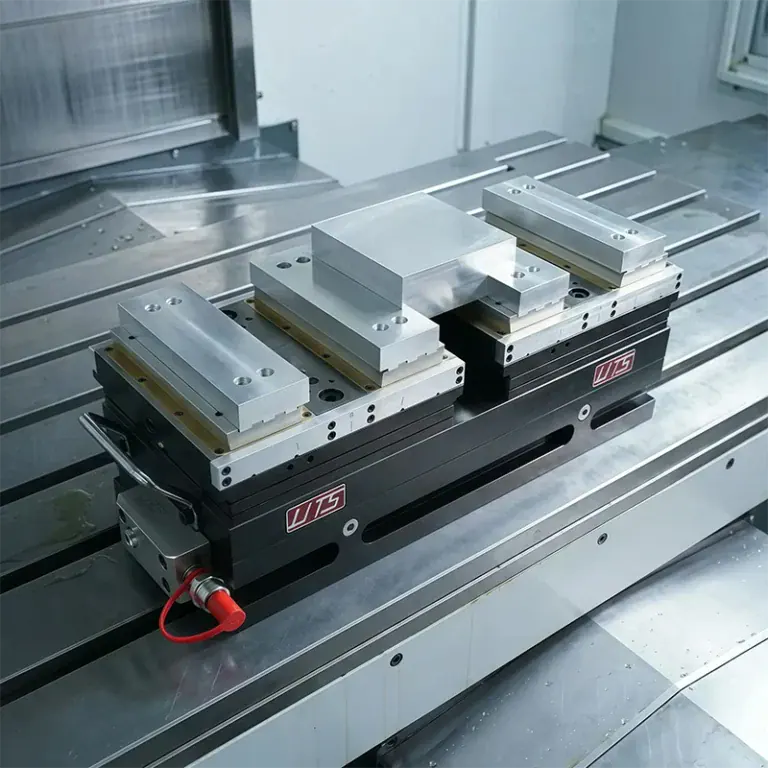
High-precision parts refer to components with micron-level or even tighter tolerances, widely used in aerospace, medical devices, automotive engines, and advanced automation equipment. Many people assume high precision depends mainly on advanced machines, but in reality it is a systematic engineering result. It requires coordinated control of design, materials, processes, equipment, fixtures, and inspection. Every stage can directly affect the final accuracy.
Design Stage Determines the Foundation of Precision
The error in high-precision parts does not start from machining, but from the design stage.
Structural Design Directly Affects Machining Difficulty
Poor design can amplify machining errors later in production.
- Thin-walled structures are prone to deformation during machining
- Long overhang structures lack rigidity and cause vibration errors
- Complex curved surfaces increase toolpath error risks
- Poor structural design makes fixturing more difficult
Better structural design leads to more stable machining.
Tolerance Allocation Influences Achievable Accuracy
Tolerance design determines the upper limit of manufacturability.
- Overly tight tolerances increase cost and difficulty
- Critical dimensions require focused control
- Non-critical dimensions can be relaxed to improve efficiency
Proper tolerance planning is essential for manufacturability.
Relationship Between Materials and Machining Process
Different materials behave very differently during machining, directly affecting precision stability.
Material Properties Determine Process Stability
Material characteristics significantly influence error control.
- Aluminum alloys are easy to machine but prone to deformation
- Stainless steel tends to work harden, affecting dimensional stability
- Titanium alloys are strong but difficult to cut
- Internal stress release can cause post-machining deformation
- Batch variation affects consistency
Material is a fundamental variable in precision machining.
Process Stage Division Controls Error Accumulation
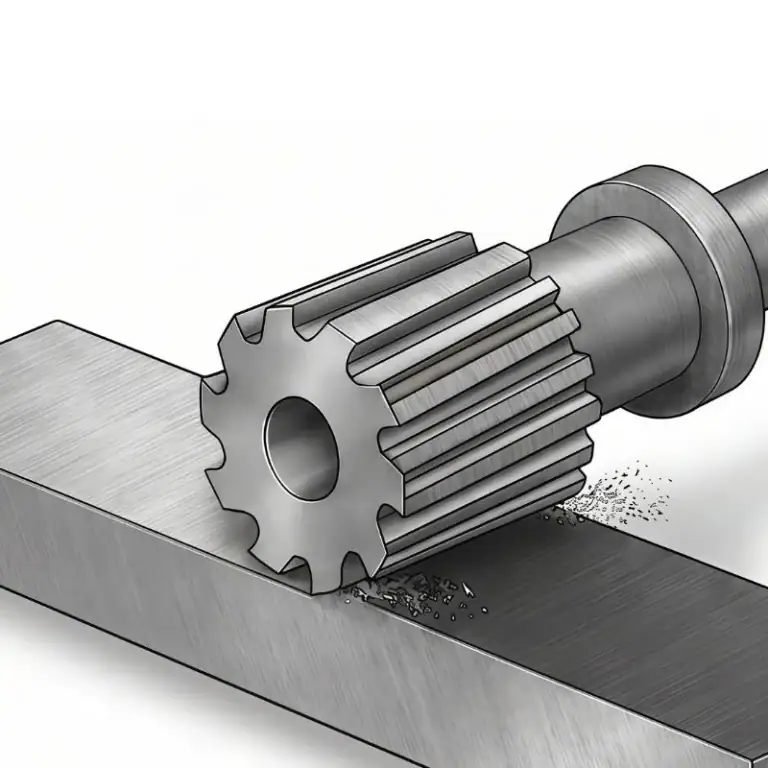
High-precision machining is typically performed in stages.
- Rough machining removes most excess material quickly
- Semi-finishing corrects basic shape errors
- Finishing ensures final dimensional accuracy
- Multi-stage processing reduces stress concentration
Step-by-step machining reduces deformation risks.
Equipment and Tooling Define Capability Limits
Equipment is not the only factor, but it sets the upper limit of achievable precision.
High-Precision Machines Provide Basic Stability
Machine stability directly affects machining results.
- High rigidity structures reduce vibration errors
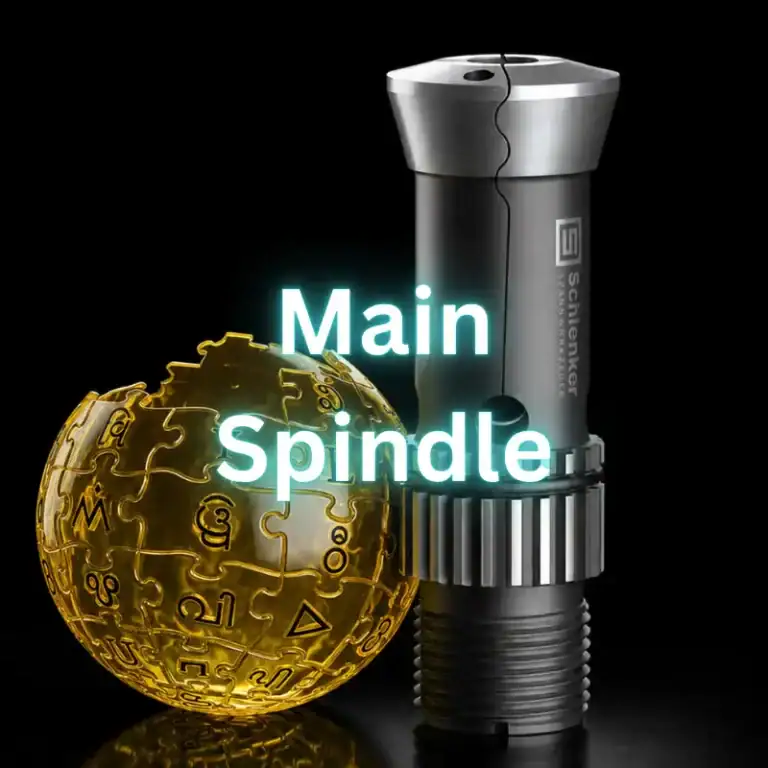
- Spindle accuracy affects hole machining quality
- Thermal compensation reduces temperature drift
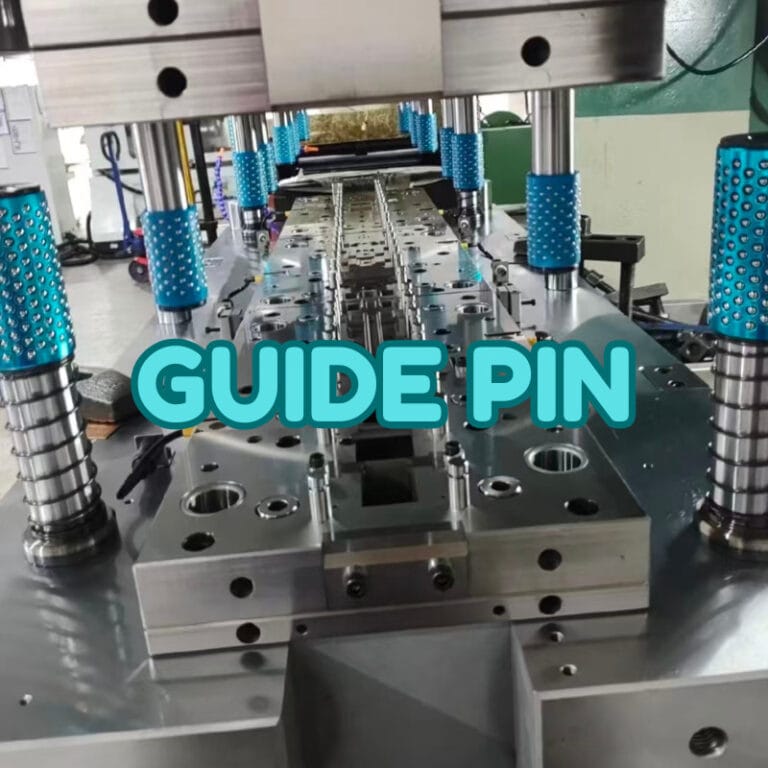
- Guideway precision affects motion accuracy
Equipment determines baseline precision.
Tool Condition Directly Affects Final Quality
Tooling is a critical factor in precision control.
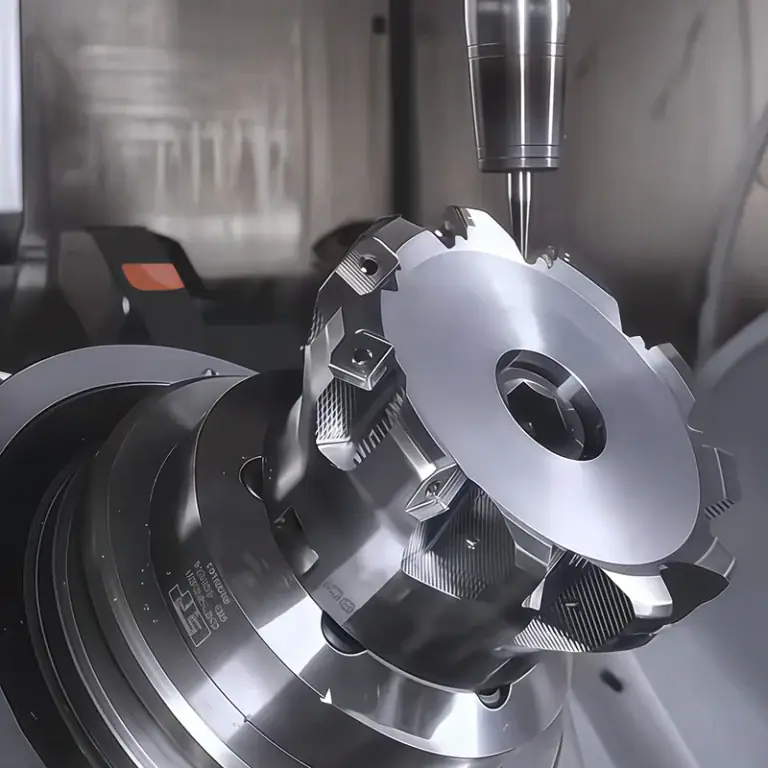
- Tool wear leads to dimensional deviation
- Sharp tools reduce cutting deformation
- Incorrect spindle speed creates vibration marks
- Feed rate affects surface quality
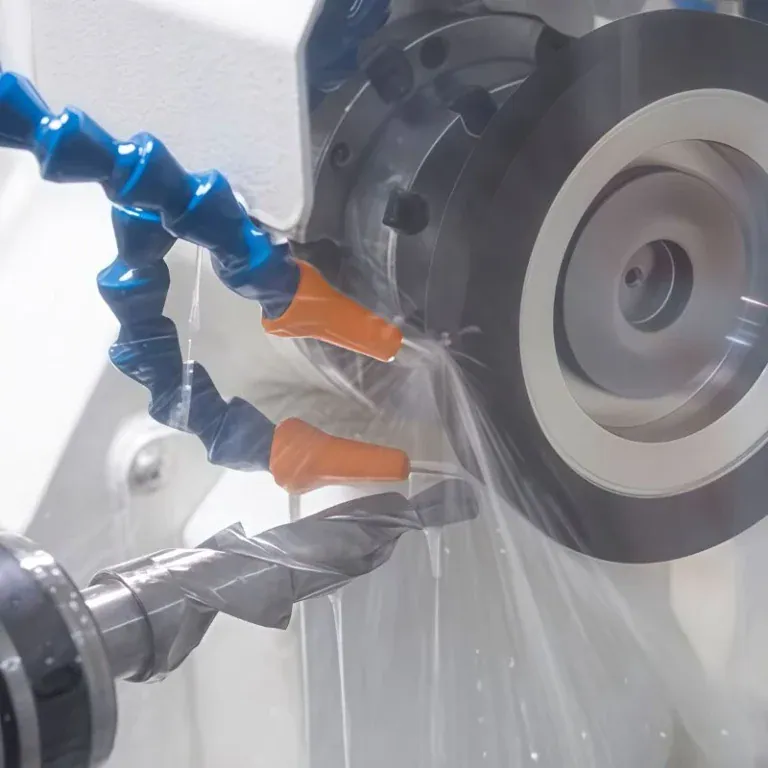
- Insufficient cooling causes thermal distortion
Tool management directly impacts stability.
Fixtures and Process Control Ensure Stability
Many errors are not caused by machines but by fixturing and process design.
Fixture Design Controls Deformation
Fixtures are key to deformation control.
- Multi-point support prevents thin-wall deformation
- Vacuum fixtures are suitable for high-precision flat parts
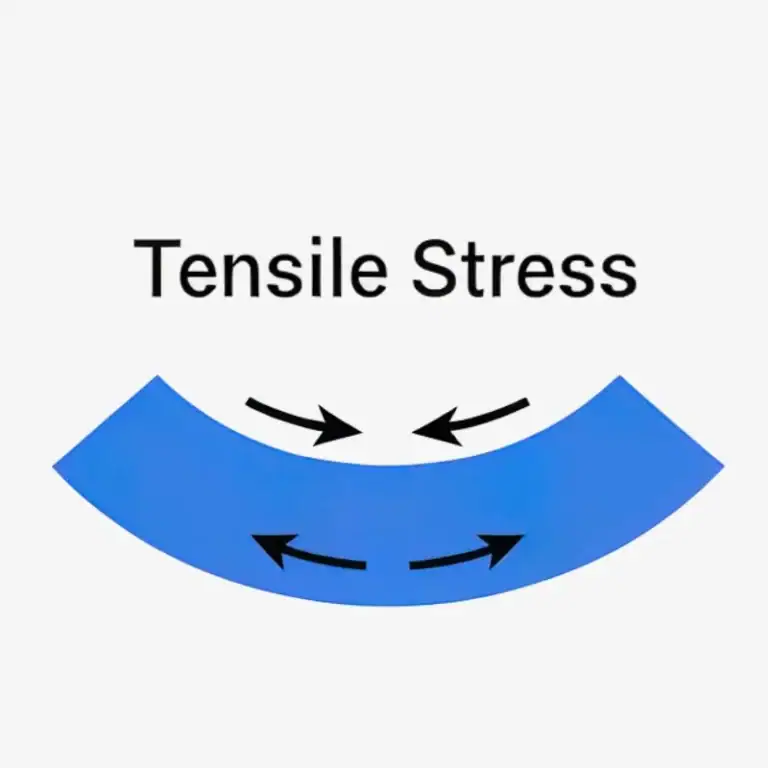
- Excessive clamping force causes stress deformation
- Single setup reduces positioning errors
Fixture design determines part stability during machining.
Process Planning Determines Error Accumulation
Machining sequence affects final precision.
- Rough machining first, finishing later reduces stress effects
- Unified datum avoids cumulative errors
- Finishing operations require independent control
Process design determines error propagation paths.
Environment and Inspection Ensure Final Accuracy
Even after machining, precision must be guaranteed through controlled conditions and inspection.
Environmental Control Reduces External Disturbances
Environmental factors significantly affect micron-level machining.
- Constant temperature reduces thermal expansion errors
- Anti-vibration conditions improve stability
- Stable humidity reduces material variation
Full Process Inspection Creates a Closed Loop
Inspection is not the final step but part of the process.
- Coordinate measuring machines verify key dimensions
- Online inspection enables real-time correction
- First article inspection confirms process stability
- Data feedback supports continuous optimization
Inspection makes errors controllable.
High-precision parts are not the result of a single technology but of a complete system engineering process. From design rationality to material behavior, from equipment capability to process planning, and from fixturing to inspection, every step influences final accuracy. Stable high-precision manufacturing depends on full-process control rather than isolated improvements. In advanced manufacturing, platforms such as Tirapid, which specialize in complex parts and high-precision machining, achieve stable production and reliable delivery through systematic process control and strict quality management.