In modern manufacturing, product yield directly affects production efficiency and cost control. Especially in the production of high-end or complex parts, even minor defects can lead to batch rejection or rework. Improving yield in precision machining requires not only high-precision equipment and tools but also scientific process management, stable environmental control, and effective inspection systems to ensure that every machining step remains within controllable limits.
Optimizing Equipment and Process Parameters
The stability of equipment and the proper setting of machining parameters directly impact product quality. Reasonable adjustments can reduce errors, improve consistency, and enhance usable product rates.
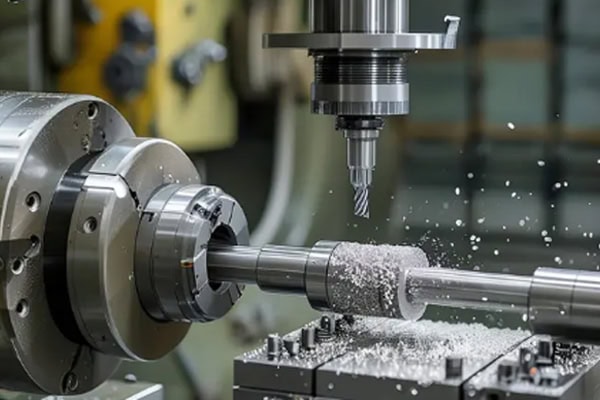
High-Precision CNC Machines
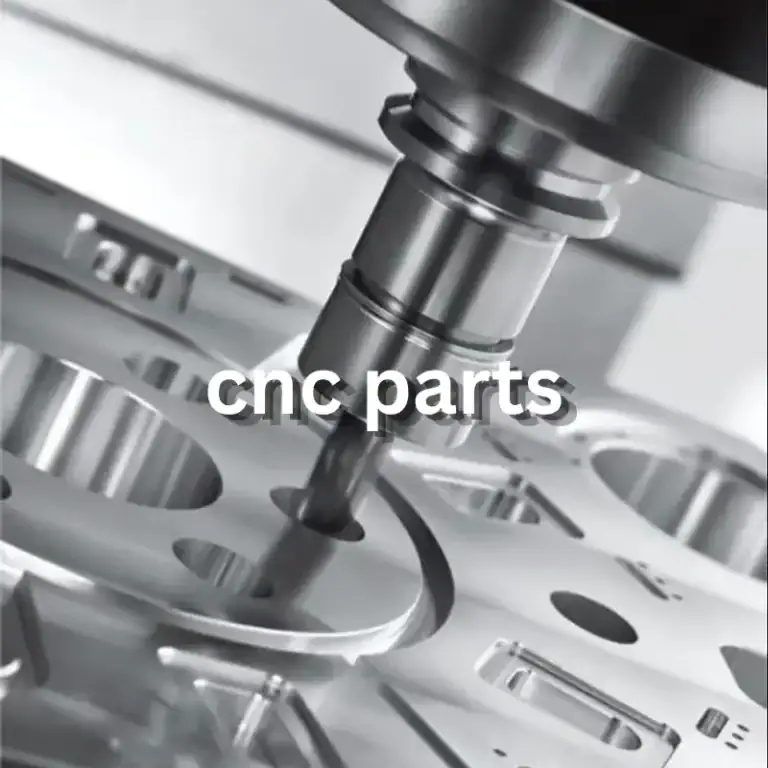
High-precision CNC machines can achieve micron-level control through stable motion and repeatable cutting paths, significantly reducing machining deviations and improving yield.
- Rigid spindle and guideways minimize vibration
- Precision ball screws ensure accurate positioning
- Optimized control systems for paths and speeds
- Multi-axis coordination enhances consistency of complex parts
Higher equipment precision leads to smaller errors and better product yield.
Proper Cutting Parameter Management
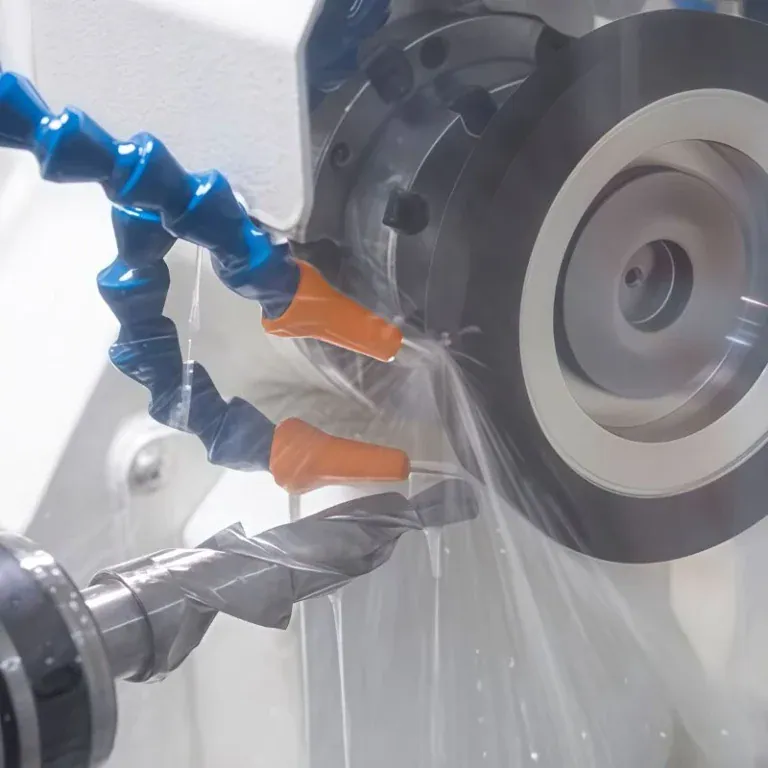
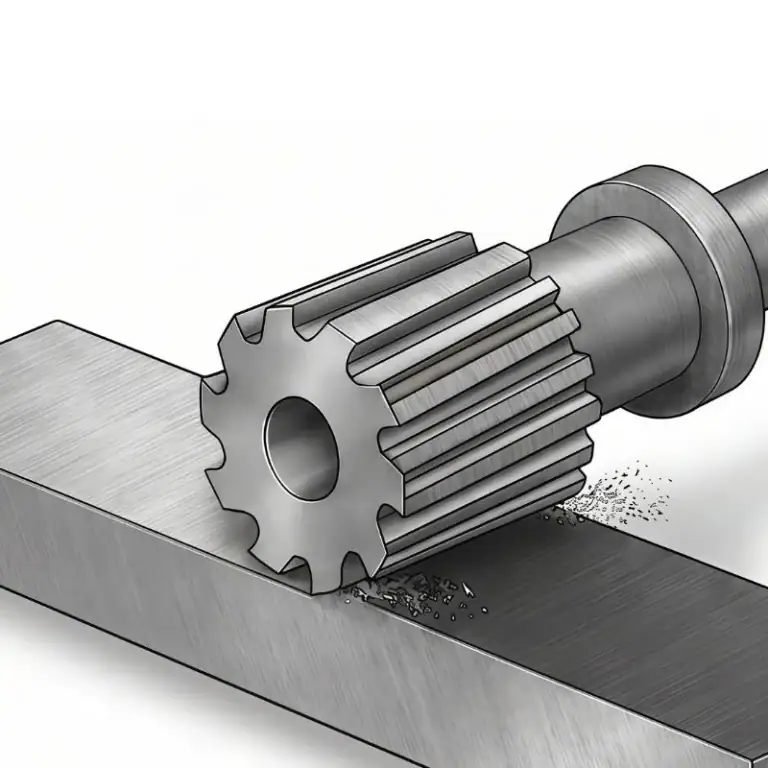
Tool wear, cutting speed, and feed rates all influence dimensional accuracy and surface quality. Scientific parameter settings can reduce scrap rates.
- Adjust cutting speed to reduce thermal deformation
- Control feed rate to minimize material stress
- Optimize depth of cut to prevent part deformation
- Replace or compensate worn tools in time
Stable cutting parameters help significantly reduce defects.
Five-Axis Machining Reduces Cumulative Errors
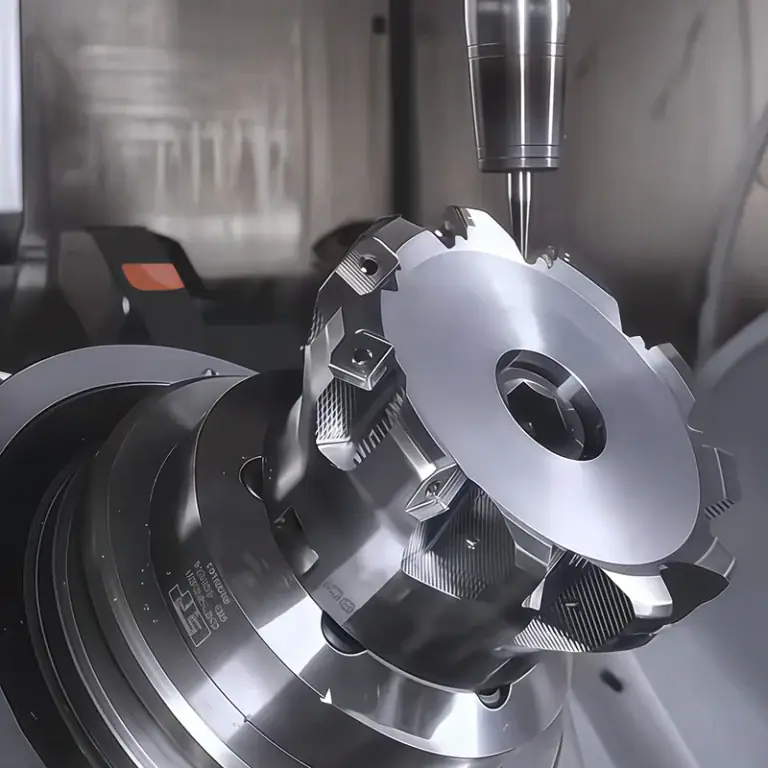
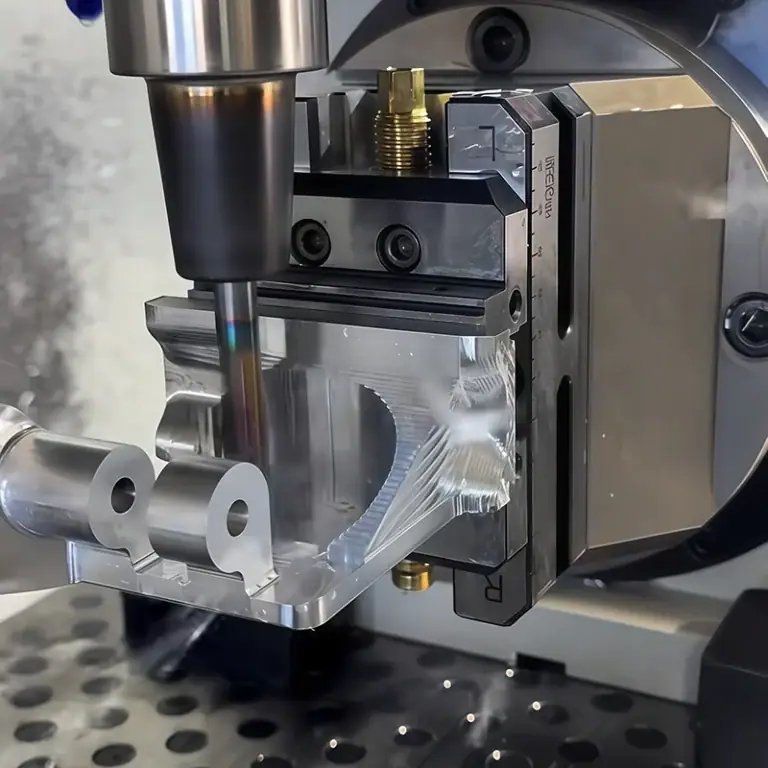
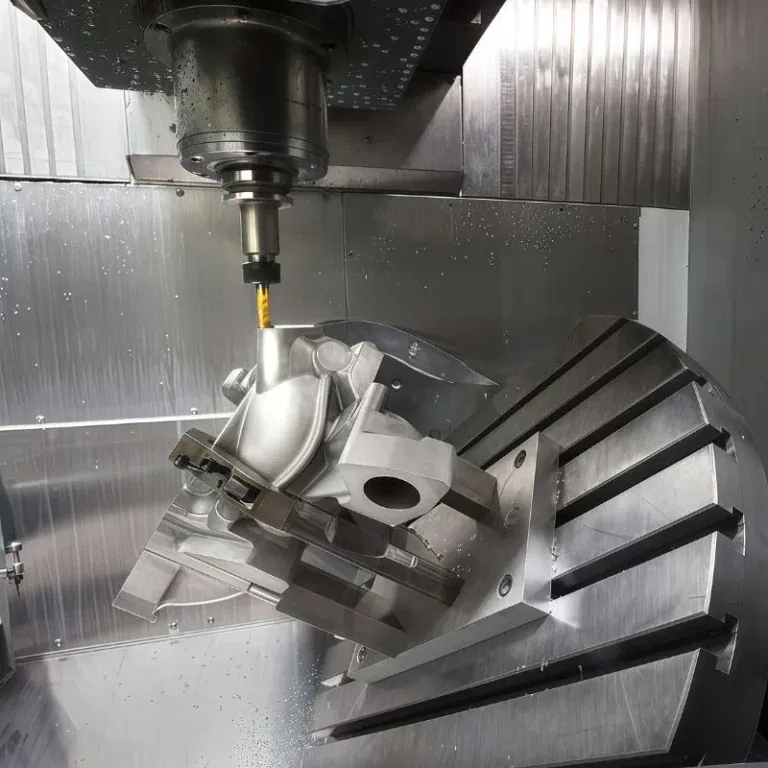
For complex curved parts, five-axis machining can complete multiple surfaces in a single setup, reducing cumulative errors from repeated clamping.
- Minimizes repositioning deviations
- Improves surface accuracy of complex structures
- Shortens machining time and improves efficiency
Five-axis machining effectively lowers defective parts in batch production.
Environmental and Temperature Control
The machining environment directly affects dimensional stability and surface quality, making environmental control essential for improving yield.
Temperature-Controlled Workshops
Temperature fluctuations can cause material expansion or contraction, affecting dimensional accuracy and increasing scrap rates.
- Maintain stable workshop temperature
- Prevent machine heating that leads to thermal deformation
- Improve measurement and machining accuracy
A stable thermal environment is vital for high-yield micron-level parts.
Humidity and Cleanliness Management
High humidity or dust can negatively impact surface quality and precision, so proper environment management reduces defective products.
- Keep humidity at optimal levels to prevent material distortion
- Regularly clean dust and debris
- Improve surface finish and assembly precision
Good environmental management reduces defects and rework.
Inspection and Quality Control
A complete inspection system can detect machining deviations early, preventing defective parts from progressing to the next stage and significantly improving yield.
Coordinate Measuring Machines and Online Monitoring
High-precision measurement equipment and real-time monitoring systems can detect deviations during machining and enable immediate corrections.
- Precisely measure key dimensions
- Adjust machining parameters in real time
- Analyze batch data for process improvements
- Provide feedback for process optimization
Closed-loop monitoring effectively minimizes defective parts.
Standardized Process Workflows
Standardized processes reduce human variability, ensuring consistency in each batch and improving pass rates.
- Fixed machining sequences reduce errors
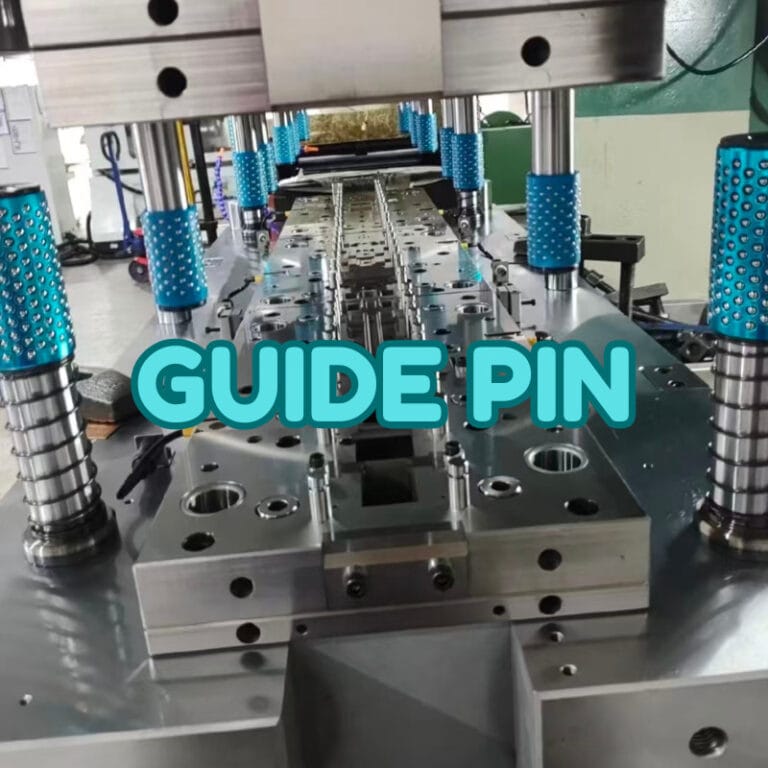
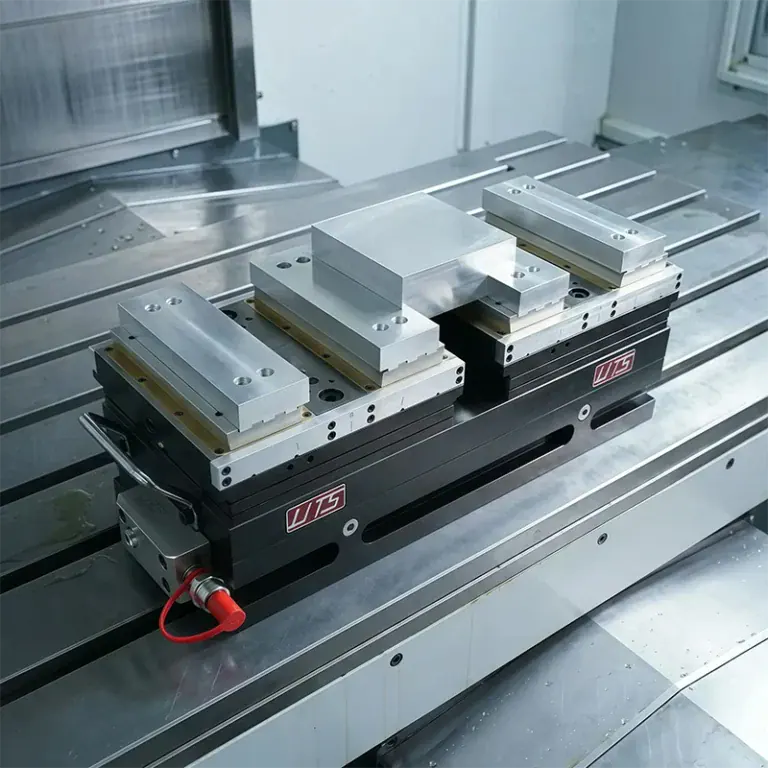
- Standardized tools and fixtures enhance stability
- Uniform cutting parameters and clamping methods
Standardization maintains consistent quality in mass production.
Continuous Improvement and Experience
Analyzing historical machining data and accumulated experience allows ongoing process optimization, lowering defect rates.
- Record and analyze yield data
- Improve clamping and cutting methods
- Enhance capability for complex part machining
Continuous optimization is key to maintaining high long-term yield.
Raw Material Management
High-quality raw materials are the foundation for achieving high yield in precision machining. Unstable or substandard materials directly lead to scrap.
- Strictly select material suppliers
- Inspect dimensions, hardness, and chemical composition
- Avoid internal material defects affecting machining
Material stability directly influences part yield after machining.
Improving product yield in precision machining requires the coordinated optimization of equipment, processes, environment, inspection, and materials. Only when every link is effectively managed can defective rates be minimized. With the increasing demands of high-end manufacturing, stable and high yield has become an important measure of machining capability. Platforms like Tirapid, specializing in precision machining and complex parts, provide stable and reliable high-yield machining support for various industries.