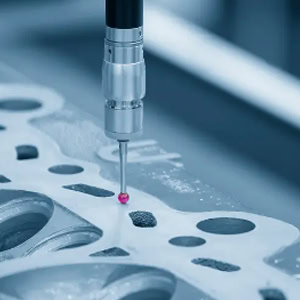
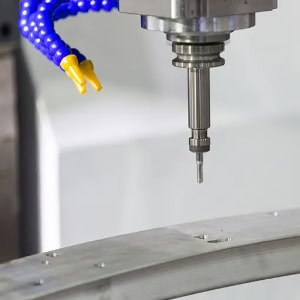
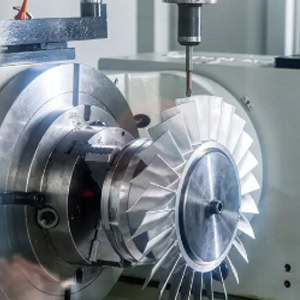
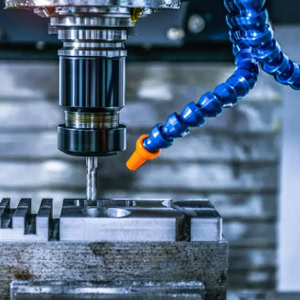
In modern healthcare systems, the performance of devices and instruments directly affects diagnostic accuracy and treatment outcomes. From surgical tools and implantable devices to advanced imaging systems, nearly all medical
Many people notice that high-end equipment is often far more expensive than ordinary industrial products. This value does not come only from complex functions or brand premiums, but more importantly
As high-performance engineering plastics become increasingly popular, PEEK (Polyether Ether Ketone) has become an important material in industries such as medical devices, aerospace, automotive manufacturing, and electronics. Compared with conventional
When people think of aerospace manufacturing, they often picture large aircraft, jet engines, and highly complex systems. However, the components that truly determine performance and safety are often the precision
When many users learn about gear products, they often focus only on the module, number of teeth, and material, while rarely understanding how a gear is gradually manufactured from a
Many companies encounter the need for custom part machining during new product development. Whether it is prototype manufacturing in the R&D stage or later small-batch production, parts must be produced
Thin-walled parts are widely used in aerospace, medical devices, consumer electronics, and automation equipment because of their lightweight design, efficient material utilization, and compact structures. However, compared with conventional components,
Many users researching part machining often focus only on equipment models or processing methods, while overlooking a key question: what actually determines machining accuracy? Machining accuracy generally refers to the
With the rapid development of aerospace, medical devices, new energy vehicles, and high-end equipment manufacturing, more high-performance materials are being used in industrial production. While these materials offer superior strength,
In manufacturing, the choice of machining method often has a direct impact on product quality and market competitiveness. Many companies purchasing components face the same question: what is the real
In the context of accelerating product R&D cycles, demand for small-batch high-precision parts is growing rapidly. Whether for medical device prototypes, aerospace test components, or customized automation parts, manufacturers must
In mold manufacturing, aerospace components, automotive critical structural parts, and high-strength mechanical components, high-hardness materials are increasingly widely used. These materials offer excellent wear resistance and strength, but they also
Scroll to Top
Your 24 hour quote
Send us a message if you have any questions or request a quote. We will be back to you within 1-2 hours!