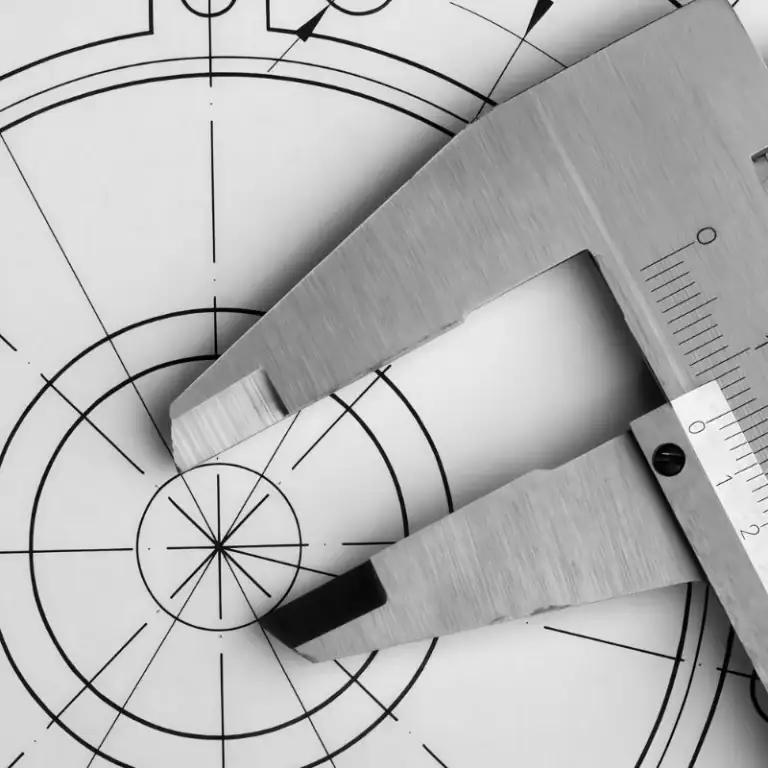
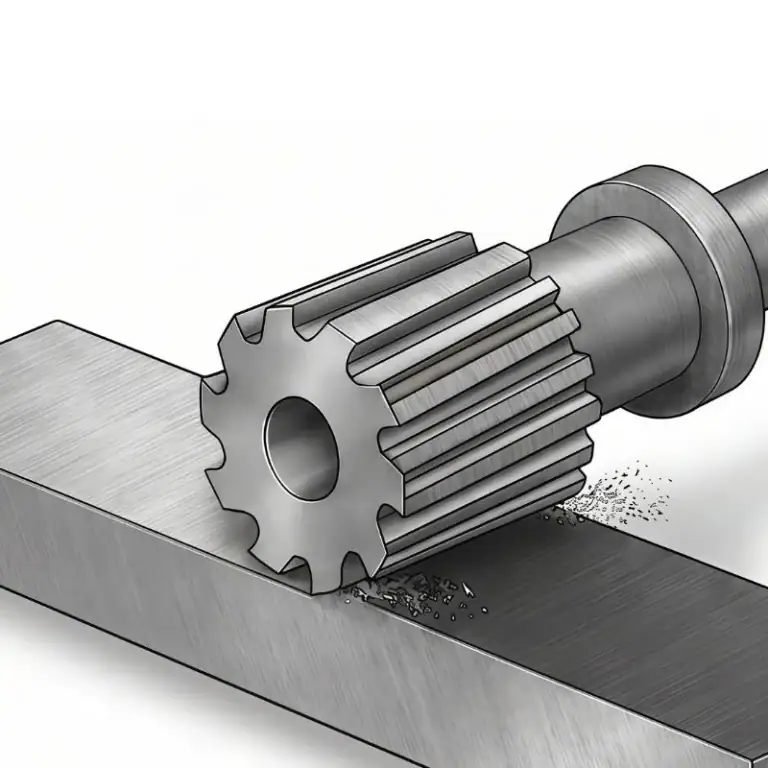
In the field of advanced manufacturing, precision machining is not achieved by a single machine, but by a complete system composed of multiple types of equipment working together. From material removal and structural forming to dimensional inspection, each stage relies on different equipment. Only when machining, inspection, and auxiliary systems form a stable closed loop can true high precision and long-term consistency be achieved.
Core Machining Equipment Determines Fundamental Accuracy
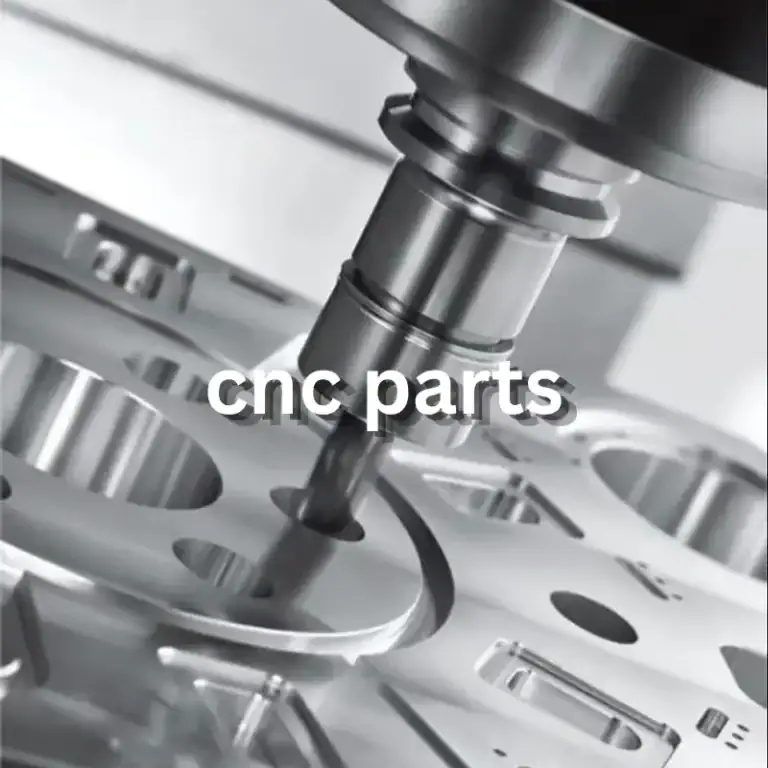
The first step in precision machining comes from core machining equipment. This type of equipment is responsible for the main forming process of parts. It not only determines whether a part can be manufactured but also directly affects dimensional accuracy, geometric tolerance, and surface quality, forming the foundation of the entire manufacturing system.
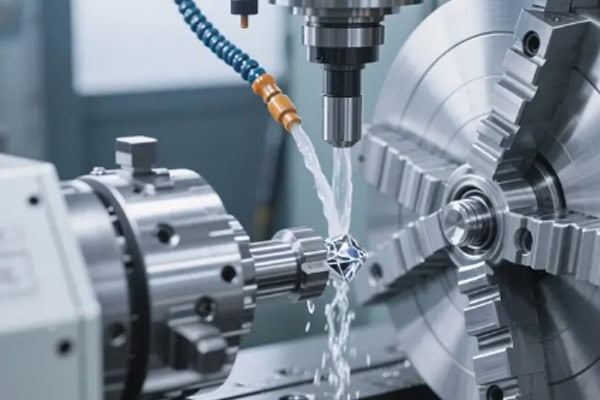
CNC Machining Center
In complex part manufacturing, CNC machining centers are responsible for the main structural forming process. Through multi-axis control and programmed operation, they enable stable machining of complex geometries, while their rigidity and control stability directly affect batch consistency.
- Multi-axis machining for complex surfaces
- High rigidity structure reduces vibration errors
- Automatic tool changing improves efficiency
- Suitable for various metal materials
- Stable control ensures repeat accuracy
The machining center determines whether basic precision is stable and repeatable.
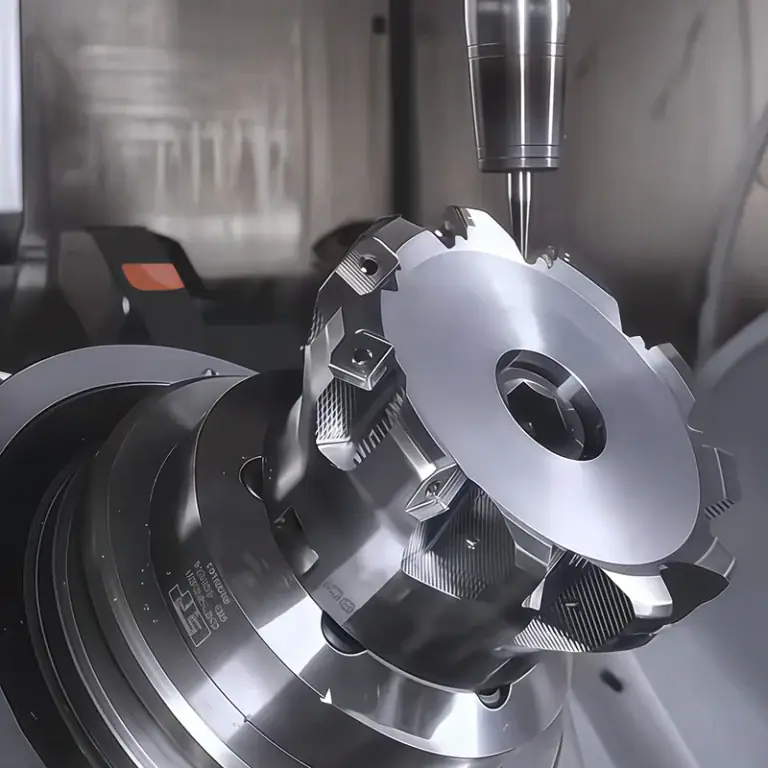
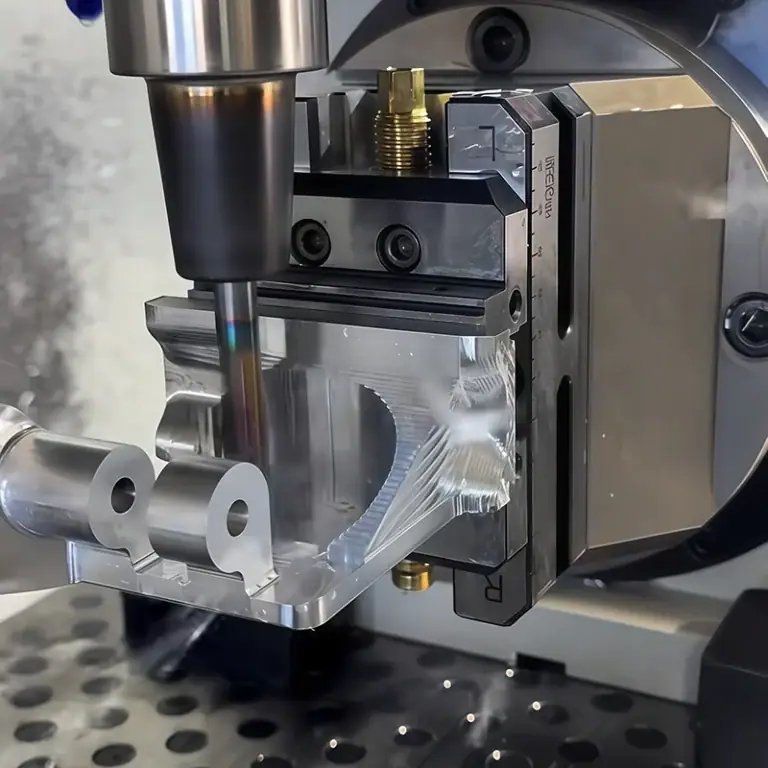
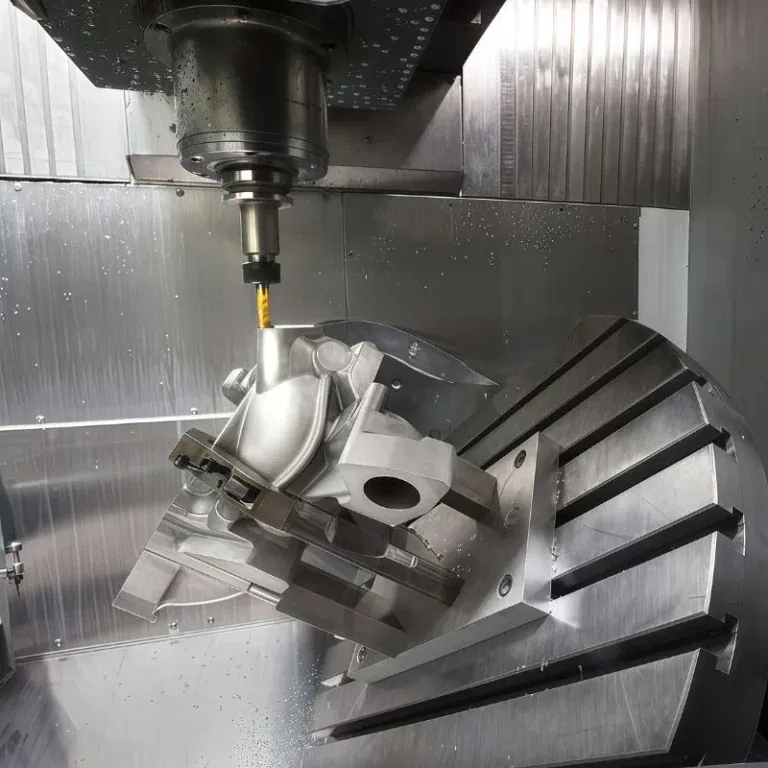
Five-Axis Machining Center
When part structures become too complex for traditional three-axis machines, five-axis equipment becomes essential. By changing spatial angles, it reduces clamping times, lowers cumulative errors, and improves complex machining capability.
- Completes multi-surface machining in one setup
- Supports complex spatial geometries
- Reduces repeated positioning errors
- Improves aerospace-grade manufacturing capability
Five-axis machines focus more on reducing human-induced errors than simply increasing cutting power.
Auxiliary Machining Equipment Expands Structural Capability
Core machines alone cannot cover all machining requirements. Auxiliary equipment is needed to handle shafts, internal cavities, and high-hardness materials, completing the overall process chain.
Lathe and Turn-Mill Composite Machines
In shaft and rotational part machining, lathes are mainly used to establish basic geometry such as roundness and coaxiality. If these fundamental accuracies are unstable, downstream assembly quality will be significantly affected, making this stage critical.
In practice, this equipment is often responsible for stabilizing the basic geometry first, as later processes cannot fully compensate for errors introduced here.
- Suitable for shaft and sleeve parts
- High-speed rotation improves efficiency
- Turn-mill integration reduces setups
- Ensures stable roundness and coaxiality
The core value of lathes is to establish stable fundamental geometry rather than complex shaping.
EDM and Wire-Cutting Machines
When machining high-hardness materials or complex internal structures, traditional cutting methods are insufficient. Electrical discharge machining (EDM) and wire cutting remove material through electrical erosion without cutting force, enabling high-precision shaping.
- Processes hardened steels and tough materials
- Suitable for complex internal cavities
- No cutting force reduces deformation
- High precision for mold manufacturing
- Capable of fine contour machining
These technologies are essential for overcoming material and structural limitations.
Inspection Equipment Builds a Closed Quality Loop
Precision machining is not only about manufacturing parts but also about measuring and correcting them. Inspection equipment enables a closed-loop system for continuous improvement.
Coordinate Measuring Machine (CMM)
CMMs are used for comprehensive inspection of complex geometries. They not only determine whether parts meet specifications but also provide feedback for process optimization.
Through continuous measurement and analysis, machining errors can be reduced and process stability improved.
- Measures complex geometric features
- Micron-level accuracy
- Supports batch inspection
- Provides data-based analysis
Its key role is to make errors measurable and correctable.
Optical Measurement and Vision Systems
For micro-scale parts or components requiring high surface quality, contact-based measurement may introduce errors. Optical systems provide a fast, non-contact alternative.
- Non-contact measurement avoids damage
- Suitable for micro-scale inspection
- Enables fast batch testing
- Improves inspection efficiency
These systems are widely used in electronics and precision micro-components.
Auxiliary Systems Affect Process Stability
In addition to machining and inspection equipment, environmental and auxiliary systems also have a long-term impact on precision stability. Although they do not directly cut materials, they determine whether machining remains consistent.
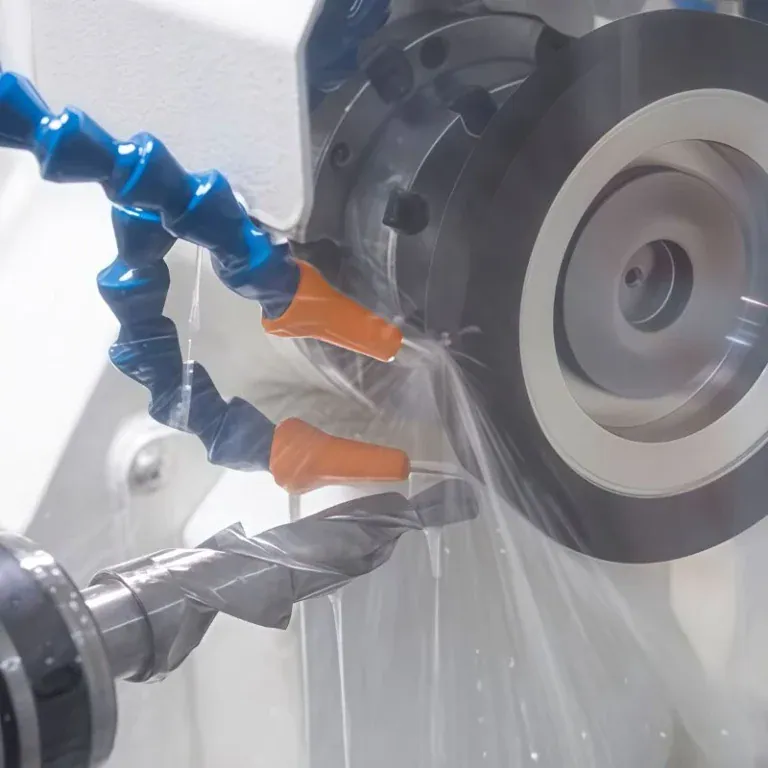
Cooling and Lubrication Systems
During high-speed cutting, heat must be removed in time. Otherwise, thermal expansion and tool wear will affect final dimensional accuracy.
- Reduces cutting temperature
- Extends tool life
- Improves surface quality
- Maintains process stability
Cooling systems are essential for stable machining conditions.
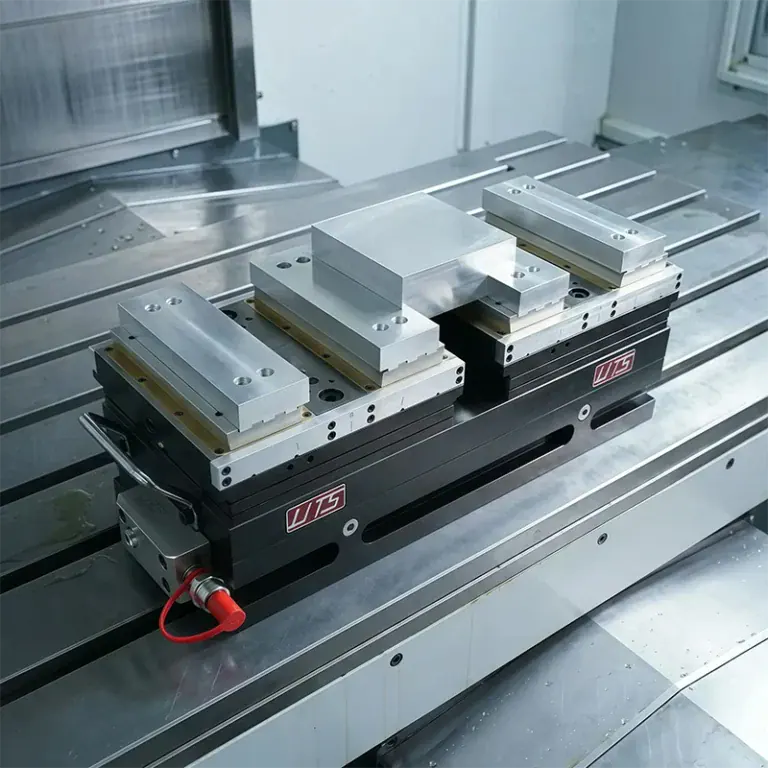
Automation and Fixturing Systems
In batch production, manual errors become amplified. Automation systems and precision fixtures ensure repeatability and reduce variation.
- Reduces manual setup errors
- Improves production efficiency
- Ensures repeat positioning accuracy
- Minimizes human variation
Their main role is to improve long-term consistency.
Overall Logic of Precision Machining Equipment Systems
Precision machining is not the result of a single machine but the outcome of system-level coordination. Only when all systems operate in a closed loop can stable high-precision manufacturing be achieved.
Equipment Collaboration Defines Capability
In a complete manufacturing system, different equipment performs different tasks. Any missing link will affect final precision.
- Machining equipment forms parts
- Inspection equipment verifies quality
- Auxiliary systems ensure stability
- Automation ensures consistency
System integration determines final capability.
Stability Is More Important Than Single-Point Accuracy
In industrial production, long-term stability is more valuable than single-part extreme precision, as it determines yield and reliability.
- Batch consistency is priority
- Process stability determines quality
- System control affects results
- Long-term stability is key
Precision machining equipment is a complete industrial system composed of machining, inspection, and auxiliary subsystems. Only through coordinated and stable operation of all components can reliable high-precision manufacturing be achieved. In advanced manufacturing, platforms such as Tirapid, which specialize in complex parts and high-precision machining, achieve stable and efficient production through systematic equipment configuration and strict process control.