In the field of precision manufacturing, aluminum alloy is one of the most widely used metal materials. It is commonly applied in aerospace, consumer electronics, automotive parts, and automation equipment due to its lightweight properties, good thermal conductivity, and relatively easy machinability. Because of this, many people assume that aluminum machining is “easy.” However, in precision machining scenarios, the reality is very different. Once accuracy requirements reach the micron level, and structures become more complex or thin-walled, aluminum alloy reveals a series of machining challenges. The real difficulty is not whether it can be machined, but whether it can be machined with stability and high consistency.
The Material Characteristics of Aluminum Determine Its Machining Difficulty
Although aluminum is easier to cut compared to steel, its material properties can amplify hidden issues in precision machining.
Soft Material but Prone to Deformation
The softness of aluminum is both an advantage and a challenge in high-precision machining.
- Low hardness makes it easy for tools to cut too deeply, causing dimensional instability
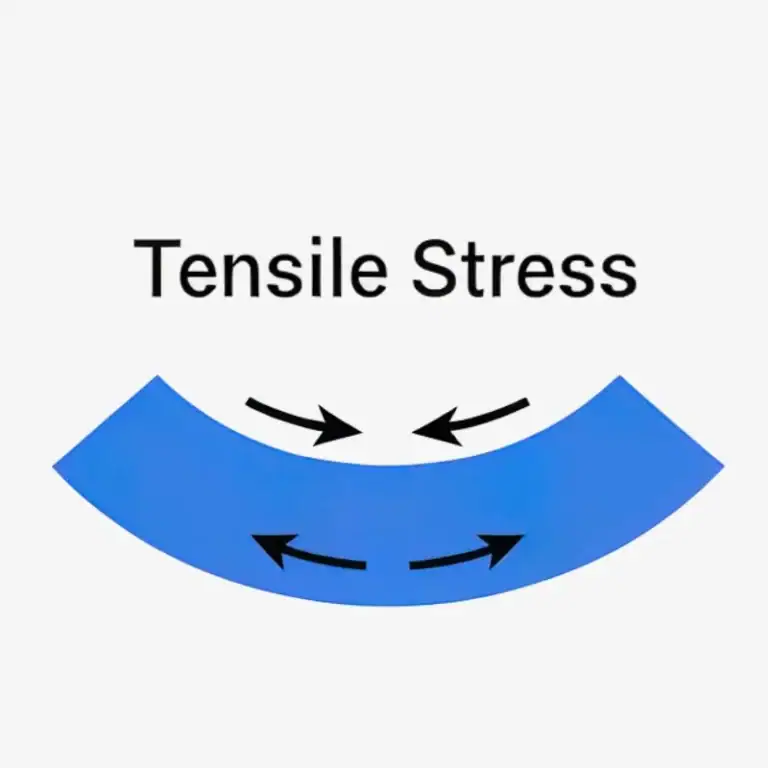
- Thin-walled structures can deform easily under clamping force
- Internal stress release during machining can lead to warping later
- High feed rates may cause localized compression deformation affecting accuracy
- Multiple setups increase cumulative errors and reduce overall consistency
Therefore, aluminum is not difficult to machine—it is difficult to control deformation.
High Thermal Conductivity but Complex Thermal Stability
Aluminum conducts heat efficiently, but this creates challenges in precision machining.
- Cutting heat spreads quickly, causing subtle dimensional drift
- Long machining cycles can lead to overall thermal expansion
- Thermal variation affects reference stability in high-precision parts
Temperature control is a key source of machining accuracy deviation.
Core Challenges in Precision Machining
When aluminum is used in high-precision manufacturing, the real challenges come from process control rather than the material itself.
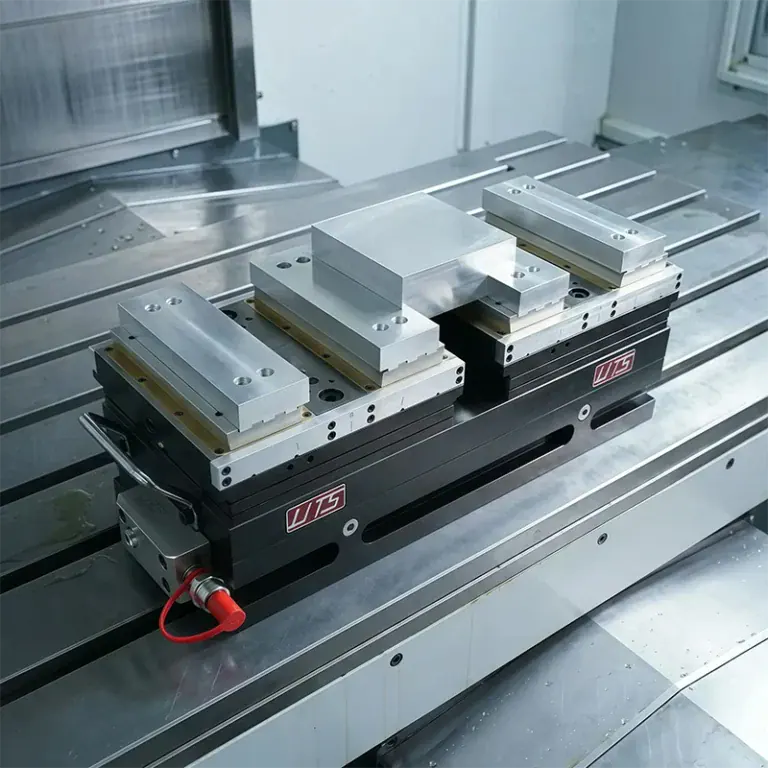
Deformation Control and Fixture Design
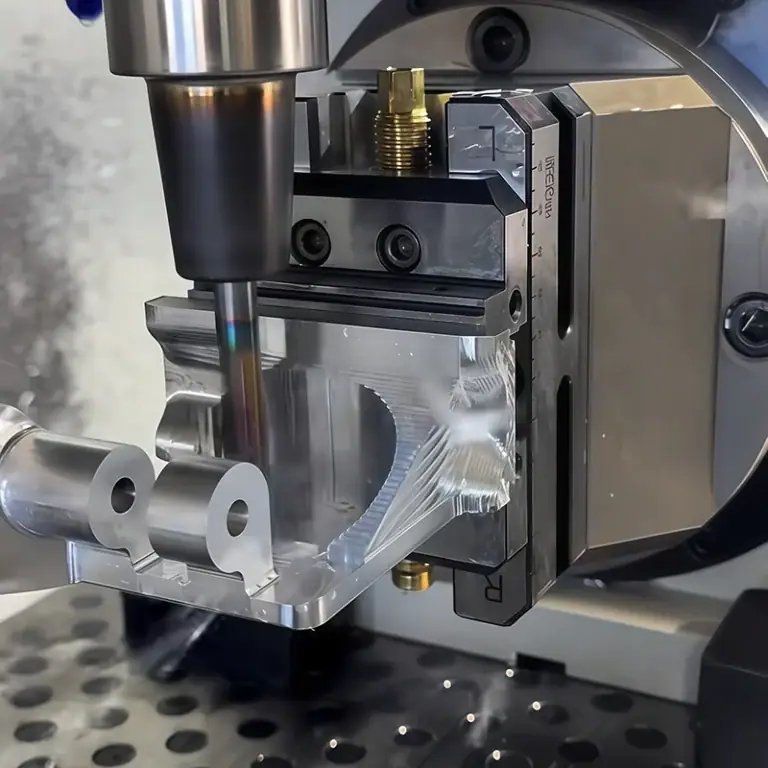
Fixture design directly determines final machining accuracy.
- Excessive clamping force may cause local deformation and surface marks
- Insufficient support can lead to vibration and dimensional errors
- Reference shifting may occur in multi-process machining
- Thin-walled parts often require vacuum or soft fixtures to reduce stress
Fixture quality often defines the upper limit of machining precision.
Surface Quality and Tool Control Issues
Aluminum is easy to machine, but not easy to finish at high quality.
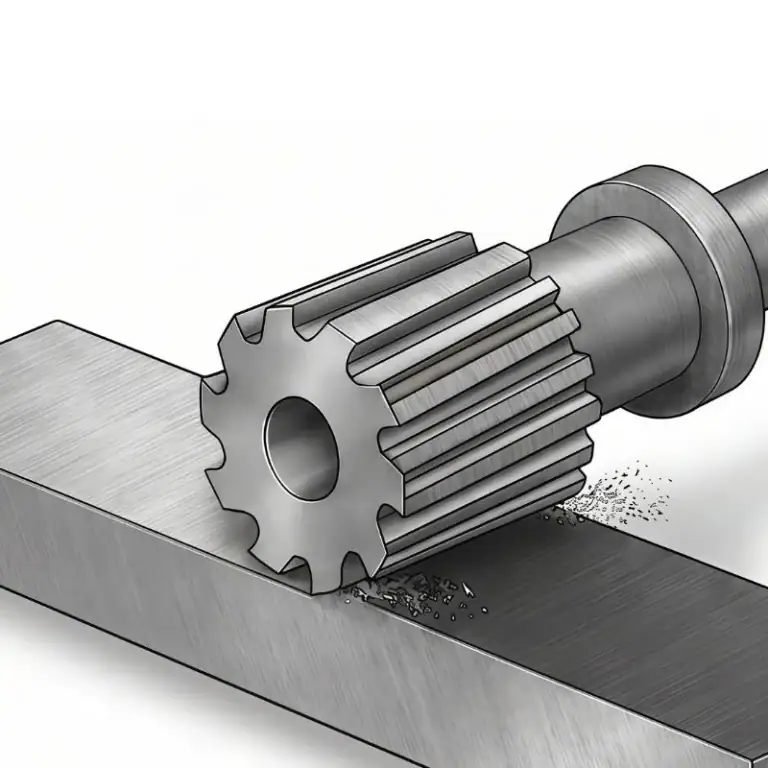
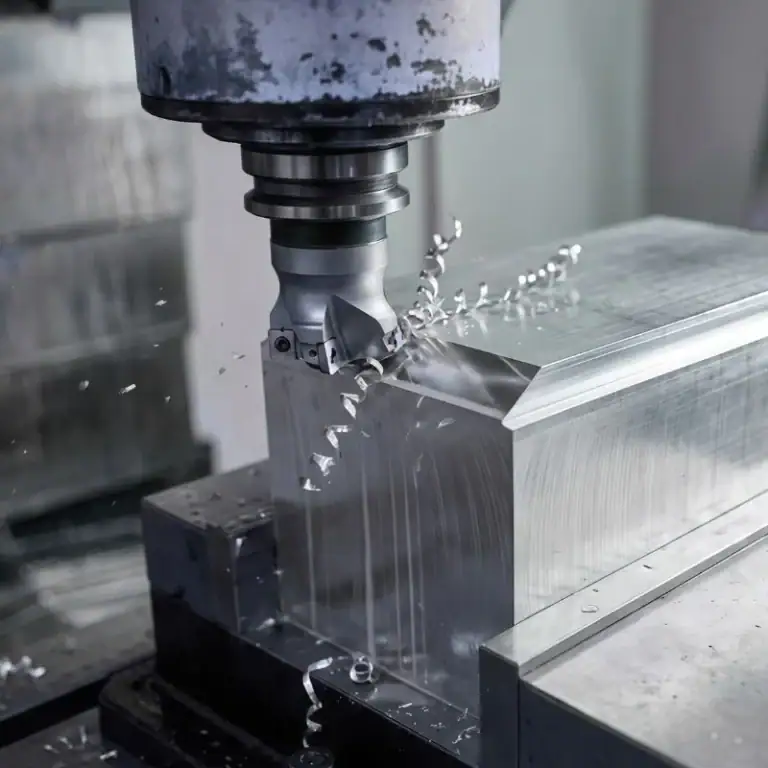
- Dull tools can cause built-up edge and poor surface finish
- High-speed cutting may produce vibration marks or surface waviness
- Improper cutting parameters can generate burrs
- Incorrect coolant use affects surface smoothness
- Poor toolpath design may leave visible machining marks
Surface quality is one of the key difficulties in aluminum precision machining.
Differences in Machining Difficulty by Part Structure
Machining difficulty is not fixed; it varies significantly with geometry.
Complex and Thin-Walled Structures
The more complex the structure, the harder it is to control accuracy.
- Thin walls deform easily and lack structural stability
- Deep cavities make chip removal difficult
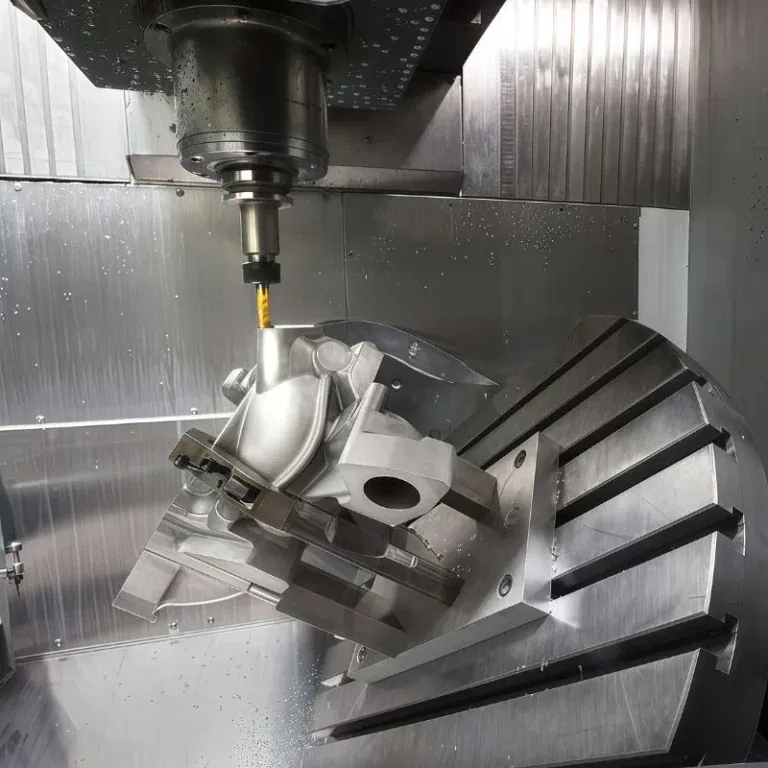
- Multi-surface parts require complex toolpath programming
Complex geometry increases uncertainty in machining.
High-Precision Fit Components
When aluminum is used for precision assembly, requirements become stricter.
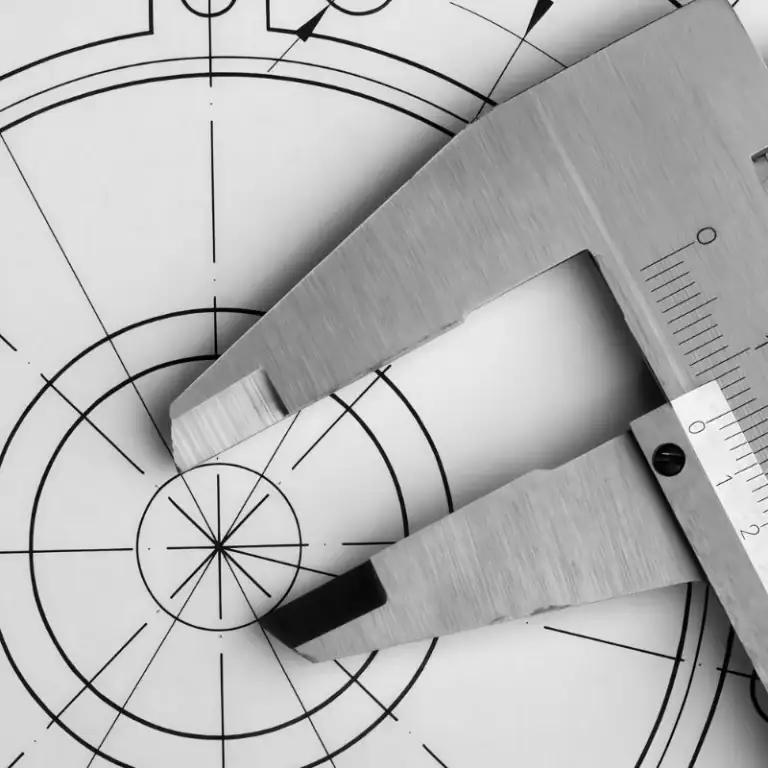
- Hole-shaft fits must be controlled within micron-level tolerances
- Multi-part assemblies accumulate dimensional deviations
- Repeat positioning accuracy directly affects system performance
- Batch consistency must be strictly controlled
High-precision fitting is one of the biggest challenges in aluminum machining.
Key Methods to Improve Machining Stability
Despite these challenges, proper process control can significantly improve results.
Process and Toolpath Optimization
Good process planning is the core of precision control.
- Layered cutting reduces stress release per pass
- Optimized toolpaths reduce redundant cutting
- High-speed machining reduces material deformation
- Unified datum reduces cumulative errors
- Separate finishing passes improve final accuracy
Stable processes lead to predictable results.
Fixture and Equipment Control
Hardware capability defines the upper limit of precision.
- High-rigidity machines reduce vibration errors
- Customized fixtures minimize deformation risk
- In-process inspection improves control accuracy
Equipment quality directly affects machining stability.
Industrial Value of Aluminum Precision Machining
Despite its challenges, aluminum remains a core material in high-end manufacturing.
Expanding Applications with Higher Requirements
Industry demand continues to push machining capability forward.
- Aerospace lightweight structures rely heavily on aluminum parts
- Electronics require high precision and excellent surface quality
- Automotive lightweight trends increase aluminum usage
- Automation systems demand highly accurate structural components
Higher demand drives continuous process improvement.
Aluminum alloy precision machining is not a simple process. It is a typical case of a material that is easy to cut but difficult to control. The main challenges lie in deformation control, surface quality, and batch consistency, all of which depend heavily on process design, fixture solutions, and equipment capability. In advanced manufacturing systems, platforms such as Tirapid, which specialize in complex parts and high-precision machining, provide stable high-quality output through systematic process control and mature manufacturing capabilities.