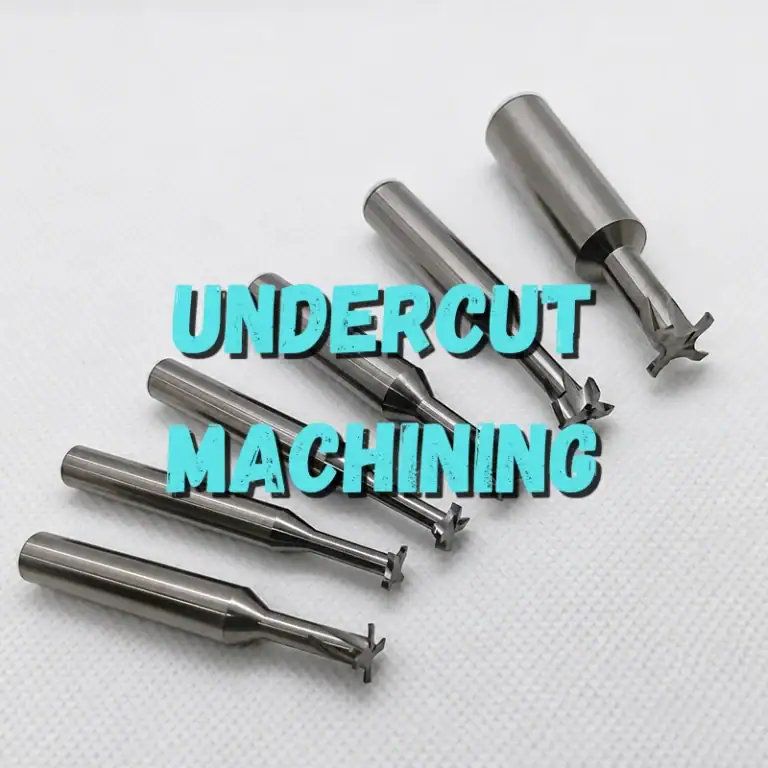
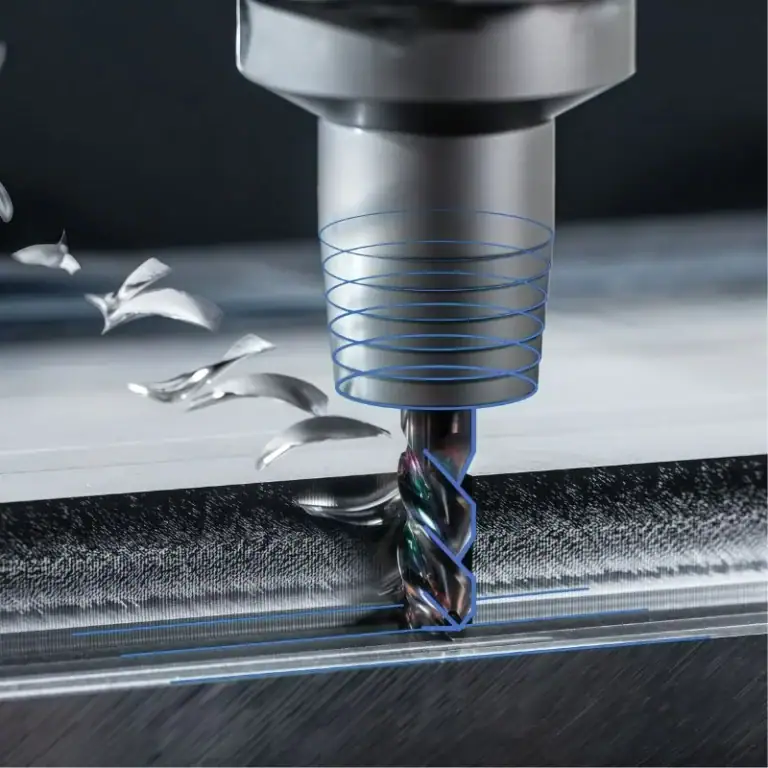
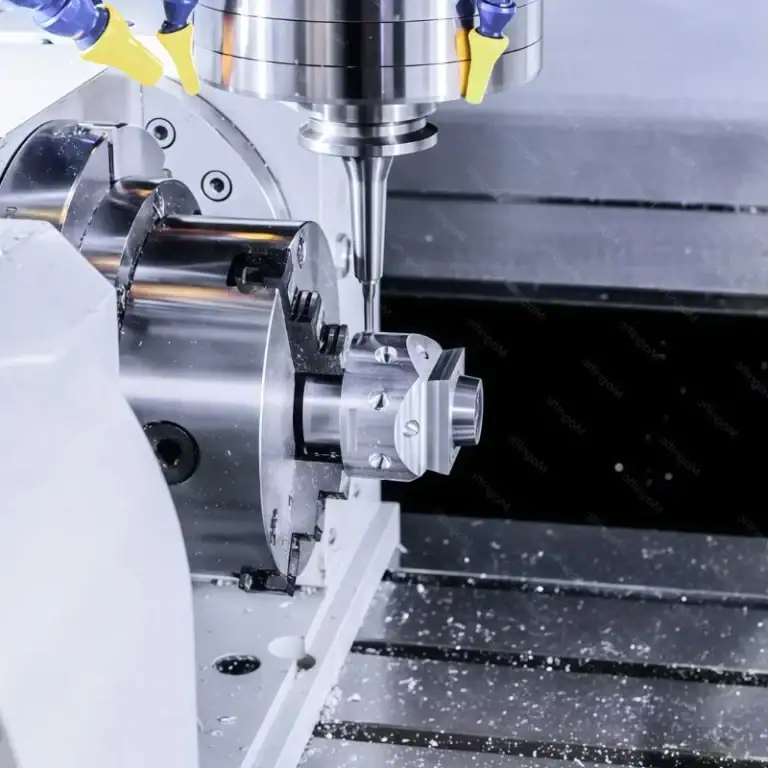
In the precision manufacturing industry, material selection often determines machining difficulty, structural performance, and the final service life of a component. Different materials not only have different characteristics in strength, hardness, corrosion resistance, and weight, but also directly affect cutting efficiency, surface quality, and machining stability. As industries such as aerospace, medical devices, new energy, and electronics continue to advance, precision machining materials have expanded from traditional metals to high-performance alloys, engineering plastics, and composite materials. Choosing the right material can not only meet product performance requirements, but also effectively reduce production costs and long-term maintenance risks.
Aluminum Alloys
Aluminum alloy is one of the most widely used materials in precision machining due to its light weight, high machining efficiency, and relatively moderate cost.
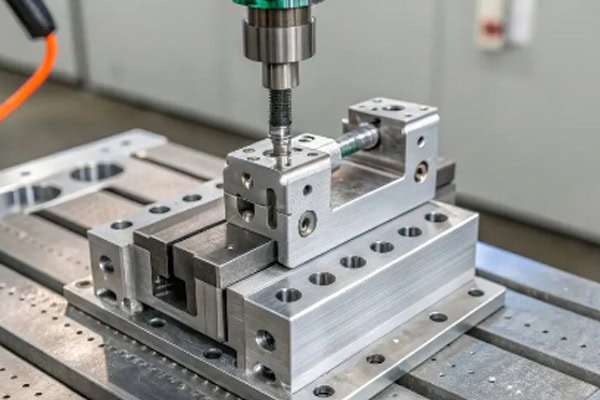
Main Advantages of Aluminum Alloys
Aluminum alloys are widely used for structural and exterior components across many industries.
- Aluminum has excellent cutting performance, allowing faster machining speeds and shorter production cycles
- Its lightweight properties make it ideal for aerospace, automotive, and consumer electronics industries
- Good thermal conductivity makes it suitable for heat dissipation structures and electronic housings
- It supports a wide range of surface treatments, including anodizing, sandblasting, and coating
- Compared with many metals, aluminum offers relatively low material and machining costs
Aluminum alloys balance performance and machining efficiency, making them highly important in precision manufacturing.
Common Types of Aluminum Alloys
Different aluminum grades are suitable for different machining requirements.
- 6061 aluminum alloy offers balanced overall performance and is suitable for most mechanical parts
- 7075 aluminum alloy provides higher strength and is widely used in aerospace structural components
- 5052 aluminum alloy has excellent corrosion resistance for humid and harsh environments
The choice of aluminum alloy directly affects machining stability and final product performance.
Stainless Steel Materials
Stainless steel is mainly used in precision machining for parts requiring high corrosion resistance and structural strength.
Machining Characteristics of Stainless Steel
Compared with aluminum alloys, stainless steel is more difficult to machine but offers better durability and reliability.
- Stainless steel provides excellent corrosion resistance, making it suitable for medical and chemical equipment
- High material strength allows long-term use in load-bearing structures
- During cutting, stainless steel tends to work-harden, increasing tool wear
- After surface finishing, stainless steel can achieve excellent appearance and stability
Although machining costs are higher, stainless steel is widely used in high-reliability industries.
Common Types of Stainless Steel
Different stainless steel grades are suitable for different applications.
- 304 stainless steel is versatile and suitable for most industrial components
- 316 stainless steel offers stronger corrosion resistance and is widely used in medical and marine environments
- 303 stainless steel has improved machinability for complex precision parts
- 420 stainless steel provides higher hardness for tools and wear-resistant components
- 17-4PH stainless steel combines high strength with corrosion resistance
Different material grades require corresponding machining process adjustments.
Titanium Alloys and High-Performance Alloys
High-performance alloys are usually used for high-end precision parts operating in extreme environments.
Advantages of Titanium Alloys
Titanium alloys are widely used in aerospace and medical industries.
- Titanium alloys provide high strength while remaining lightweight
- They offer excellent high-temperature resistance and corrosion resistance
- Good biocompatibility makes them suitable for implantable medical devices
Titanium alloys provide excellent performance, but machining difficulty and cost are also relatively high.
High-Temperature and Special Alloys
Special alloys are mainly used in equipment operating under extreme conditions.
- Nickel-based superalloys can maintain stable operation under high temperatures
- Inconel alloys are commonly used in aircraft engines and energy equipment
- Copper alloys provide excellent electrical and thermal conductivity
- Magnesium alloys are even lighter and suitable for special lightweight structures
These materials generally require advanced machining technologies and equipment.
Engineering Plastics and Composite Materials
In addition to metals, non-metal materials are increasingly used in precision machining.
Machining Characteristics of Engineering Plastics
Engineering plastics are becoming more common in electronics, medical, and automation industries.
- POM materials provide excellent dimensional stability for precision structures
- Nylon offers strong wear resistance for moving components
- PTFE has excellent corrosion resistance and low-friction properties
- PEEK provides high strength and high-temperature resistance
- Engineering plastics are lightweight, supporting equipment lightweight design
Plastic materials offer clear advantages in reducing weight and production costs.
Applications of Composite Materials
Composite materials are gradually entering high-end manufacturing industries.
- Carbon fiber materials offer high strength and low weight for aerospace and sports equipment
- Glass fiber materials provide excellent insulation performance
- Multi-layer composite structures can combine strength and functional requirements
Composite material machining requires more specialized process control.
The Impact of Material Selection on Precision Machining
Materials determine not only product performance, but also machining cost and manufacturing efficiency.
Machining Efficiency and Tool Life
Different materials affect machining processes in significantly different ways.
- High-hardness materials increase tool wear rates
- Materials with poor thermal conductivity are more likely to deform from heat
- High-toughness materials are prone to burr formation
- Easy-to-machine materials can significantly improve production efficiency
Material selection directly impacts overall manufacturing cost.
Product Performance and Long-Term Stability
Final product quality is closely related to material performance.
- Corrosion-resistant materials help extend equipment service life
- High-strength materials improve structural stability
- Lightweight materials reduce overall equipment load
- Heat-resistant materials are suitable for complex operating environments
- Biocompatible materials meet the special requirements of the medical industry
Proper material selection is a key foundation of high-quality manufacturing.
The selection of precision machining materials affects not only machining efficiency, but also product performance, reliability, and long-term durability. From aluminum alloys and stainless steel to titanium alloys and engineering plastics, different materials are suitable for different applications. Companies must evaluate performance requirements, budget, and machining processes comprehensively when choosing materials. In the high-end manufacturing sector, platforms such as Tirapid, which specialize in complex parts and high-precision machining, provide stable and reliable customized manufacturing solutions for multiple industries through extensive material expertise and mature machining capabilities.