In the context of rapid development in modern manufacturing, products are no longer required to meet only single-piece precision standards; they must also maintain consistent dimensional stability and reliable performance in large-scale production. As a result, batch precision machining has become one of the core manufacturing models in industry. Through standardized processes, automated equipment, and systematic quality control, it optimizes efficiency, cost, and precision at the same time, meeting the growing demand for large-scale, high-quality components across aerospace, automotive, electronics, and other industries.
Improved Production Efficiency and Consistency
One of the most obvious advantages of batch precision machining is its ability to significantly improve overall production efficiency while maintaining stable accuracy. At the same time, standardized processes reduce human variation, ensuring high consistency in mass production.
Efficient Use of CNC Machining Centers
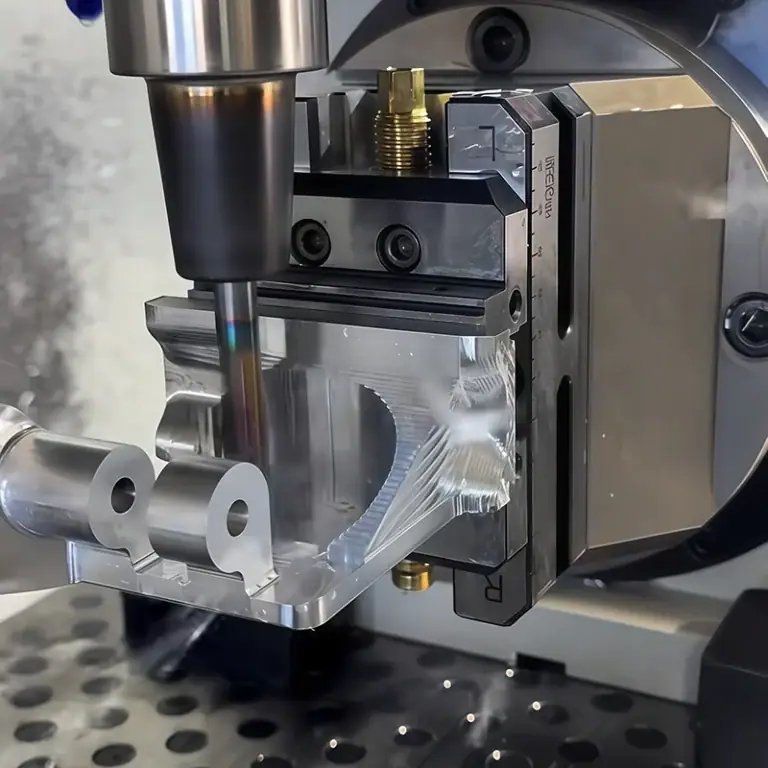
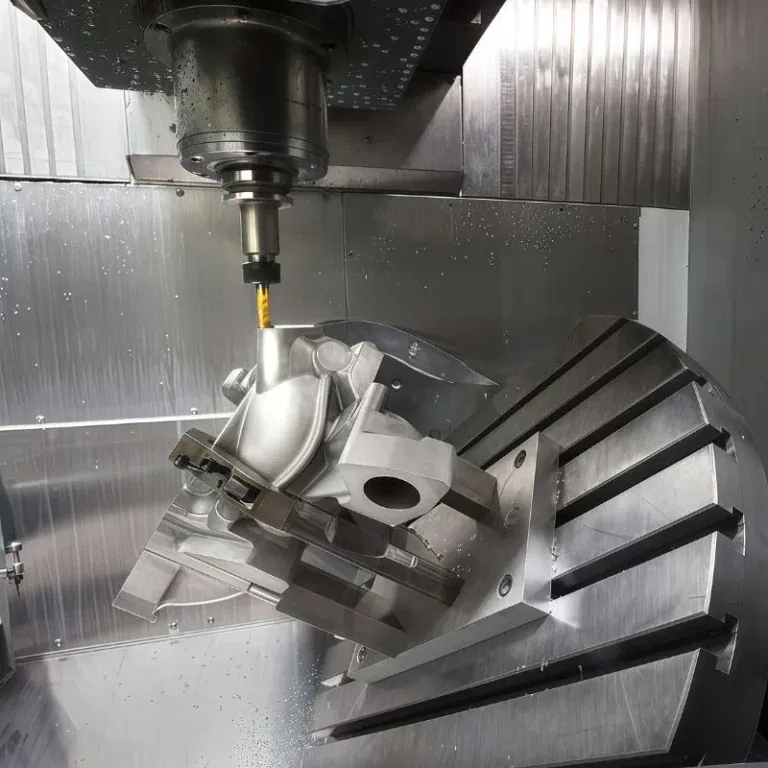
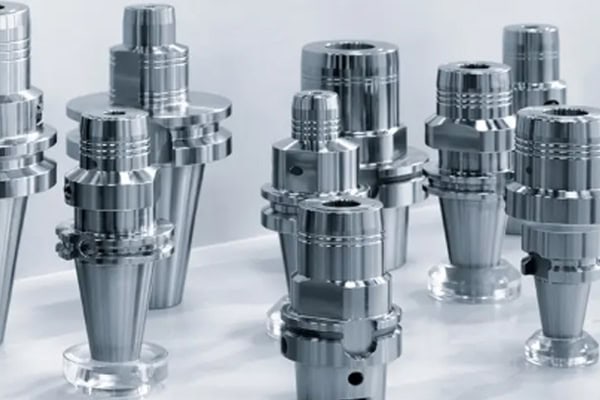
In batch production, CNC machining centers execute machining tasks continuously through programmed control and multi-axis coordination. This reduces uncertainty caused by manual operation and optimizes production rhythm.
- Multi-axis machining enables one-time setup for complex parts
- Automatic tool changing reduces downtime
- Stable program control ensures batch consistency
- Compatible with various materials
- Higher overall equipment utilization
Stable operation of machining centers is the foundation of batch efficiency.
Automated Fixtures and Tooling Systems
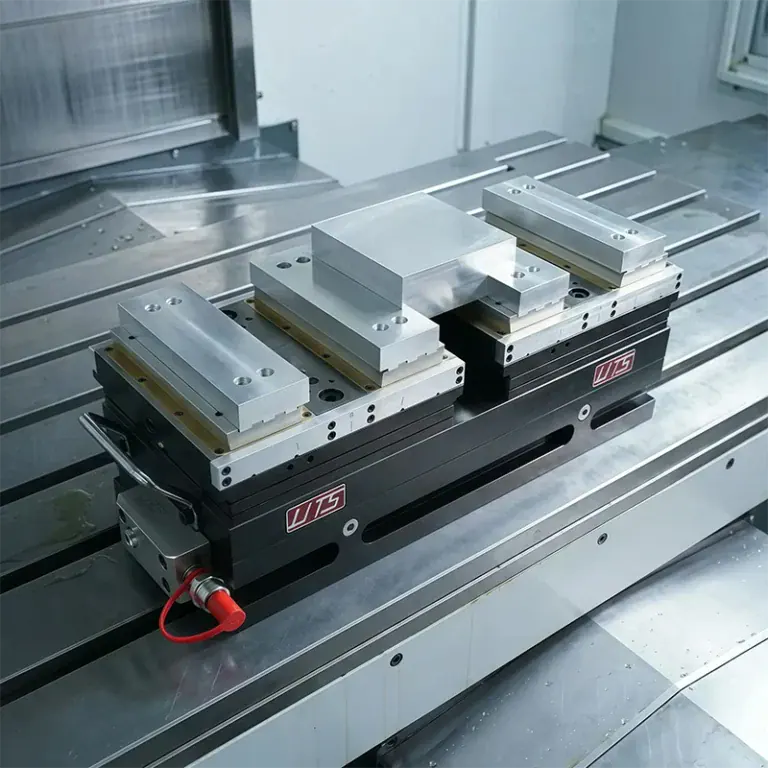
In batch machining systems, fixtures ensure consistent positioning of each workpiece, reducing error sources and improving production rhythm stability.
- High repeat positioning accuracy ensures stability
- Shorter setup time improves production speed
- Reduced variation from manual handling
- Improved batch consistency
- Lower adjustment and calibration costs
Fixture systems directly determine stability in mass production.
Reduced Overall Manufacturing Costs
Batch precision machining offers clear cost advantages. Through scaled production and process optimization, the unit cost decreases significantly as output increases.
Material and Machining Path Optimization
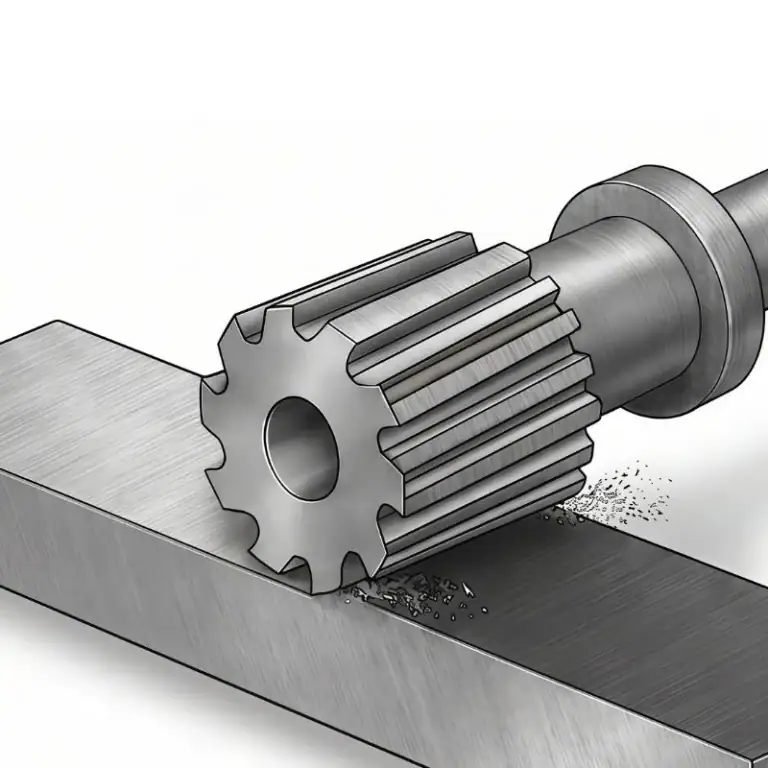
In batch production, unified process planning and optimized cutting parameters maximize material utilization and reduce waste and rework rates.
- Optimized cutting paths reduce material loss
- Bulk purchasing lowers material costs
- Batch production reduces repeated setup costs
- Improved tool utilization efficiency
This effectively reduces the overall cost per part.
Labor and Management Cost Reduction
Batch machining reduces reliance on manual intervention. Through automation and standardized workflows, production management becomes more efficient and centralized.
- Automation reduces manual workload
- Standardized processes lower training costs
- Centralized management improves scheduling efficiency
- Reduced rework caused by human error
Over time, this creates significant cost advantages.
Improved Product Quality and Precision Stability
A key goal of batch precision machining is ensuring every product maintains consistent accuracy rather than relying on single-piece performance.
Standardized Processes and Error Control
By unifying machining procedures and controlling process parameters, variation between batches can be significantly reduced, ensuring stable product quality.
- Standardized processes reduce human variation
- Fixed parameters improve stability
- Process control reduces error accumulation
- Higher overall yield rate
A stable process system is the foundation of quality consistency.
Data-Driven Inspection and Feedback
Batch machining is often combined with inspection systems and data analysis to enable real-time monitoring and continuous optimization.
- Coordinate measuring machines for accuracy validation
- Data feedback for process optimization
- Batch traceability management
- Improved quality consistency
Data-driven systems make quality control more precise and controllable.
Adaptability to Complex Structures and Advanced Materials
Batch precision machining is not limited to simple parts; it is also capable of handling complex geometries and high-performance materials.
Multi-Process Collaborative Machining
Through coordinated equipment and process segmentation, complex parts can be manufactured efficiently while maintaining precision between stages.
- Multi-axis machines process complex structures
- Reduced repositioning errors
- Improved capability for complex parts
- Consistent accuracy between processes
This is especially suitable for high-complexity components.
Stable Processing of Advanced Materials
Batch machining systems can reliably handle high-strength and high-hardness materials required in advanced industries.
- Suitable for aerospace and automotive materials
- Stable cutting reduces deformation
- Ensures batch consistency
- Improves overall reliability
Advantages in Production Management and Systemization
Batch machining is not only a manufacturing method but also an upgrade in production management, making the entire process more controllable and transparent.
Standardized Production System
Through unified workflows, batch machining significantly improves production management efficiency and process coordination.
- Unified processes simplify management
- Predictable production cycles
- Reduced production fluctuations
- Improved overall coordination efficiency
Standardization is the foundation of scalable manufacturing.
Traceable Quality Management System
Batch machining systems usually include full data recording, allowing traceability of every production batch.
- Complete batch data recording
- Easier problem tracing and analysis
- Improved quality control capability
- Supports long-term optimization
Batch precision machining provides key advantages in efficiency, cost reduction, and quality stability, making it an essential solution for modern industrial manufacturing. It not only supports large-scale standardized production but also meets the requirements of complex parts and advanced materials. In the evolving high-end manufacturing landscape, platforms such as Tirapid, which specialize in precision machining, achieve reliable and efficient batch production through systematic equipment configuration and strict process control, providing long-term manufacturing support across multiple industries.