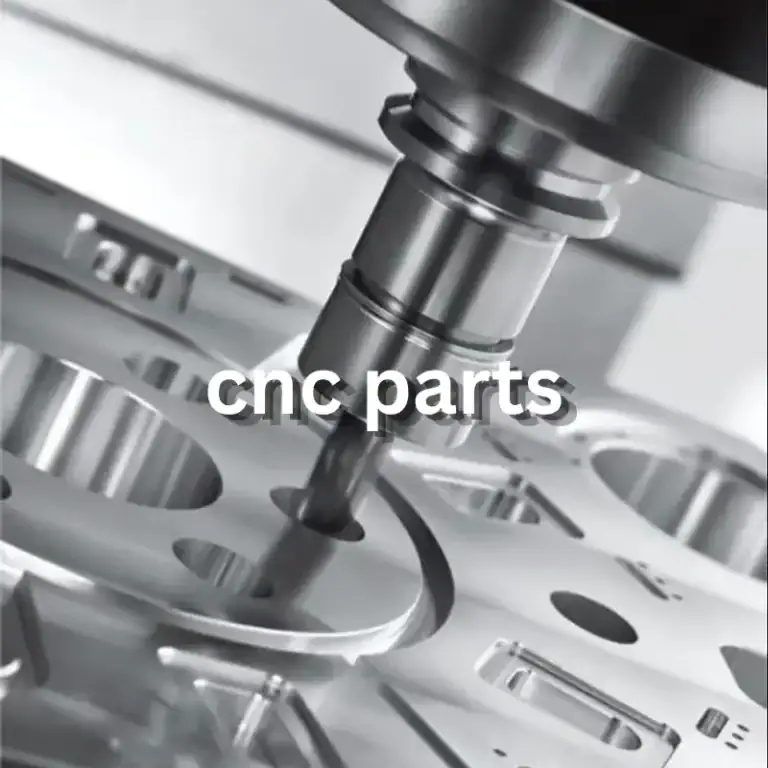
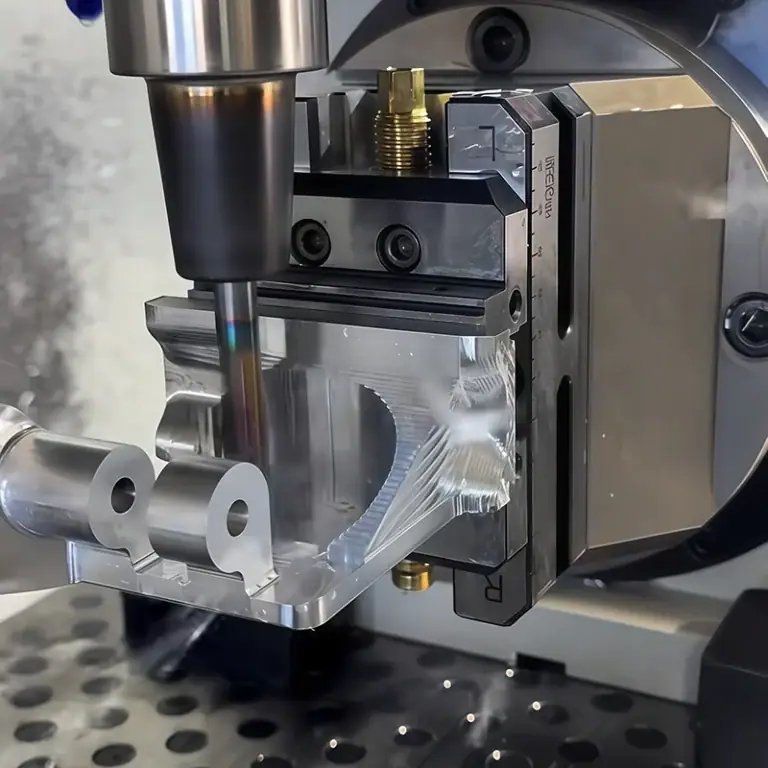
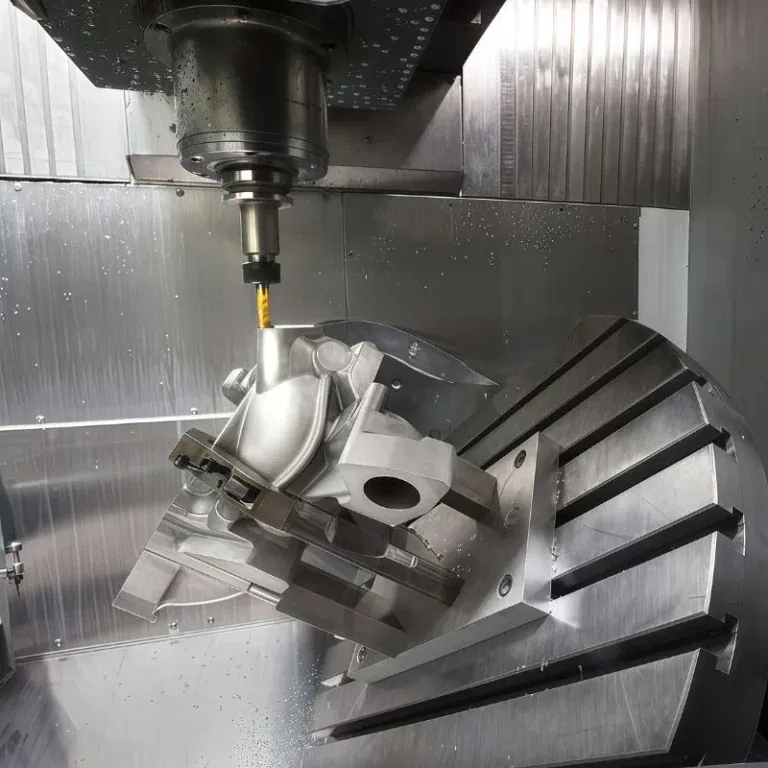
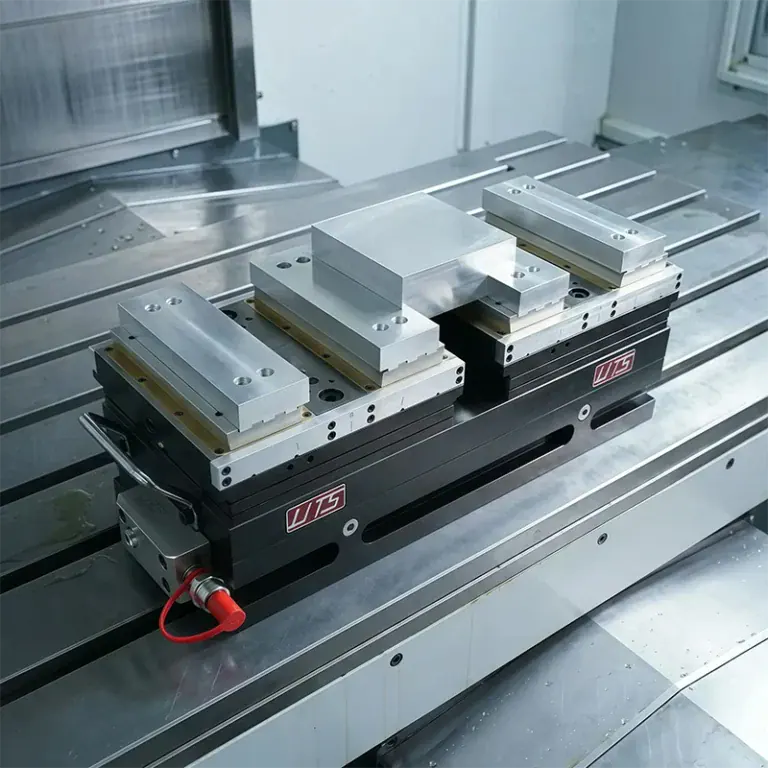
In modern manufacturing, surface finish plays a critical role in determining the performance, durability, and appearance of a component. Whether in aerospace applications, automotive powertrain systems, or precision medical devices, surface roughness can directly affect product reliability and functionality. By optimizing machining processes, selecting appropriate materials and cutting tools, and implementing advanced measurement and finishing techniques, precision machining can significantly improve surface quality and provide strong support for high-end manufacturing.
Optimizing Machining Processes
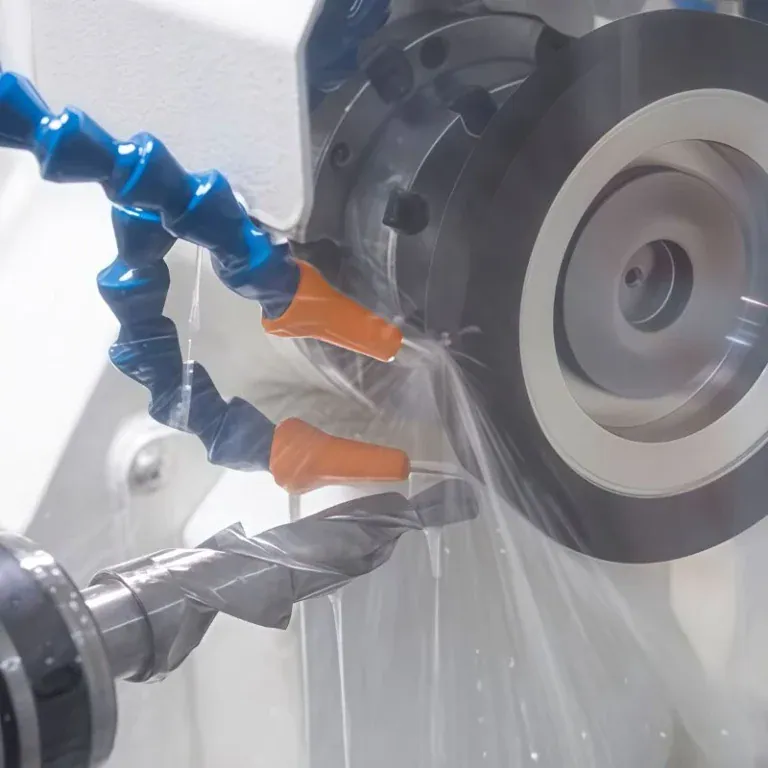
In precision machining, process parameters have a direct impact on surface finish. Proper control of cutting speed, feed rate, and depth of cut can effectively reduce residual stress and machining marks, resulting in smoother surfaces.
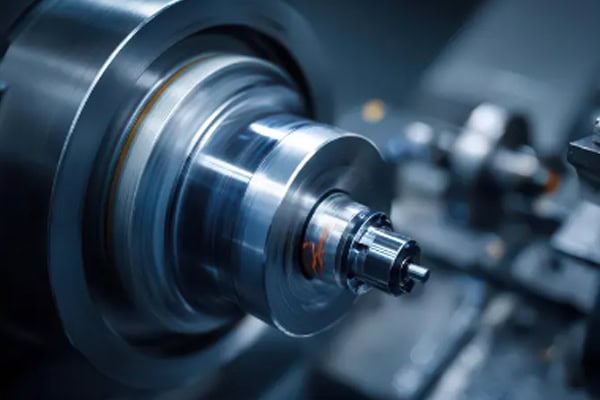
Cutting Parameter Control
Choosing suitable cutting speeds and feed rates not only reduces tool wear but also minimizes surface defects such as tearing, scratches, and tool marks.
- High-speed cutting reduces friction between chips and the workpiece surface
- Precise feed control helps minimize visible tool marks
- Proper cutting depth prevents excessive material deformation
- Tool wear monitoring ensures stable machining performance
A well-planned cutting strategy is the foundation of achieving high-quality surface finishes.
Multi-Stage Machining
Dividing the machining process into rough machining, semi-finishing, and finishing stages helps reduce surface defects and improve consistency.
- Rough machining removes excess material efficiently
- Semi-finishing improves dimensional accuracy and surface condition
- Finishing operations produce the final surface quality
- Proper process sequencing reduces the accumulation of machining marks
A structured machining process improves both surface finish and tool life.
Selecting the Right Tools and Materials
The interaction between cutting tools and workpiece materials directly influences surface quality. Proper selection can significantly reduce roughness and improve machining efficiency.
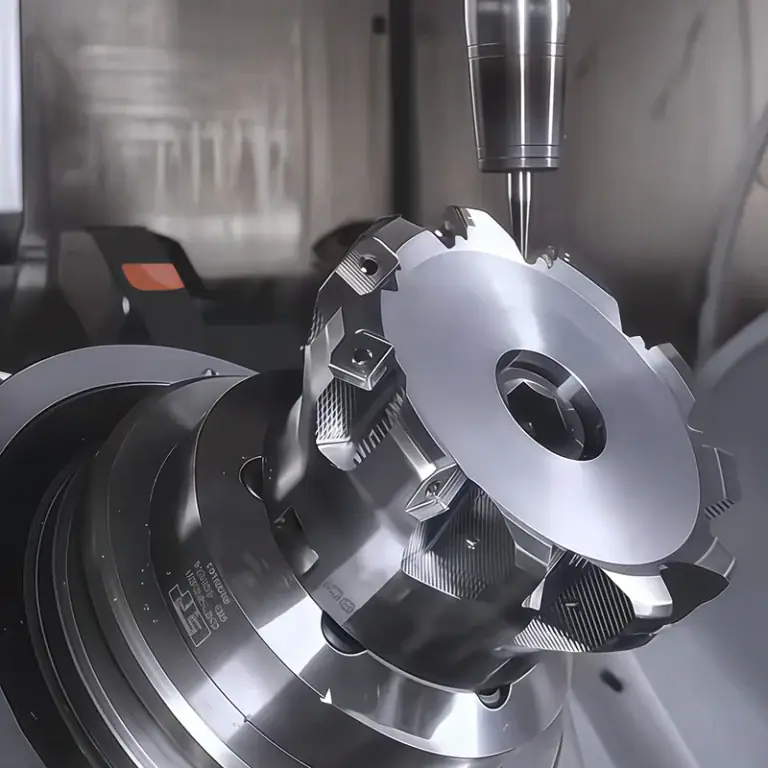
High-Performance Cutting Tools
Advanced cutting tools help maintain precision while improving the final surface finish.
- Carbide tools reduce cutting deformation
- Coated tools minimize friction and built-up edge formation
- Micro-tools are suitable for precision machining of small components
- Regular tool replacement maintains consistent cutting performance
Optimized tool geometry and materials contribute to smoother and more stable surfaces.
Material Characteristics
Different materials respond differently during machining, making material selection and preparation important factors in surface quality.
- Hard materials require controlled cutting forces to prevent scratches
- Softer materials need optimized clamping and cutting conditions to avoid deformation
- Heat treatment and annealing can improve material stability
- Surface-treated materials may reduce friction and improve finish quality
Choosing the right material is a key step toward achieving superior surface finishes.
Precision Measurement and Feedback Control
In high-precision manufacturing, real-time measurement and process feedback help maintain consistent surface quality and reduce variation.
In-Process Measurement Technology
Modern measurement systems allow manufacturers to monitor surface conditions throughout the machining process.
- Laser measurement systems detect micron-level surface variations
- Surface profilometers monitor roughness trends
- Real-time feedback supports process adjustments
- Automatic compensation helps maintain consistency
In-process measurement ensures that every component meets surface quality requirements.
Data Analysis and Process Optimization
Analyzing measurement data helps identify defects and improve machining strategies for better surface finishes.
- Evaluate residual stress and micro-crack distribution
- Optimize feed rates and tool paths
- Compare trends across multiple production batches
- Continuously improve machining methods to reduce defects
Data-driven optimization provides a reliable way to improve long-term surface quality.
Post-Processing and Polishing Techniques
Even after precision machining, some components require additional finishing processes to achieve the desired surface quality.
Mechanical Polishing
Mechanical polishing improves microscopic surface roughness through controlled abrasive action.
- Use progressively finer abrasives for improved smoothness
- Control polishing speed and pressure to prevent deformation
- Ultrasonic-assisted polishing improves uniformity
- Multi-axis polishing systems support complex geometries
Mechanical polishing significantly enhances both visual appearance and tactile smoothness.
Chemical and Electrochemical Finishing
Chemical and electrochemical processes remove micro-burrs and improve microscopic surface structures.
- Electropolishing reduces residual stress
- Chemical polishing improves micro-level smoothness
- Can be combined with mechanical polishing for better results
- Provides uniform finishing on irregular surfaces
These methods offer an effective final step for achieving superior surface quality.
Surface Coatings and Treatments
Advanced coatings not only improve smoothness but also enhance wear resistance and corrosion protection.
- PVD and CVD coatings improve hardness and surface quality
- Uniform coating thickness enhances microscopic flatness
- Suitable for complex-shaped components
- Adds functional benefits such as wear resistance and corrosion protection
Surface coatings are an important part of achieving high-performance finishes in precision manufacturing.
Improving surface finish requires more than high-precision equipment. It involves optimizing machining parameters, selecting suitable tools and materials, implementing advanced measurement systems, and applying effective post-processing techniques. Through a comprehensive and systematic approach, manufacturers can achieve consistently high-quality surfaces that meet demanding industry requirements. In advanced manufacturing, Tirapid provides reliable surface finish solutions for complex precision components through proven machining expertise and strict quality control standards.