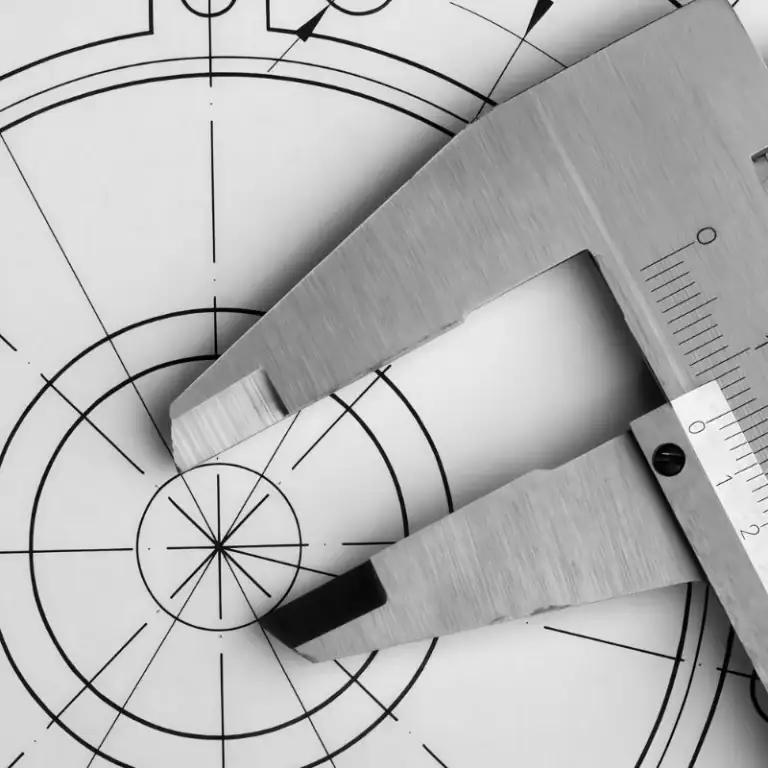
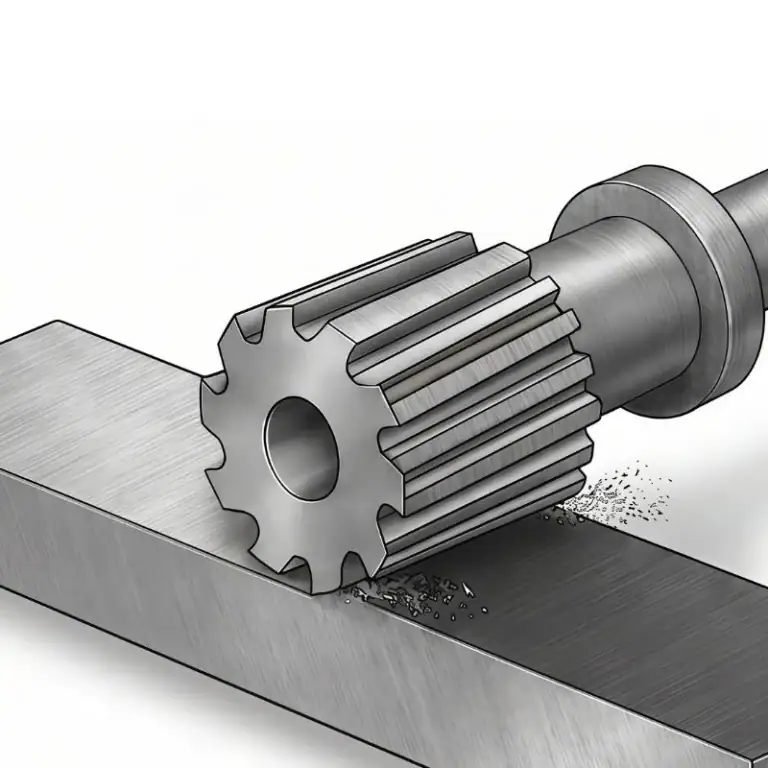
In modern manufacturing, dimensional accuracy directly affects assembly quality, product performance, and service life. This is especially true in industries such as aerospace, medical devices, automotive components, and electronics, where parts often require extremely tight tolerances and high consistency. Achieving stable high-precision machining depends not only on advanced equipment but also on the coordinated optimization of machining processes, equipment control, environmental management, and inspection systems. Only through the combination of these factors can every component consistently meet design specifications.
High-Precision Equipment Forms the Foundation of Dimensional Accuracy
The first requirement for precision machining is reliable and stable equipment. The positioning accuracy and repeatability of machining equipment directly influence the final dimensions of a component. If the machine itself introduces errors, maintaining consistent quality becomes extremely difficult regardless of the machining process.
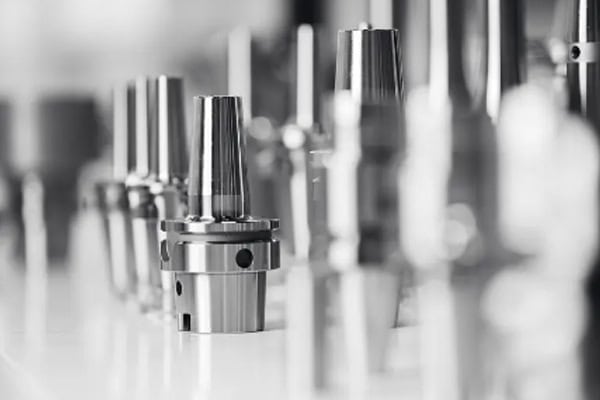
Precision CNC Machines
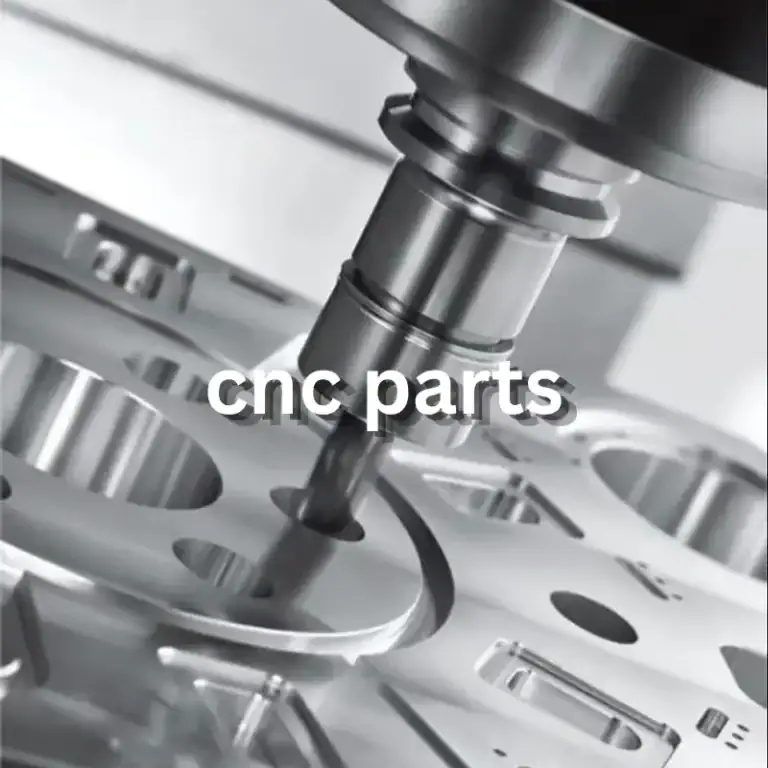
Modern CNC machines achieve micron-level accuracy through advanced control systems, precision transmission components, and rigid machine structures, providing a solid foundation for dimensional control.
- High-rigidity machine frames reduce vibration during machining
- Precision guideways improve motion stability
- High-accuracy ball screws ensure precise positioning
- Servo systems enhance repeatability
- Intelligent control systems optimize machining paths
Machine performance establishes the baseline for achievable accuracy. Stable equipment operation helps minimize dimensional variation and ensures consistency across production batches.
Five-Axis Machining Reduces Error Accumulation
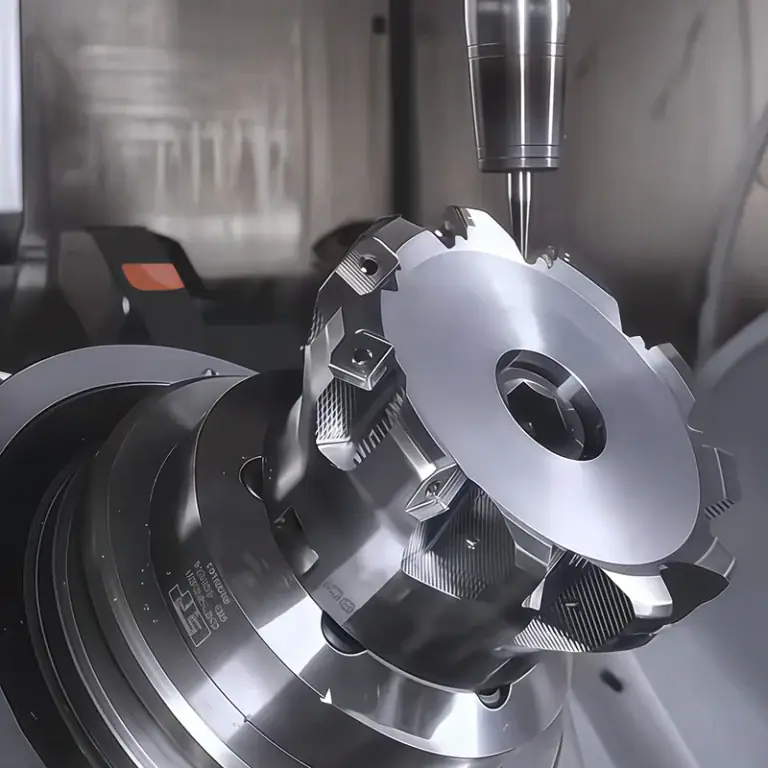
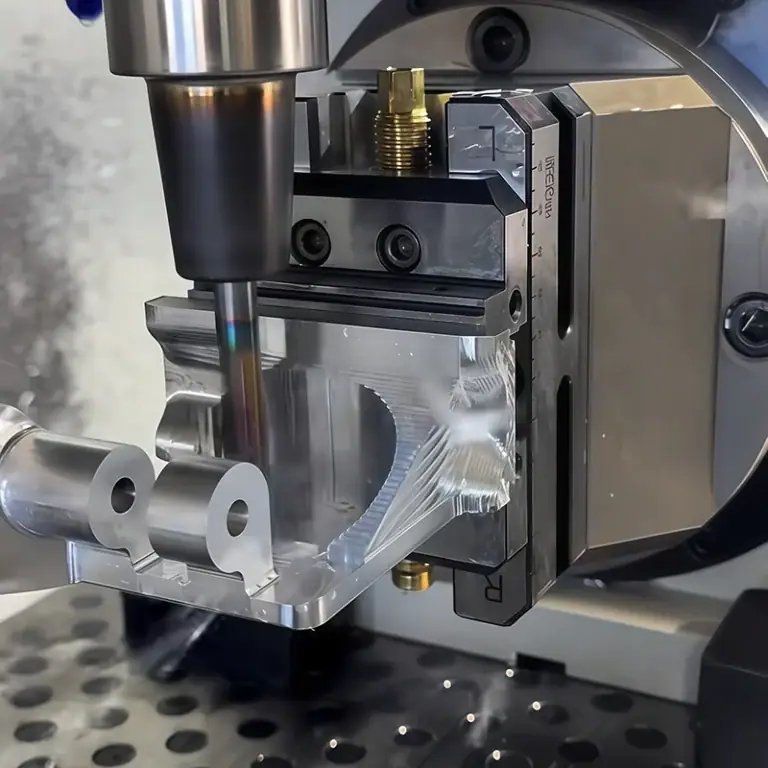
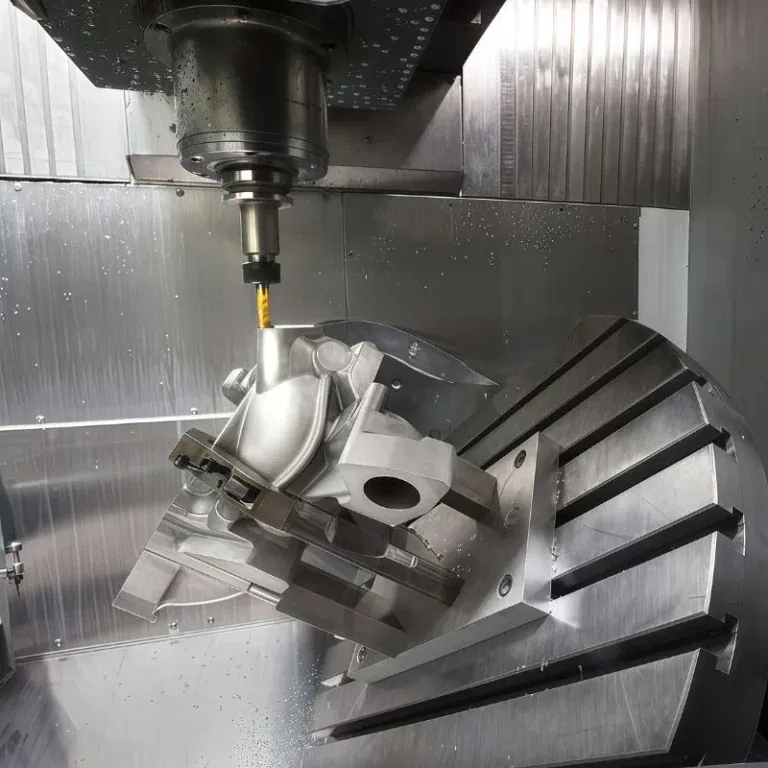
For parts with complex geometries and multiple machining surfaces, repeated setups often introduce positioning errors. Five-axis machining helps minimize these issues by completing more operations in a single setup.
- Completes multi-surface machining in one setup
- Reduces repositioning errors
- Improves dimensional consistency on complex surfaces
- Minimizes deviations caused by manual adjustments
For aerospace and medical components with intricate structures, reducing the number of setups is often one of the most effective ways to improve dimensional accuracy.
Proper Process Control Determines Machining Stability
While equipment provides machining capability, process planning determines how consistently that capability can be utilized. Effective process design improves dimensional accuracy while reducing the impact of deformation, vibration, and tool wear.
Optimizing Cutting Parameters
Different materials, part geometries, and tolerance requirements require different machining parameters. Proper settings can significantly improve dimensional stability.
- Optimize cutting speed to reduce thermal effects
- Control feed rates to maintain dimensional consistency
- Adjust cutting depth to minimize deformation
- Select machining strategies based on material properties
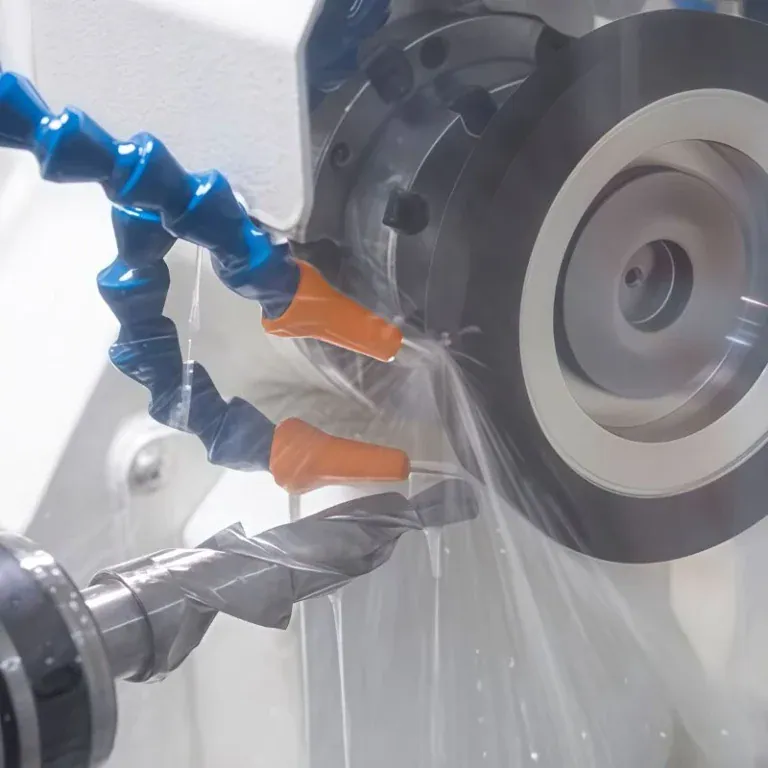
Well-designed cutting parameters create a more stable machining process and reduce dimensional deviations caused by heat and cutting forces.
Tool Management and Compensation
Since cutting tools directly interact with the workpiece, their condition has an immediate impact on dimensional accuracy. Precision machining operations typically implement comprehensive tool management systems.
- Regularly inspect tool wear
- Utilize automatic tool compensation functions
- Use wear-resistant cutting tool materials
- Establish tool life management procedures
- Replace worn tools promptly
Effective tool management improves dimensional accuracy while also enhancing surface quality and machining efficiency.
Optimizing Workholding Methods
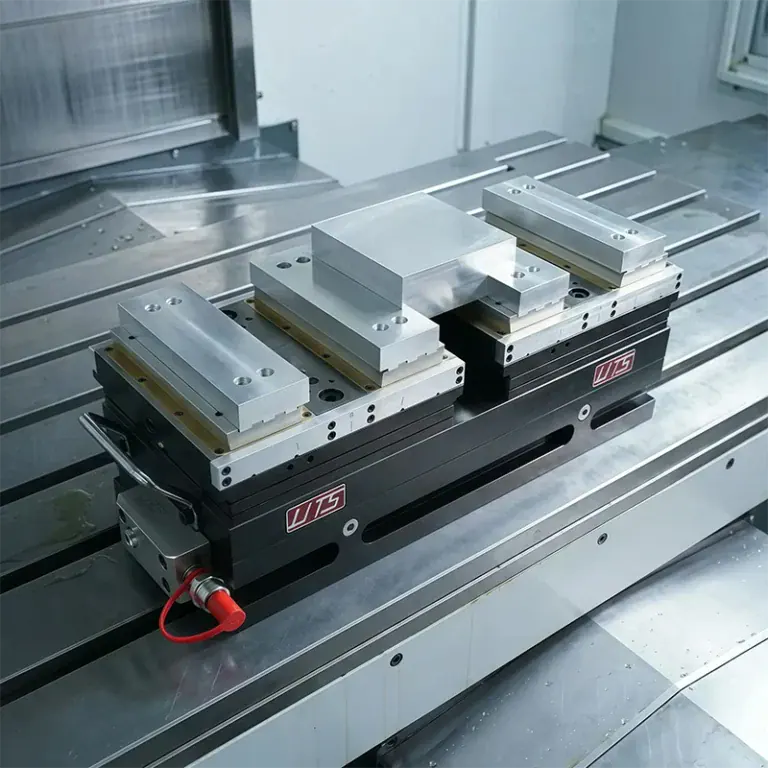
Improper clamping can cause workpiece deformation, leading to dimensional errors. As a result, fixture design and workholding strategies play an important role in precision machining.
- Ensure even clamping forces
- Reduce the risk of workpiece deformation
- Improve repeatable positioning accuracy
Proper fixture design keeps the workpiece stable throughout machining and helps prevent dimensional deviations caused by external forces.
Environmental Control Minimizes External Influences
Many dimensional errors originate not from equipment or machining processes but from environmental changes. Even small fluctuations in temperature or vibration can affect machining results, making environmental management essential.
The Importance of Temperature Control
Both metal materials and machining equipment expand and contract with temperature changes. For this reason, temperature-controlled workshops are common in precision manufacturing facilities.
- Temperature-controlled environments reduce thermal deformation
- Maintain stable machine temperatures
- Control workpiece temperature increases
- Minimize environmental temperature fluctuations
- Improve measurement accuracy
In micron-level machining, temperature control often has a direct impact on whether a part meets dimensional requirements.
Machining Environment Management
In addition to temperature, factors such as vibration, dust, and machine condition can also influence dimensional accuracy. Modern precision workshops typically maintain comprehensive environmental management systems.
- Keep production areas clean
- Reduce the impact of dust contamination
- Minimize external vibration disturbances
- Maintain equipment in optimal condition
A stable manufacturing environment helps reduce external influences and improves dimensional control reliability.
Inspection Systems Verify Dimensional Accuracy
High-precision parts must not only be machined accurately but also inspected thoroughly. Comprehensive inspection systems help identify issues quickly and provide valuable data for continuous process improvement.
Coordinate Measuring Machine Technology
Coordinate measuring machines (CMMs) have become essential tools in precision manufacturing, providing accurate measurements of complex geometries.
- Measure complex geometric features
- Deliver highly accurate dimensional data
- Support batch analysis and quality evaluation
- Detect potential machining deviations
- Verify critical dimensions against specifications
Accurate inspection enables manufacturers to identify issues early and prevent nonconforming parts from progressing through production.
In-Process Inspection and Quality Feedback
Instead of relying solely on final inspections, many manufacturers now implement in-process measurement systems that monitor dimensions throughout production.
- Detect dimensional abnormalities in real time
- Reduce the risk of large-scale defects
- Improve production stability
- Lower rework costs
By inspecting parts during machining, dimensional issues can be corrected immediately rather than after production is complete.
Continuous Improvement Through Data Analysis
Consistent dimensional accuracy depends on data collection and ongoing process optimization. Historical production data provides valuable insights for improving manufacturing performance.
- Identify sources of dimensional variation
- Optimize machining parameters
- Improve batch-to-batch consistency
Data-driven manufacturing strategies help companies continuously improve their precision machining capabilities and dimensional control performance.
Ensuring dimensional accuracy requires a systematic approach that combines precision equipment, optimized processes, stable environmental conditions, and comprehensive inspection systems. Only when every stage is carefully controlled can manufacturers consistently produce high-quality parts that meet strict tolerance requirements. As advanced manufacturing continues to evolve, dimensional accuracy remains one of the most important indicators of machining capability. With extensive machining experience and strict quality management systems, Tirapid provides reliable high-precision machining solutions for a wide range of industries.