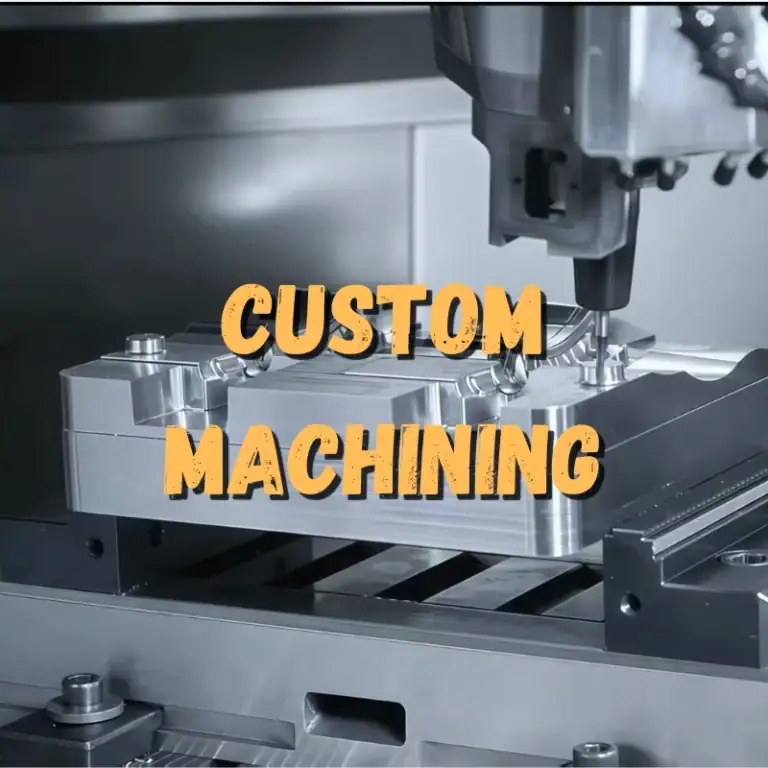
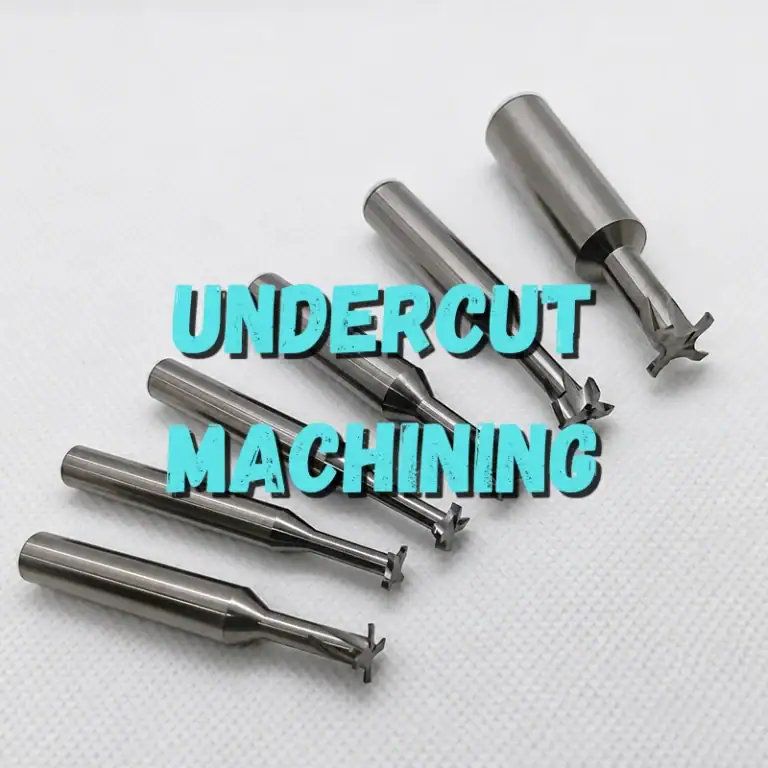
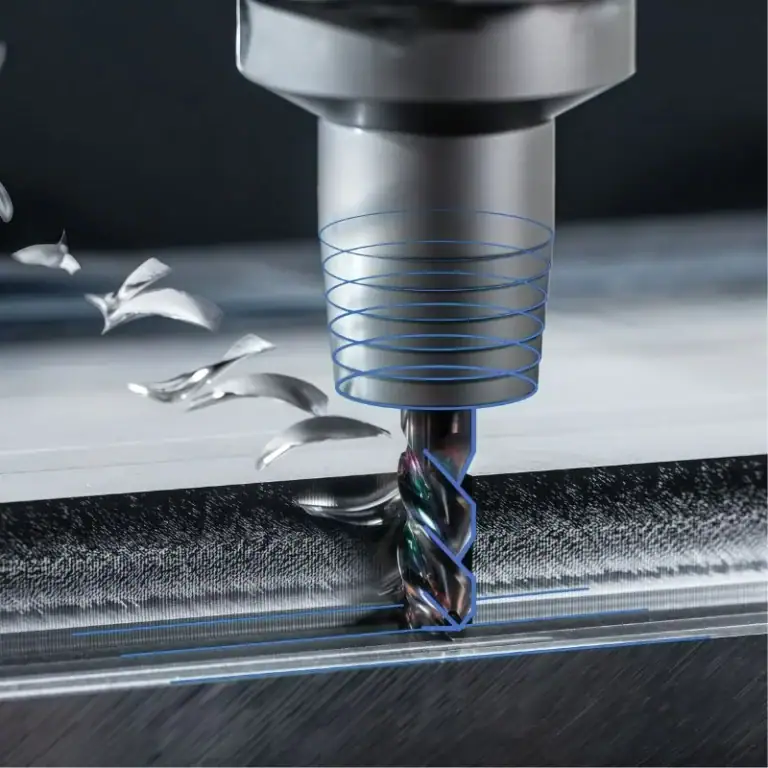
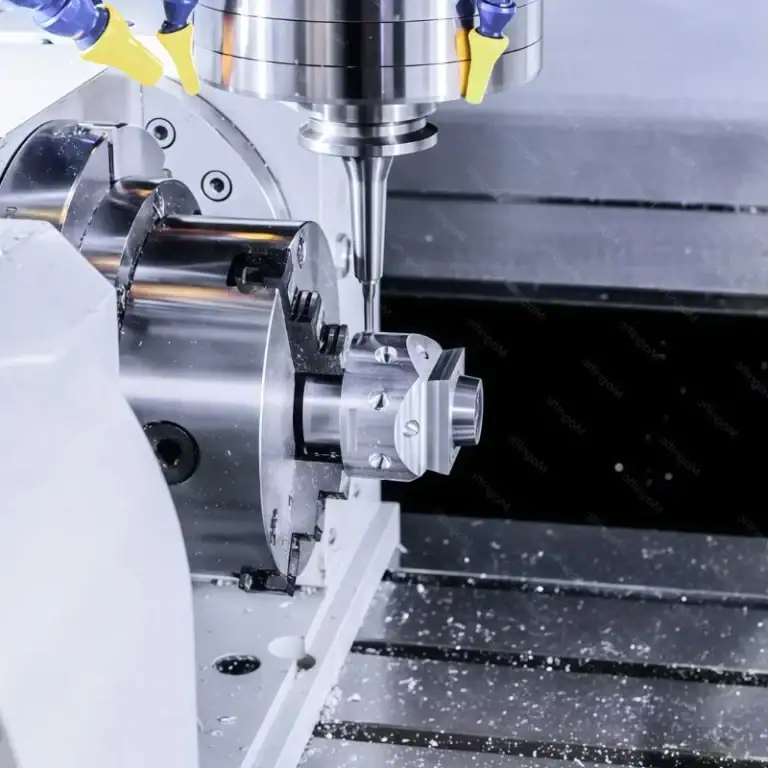
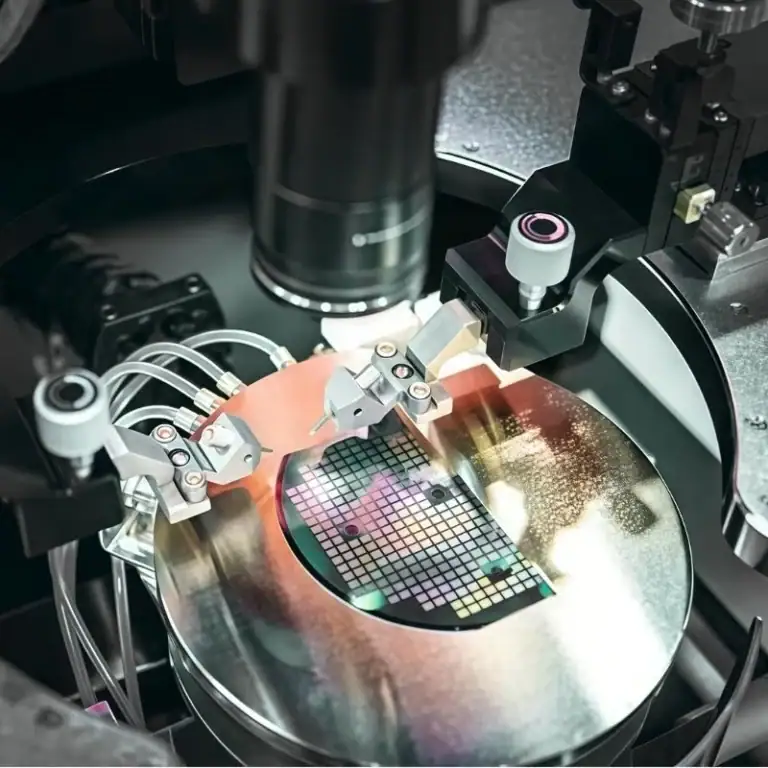
Automatic packaging equipment performs continuous operations such as product conveying, positioning, metering, sealing, and sorting. Part machining accuracy, fit, and dimensional stability can affect equipment setup and operation. When selecting CNC machining solutions, equipment manufacturers need to evaluate not only machining costs but also materials, structural complexity, surface treatment, batch consistency, and lead times. Planning machining processes and inspection procedures according to part functions helps reduce assembly rework and streamline equipment manufacturing and maintenance.
Which Automatic Packaging Equipment Parts Are Suitable for CNC Machining?
Automatic packaging equipment contains various non-standard components, including positioning mechanisms, conveying components, and support structures. Machining priorities should be determined according to each component’s function.
Positioning and Conveying Components
These parts guide products or packaging materials during movement, making dimensional fit and positioning stability particularly important.
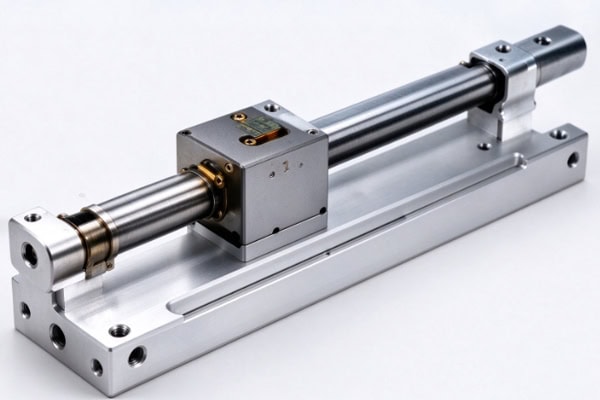
- Guide Blocks and Locating Bases: Machined with locating holes, datum surfaces, and guide grooves to meet assembly and movement requirements.
- Conveying Supports: Mounting interfaces and support profiles are machined according to the conveying path.
- Indexing and Limiting Components: Contact surfaces and positioning structures are designed to help products remain in their intended positions.
Defining critical dimensions and fit requirements before machining can reduce product misalignment and jamming during operation.
Fixtures and Equipment Structural Components
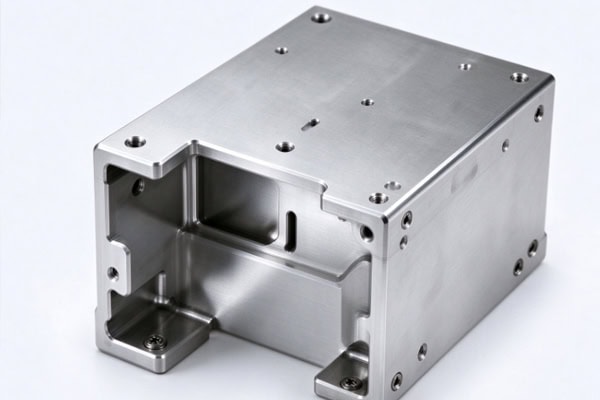
Mounting plates, brackets, and tooling often feature multiple holes, surfaces, or complex profiles, requiring a balance between structural strength and assembly space.
- Mounting Plates and Brackets: Focus on controlling hole spacing, flatness, and connection dimensions.
- Custom Fixtures and Changeover Tooling: Positioning areas are designed according to product specifications to facilitate packaging format changes.
- Sensor Mounts and Protective Structures: Mounting interfaces and connection points are machined according to the equipment layout.
Properly planning machining datums can reduce adjustment work during part assembly.
How Can Machining Accuracy Be Controlled for Automatic Packaging Equipment?
Equipment components must work together to perform their intended functions. Machining solutions should therefore focus on dimensional deviations, machining deformation, and final inspection requirements.
Confirm Drawings and Assembly Requirements Before Machining
Before production, 2D drawings, 3D models, and actual application requirements should be reviewed to clarify critical dimensions and acceptance criteria.
- Confirm Critical Datums: Identify mounting surfaces, locating holes, and motion-related mating surfaces.
- Check Machining Accessibility: Evaluate tool access for deep grooves, thin-walled parts, and multi-sided structures.
- Plan the Clamping Method: Reduce positional errors caused by repeated setups.
Addressing manufacturing challenges in advance can reduce prototype rework and unplanned modifications.
Define Inspection Items According to Part Functions
Inspection items should correspond to part functions and drawing tolerances. Different components do not necessarily require identical inspection methods.
| Part Type | Common Materials | Key Control Items | Inspection Focus |
| Mounting Plates | Aluminum alloys, steel | Flatness, hole spacing | Flatness and positional dimensions |
| Locating Bases | Aluminum alloys, stainless steel | Locating dimensions, perpendicularity | Dimensions and geometric tolerances |
| Guide Blocks | POM, aluminum alloys, etc. | Groove width, fit clearance | Dimensions and surface condition |
| Shafts and Moving Components | Alloy steel, stainless steel, etc. | Shaft diameter, runout, concentricity | Dimensional and geometric accuracy |
| Custom Fixtures | Aluminum alloys, steel | Positioning accuracy, repeatability | Critical dimensions and assembly verification |
Selecting suitable measuring instruments or inspection equipment according to the specified tolerances, and performing assembly verification when necessary, helps determine whether parts meet their intended requirements.
Control Deformation in Thin-Walled and Large Components
Large aluminum mounting plates, thin-walled brackets, and deep-cavity components may warp when substantial material is removed and residual stresses are released.
- Select blanks suitable for precision machining and consider pre-stretched aluminum plate where appropriate.
- Separate roughing and finishing operations, with a carefully planned material removal sequence.
- Evaluate stabilization treatments for parts with a high risk of deformation, based on material condition and accuracy requirements.
- Use appropriate supports and clamping methods to minimize clamping deformation.
Natural aging or stress-relief heat treatment should be selected according to the specific material and its existing heat-treatment condition; neither should be treated as a mandatory process for every part.
How Should Materials and Surface Treatments Be Selected for Automatic Packaging Equipment CNC Machining?
Material selection should account for part loads, motion conditions, cleaning environments, and wear requirements. Surface treatment must also balance protective performance with final assembly dimensions.
Select Materials According to Operating Conditions
Different materials suit different structural and motion requirements, so procurement decisions should not be based on material price alone.
- Aluminum Alloys: Suitable for certain mounting plates, brackets, and lightweight structural components.
- Stainless Steel: Suitable for parts requiring corrosion resistance or frequent cleaning. The specific grade should be selected according to the operating environment.
- Engineering Plastics: Materials such as POM can be used for certain guide blocks and sliding components, but thermal expansion, cutting heat, and clamping deformation must be considered.
When machining plastic parts, select appropriate cutting tools, cutting parameters, and cooling methods to prevent overheating, tool adhesion, and poor chip evacuation. For precision components, clamping force should also be controlled, and critical dimensions should be rechecked after the workpiece temperature stabilizes.
Define Surface Treatment and Dimensional Allowances in Advance
Surface treatments such as anodizing can change the dimensional condition of aluminum surfaces, so precision mating areas require advance planning.
- Aluminum Alloy Parts: Select suitable anodizing processes according to wear and corrosion resistance requirements.
- Precision Holes and Mating Surfaces: Define post-treatment dimensions for bearing bores, locating pin holes, and other critical areas.
- Masking and Allowance Planning: Evaluate machining compensation, localized masking, or subsequent finishing according to coating requirements.
Confirming final dimensions and acceptance criteria before machining can reduce the risk of excessively tight fits or dimensional deviations after surface treatment.
How Should You Select a CNC Machining Supplier for Automatic Packaging Equipment?
A supplier’s value extends beyond individual machining capabilities to include engineering communication, quality control, and consistent delivery.
Ability to Machine Diverse Part Types
Automatic packaging equipment contains various non-standard components, so suppliers need to accommodate different manufacturing requirements.
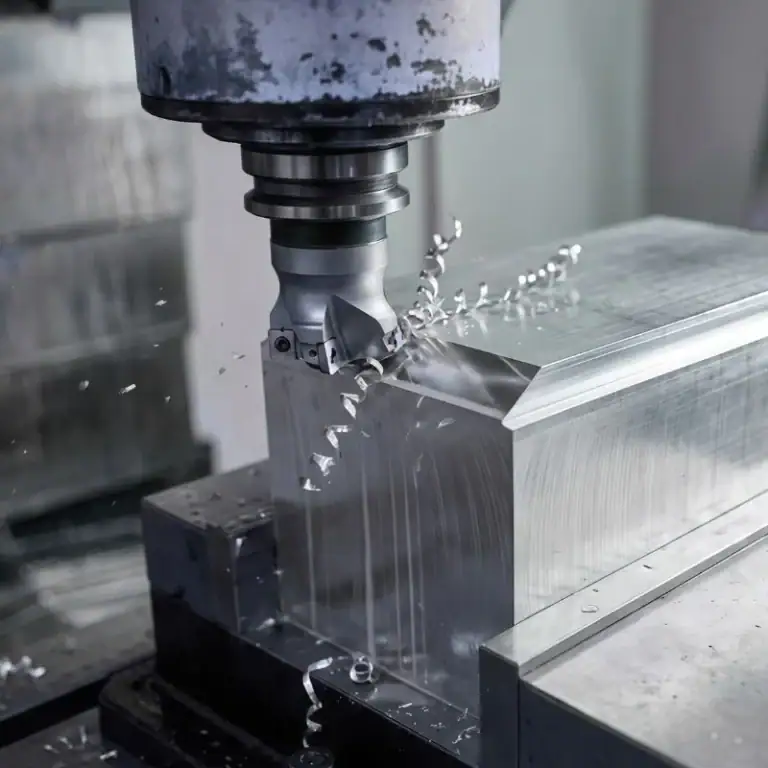
- Support CNC milling, turning, and multi-axis machining.
- Handle complex hole patterns, grooves, curved surfaces, and multi-sided structures.
- Provide prototypes, small-batch production, and repeat manufacturing according to project needs.
Versatile machining capabilities help meet equipment development and custom part requirements.
Maintain Batch Quality and Delivery Consistency
During batch production, dimensional and process consistency can affect assembly efficiency. Suppliers should define material specifications, critical dimensions, machining requirements, and inspection standards while coordinating subsequent processes such as heat treatment and surface treatment. Clear production planning and quality records help reduce batch variations and delivery delays.
Manage Drawing Communication and Engineering Changes
Non-standard parts may require dimensional or interface changes when equipment structures are revised. Before production, confirm drawing versions, materials, surface treatments, and acceptance requirements. When designs change, updated technical documents should be communicated promptly to prevent manufacturing based on outdated drawings.Standardized technical communication helps reduce rework and supports future repeat orders.
CNC machining for automatic packaging equipment should be planned according to part functions, materials, manufacturing processes, and inspection requirements. Positioning and conveying components require close attention to dimensional fit, large aluminum components need deformation control, and engineering plastic parts require careful management of cutting heat and clamping stress. TiRapid provides precision CNC machining and custom manufacturing services for automatic packaging equipment manufacturers, supporting prototype development and small-batch production.