In modern manufacturing, tolerance control has become one of the most important measures of precision machining capability. Whether in aerospace components, medical devices, or automotive and electronic products, many high-performance parts require extremely tight dimensional accuracy. Excessive deviation can affect assembly, reduce product performance, and even cause failure. Therefore, effectively controlling tolerances during the machining process has become one of the core technical challenges in precision manufacturing.
Equipment Stability Determines Basic Tolerance Levels
In precision machining, the rigidity, accuracy, and stability of equipment directly affect the final dimensional error of parts. Therefore, the capabilities of the machinery often determine the baseline for tolerance control.
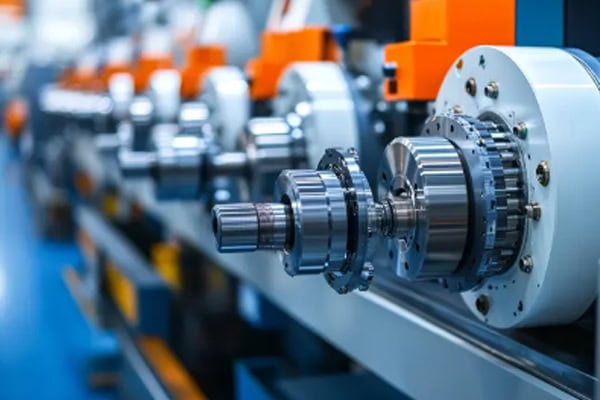
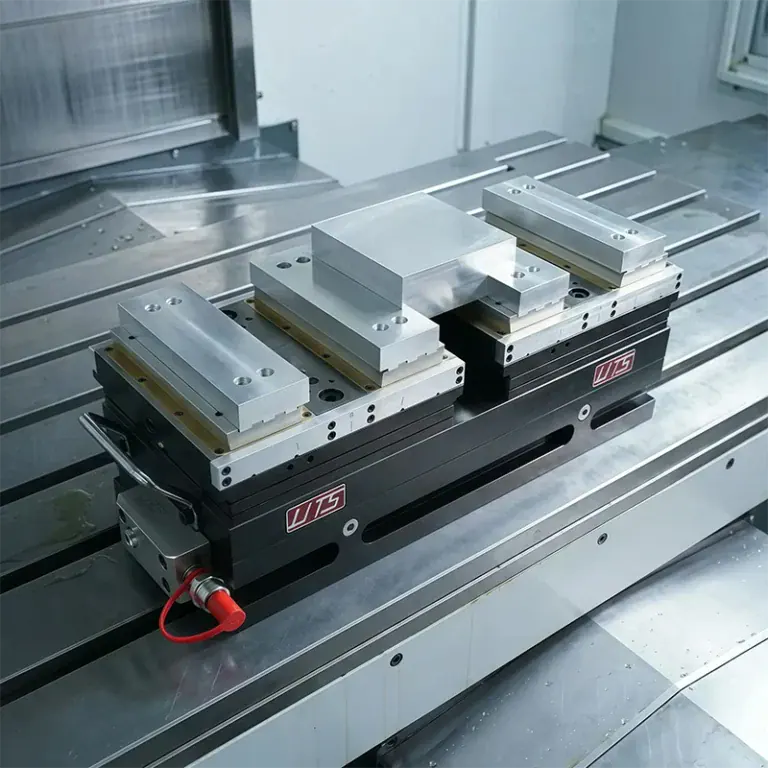
High-Precision CNC Machines
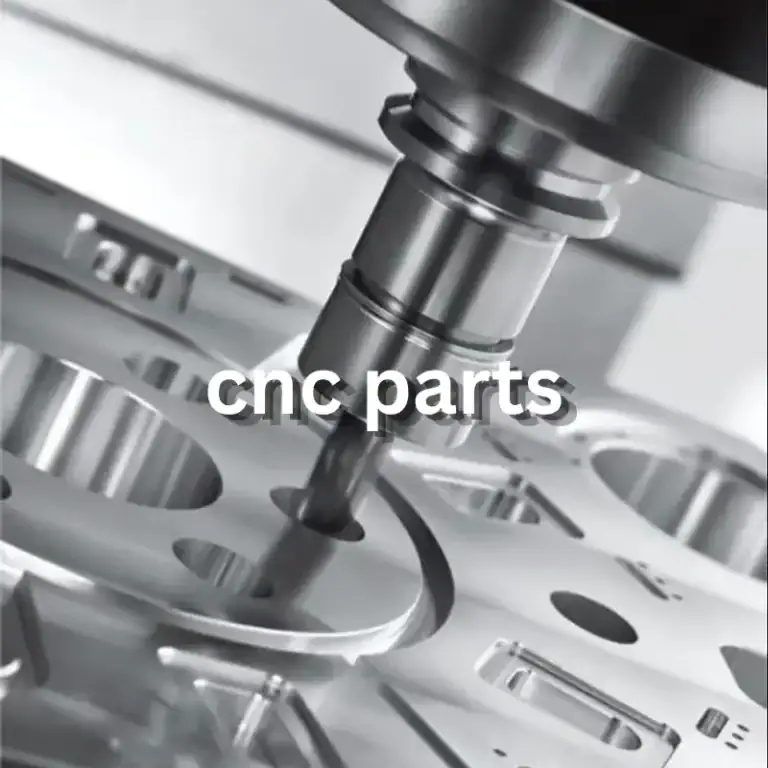
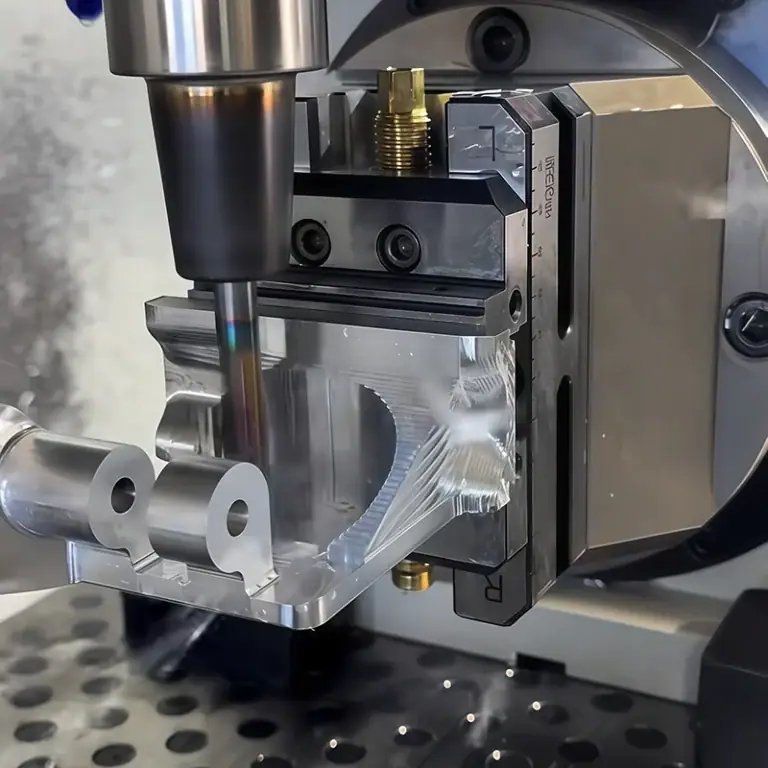
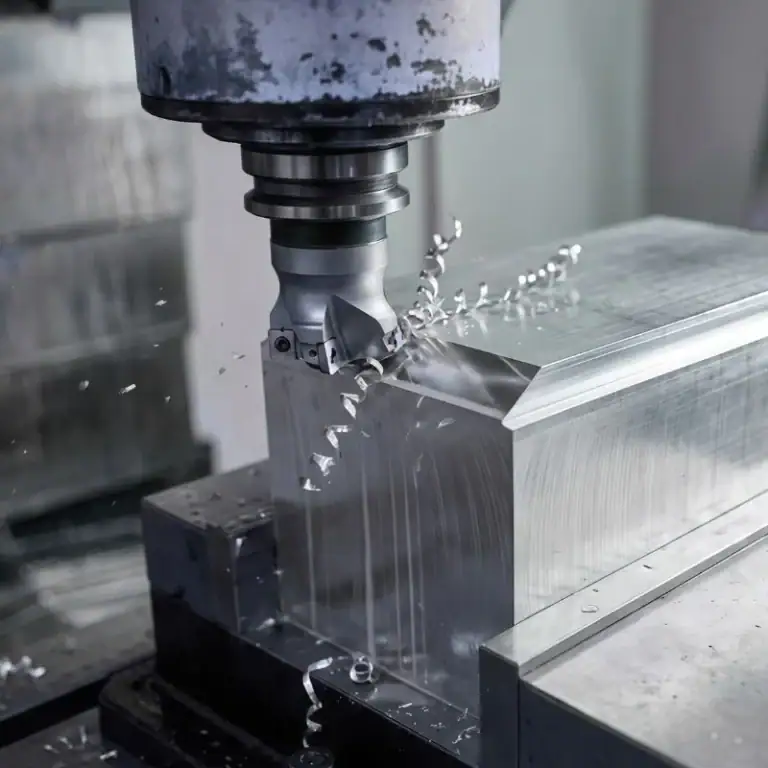
High-precision CNC machines can achieve micron-level dimensional control through stable motion and precise cutting paths, reducing random and repeated errors during machining.
- Rigid structure minimizes vibration
- Precision ball screws improve positioning accuracy
- Stable spindle reduces dimensional fluctuations
- CNC programming ensures repeatable machining
- Multi-axis coordination reduces fixture errors
The more stable the equipment, the easier it is to maintain consistent tolerances.
Five-Axis Machines Reduce Accumulated Errors
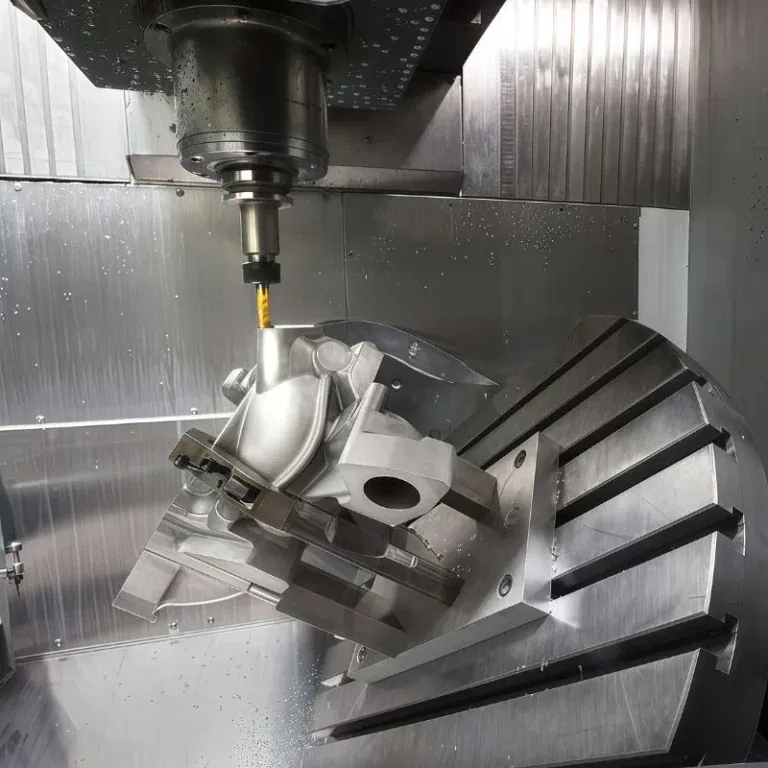
For complex parts, traditional multiple setups can introduce positioning deviations. Five-axis machining can complete multi-surface processing in a single setup, reducing cumulative errors.
- Minimizes repeated positioning errors
- Improves stability of complex surface machining
- Reduces deviation from manual adjustments
- Enhances overall dimensional consistency
Complex components rely heavily on five-axis machines for high-precision tolerance control.
Cutting Tools and Parameters Affect Dimensional Accuracy
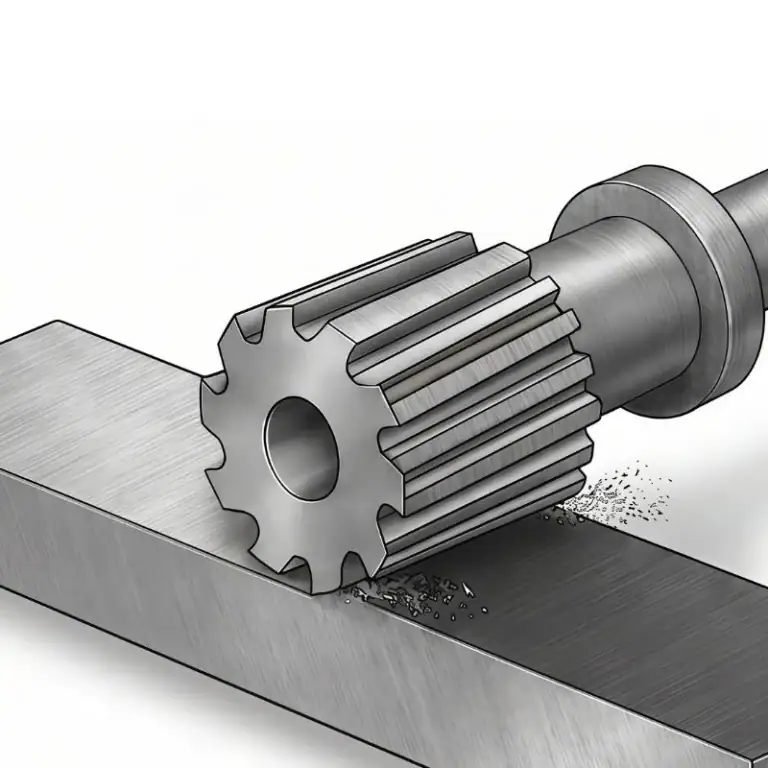
Besides equipment, cutting tools and machining parameters also have a direct impact on tolerances. Improper control can lead to unstable dimensions or surface errors.
Tool Wear Management
Over time, tools wear down, and without timely replacement or compensation, continuous dimensional deviations occur. Tool management is therefore critical for tolerance control.
- Regular monitoring of tool wear
- Implementing tool life management systems
- Using wear-resistant tool materials
- Timely tool compensation
- Maintaining stable cutting conditions
Stable tool conditions reduce dimensional fluctuations.
Optimal Cutting Parameters
Cutting speed, feed rate, and depth of cut all affect machining stability. Improper settings can cause vibration, thermal deformation, or surface errors.
- Reasonable spindle speeds reduce vibration
- Controlled feed rates prevent dimensional deviation
- Optimized depth of cut minimizes deformation
- Stable cutting rhythm ensures predictability
Stable parameters allow more reliable tolerance control.
Temperature and Environmental Control
In high-precision machining, many dimensional errors are caused not by the equipment but by temperature variations and environmental changes, making environmental control essential.
Thermal Deformation Control
Metal parts expand or contract with temperature changes. Uncontrolled heat can directly affect final dimensions.
- Cooling systems lower machining temperature
- Prevent excessive machine heating
- Reduce material thermal expansion
- Improve stability during long operations
- Avoid dimensional drift
Thermal stability is a foundation for high-precision machining.
Temperature-Controlled Machining Environment
High-end workshops maintain constant temperatures because even small temperature differences affect machine, tool, and workpiece dimensions.
- Maintain consistent workshop temperature
- Reduce environmental temperature variation
- Improve measurement accuracy
Environmental stability is crucial for micron-level tolerance control.
Inspection Systems Determine Final Tolerance Results
Precision machining is not just about producing parts; it’s also about verifying them. Only a complete inspection system can ensure stable tolerance control.
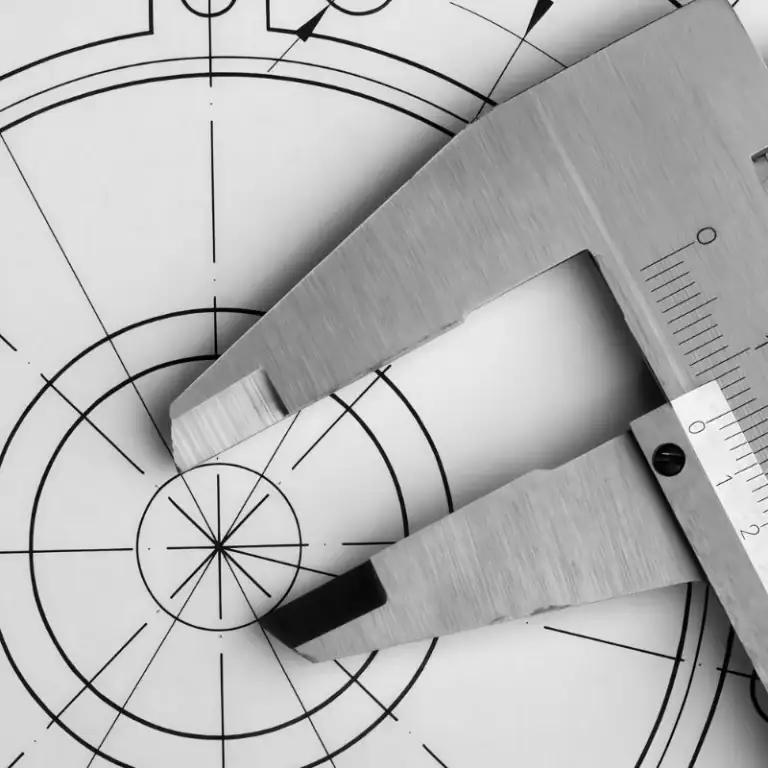
Coordinate Measuring Machines
CMMs allow high-precision measurement of complex parts and provide feedback for continuous process adjustments.
- Measure complex geometries
- Micron-level accuracy
- Supports batch quality analysis
- Provides data feedback for error correction
- Enables process optimization
Measurement data is essential for subsequent process refinement.
Online Inspection and Process Monitoring
For batch production, final inspection alone is insufficient. Real-time online monitoring systems detect deviations during the process.
- Identify dimensional deviations in real time
- Reduce batch defects
- Improve production stability
- Lower rework and scrap costs
Process monitoring allows early detection and correction of errors.
Process Management Ensures Long-Term Stability
High-level tolerance control relies not only on equipment but also on a robust and stable process system.
Standardized Workflows
Unified machining processes and fixed parameters reduce human variability and maintain consistency across batches.
- Fixed machining sequences reduce errors
- Standardized parameters improve stability
- Minimize manual adjustment impact
- Enhance batch-to-batch consistency
Stable workflows are more important than one-time high precision.
Continuous Improvement Through Experience
Many high-precision capabilities come from accumulated experience. By optimizing machining methods continuously, tolerance control becomes more reliable.
- Analyze historical machining data
- Optimize cutting and fixturing methods
- Enhance complex part capability
- Build long-term quality control systems
Continuous improvement is key to maintaining long-term stable tolerances.
Tolerance control in precision machining is the result of collaboration between equipment, tools, environment, inspection, and process systems. Only when each link is stable can micron-level or higher dimensional control be truly achieved. As high-end manufacturing evolves, stable tolerance control has become a key measure of machining capability. Platforms like Tirapid provide reliable precision machining solutions for complex parts, ensuring consistent high-precision support across various industries.